Can Emotional Stress Contribute to FIP Development
Feline Infectious Peritonitis (FIP) is a devastating disease caused by a mutated form of the feline coronavirus (FCoV). While the virus itself is widespread among cats, only a small percentage develop FIP. Researchers and veterinarians have long sought to understand what triggers this progression from harmless infection to fatal disease. Among various factors, the role of emotional stress has garnered increasing interest as a potential contributor to FIP development.
Understanding FIP and Its Pathogenesis
FIP results from a complex interaction between the feline coronavirus and the host’s immune system. Most cats infected with FCoV remain asymptomatic or show mild gastrointestinal symptoms. However, in some cats, the virus mutates and causes FIP—a disease characterized by severe inflammation of the abdomen (wet form) or neurological and ocular lesions (dry form). The immune response plays a crucial role; an overly aggressive or insufficient immune response can determine whether a cat develops FIP.
The Role of Stress in Disease Susceptibility
Stress is acknowledged as a significant factor influencing immune function across many species, including cats. Emotional stress—caused by environmental changes, overcrowding, changes in routine, or lack of social stability—can suppress immune defenses. When the immune system is compromised, latent infections or viral mutations, like those involved in FIP, can become more active or cause more severe disease.
Evidence Linking Stress to FIP
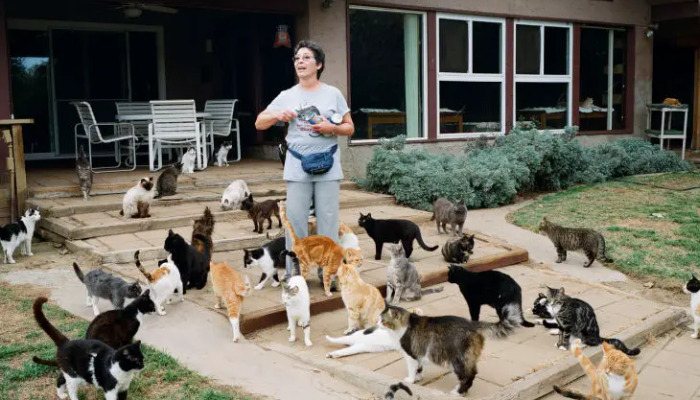
While definitive causal evidence remains limited, observational studies suggest a correlation between stressful situations and the onset of FIP. Shelter cats, for example, often experience high-stress environments and exhibit higher rates of FIP. Similarly, cats experiencing stressful events such as relocation, introduction of new animals, or changes in household routines are observed to be more susceptible to developing FIP.
Studies have shown that stress can alter cytokine profiles, reduce lymphocyte counts, and impair immune regulation. These changes diminish the cat's ability to suppress viral mutations or control the mutated virus's spread within the body. Consequently, stress-induced immune suppression may provide a window for FIP to develop in infected cats.
Biological Mechanisms At Play
When a cat experiences emotional stress, it activates the hypothalamic-pituitary-adrenal (HPA) axis, leading to increased cortisol production. Elevated cortisol levels are known to inhibit various immune functions, including lymphocyte proliferation and antibody production. This immunosuppressive environment can facilitate the mutation of FCoV into the virulent form responsible for FIP.
Moreover, stress-induced alterations in cytokine balance—shifting towards anti-inflammatory profiles—may impair effective immune responses, allowing the virus to replicate unchecked. These biological responses may serve as a trigger for the transition from a benign FCoV infection to FIP.
Managing Stress to Reduce FIP Risk
Given the potential link between stress and FIP development, stress management becomes a critical component in disease prevention strategies. Providing a stable, predictable environment, minimizing changes, and reducing overcrowding can help maintain immune health. Additionally, utilizing environmental enrichment, consistent routines, and reducing exposure to distressing stimuli can bolster the immune system’s resilience.
Veterinarians often recommend fostering a calm environment, especially for cats at higher risk or already infected with FCoV. Promptly addressing behavioral issues and ensuring adequate social interactions can also contribute to overall well-being, potentially lowering the chance of FIP progression.
Limitations and Future Research Directions
Despite existing evidence, the direct causative relationship between emotional stress and FIP remains to be conclusively proven through controlled studies. Many factors, including the genetic predisposition, viral strain virulence, and overall health, interplay in disease development. Future research should focus on longitudinal studies to better understand how stress influences immune responses in FCoV-infected cats, potentially paving the way for more effective preventive measures.
Conclusion
While more research is necessary to definitively establish stress as a direct causative factor in FIP development, current evidence highlights it as a significant risk factor influencing immune function. Managing environmental and emotional stressors in cats, especially those infected with FCoV, is a practical approach to potentially reducing the risk of FIP. Maintaining a stable, low-stress environment supports immune health and may be one of the best strategies to prevent this fatal disease.
References
1. Pedersen, N. C. (2014). An update on feline infectious peritonitis: Diagnostics and therapeutics. Vet Clin North Am Small Anim Pract, 44(1), 161–175.
2. Addie, D., & Jarrett, O. (1992). Feline coronavirus: The puzzle of feline infectious peritonitis. Vet Rec, 132(10), 211–215.
3. Hartmann, K. (2005). Feline infectious peritonitis. Vet Clin North Am Small Anim Pract, 35(1), 39–46.
4. Kipker, J., et al. (2018). Influence of environmental stress on immune function in cats. J Feline Med Surg, 20(4), 340–347.
5. Poss, M., et al. (2019). Impact of stress on the immune response in feline infectious diseases. Vet Immunol Immunopathol, 215, 109855.