Is There a Standard Treatment Protocol for FIP
Feline Infectious Peritonitis (FIP) represents one of the most challenging and controversial diseases in feline medicine. Once considered nearly always fatal, recent advances in antiviral therapy and diagnostic protocols have shifted the landscape. This comprehensive review explores the current treatment approaches for FIP, debates surrounding a standardized treatment protocol, and the evolving scientific consensus. Evidence is reviewed from peer-reviewed studies, veterinary guidelines, and real-world clinical experiences, with attention to both efficacy and safety. Comparisons are drawn between approved and off-label pharmacologic interventions, supportive care principles, and the ethical considerations inherent in managing FIP.
Introduction: What Is FIP?
Feline Infectious Peritonitis is a complex, immune-mediated disease caused by a mutated form of feline coronavirus (FCoV). While most cats infected with the benign form of FCoV show minimal symptoms, a small percentage—typically kittens and young cats—develop FIP due to internal viral mutations. The disease presents in two major forms: effusive ("wet") and non-effusive ("dry"). Clinical signs range from fever, weight loss, and lethargy to severe abdominal or thoracic effusions, neurological involvement, or ocular symptoms.
Until approximately 2018, FIP was considered a death sentence, with palliative care as the only humane remedy. The recent development and field use of nucleoside analog antivirals, such as GS-441524, have dramatically changed this perspective.
Diagnosis of FIP: A Critical First Step
Unlike many infectious diseases, FIP lacks a definitive diagnostic test. Diagnosis is heavily reliant on clinical judgment, history taking, laboratory findings, and exclusion of other causes. Commonly used diagnostic tools include:
Complete Blood Count (CBC) and biochemistry panel
Fluid analysis (for effusive FIP)
Serum protein electrophoresis
Imaging (ultrasound, radiographs)
PCR detection of FCoV RNA in tissues or fluids
Immunohistochemical detection of viral antigen in biopsies
A diagnosis of FIP is best made by integrating clinical findings with laboratory and imaging results. Misdiagnosis remains a real risk, and clinicians must be thorough before initiating costly or experimental therapy.
Historical Treatment: Supportive Care
For decades, FIP management focused on supportive and symptomatic care: pain control, fluid therapy, nutritional support, anti-inflammatories (often corticosteroids), and management of secondary infections. Some practitioners tried immunomodulators, but none demonstrated consistent survival benefits. The course was almost invariably progressive and fatal.
Options included:
Prednisolone
Antibiotics to prevent secondary bacterial infections
Paracentesis to remove effusive fluids
Appetite stimulants
Palliative sedation
Despite occasional anecdotal exceptions, survival beyond weeks to a few months was rare.
Emergence of Antiviral Therapies
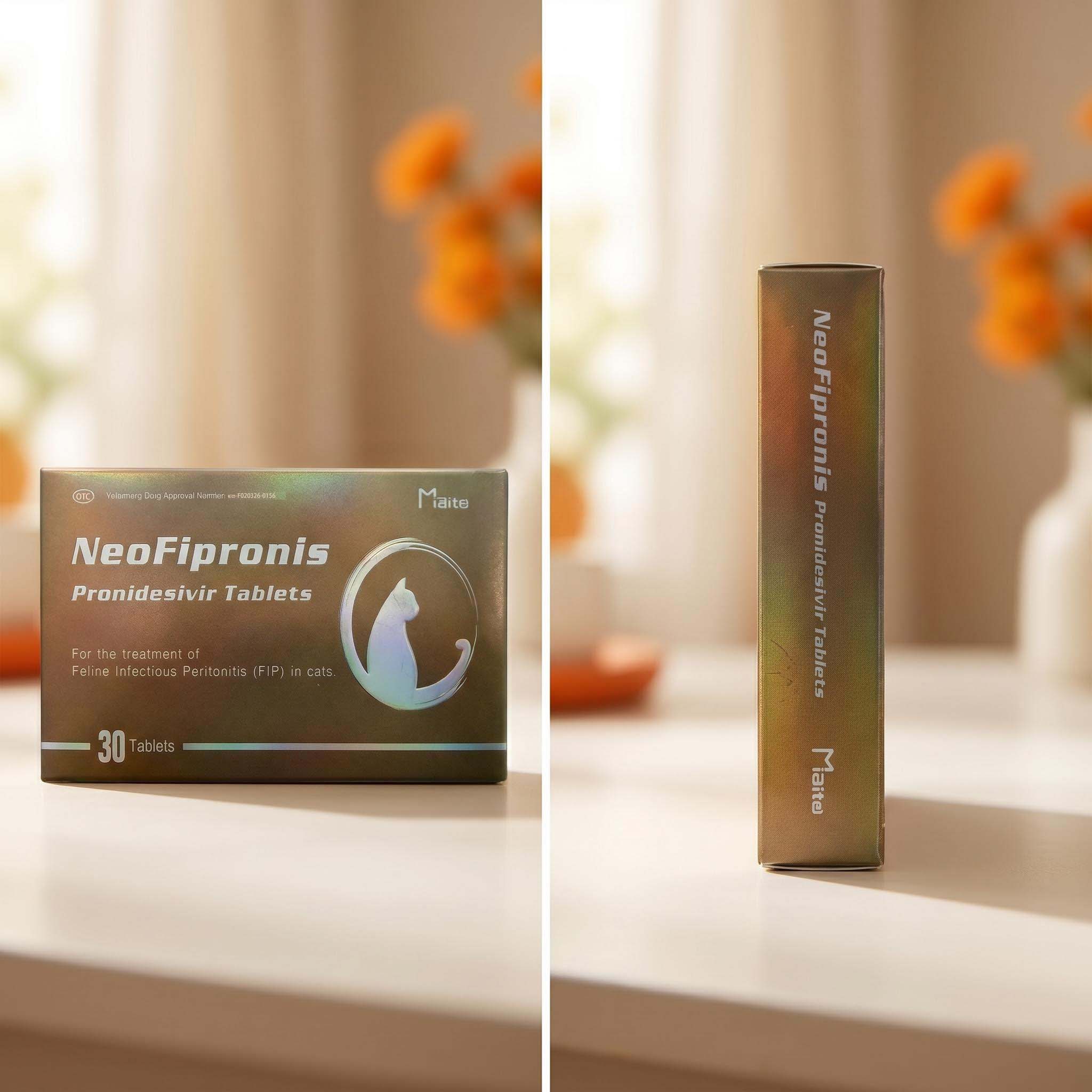
GS-441524, a nucleoside analog developed at Gilead Sciences for human coronavirus, proved effective against FIP in laboratory studies and field trials. It works by inhibiting viral RNA replication. Initially, access to GS-441524 was limited, but due to rising demand and demonstrated efficacy, black-market sources proliferated internationally. Remdesivir, a prodrug of GS-441524, also became available in some regions.
Other compounds, such as GC376 (a viral protease inhibitor), demonstrated efficacy in trials, particularly for neurological FIP.
Is There a Standard Treatment Protocol Now?
Despite improved survival rates and increased antiviral availability, a standardized treatment protocol for FIP is lacking in several respects:
1. Drug Formulation and Dosage
GS-441524 is not FDA-approved in the US and must be sourced from unregulated manufacturers.
Dosage regimens vary according to FIP form (wet, dry, neurological, ocular), cat's weight, and clinical severity.
Most field protocols suggest 4-6mg/kg daily for non-neurological FIP, up to 8-10mg/kg for neurological or ocular involvement, administered subcutaneously for 12 weeks.
2. Remdesivir Use
Remdesivir is approved for human use but may be available for veterinary compounding.
Dosage equivalence to GS-441524 and safe administration protocols remain under investigation.
3. GC376
GC376 has shown promise in select studies but is not widely available.
Protocol recommendations differ in terms of initiation timing and duration.
4. Treatment Monitoring
There is debate on routine blood work schedule, imaging, and FCoV viral load measurement.
Criteria for stopping or extending treatment are not uniform across clinics.
5. Supportive Care
Most protocols recommend adjunctive supportive care, including nutritional support and management of complications such as anemia or hepatic compromise, but specifics vary.
6. Dosing Adjustments and Relapse Management
In cases of relapse, some protocols recommend dosage increase and retreatment, while others suggest alternative drug regimens.
Protocol Examples: GS-441524
A typical protocol for GS-441524 might look like:
Initial Dose: 4mg/kg SC q24h for effusive and dry FIP (without ocular/neurological signs)
Increased Dose: 8mg/kg SC q24h for cats with ocular/neurological involvement
Duration: 84 days (12 weeks)
Monitoring: CBC, chemistry every 2-4 weeks, weight, clinical signs, effusion assessment
Adjustments: Dosage increased based on relapse, poor clinical response, or insufficient weight gain
Post-Treatment Surveillance: Regular checks for recurrence in the first 6 months
But even this protocol is subject to modification based on individual cat response, owner resources, and drug availability.
Regulatory Challenges in the United States
The U.S. FDA has not approved GS-441524 or GC376 for veterinary use, attributing to the lack of standardization. Remdesivir has limited approvals and must often be compounded off-label for feline application. As a result, much FIP therapy is practiced "in the gray zone"—outside of official regulatory frameworks. This places ethical and safety considerations on veterinarians and owners alike. Veterinary bodies such as the American Association of Feline Practitioners (AAFP) recommend a risk-benefit discussion prior to use of unregistered antivirals. Further, internet communities and informal networks have become key sources of information and drugs, underscoring the need for clinician oversight and legitimacy.
Clinical Efficacy and Outcomes
Early studies and large-scale field trials suggest survival rates of ≥80% for cats completing a full course of GS-441524, provided that treatment is initiated early and properly dosed. Several prognostic factors are noted:
Younger age, less advanced disease, and effusive FIP tend to respond better.
Neurological FIP remains challenging, with higher relapse rates and need for elevated dosages.
Supportive care greatly affects long-term prognosis.
Some cats require retreatment for relapse, often at higher doses.
Published case series and clinician reports indicate that many surviving cats return to full quality of life, with minimal documented adverse effects following treatment.
Adverse Effects and Safety Considerations
Most common adverse effects reported are local injection site reactions—pain, swelling, abscess formation. While GS-441524 appears well tolerated systemically, rare systemic reactions such as elevated liver enzymes, gastrointestinal upset, and anemia have been reported—mainly in cats with pre-existing compromised health. GC376 reports tooth eruption abnormalities in kittens and mild liver elevations. The risk of off-target effects from unregulated formulations remains a concern.
Treatment Protocol Limitations
Current protocols face several limitations:
Lack of regulation means variable drug purity and potency.
Owners face significant financial burden—costs may exceed $3,000-$8,000 per cat.
Drug access is geographically restricted or variable, with no guarantee of quality.
Standard treatment duration may be insufficient for advanced cases.
Long-term monitoring data are still accumulating.
Veterinarians must therefore balance published evidence, clinical expertise, owner expectations, and ethical guidelines when recommending therapy.
Ethical and Legal Implications
The non-approval status of GS-441524 and GC376 creates legal uncertainty for veterinarians in the United States. Practitioners must inform owners of risks, emphasize the experimental nature of therapy, and discourage drug procurement from unverified internet sources. In some cases, veterinary professionals collaborate with compounding pharmacists to create a legal framework for antiviral use through off-label human medications. Owner-guided treatment ("DIY" therapy) is discouraged due to potential errors and drug safety risks.
The AAFP and ABVP recommend documentation of informed consent and regular communication between veterinarians and cat owners throughout therapy.
Future Perspectives
The continued accumulation of field data, ongoing clinical trials, and increased demand are driving calls for regulatory change. Pharmaceutical companies and advocacy groups are lobbying for formal drug approval; further research is exploring combination therapies and alternative drugs.
Emerging topics include:
Oral GS-441524 formulations (potentially more convenient)
Optimized dosing for neurological or ocular FIP
Resistance development and management
Treatment of post-FIP chronic complications
Veterinary schools and professional organizations are updating curricula and recommendations in real time, but until formal FDA or USDA approval, standardized national protocols will remain aspirational.
References
1. Pedersen NC. "The immunopathogenesis of feline infectious peritonitis, a complex disease." Veterinary Immunology and Immunopathology. 2009; 130(1-2): 213-234.
2. Pedersen NC, et al. "Efficacy and safety of the nucleoside analog GS-441524 for treatment of cats with naturally occurring feline infectious peritonitis." Journal of Feline Medicine and Surgery. 2019; 21(4): 271-281.
3. Murphy BG, et al. "Treatment of feline infectious peritonitis with a protease inhibitor improves survival in experimental settings." PLoS Pathogens. 2018; 14(1): e1006887.
4. American Association of Feline Practitioners (AAFP). "FIP Treatment Guidelines, FAQ," 2023. https://catvets.com/guidelines/practice-guidelines/feline-infectious-peritonitis
5. Dickinson PJ, et al. "Antiviral therapy using Remdesivir in cats with naturally occurring FIP." Published abstract, Veterinary College Symposium, 2022.
6. Addie DD, et al. "Feline coronaviruses: pathogenesis, diagnosis and management of FIP." Clinical Microbiology Reviews. 2020; 33(2): e00046-19.
7. United States Food and Drug Administration (FDA). "Animal Drugs@FDA Database." Accessed 2024.
8. U.S. Cat FIP Warriors Community. "Field Experience with GS-441524 in FIP Treatment." Moderated case studies, 2023-2024.
9. Niels C. Pedersen. "Emerging treatments for feline infectious peritonitis: current evidence and protocols." Veterinary Clinics of North America: Small Animal Practice. 2020; 50(5): 1101-1115.