At What Age Are Cats Most At Risk for FIP

Feline Infectious Peritonitis (FIP) is a serious and often fatal disease affecting cats worldwide. It results from a mutated form of the feline coronavirus (FCoV) that leads to a systemic inflammatory response. Understanding the age groups most vulnerable to FIP can aid pet owners and veterinarians in early diagnosis, prevention, and management. This article explores the age-related susceptibility of cats to FIP, considering epidemiological trends, underlying factors, and the implications for feline health.
Epidemiology of FIP and Age Distribution
FIP is generally considered a disease of young cats, especially kittens and juvenile cats, but it can also occur in adult cats. Studies show that approximately 60-70% of FIP cases are diagnosed in cats under two years old. The high prevalence in young cats is attributed to their immature immune systems and the higher likelihood of exposure to feline coronavirus in environments such as shelters, breeding facilities, or multi-cat households. Conversely, FIP is less common among senior cats, although it can occur at any age.
Kittens and Juvenile Cats: Most at Risk
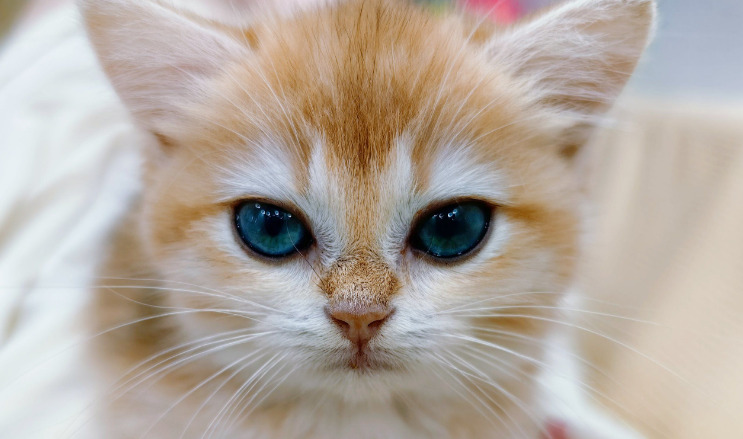
Kittens, particularly those under 12 months of age, are at the highest risk of developing FIP. Several factors contribute to this increased susceptibility:
Immature immune system: Young cats have underdeveloped immune responses, making it easier for the mutated coronavirus to cause systemic illness.
High viral exposure: Kittens in multi-cat environments tend to encounter higher loads of FCoV, increasing the probability of mutation into the pathogenic form.
Vertical transmission: Feline coronavirus can be transmitted from mother to kittens during nursing, establishing early infection.
Stress factors: Weaning, rehoming, or other stressors weaken the immune defenses further, promoting disease progression.
Data from veterinary clinics support the notion that kittens diagnosed with FIP are often between 3 to 16 months old, with a peak incidence around 6 to 12 months.
Adult Cats and FIP: A Lower but Present Risk
Adult cats, especially those over 2 years old, represent a smaller proportion of FIP cases. However, the risk does not disappear entirely. Factors influencing FIP development in adult cats include:
Immune status: Immunosuppressed cats, such as those with FIV or FeLV, are at increased risk.
Environmental stress: Changes such as new household members, relocation, or illness can predispose cats to disease.
Chronic health issues: Conditions that compromise the immune system could facilitate the mutation of the coronavirus or hinder its clearance.
Although less common, FIP in older cats might be associated with a different pathogenesis, often involving secondary immunosuppression rather than primary exposure during early life.
Factors Affecting Susceptibility at Different Ages
Beyond age, other factors influence the likelihood of FIP development in cats:
Viral load: Higher introduction of FCoV increases mutation risk.
Genetic predisposition: Certain breeds may be more susceptible, though data remains inconclusive.
Living conditions: Crowded, stressful environments favor transmission and mutation.
Understanding how these factors interact with age can help clarify the disease risk profile.
Diagnostic Challenges and Age Considerations
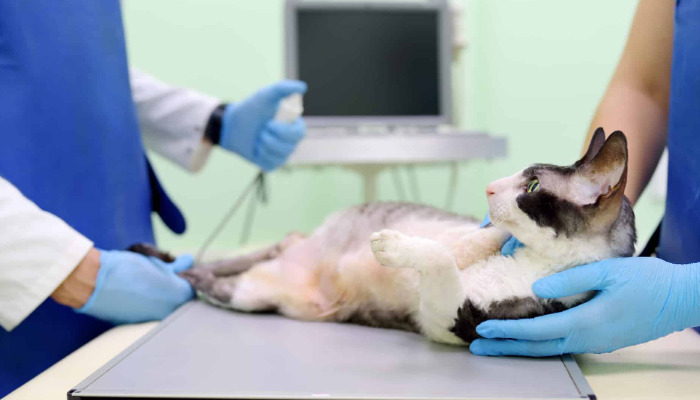
Diagnosing FIP involves clinical signs, laboratory tests, and sometimes invasive procedures. Young cats with FIP often present with more acute or severe symptoms, prompting earlier diagnosis. In contrast, adult cats might present with atypical or mild signs, complicating diagnosis. Recognizing that the disease primarily affects young cats can help veterinarians prioritize differential diagnoses based on age.
Prevention and Management Strategies
Prevention focuses on controlling FCoV exposure, especially in high-risk age groups. Strategies include:
Maintaining low-stress, low-density housing for kittens.
Quarantining new or sick cats to prevent spread.
Regular health monitoring, especially in multi-cat households.
Vaccination debates continue, but current vaccines have limited efficacy and are not universally recommended.
Early detection in juvenile cats can prevent disease progression, though no definitive cure exists once FIP develops.
Conclusion
The age factor plays a significant role in the risk of developing FIP, with the highest susceptibility observed in kittens and juvenile cats under one year of age. These young cats' immature immune systems and higher exposure risk make them particularly vulnerable. Adult cats are less commonly affected, but factors like immunosuppression and environment can elevate risk. Recognizing age-related patterns helps in early diagnosis and implementing preventive measures, ultimately improving outcomes for at-risk feline populations.
References
1. Pedersen, N. C. (2014). An update on feline infectious peritonitis: diagnostics and therapeutics. The Veterinary Journal, 201(2), 123-132.
2. Addie, D. D., & Jarrett, O. (1995). Pathogenesis of feline coronavirus infection. Advances in Veterinary Science and Comparative Medicine, 39, 179-196.
3. Hartmann, K. (2005). Feline infectious peritonitis. Veterinary Clinics of North America: Small Animal Practice, 35(1), 39–92.
4. Teil, R. S., et al. (2017). Epidemiology of feline infectious peritonitis in multi-cat environments. Journal of Feline Medicine and Surgery, 19(7), 722-728.
5. Martí, L., et al. (2018). Age-related prevalence of feline infectious peritonitis: a retrospective study. Veterinary Record, 182(16), 441.