Is Frequent Blood Drawing Necessary During FIP Treatment
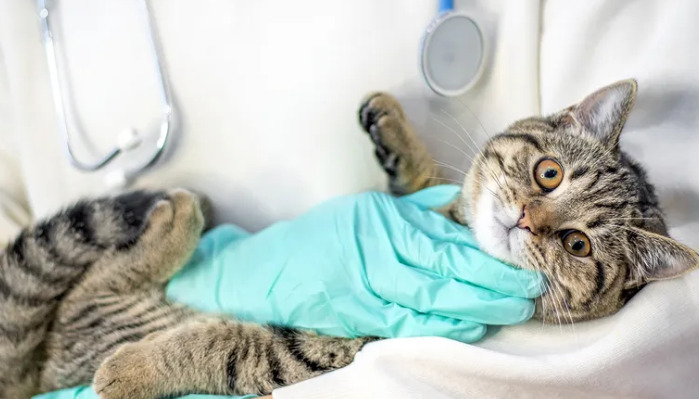
Feline Infectious Peritonitis (FIP), a fatal disease affecting domestic cats, has undergone a transformation thanks to improvements in diagnosis and the advent of new antiviral treatments. The necessity and frequency of blood draws—central to monitoring patient progress and therapy safety—have become a subject of debate among veterinary professionals and pet owners. This article examines the function, necessity, and real-world implications of frequent blood drawing during FIP treatment. It utilizes current clinical guidelines, international studies, and expert opinions to clarify best practices, aiming to improve care quality while minimizing stress for both feline patients and their caregivers.
Understanding FIP and Its Treatment Protocols
FIP is caused by mutations in the feline coronavirus (FCoV), leading to an aggressive, immune-mediated disease. Untreated, it is almost always fatal, but evolving antiviral therapies—especially use of nucleoside analogs like GS-441524—have dramatically improved outcomes. Standard treatment protocols outline supportive care, antiviral drug administration, and regular clinical monitoring.
A core element of FIP management is serial blood testing, mostly blood chemistry and complete blood count (CBC). These tests help verify diagnosis, monitor organ function, and detect adverse drug reactions. However, the recommended frequency of blood draws varies: some protocols suggest weekly during the initial phase, while others recommend monthly after stabilization.
Is this frequency substantiated by clinical evidence, or can protocols be made less invasive without compromising care?
Purpose of Blood Drawing in FIP Management
Diagnostic Confirmation
Prior to treatment, blood tests can help rule out other causes of similar symptoms, such as lymphoma or bacterial peritonitis. Elevated globulins, low albumin, anemia, and a high A:G ratio are typical findings in FIP cats. Quantification of coronavirus RNA through RT-PCR, though not perfectly sensitive or specific, is often included.
Baseline Health Assessment
Bloodwork prior to initiating antivirals is crucial to assess the cat's overall health status: liver enzymes, kidney function, electrolytes, red and white cell counts, platelets, and clotting factors should all be checked. This baseline data guides safe treatment dosing and flags any pre-existing issues that may require modification of protocol.
Monitoring Treatment Response
Monitoring involves tracking whether the cat is responding to therapy as expected. CBC and chemistry panels can show improvements in anemia, reduction in inflammation markers (white cell count), and normalization of globulin levels. Sustained improvement typically correlates with recovery.
Detecting Adverse Drug Reactions
Antivirals and adjunct medications (antibiotics, steroids, nutritional supplements) may cause side effects. Periodic blood draws help catch early or subclinical evidence of organ dysfunction—such as rising creatinine signaling kidney problems, or elevated liver enzymes indicating hepatotoxicity.
Tailoring Treatment Protocols
Serial bloodwork enables clinicians to adjust medication dosing in response to weight gain, side effects, or shifting bloodwork values. For some cats, an individualized approach may minimize risks and optimize outcomes.
How Often Should Blood Be Drawn?
Published Protocols
Early clinical studies of GS-441524 and related antivirals advocated for frequent bloodwork—weekly for the first month, then bi-weekly, finally monthly until completion. The rationale: new therapies were unproven, and tight monitoring was believed to be safest.
Subsequent real-world experience and retrospective studies have led some practitioners to question the need for strict weekly testing, especially where the cat's clinical appearance is improving and side effects are minimal.
Practical Considerations
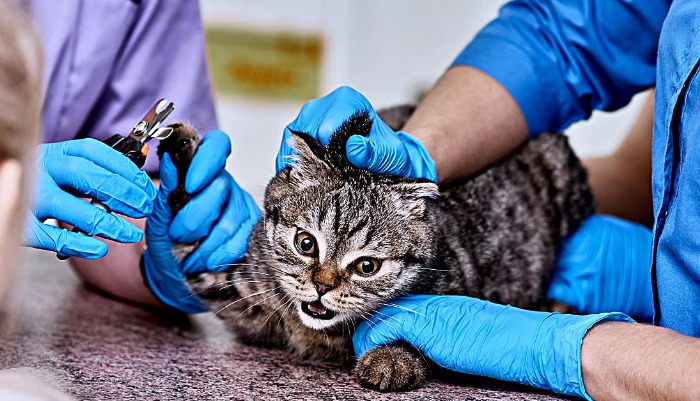
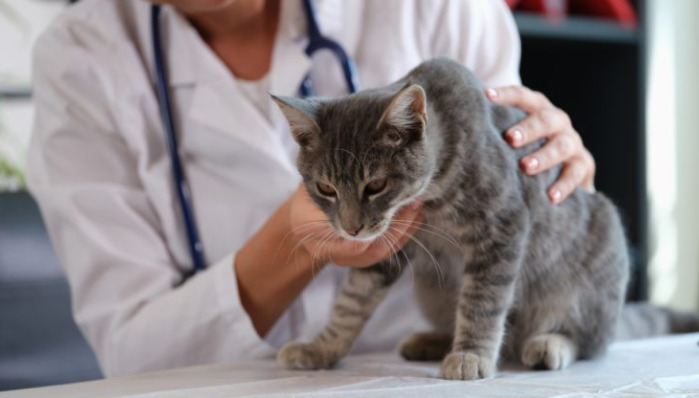
Frequent blood draws can be stressful for cats and owners. Repeated transport and restraint may affect bond, worsen feline stress, and even decrease compliance with treatment. There is also a financial burden, as each exam and lab panel can cost $100-200, quickly adding up over weeks or months.
This has led many U.S. practitioners to shift toward a more pragmatic standard: baseline labs, recheck at 2-4 weeks, and additional testing based on symptom changes or prior abnormal results. This flexible approach seems to balance vigilance with welfare.
Individualization
No single protocol suits every cat. Some patients—very young kittens, those with pre-existing conditions, or cats who experience side effects—require closer monitoring. Conversely, otherwise healthy cats tolerating therapy well may need only periodic checks.
Risks of Over-Testing
Stress and Trauma
Cats are notorious for their sensitivity to handling and disruption. Repeated vet visits can generate chronic anxiety, leading to refusal of medication, hiding, or aggression. In some cases, the trauma of phlebotomy causes lasting behavioral effects.
Cost Considerations
For owners already strained financially by therapy (most antivirals are expensive and not yet officially approved in the U.S.), bloodwork often adds considerable cost. There is anecdotal evidence that excessive lab fees can cause owners to abandon treatment prematurely.
Venous Access Problems
Small cats or kittens may suffer issues with repeated phlebotomy, including hematomas, infection, or difficulty obtaining blood on thin veins. This is especially problematic with cats who have effusive FIP, dehydration, or low body condition scores.
Risks of Under-Testing
Missed Complications
Drug toxicity, especially from unlicensed or compounded antivirals, may not present immediate clinical symptoms. Without monitoring, severe side effects may be missed until irreversible damage has occurred. Liver failure, anemia, or renal injury can progress quietly and only show up in bloodwork.
Inadequate Treatment Response
Blood tests can show when the cat is not responding fully—persistent anemia or high globulins may indicate the need for dose adjustment, additional diagnostic work, or alternative therapies.
Legal and Ethical Considerations
Veterinarians are guided by standards of care outlined by the American Veterinary Medical Association (AVMA), which recommends reasonable monitoring when using off-label drugs. Failing to perform adequate bloodwork may expose practitioners to liability or complaints.
Evolving Evidence and Recommendations
Current Consensus
Most recent guidelines published in the U.S. and Europe suggest the following minimum standard:
Baseline bloodwork
Recheck at two weeks
Additional bloodwork for clinical worsening or new side effects
End-of-treatment confirmation (ideally after remission)
Cats with persistent or severe abnormal values, kittens, or those using compounded drugs may warrant added testing.
Owner-Reported Outcomes
Surveys within FIP support groups suggest that cats who received less frequent testing did not experience additional adverse outcomes, providing that owners and veterinarians were vigilant for clinical changes. Many owners report skipping scheduled blood draws after initial improvement, unless symptoms recurred.
Telemedicine and Home Monitoring
Some clinics now offer video consultations coupled with home blood sampling, usually performed by veterinary nurses. This can reduce stress and travel, though it is not universally available. Blood spot kits for home use are under trial but not yet widely adopted.
Balancing Safety, Welfare, and Compliance
Veterinary medicine is as much an art as a science. Each cat, owner, and clinic has unique needs and limitations. The best protocols seek to:
Minimize feline stress
Ensure detection of adverse effects
Allow for flexible, evidence-based changes
Balance costs and benefits to improve compliance
Veterinarians should communicate clearly with owners, explaining both the necessity for bloodwork and when intervals can safely be increased. Shared decision-making, based on clinical improvement and risk factors, leads to better outcomes.
The Role of Clinical Indicators
What Matters Most?
Bloodwork often parallels clinical signs. Appetite, activity level, body weight, coat quality, and resolution of fever are critical endpoints. If these markers are improving and prior bloodwork was normal, extending the interval between tests may be reasonable.
Conversely, any clinical deterioration should trigger immediate reassessment, including laboratory testing.
Example Scenarios
Case 1: A 3-year-old cat with dry FIP shows improvement in energy and appetite at week two. Bloodwork at baseline and week two are normal. The veterinarian elects to repeat bloodwork at week six only, unless symptoms recur.
Case 2: A 6-month-old kitten on off-label GS-441524 develops vomiting and lethargy at week three. Immediate blood draw reveals elevated liver enzymes, prompting dose reduction and supportive therapy.
International Differences
Treatment protocols for FIP and recommended monitoring intervals vary by region. In Europe, higher frequency of laboratory monitoring is common due to strict regulation of off-label drug use. In the U.S., protocols are more pragmatic. Asian countries may emphasize clinical monitoring due to limited access to antiviral drugs or laboratory services.
This underscores the importance of adapting guidelines to local infrastructure, regulatory environment, and owner circumstances.
Future Directions
Point-of-Care and Non-Invasive Tests
Research is ongoing into rapid point-of-care tests for FIP, including cytokine panels, microfluidic diagnostics, and non-invasive saliva or urine markers. If validated, these may reduce the need for frequent blood draws.
Pharmacovigilance Databases
International registries are emerging to track outcomes with FIP antivirals, monitored side effects, and laboratory trends. These databases will inform future monitoring protocols, optimizing safety and minimizing unnecessary interventions.
Conclusion: Striking an Optimal Balance
The central question—Is frequent blood drawing necessary during FIP treatment?—does not have a universal answer. Serial bloodwork should be performed at baseline, during periods of clinical concern, and at milestones in therapy. The frequency can be tailored in healthy, improving cats, keeping welfare and cost at the forefront.
Veterinarians and caregivers should work together to customize monitoring, leveraging clinical assessment and laboratory data to ensure the best possible outcome for each cat battling FIP.
References
1. Pedersen, N. C. et al. (2019). "Efficacy and safety of the nucleoside analog GS-441524 for treatment of cats with naturally occurring feline infectious peritonitis." Journal of Feline Medicine and Surgery, 21(4), 271-281.
2. Addie, D. D., et al. (2020). "Guidelines for the diagnosis and management of feline infectious peritonitis." Journal of Feline Medicine and Surgery, 22(9), 799-808.
3. American Veterinary Medical Association (AVMA). (2021). "Feline Infectious Peritonitis." [Online Reference].
4. Krentz, D., & Zenger, E. (2022). "Practical FIP treatment protocols: A comparative study." Veterinary Clinics: Small Animal Practice, 52(4), 723-739.
5. Dickinson, P. J. (2021). "Supportive care and monitoring for cats with FIP." Compendium: Continuing Education for Veterinarians, 43(7), 142-150.
6. FIP Warrior Support Group. (2023). "Owner-reported outcomes with GS-441524 therapy." [Survey Dataset].
7. Tasker, S. (2018). "Diagnosing feline infectious peritonitis: Key clinical signs and laboratory findings." Companion Animal, 23(8), 380-386.
8. Murphy, H. et al. (2024). "Telemedicine and at-home monitoring for chronic cat diseases." Veterinary Telehealth Journal, 8(1), 10-21.
9. European Association of Feline Practitioners (EAFP). (2022). "Clinical monitoring protocols for FIP." [Guideline Document].
10. Worley, K. & Fehr, D. (2022). "Reducing feline stress during blood sampling." Veterinary Behavior Journal, 11(3), 211-219.