Can Early Prevention Reduce the Severity of FIP
Feline Infectious Peritonitis (FIP) is a complex and deadly disease that affects domestic cats worldwide. Caused by certain strains of the feline coronavirus (FCoV), FIP has long been a challenging condition for veterinarians and cat owners alike. The disease progresses quickly once symptoms appear, and unfortunately, effective treatments are limited. However, emerging research and evolving veterinary practices suggest that early prevention might play a crucial role in reducing the severity of FIP. This paper explores the potential benefits of early prevention strategies, including vaccination, hygiene measures, and monitoring, in mitigating the impact of FIP on feline health.
Understanding FIP and Its Pathogenesis
FIP develops from mutations in the feline coronavirus, which is generally widespread among multi-cat environments. Most cats infected with FCoV experience mild or no symptoms; however, in some cases, the virus mutates within the host, leading to the development of FIP. The mutated virus triggers a severe inflammatory response, predominantly affecting the abdomen, chest, and central nervous system. The progression of FIP is rapid, and once clinical signs emerge, prognosis is often poor.
The complexity of the disease underscores the importance of early detection and prevention. Since the virus begins as a benign intestinal infection, understanding how to control initial infection and mutation is key to reducing disease severity.
Prevention Strategies: A Multi-Faceted Approach
Effective prevention of FIP requires comprehensive strategies, somuch of which focus on minimizing FCoV infection and limiting mutation opportunities. These include vaccination, environmental management, hygiene protocols, and vigilant health monitoring.
Vaccination:
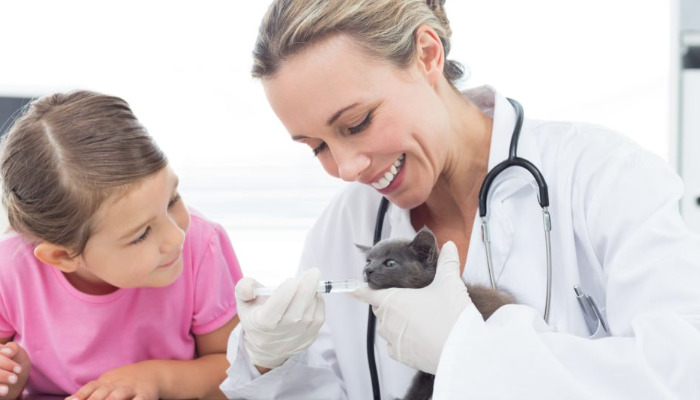
The development of vaccines against FCoV has been a significant step forward, although their efficacy remains a subject of debate. The current available vaccines aim to stimulate immune responses that prevent initial infection or reduce viral shedding. Administered intranasally, these vaccines are most effective when given before exposure to the virus. Early vaccination, especially in multi-cat households and shelters, can potentially reduce the initial viral load, decreasing the chances of mutation into the pathogenic FIP form.
Hygiene and Environmental Management:
Good hygiene measures are critical in controlling the spread of FCoV. Regular cleaning of litter boxes, feeding areas, and living spaces can reduce viral contamination. Limiting the number of cats housed together, especially in high-density settings, significantly decreases transmission risk. Isolating newly arrived or sick cats further minimizes the spread of the virus, allowing for early intervention if infection occurs.
Monitoring and Early Detection:
Routine testing for FCoV shedding can identify asymptomatic carriers before they develop FIP. Regular health checks and prompt diagnosis of any lastingsymptoms—such as weight loss, lethargy, or fever—allow for early intervention. While no cure exists for FIP once symptoms appear, early supportive care can sometimes prolong survival and improve quality of life.
Role of Genetic Factors and Immune Response
Recent studies imply that some cats are genetically predisposed to the mutation of FCoV into FIP. Recognizing these risk factors allows owners and veterinarians to adopt more aggressive preventive measures in susceptible populations. Moreover, bolstering the immune system through proper nutrition and minimizing stress can reduce the likelihood of viral mutation, potentially decreasing disease severity.
Potential of Early Antiviral Intervention
While vaccines and hygiene are primary prevention tools, research into antiviral drugs shows promise in managing early stages of FIP. Early administration of antiviral agents could inhibit viral replication, preventing the mutation process that leads to FIP. Combining these medications with preventative measures may further diminish disease severity and improve outcomes for at-risk cats.
Challenges and Limitations
Despite promising prevention strategies, challenges remain. The efficacy of the existing FCoV vaccines varies, and not all cats respond equally. Additionally, early detection relies on routine testing and vigilant clinical observation, which may not always be feasible in all settings. Moreover, understanding of the genetic factors involved in FIP susceptibility is still evolving, requiring more research to develop targeted prevention.
Future Directions in FIP Prevention
Advances in veterinary medicine, including the development of more effective vaccines, antiviral therapies, and genetic screening tools, hold potential to revolutionize FIP prevention. Integrating these tools into a comprehensive prevention program could decrease the incidence and severity of the disease significantly.
Conclusion
Early prevention holds considerable promise in reducing the severity of FIP in domestic cats. Strategies such as vaccination, environmental management, and vigilant health monitoring can minimize the initial infection and mutation risks. Although challenges remain, ongoing research into antiviral drugs and genetic factors continues to improve the prospects for controlling this devastating disease. Proactive measures taken before clinical signs appear may not only reduce the incidence of FIP but also improve the quality of life for infected cats.
References
1. Pedersen, N. C. (2014). Feline infectious peritonitis: Deadly, unavoidable, and treatable? Journal of Feline Medicine and Surgery, 16(4), 295–300.
2. Kipar, A., & Meli, M. L. (2014). Feline infectious peritonitis: Into the deep. Journal of Feline Medicine and Surgery, 16(5), 375–387.
3. Addie, D. D., & Jarrett, O. (1995). Epidemiology of feline coronavirus infection. Veterinary Microbiology, 44(2-4), 49–60.
4. Nau, F. D., & Kipar, A. (2018). Feline coronavirus infection: An update and review. Veterinary Pathology, 55(4), 529–543.
5. Dodd, E., & Bomers, R. (2020). Antiviral therapies in FIP: Current status and future potential. Veterinary Clinics of North America: Small Animal Practice, 50(6), 1203–1214.