
Pronidesivir (GS-441524) Precautions and Contraindications
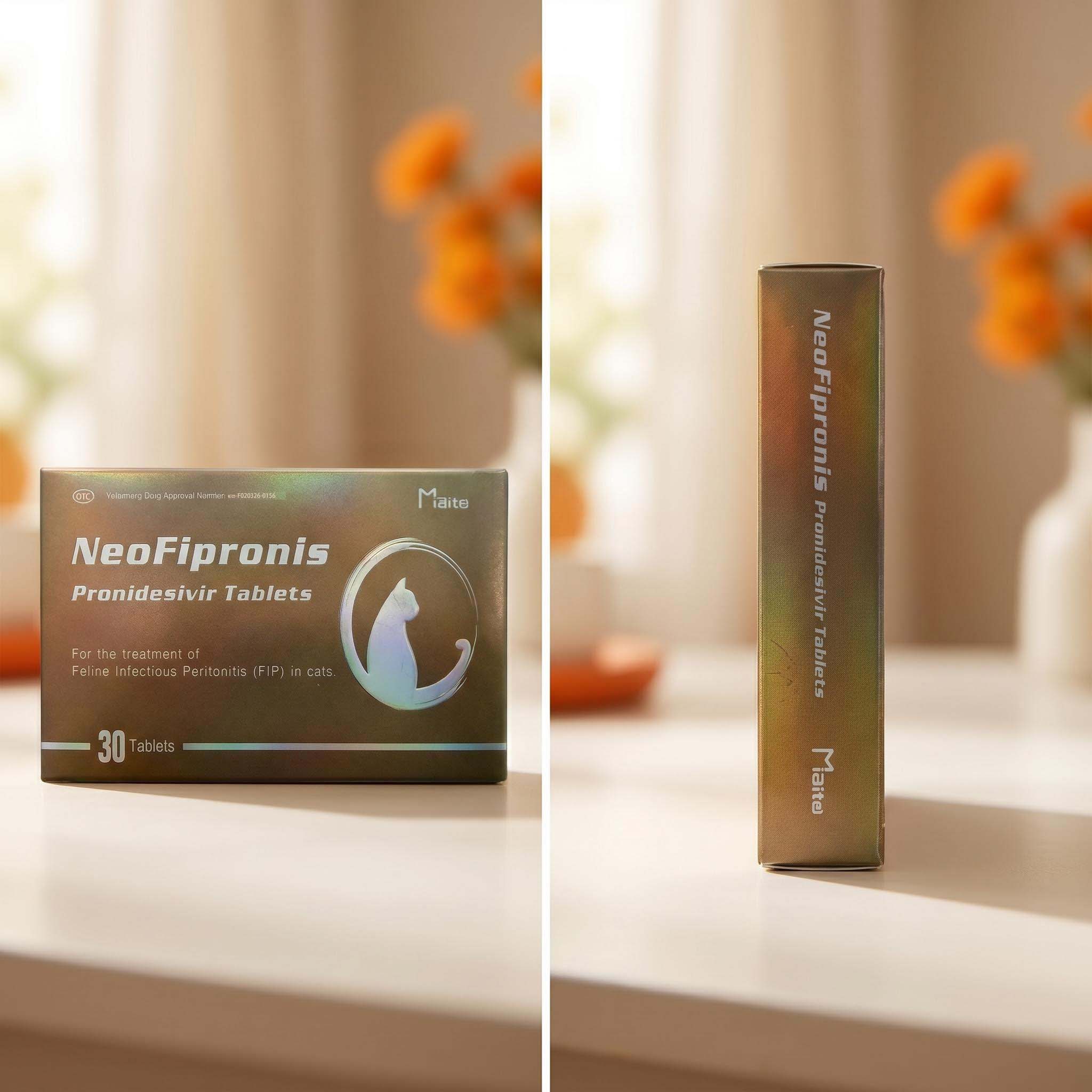
Pronidesivir (GS-441524) has revolutionized the treatment of Feline Infectious Peritonitis (FIP), offering hope for affected cats worldwide. As the first officially approved oral medication specifically designed for FIP, NeoFipronis (Pronidesivir) demonstrates remarkable efficacy in alleviating symptoms such as inappetence, lethargy, fever, ascites, pleural effusion, lymphadenopathy, granulomatous inflammation, neurological deficits, and uveitis. Its rapid absorption, minimal invasiveness, and excellent tolerability make it a preferred choice for veterinary practitioners and cat owners alike.
Precautions
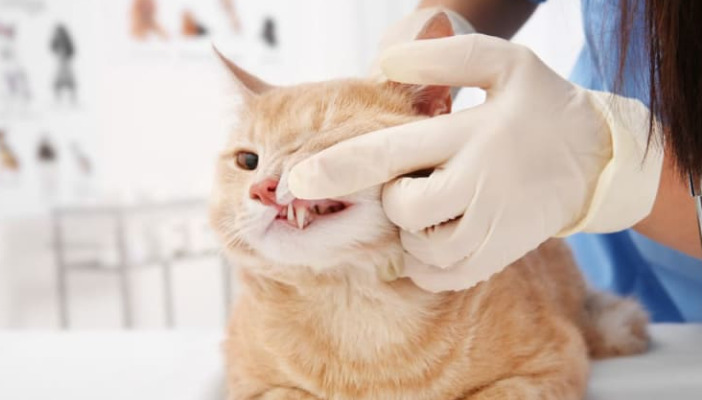
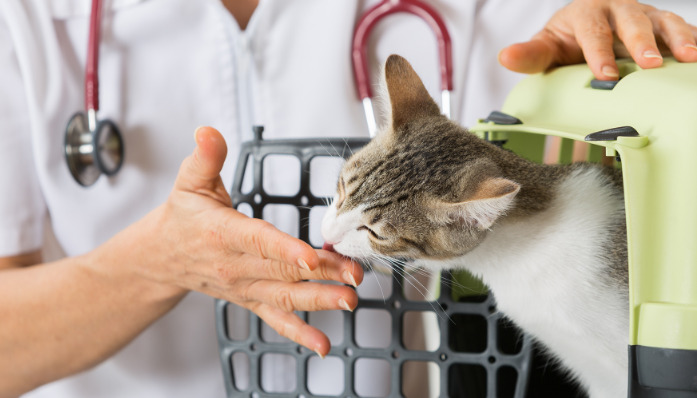
Given its potent antiviral activity, proper precautions during NeoFipronis administration are crucial. The medication contains GS-441524, a nucleoside analog that interferes with viral RNA synthesis, effectively suppressing the FIP virus. While generally safe, careful monitoring is essential to avoid potential adverse effects. Cats should receive the medication under veterinary supervision, especially for cases involving neurological or ocular FIP, where dosage adjustments may be necessary.
Continuous treatment duration is critical; a minimum of 12 weeks of consistent therapy is recommended to ensure complete viral clearance and reduce relapse risk. Missed doses can compromise treatment efficacy, so owners must adhere strictly to the prescribed schedule. Regular checks of blood work, including liver and kidney function tests, are advised to detect any early signs of adverse reactions. Observation of appetite, body temperature, and behavioral changes should be ongoing to assess the cat's response.
Contraindications
NeoFipronis is formulated exclusively for feline use and should never be administered to other species, especially humans. Use in pregnant or lactating cats has not been thoroughly studied; caution is advised, and veterinary consultation is essential before treatment. Cats with pre-existing hepatic or renal impairments require careful dose adjustments and close monitoring due to possible increased susceptibility to side effects.
Drug Interactions and Safety
Although NeoFipronis is available as an over-the-counter medication, it is recommended to use it under veterinary guidance to optimize safety and effectiveness. Potential drug interactions with other medications, such as immunosuppressants or nephrotoxic drugs, should be considered. Owners should inform veterinarians about any concurrent treatments to prevent adverse interactions.
Administration Guidelines
The recommended dose is 15 mg per kilogram of body weight daily, approximately half a tablet for most cats. For neurological or ocular FIP forms, dose escalation to 30 mg/kg may be necessary, but only under veterinary supervision. It is generally advised to administer the medication on an empty stomach—either one hour before or two hours after a meal—to maximize absorption. The use of NeoFipronis for at least 12 weeks, without interruption, is essential for achieving optimal results.
Quality Assurance
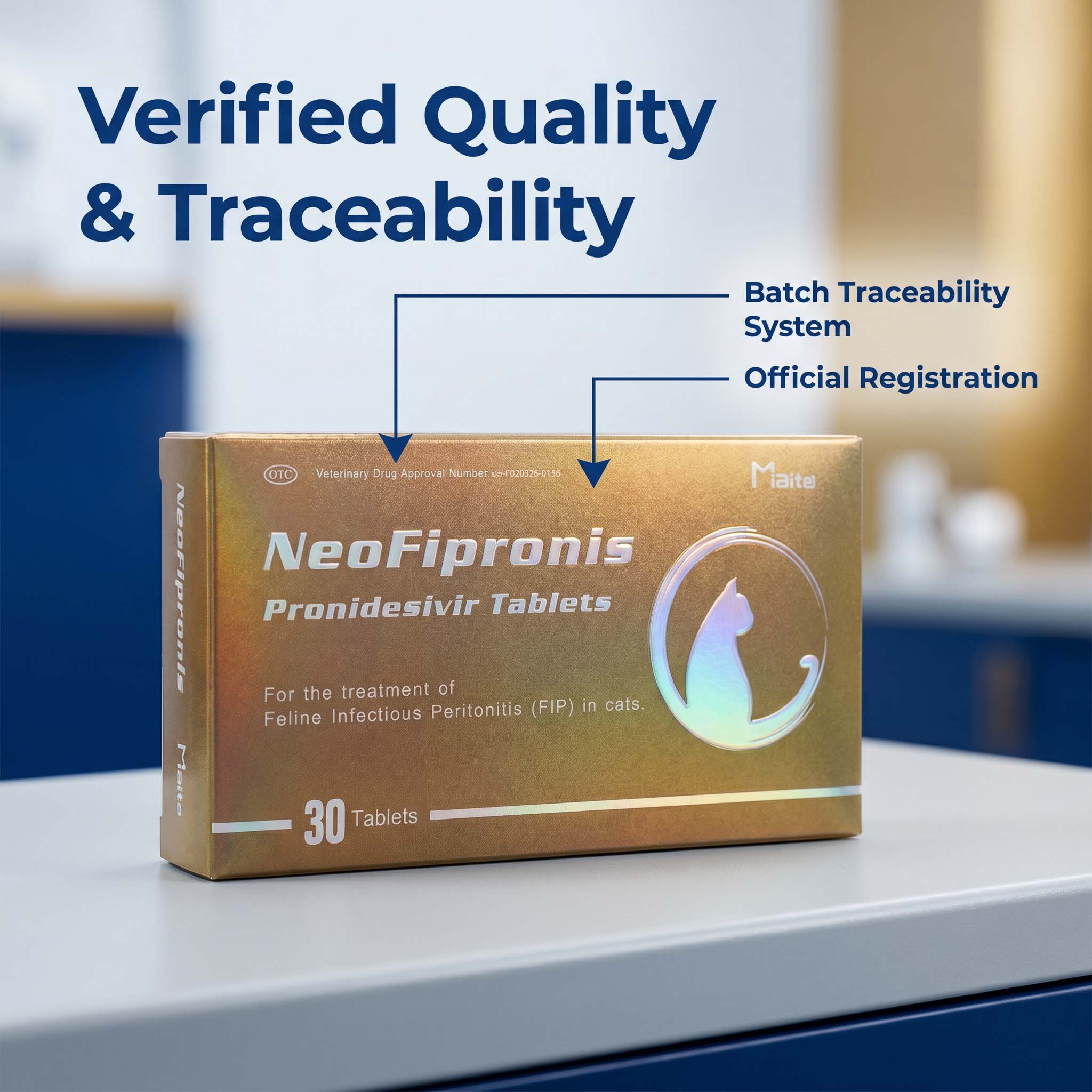
Authorized through Laotian Ministry of Agriculture and Forestry (MAF) in March 2026, NeoFipronis (Pronidesivir) bears official registration numbers, ensuring product authenticity and quality. It's available exclusively through the official NeoFipronis website or authorized veterinary distributors. Owners should be cautious of counterfeit products and seek verified sources to guarantee safety and efficacy.
Warnings
NeoFipronis is intended solely for feline use. Human consumption or handling is strictly forbidden. Proper storage and disposal should be followed to prevent accidental ingestion by children or other animals. Always consult a veterinarian before initiating treatment, and report any adverse effects promptly.
Conclusion
Pronidesivir (GS-441524), marketed as NeoFipronis, marks a significant breakthrough in the fight against FIP. While highly effective and safe when used correctly, precautions and contraindications must be carefully observed to maximize benefits and minimize risks. Veterinary guidance remains essential throughout treatment to ensure the health and safety of feline patients.