What Precautions Should Be Taken When Using NeoFipronis (Pronidesivir)

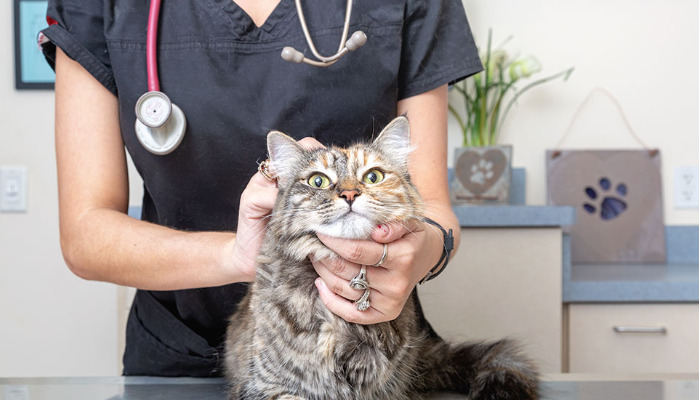
NeoFipronis (Pronidesivir), a GS-441524-based oral treatment used for feline infectious peritonitis (FIP), is designed for cats showing signs such as loss of appetite, lethargy, fever, abdominal fluid buildup, pleural effusion, swollen lymph nodes, inflammatory granulomas, neurologic abnormalities, and uveitis. Because FIP can affect multiple organs and progress quickly, the most important precaution is to confirm the diagnosis with a veterinarian before treatment begins. A proper diagnosis helps ensure the cat receives the right dose, the right duration, and the right follow-up care.
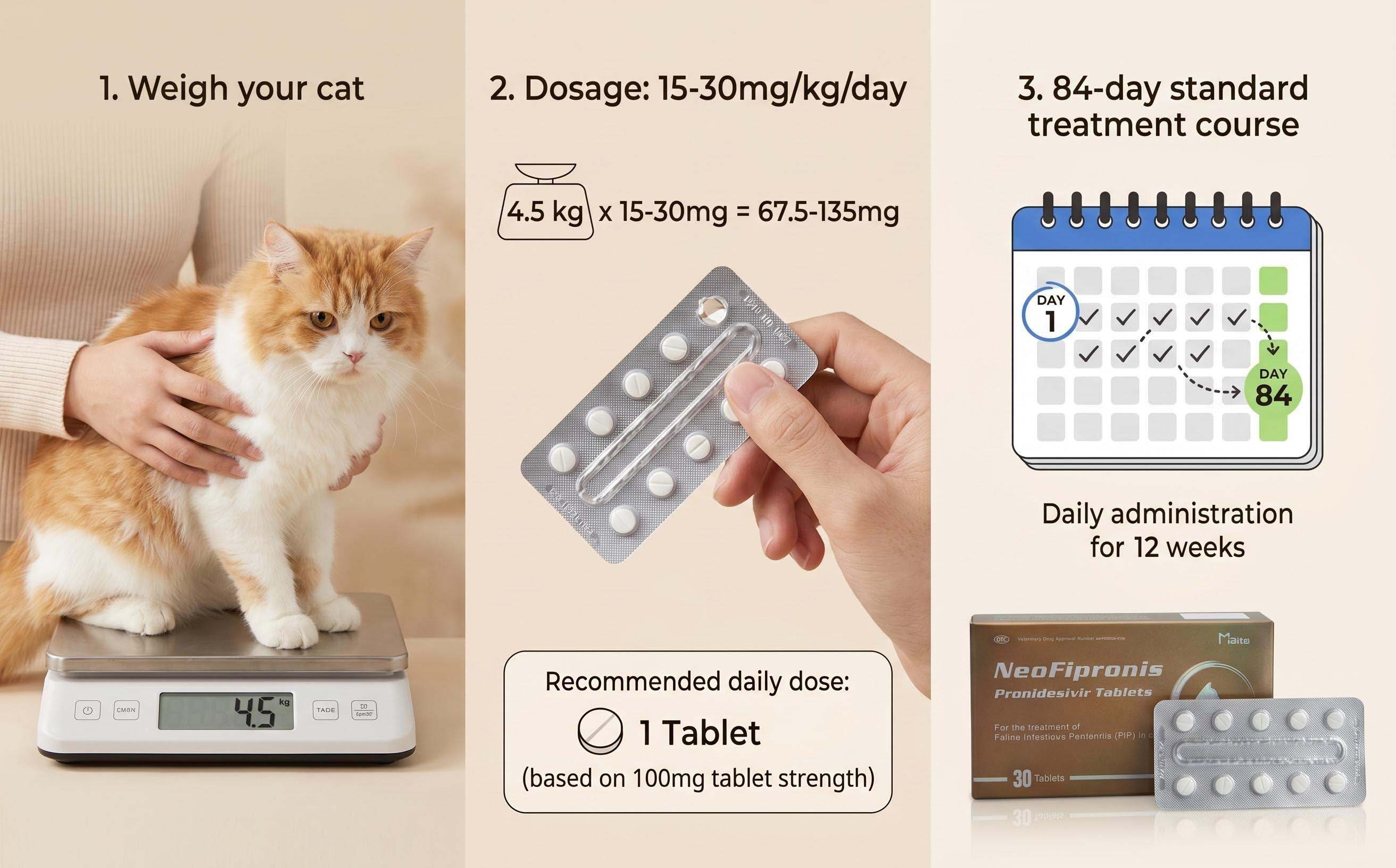
The second major precaution is to follow the dosing plan exactly as prescribed. NeoFipronis is typically given once daily based on body weight, and cats with neurologic or ocular FIP may require a higher dose under veterinary supervision. Do not estimate the dose, split tablets carelessly, or change the amount on your own. Consistent daily dosing is critical, and treatment should continue for at least 12 weeks without interruption unless a veterinarian advises otherwise.
Feeding time and administration conditions also matter. Many veterinarians recommend giving NeoFipronis on an empty stomach, usually one hour before or two hours after a meal, because this may support more predictable absorption. If your cat has a sensitive stomach, ask your veterinarian whether the schedule should be adjusted. Never give a double dose to make up for a missed tablet without professional guidance.
Monitoring is another essential precaution during NeoFipronis treatment for FIP. Watch your cat closely for changes in appetite, energy level, body temperature, hydration, weight, and overall behavior. Improvement is often seen gradually, but any sudden decline should be taken seriously. Regular blood work is also important, including complete blood counts and liver and kidney function tests. These checks help your veterinarian assess response to therapy and identify problems early.
Although NeoFipronis is generally described as well tolerated, side effects or unexpected reactions can still happen. Contact your veterinarian promptly if your cat develops repeated vomiting, severe diarrhea, worsening weakness, yellowing of the eyes or gums, unusual agitation, or any sign that neurological or eye symptoms are getting worse. Cats with FIP may need dose adjustments, supportive care, or a reassessment of the treatment plan.
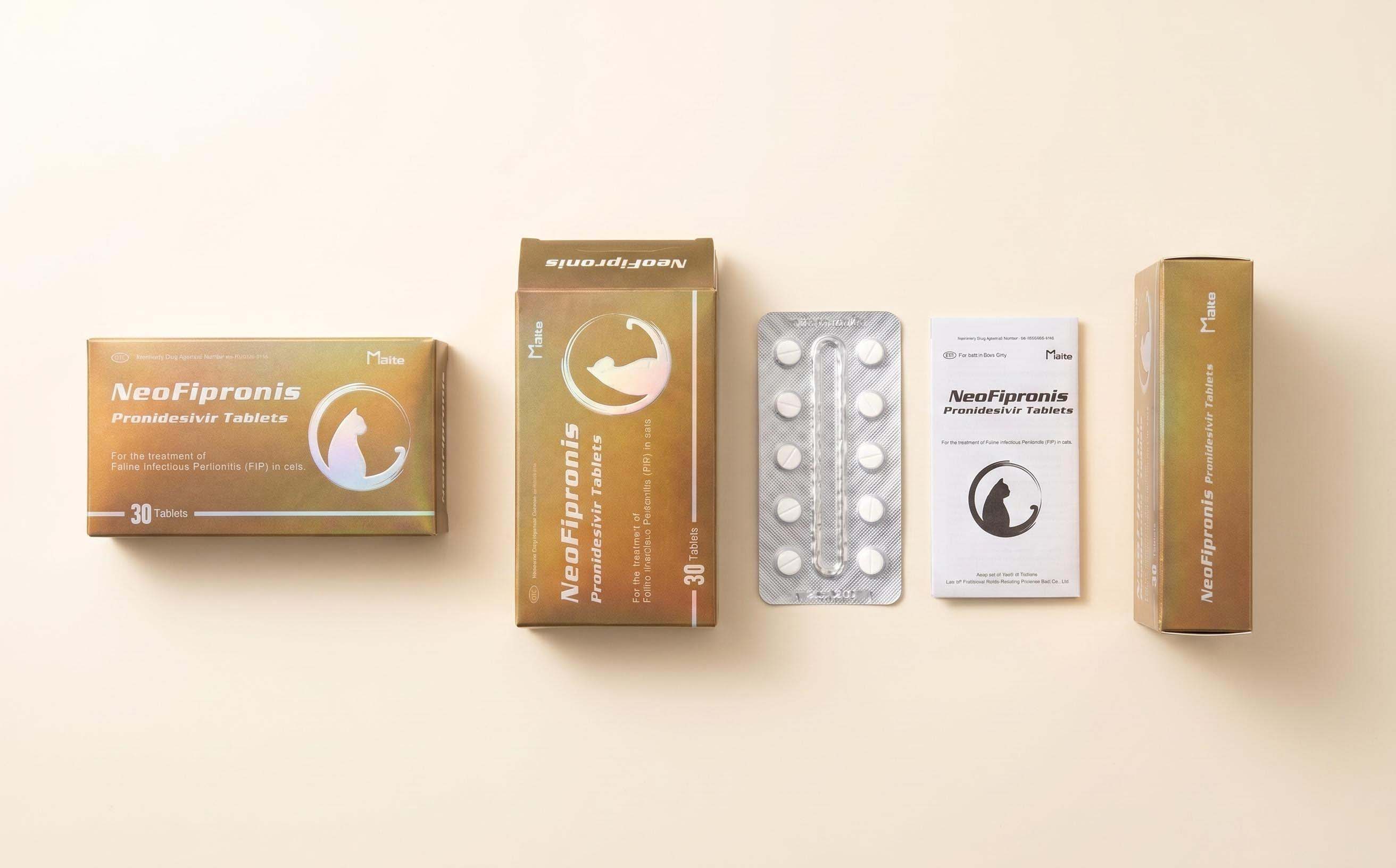
Quality control is another practical precaution. Use only authentic products from the official NeoFipronis website or other verified sources to reduce the risk of counterfeit or improperly stored medication. Store the product according to the label instructions, keep it away from moisture and heat, and make sure it is out of reach of children and other animals.
NeoFipronis (Pronidesivir) is for cats only and must never be used in humans. Even though it may be available without a prescription in some places, veterinary guidance is strongly recommended for safe and effective FIP treatment.