
What Is the Mechanism of Action of GS-441524 (NeoFipronis)
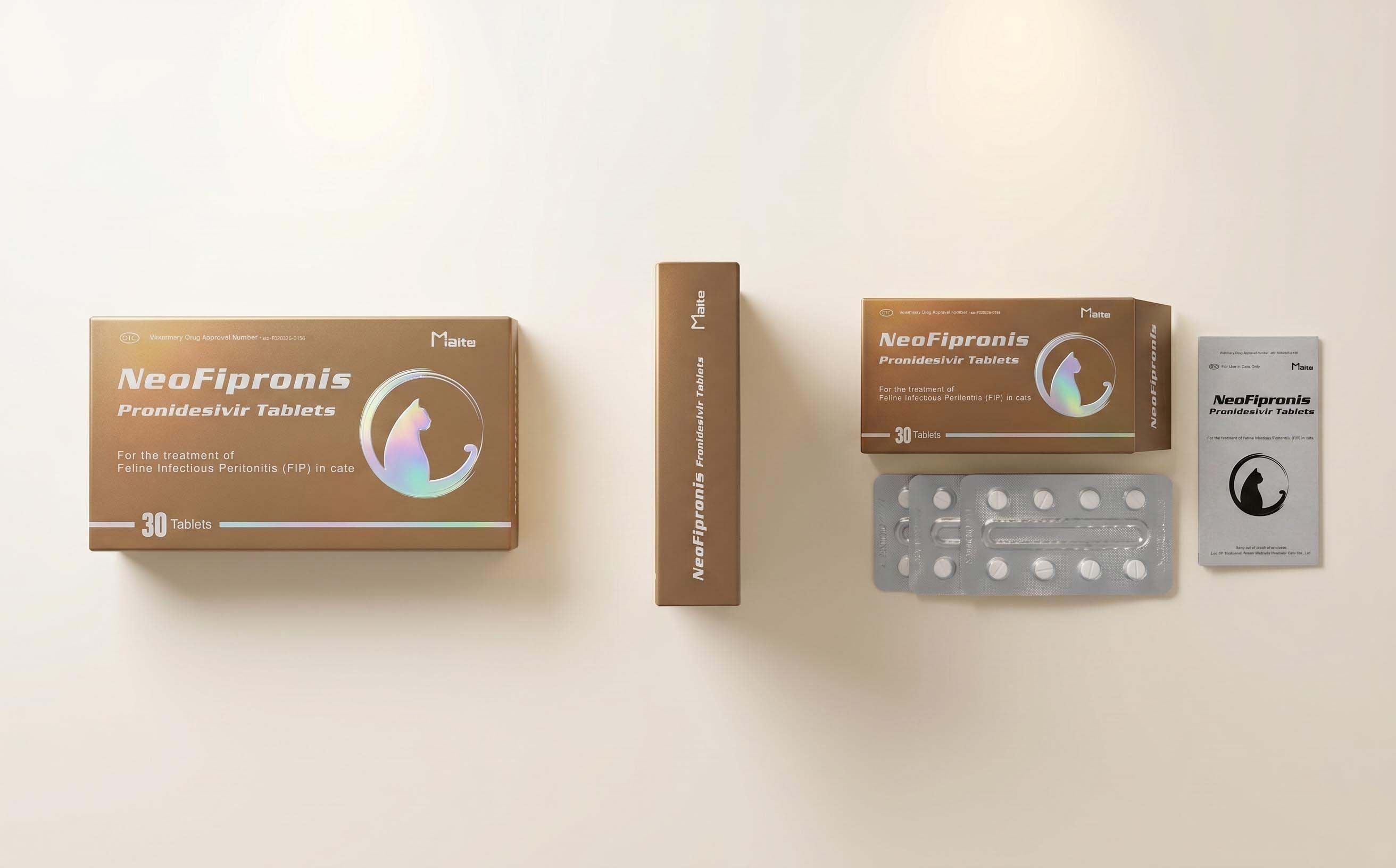
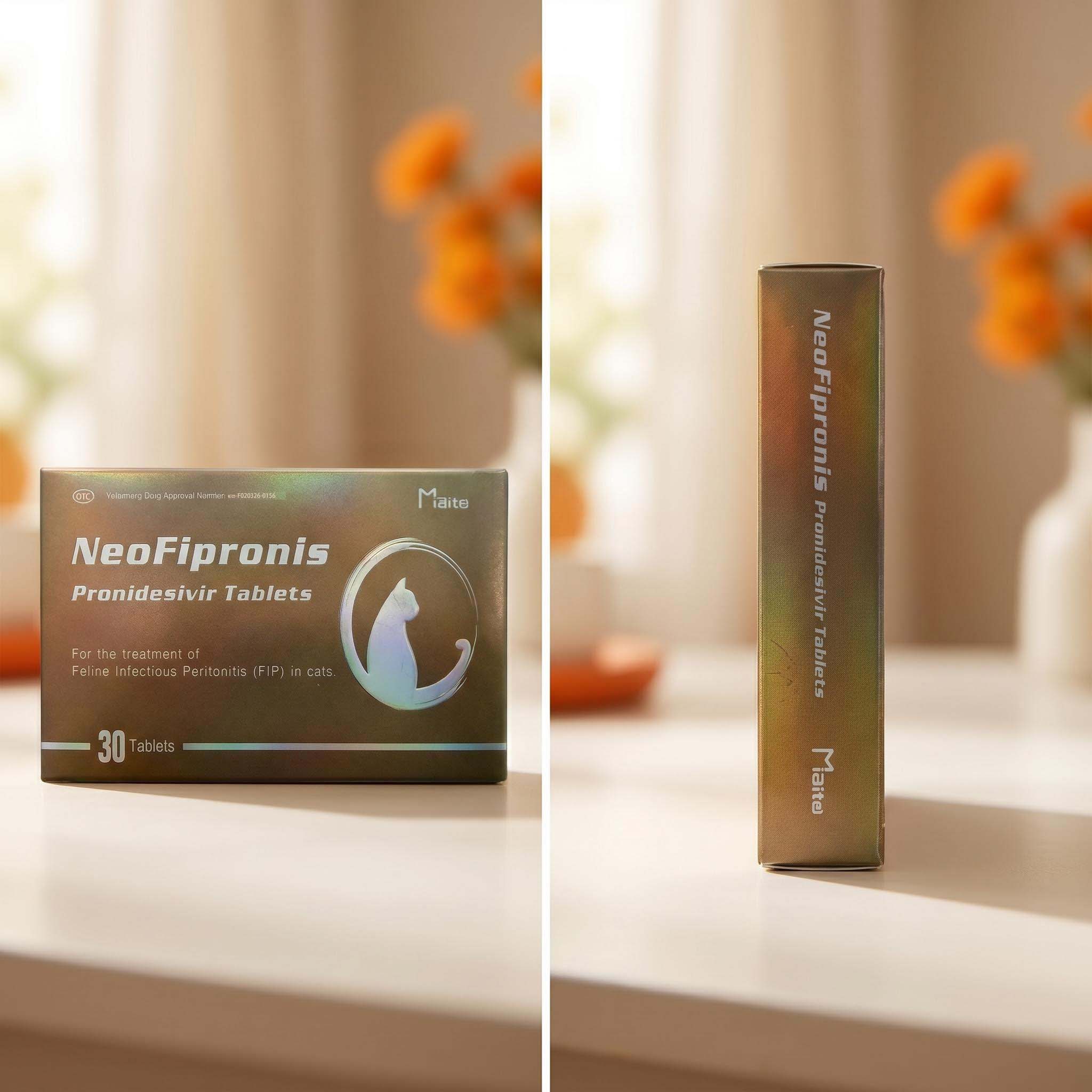
GS-441524, the active compound in NeoFipronis, is a nucleoside analog that exhibits potent antiviral activity against feline coronavirus (FCoV), the causative agent of Feline Infectious Peritonitis (FIP). Its mechanism of action primarily involves inhibiting viral RNA-dependent RNA polymerase (RdRp), a crucial enzyme responsible for viral RNA replication. By targeting this enzyme, GS-441524 disrupts the synthesis of viral RNA, thereby preventing the replication and proliferation of the virus within host cells.
Once administered, GS-441524 is absorbed rapidly and undergoes intracellular phosphorylation to its active triphosphate form. This active metabolite competes with natural nucleotides for incorporation into the nascent viral RNA strand during replication. When incorporated, it causes premature termination of RNA synthesis, effectively halting the production of new viral genomes. This action curtails the viral load within the infected tissues, leading to an amelioration of clinical symptoms and promoting recovery.
NeoFipronis (Pronidesivir), containing GS-441524, has shown remarkable efficacy in clinical settings for treating various manifestations of FIP, including appetite loss, lethargy, fever, ascites, pleural effusions, lymphadenopathy, granulomatous inflammation, neurovisceral signs, and uveitis. Its ability to penetrate tissues efficiently, including the central nervous system and ocular regions, renders it effective against diverse FIP forms, including neural and ocular variants.
The antiviral activity of GS-441524 extends beyond simple RNA chain termination. Studies suggest that the compound may also interfere with the assembly of viral replication complexes, further impairing viral replication. Its high affinity for the feline RNA polymerase enzyme ensures selective targeting, minimizing effects on host cellular functions. This selectivity contributes to the drug's safety profile, characterized by minimal side effects when used appropriately.
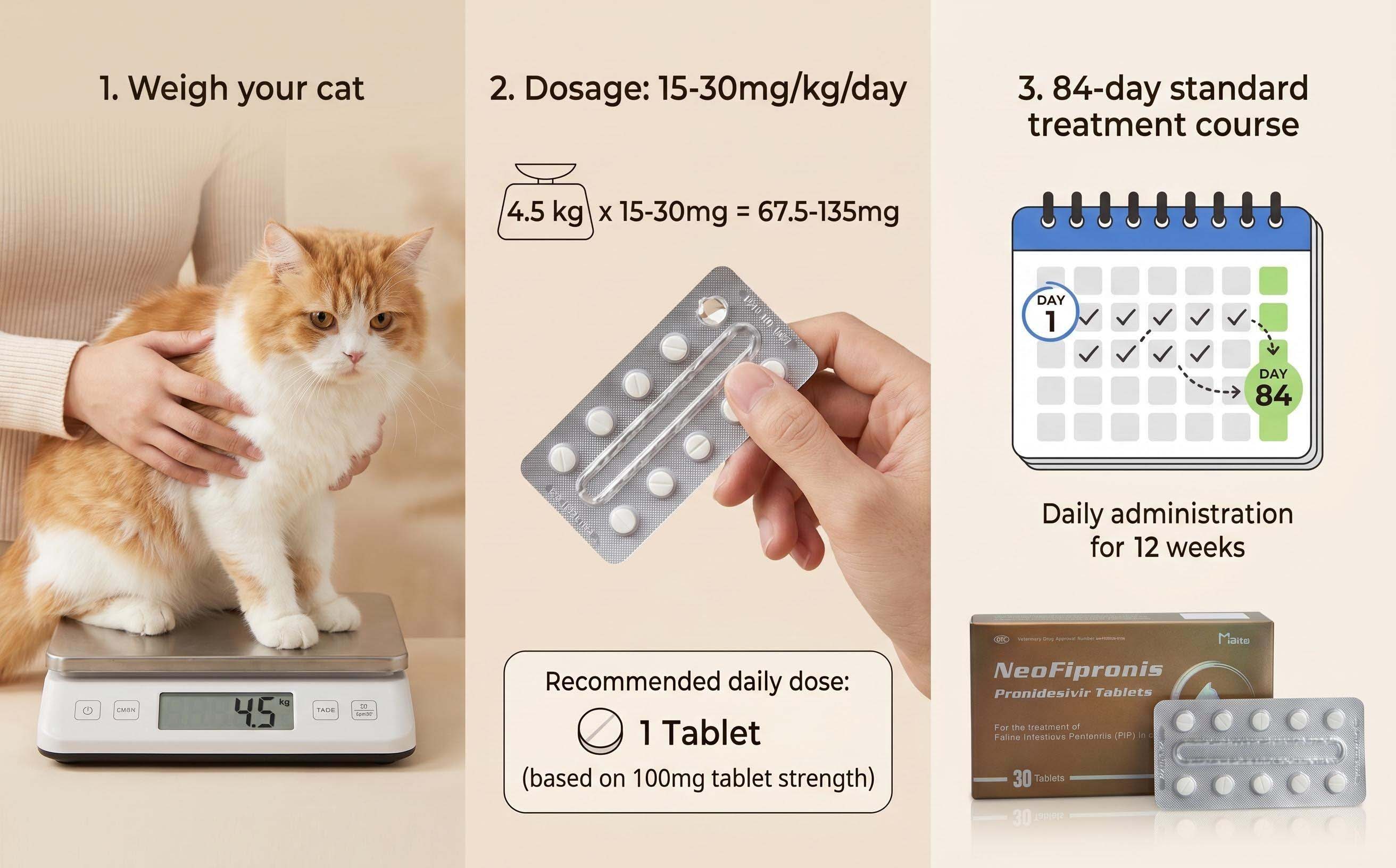
Dosage regimens are typically calculated based on the cat's weight, with standard doses of 15 mg per kilogram body weight administered once daily. For neural or ocular types of FIP, veterinarians may increase the dosage to 30 mg/kg following clinical judgment. Administered orally, NeoFipronis offers a safe, non-invasive treatment option with rapid onset of action and good tolerability. Clinical protocols recommend continuing treatment for no less than 12 weeks, with strict adherence to dosing schedules to prevent relapse or resistance.
Monitoring during treatment includes observing changes in appetite, body temperature, activity levels, and regular assessment of blood parameters to evaluate liver and kidney functions. Despite being available as an over-the-counter medication, NeoFipronis is recommended to be used under veterinary supervision to ensure optimal outcomes and safety.
Regulatory approval of NeoFipronis by the Lao Ministry of Agriculture and Forestry (MAF) in March 2026 marks a significant milestone. It is the first officially registered oral medication specifically approved for feline FIP treatment, emphasizing its importance in veterinary antiviral therapy. The availability of NeoFipronis through official channels guarantees product quality and efficacy, making it an accessible and reliable option for cat owners and veterinary professionals dealing with FIP.
In conclusion, the mechanism of action of GS-441524 encapsulates its role as a viral RNA synthesis inhibitor, which effectively halts FCoV replication. Its targeted activity, excellent tissue penetration, and proven clinical effectiveness position NeoFipronis as a groundbreaking therapy in feline medicine, offering hope for cats afflicted with this previously fatal disease. Proper administration and clinical oversight are crucial for maximizing its benefits while minimizing potential risks.