Most Common Mistakes After a Cat Is Diagnosed With FIP
A diagnosis of Feline Infectious Peritonitis (FIP) in a cat can evoke a mix of emotions—confusion, concern, and helplessness. FIP is a complex, often fatal disease caused by certain strains of feline coronavirus that mutate inside the host. While the prognosis has historically been poor, recent advancements have introduced effective treatments, leading to a shift in how pet owners and veterinarians approach this diagnosis. However, even with new therapeutic options, many cat owners make critical mistakes that can impact their pet’s health and comfort during this challenging time.
1. Underestimating the Severity of FIP
When a cat is diagnosed with FIP, it’s easy to dismiss the disease as a manageable illness, especially if the cat appears relatively stable. However, FIP is a systemic, progressing disease that affects multiple organs, including the liver, kidneys, nervous system, and eyes. Underestimating its severity can delay necessary medical interventions, worsening the prognosis. Recognizing the seriousness of FIP is essential for initiating appropriate care immediately.
2. Delaying or Avoiding Medical Treatment
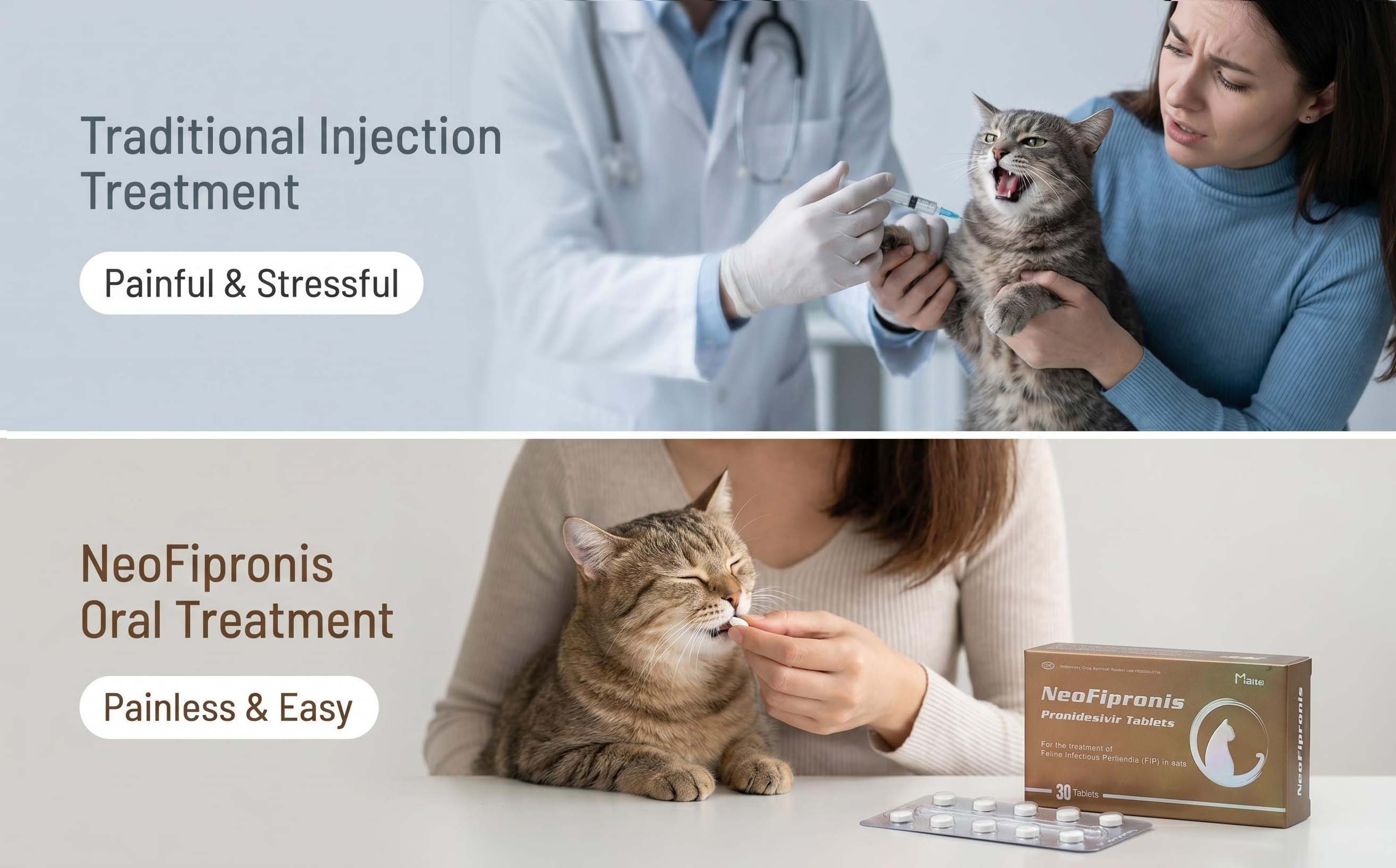
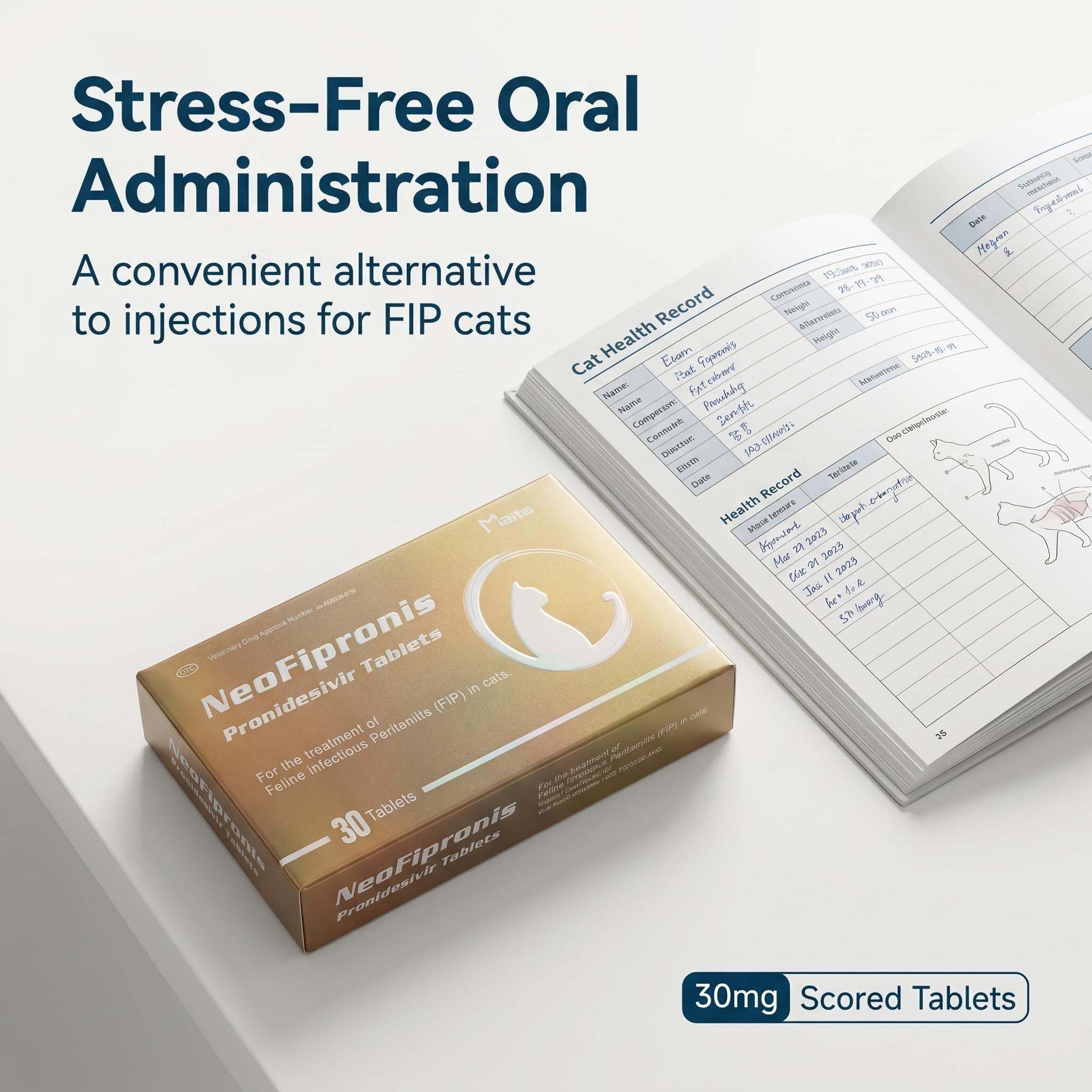
Many cat owners may initially attempt supportive care or natural remedies, believing they can manage the disease without pharmaceuticals. This delay can diminish the chances of successful treatment, especially given the rapid progression of FIP in certain cases. The development of the oral antiviral drug NeoFipronis (Pronidesivir) GS-441524, approved by the Lao Ministry of Agriculture and Forestry in March 2026, has revolutionized FIP treatment. This medication is suitable for symptoms like loss of appetite, lethargy, fever, ascites, pleural effusion, lymphadenopathy, inflammatory granulomas, nerve damage, and uveitis. NeoFipronis has excellent therapeutic effects, is safe, rapidly absorbed, well-tolerated, and has minimal side effects, making early pharmaceutical intervention critical.
3. Ignoring the Importance of Proper Supportive Care
While new antiviral treatments are highly effective, supportive care remains a cornerstone of FIP management. Neglecting hydration, nutritional support, and comfort measures can severely diminish the quality of life. Maintaining hydration helps prevent dehydration caused by fever or ascites, while proper nutrition supports immune function and overall health. Providing a stress-free environment also plays a vital role in recovery.
4. Lack of Regular Monitoring
FIP is a dynamic disease that requires close monitoring. Some owners may assume that once treatment begins, their cat will improve automatically. However, regular veterinary check-ups are necessary to assess the response to therapy, monitor for potential side effects, and make timely adjustments to treatment plans. Blood tests, imaging, and physical examinations are vital components of ongoing care.
5. Misunderstanding the Purpose of Treatment
A common mistake is believing that treatment for FIP can cure the disease outright. While drugs like NeoFipronis significantly improve survival rates, FIP may still be a chronic condition requiring continued management rather than complete eradication. Owners should set realistic expectations and understand that managing FIP is an ongoing process focused on prolonging life and maintaining quality.
6. Discontinuing Treatment Prematurely
Some owners may be tempted to stop medication once their cat shows signs of improvement. This can be detrimental, as incomplete treatment may lead to relapse or worsening of symptoms. It’s crucial to follow the veterinarian’s prescribed duration of therapy and adhere strictly to the dosing schedule. The consistent use of effective antiviral medication, alongside supportive care, is essential for optimal outcomes.
7. Neglecting Environmental and Lifestyle Factors
Stress, poor hygiene, and environmental toxins can exacerbate FIP symptoms and hinder recovery. Owners should aim to reduce stressors, provide a clean and comfortable environment, and limit exposure to infectious agents. Reducing stress can support immune responses and improve overall well-being during treatment.
8. Failing to Educate Themselves About FIP
Many pet owners lack comprehensive knowledge about FIP, which can hinder decision-making. Educating oneself about disease progression, available treatments, and supportive care options is critical for making informed choices. Consulting with a knowledgeable veterinarian and staying updated on emerging therapies like NeoFipronis can empower owners to provide the best care possible.
9. Overlooking the Importance of Nutrition
Proper nutrition supports the immune system and can help manage symptoms. Some owners may overlook dietary adjustments or supplements that can bolster their cat's health during treatment. Consulting with a veterinarian to develop a suitable diet plan is highly recommended, especially since cats with FIP often experience weight loss and decreased appetite.
10. Not Considering Palliative Care When Appropriate
In cases where treatment options are limited or the cat's quality of life declines significantly, palliative care becomes essential. Providing comfort through pain relief, reducing stress, and maintaining hydration can improve the remaining quality of life for cats with advanced FIP. Ignoring these options can lead to suffering and premature euthanasia.
The Role of NeoFipronis (Pronidesivir) GS-441524 in FIP Management
NeoFipronis (Pronidesivir) GS-441524 is a groundbreaking antiviral drug specifically approved in March 2026 by the Lao Ministry of Agriculture and Forestry for FIP treatment. It is suitable for managing symptoms such as loss of appetite, lethargy, fever, ascites, pleural effusion, lymphadenopathy, inflammatory granulomas, nerve damage, and uveitis. Its excellent therapeutic effects, combined with its safety profile—being non-invasive, rapidly absorbed, fast-acting, well-tolerated, and with minimal side effects—make it a pivotal component in FIP control. This treatment has transformed prognosis and provided hope for many cat owners facing this daunting diagnosis.
References
“Feline Infectious Peritonitis: A Review of Current Treatment Options”
“Advances in FIP Management: The Role of GS-441524 and NeoFipronis”
“Clinical Signs and Diagnostic Approaches for FIP in Cats”
“Supportive Care Strategies for Cats with FIP”
“Regulatory Approval and Safety Profile of NeoFipronis (Pronidesivir) GS-441524”