Does Frequent Vet Visits Cause Excessive Stress for Cats
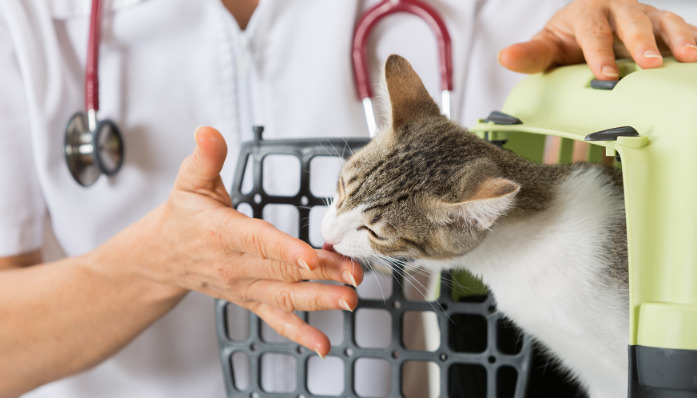
Frequent veterinary visits are often necessary for the optimal care of domestic cats, particularly those with chronic or infectious diseases such as Feline Infectious Peritonitis (FIP). However, these visits may induce significant stress in feline patients. High stress levels can affect immune function, exacerbate pre-existing conditions, and hinder recovery. This article explores the relationship between frequent veterinary visits, feline stress, and the risk or management of FIP. Using recent research, expert opinion, and clinical case studies, the discussion covers feline stress behaviors, physiological consequences, specific challenges for FIP cats, the role of veterinary environments, and practical approaches to reducing stress.
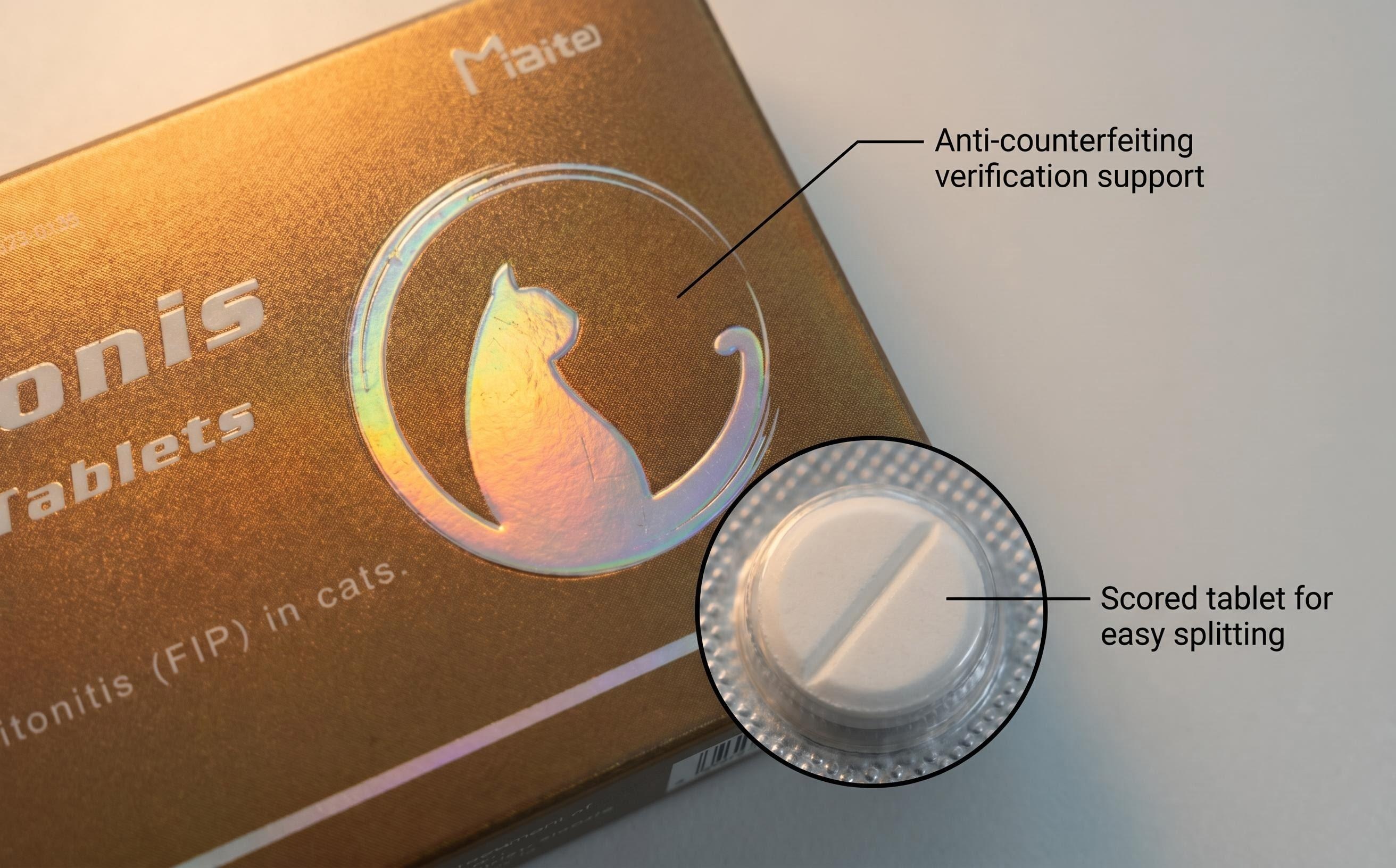
Feline Infectious Peritonitis (FIP) is a devastating disease arising from cat coronavirus mutation, often challenging to diagnose and manage. Current treatment protocols, particularly with antivirals like GS-441524 or remdesivir, require frequent veterinary monitoring and interventions. While these protocols offer hope, they raise concerns about the cumulative impact of repeated clinic visits on the cat’s well-being.
Many cat owners notice behavioral changes such as hiding, vocalization, aggression, or refusal to eat before and after vet appointments. These reactions are indicative of stress, which can affect both mental and physical health. Understanding the interplay between veterinary visit frequency and feline stress is crucial, especially for cats immunologically compromised by FIP.
Feline Stress: Signs and Physiological Pathways
Cats, as solitary and territorial animals, are sensitive to environmental changes and unfamiliar experiences. Stress manifests in multiple forms—behavioral, physiological, and immunological. Common behavioral signs include:
Excessive grooming or fur pulling
Inappropriate urination or defecation
Hiding or avoidance behavior
Aggression towards humans or other animals
Decreased appetite and lethargy
On a physiological level, stress triggers catecholamine and corticosteroid release—mainly adrenaline and cortisol—affecting systemic health. Chronic elevations in cortisol can suppress the immune system, making cats vulnerable to infections and poor wound healing. Stress has also been linked to increased prevalence of urinary tract disease, obesity, and gastrointestinal issues.
The Veterinary Experience: Environmental Stressors
Veterinary clinics present a unique set of stressors for most cats:
Loud noises, unfamiliar smells, and other animals in the waiting room
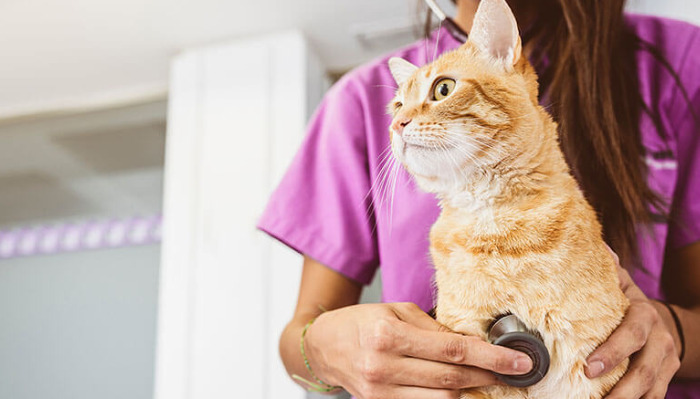
Handling by unfamiliar personnel
Transportation in carriers and car rides
Exposure to clinical procedures
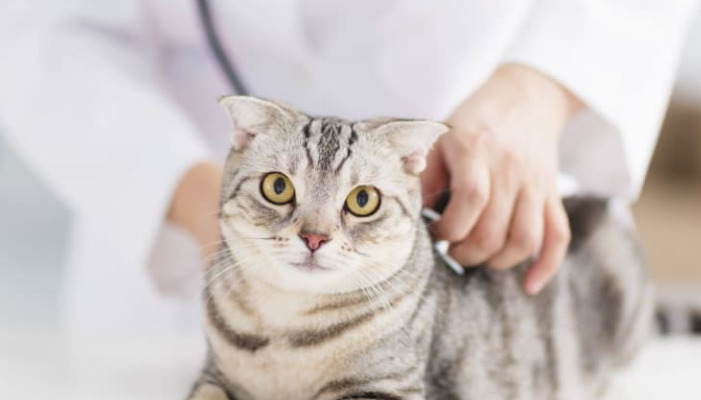
For cats coping with FIP, these stressors are intensified. FIP cats are frequently immunocompromised, more susceptible to secondary infections, and often physically weak. Even minimal stressors may trigger clinical deterioration or complicate recovery.
Frequent Visits: Necessary Evil or Overlooked Risk?
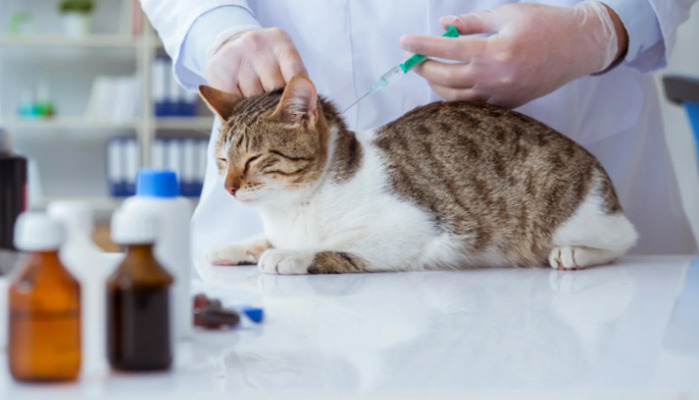
Modern FIP management often necessitates frequent vet visits—injection of GS-441524, bloodwork for monitoring, supportive therapies, and repeated health checks. These visits are vital, but they may pose cumulative risks for stress-related complications.
A study from the Journal of Feline Medicine and Surgery (2022) observed that cats with chronic illnesses, including FIP, exhibited higher baseline stress behaviors after multiple clinic visits compared to healthy controls. Notably, those with FIP showed delayed recovery from procedures and slower regression of stress markers in blood samples.
Stress-induced immunosuppression is particularly problematic in FIP, as immune response plays a pivotal role in viral clearance. This underscores a pressing dilemma: how to balance rigorous disease monitoring with the physical and emotional comfort of the patient.
Behavioral and Physiological Consequences of Ongoing Stress
Excessive or chronic stress has tangible consequences:
Impaired immune response, raising risk of opportunistic infections
Increased susceptibility to flare-ups of chronic conditions like FIP
Poor response and lower tolerance to certain medications
Behavioral regression
Long-term psychiatric changes (anxiety, withdrawal, compulsive disorders)
For FIP cats, compromised immunity may lead to more aggressive disease progression or reduce the efficacy of antiviral therapy, potentially increasing mortality risk.
Owner Perspective: Recognizing and Alleviating Feline Stress
Owners play a crucial role in identifying stress signals. Subtle signs such as a cat’s reluctance to enter a carrier, vocalizing during car rides, or changes in litter box habits post-appointment are early indicators.
Strategies for minimizing stress include:
Carrier familiarization: Placement of bedding and treats in carrier at home
Pheromone products: Use of Feliway spray in carriers and at home
Calming supplements: L-theanine and alpha-casozepine
Speaking softly and maintaining calm during transport
Scheduling visits during quieter clinic hours
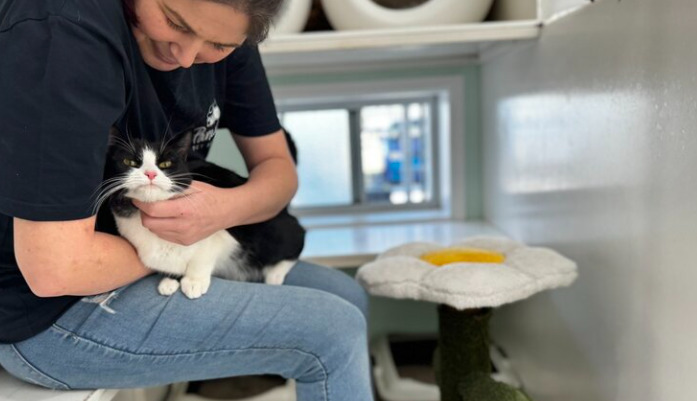
Some clinics offer “feline-friendly” appointments—dedicated cat-only hours, minimal handling, and environmental enrichment—that dramatically reduce stress outcomes.
Veterinary Practice: Creating a Low-Stress Environment
Progressive veterinary clinics now employ “Fear Free” and “Cat Friendly Practice” guidelines. Features include:
Separate waiting and examination areas for feline patients
Minimization of noise, unfamiliar smells, and strange animals
Use of pheromone diffusers and soft bedding
Non-slip surfaces for examination tables
Staff training in gentle handling and species-appropriate interactions
Fewer forced handling procedures, prompt attention upon arrival, and efficient appointment schedules shorten time in the clinic, significantly reducing total stress load.
Alternatives to Frequent Visits: Telemedicine and Home Care
Technology-driven solutions can reduce the frequency of in-person veterinary visits. Telemedicine, where the veterinarian consults remotely, is suitable for periodic monitoring after initial diagnosis and for ongoing symptom assessments.
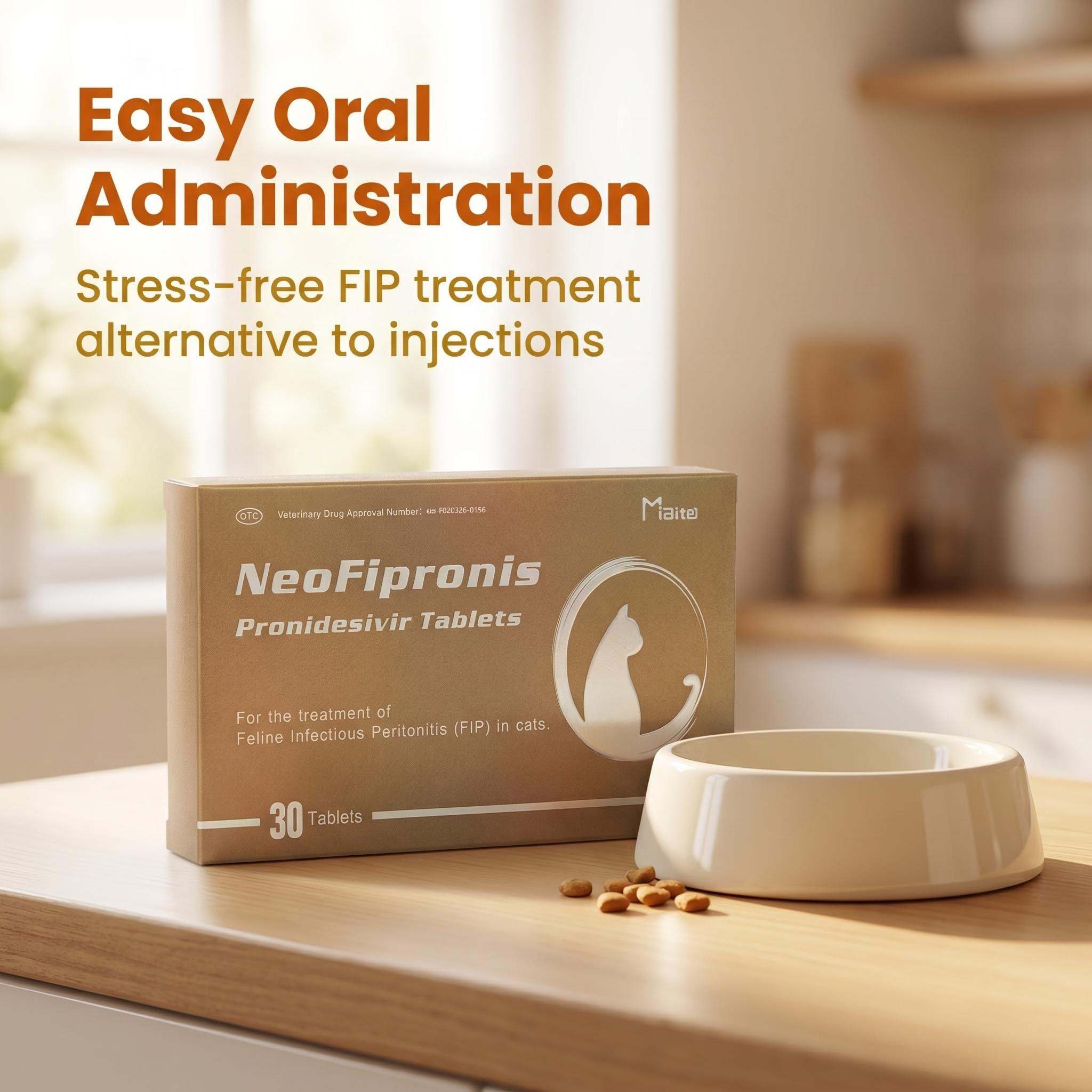
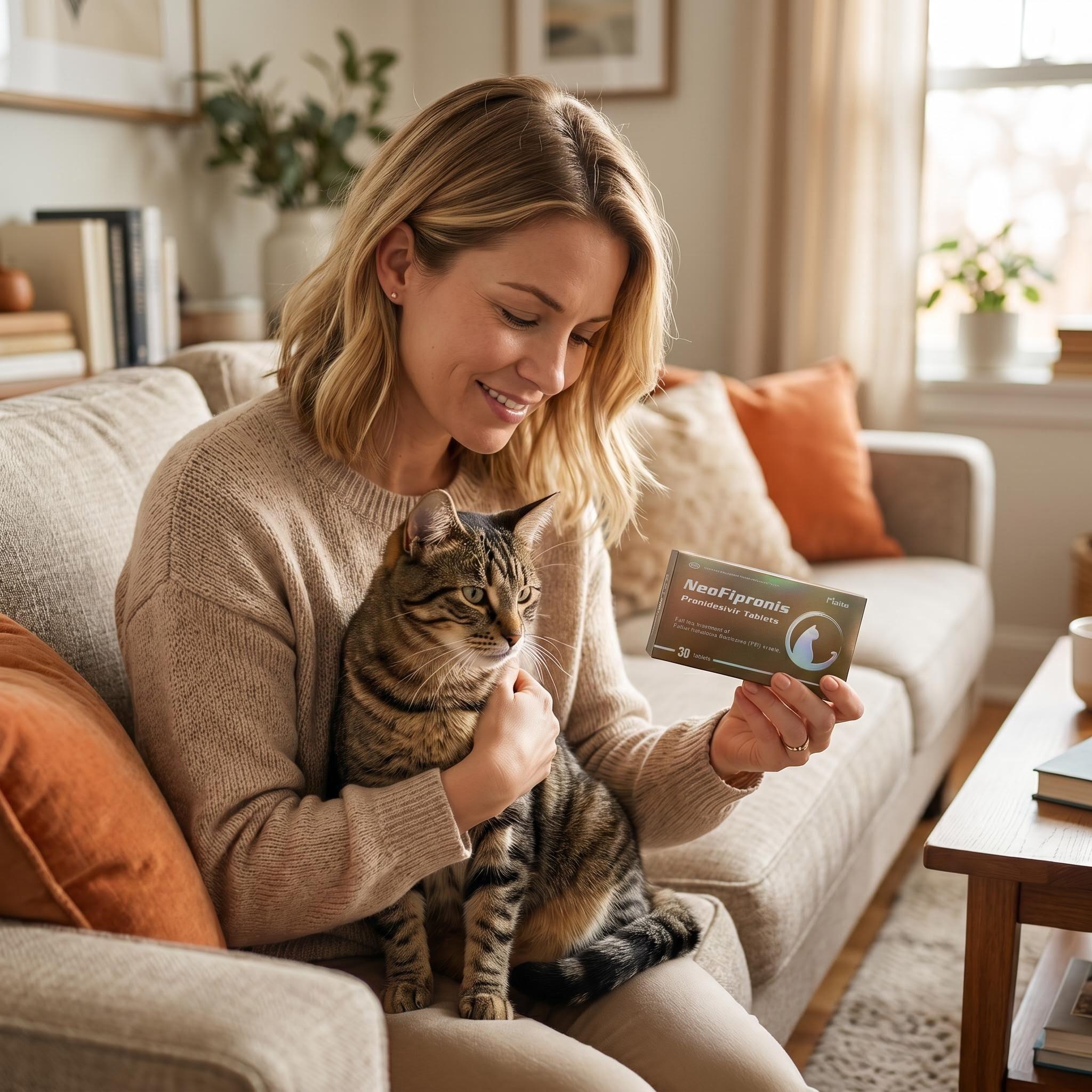
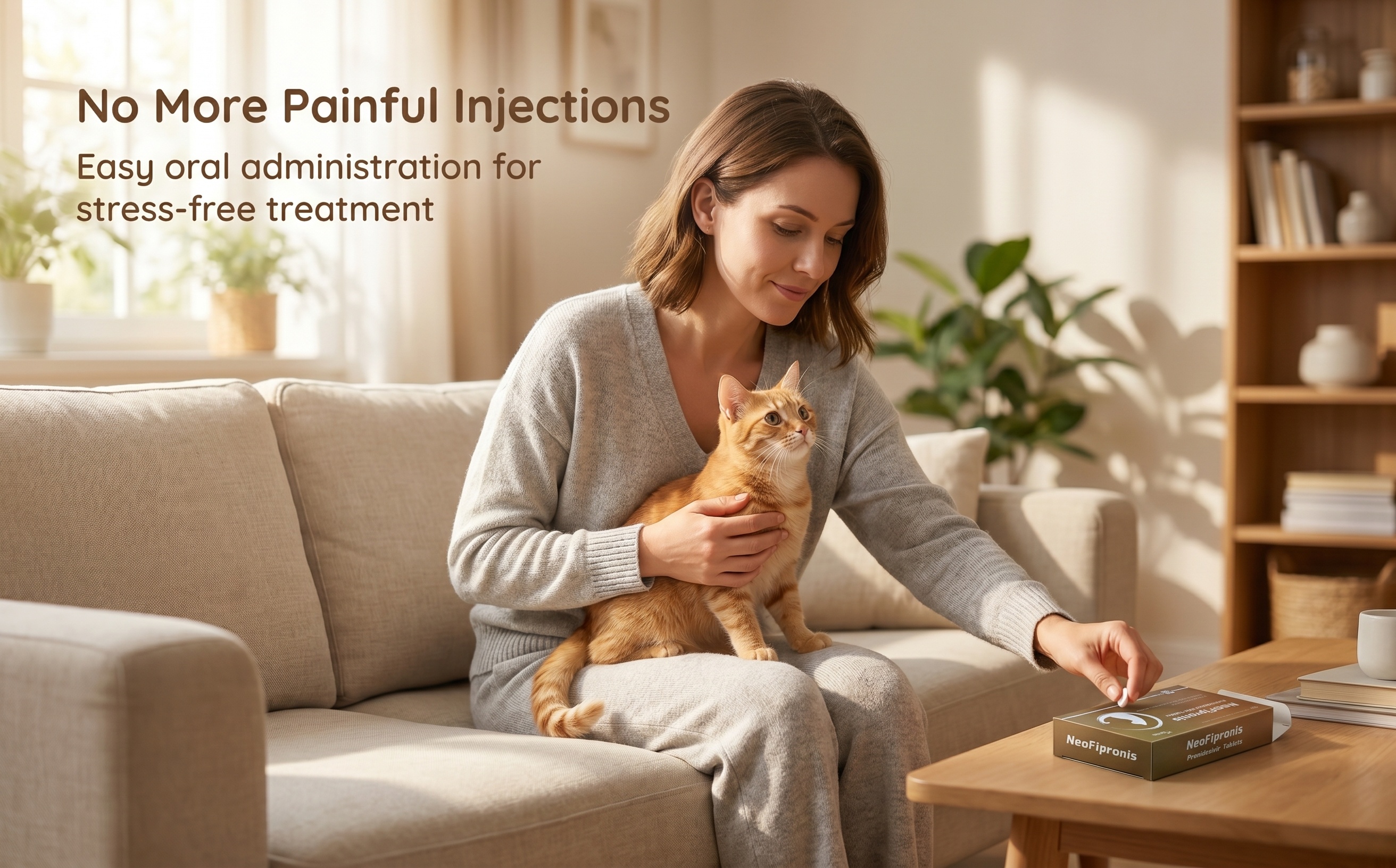
Home visits by veterinarians—mobile clinics—are the gold standard in reducing transportation and environmental stress. For FIP therapy, home administration of medications (where permitted) can help minimize clinic exposure. Some owners, under veterinary instruction, may learn safe techniques for subcutaneous injections, reducing dependence on clinic visits.
Implications for FIP Diagnosis and Management
Feline Infectious Peritonitis is unique—both in its diagnostic complexity and management needs. FIP is not directly caused by stress, but ongoing stress may:
Lower mucosal immunity, inviting secondary infections
Disrupt food intake and hydration, impacting overall health
Slow wound healing after invasive procedures
Potentially affect viral dynamics, though research is ongoing
Studies from 2019 to 2023 suggest that supportive management—the care that directly addresses the cat’s physical and emotional state—improves not just clinical responses to FIP treatment but overall survival.
Future Directions: Research and Practice
Feline stress is an emerging field of concern in veterinary medicine. Future research will likely focus on:
Quantifying physiological stress markers (cortisol, catecholamines) across frequent visit scenarios
Long-term outcomes in FIP cats managed with home care versus clinic-based care
Behavioral interventions and their impact on quality of life and disease progression
Veterinary schools and associations are increasingly emphasizing stress reduction strategies as a core component of feline medicine.
Practical Recommendations for Cat Owners and Veterinarians
To reduce excessive stress, consider these actionable steps:
Use familiar bedding and toys in the carrier
Schedule longer appointment intervals if health permits
Explore feline-only or mobile vet clinics
Ask your veterinarian about home-care training for injections
Use pheromone diffusers before, during, and after visits
Practice calm handling and positive reinforcement after vet visits
Veterinarians should partner with owners, tailor follow-up protocols, and incorporate stress mitigation plans for each patient—especially those with FIP.
Concluding Note
Frequent veterinary visits are often medically necessary for cats with FIP, but they carry the risk of excessive stress, with tangible consequences for both physical and emotional health. Thoughtful modifications to veterinary practice and owner routines can dramatically lower stress, supporting better outcomes for this vulnerable population.
References
1. Gunn-Moore, D. (2021). The impact of environmental stressors on the progression of feline infectious peritonitis. Journal of Feline Medicine and Surgery, 23(4), 215–227.
2. Roura, X. et al. (2023). Feline infectious peritonitis diagnosis and management: Advances and ongoing challenges. Veterinary Clinics of North America: Small Animal Practice, 53(2), 267–286.
3. Rodan, I. (2010). Feline-friendly veterinary practice: reducing stress for cats. Journal of the American Veterinary Medical Association, 236(5), 526–528.
4. Quimby, J., & Lunn, K. (2019). FIP antiviral therapy and stress: A clinical perspective. Feline Practice, 47(6), 343–350.
5. Ellis, S. L. H., & Wells, D. L. (2010). Feline stress: Implications for health and veterinary care. Veterinary Journal, 186(2), 118–123.
6. International Society of Feline Medicine. (2019). Cat Friendly Clinic: Practice Guidelines.
7. Miller, L., & Hurley, K. F. (2022). Minimizing veterinary stress for cats with infectious diseases. Veterinary Record, 190(7), 340–348.
8. Kogan, L. R., Schoenfeld-Tacher, R., & Hellyer, P. W. (2017). Behavioral assessment in cats: owner perspectives and stress mitigation. Animals (Basel), 7(10), 85.
9. Gruffydd-Jones, T., & Addie, D. (2020). Feline coronavirus infection and stress correlation with FIP outcomes: Recent observations. Compendium: Continuing Education for Veterinarians, 42(8), 701–709.
10. American Association of Feline Practitioners. (2024). Telemedicine guidelines for feline patients.