What Are the First Signs of FIP in Cats
Feline Infectious Peritonitis (FIP) remains one of the most challenging and misunderstood diseases in feline medicine. Due to its mysterious onset and the complexity of its progression, even experienced cat owners and veterinarians can find it difficult to identify the first signs. This comprehensive exploration covers the early clinical features of FIP, reviews the underlying mechanisms, and emphasizes observable behaviors and symptoms, supported by current veterinary literature. Understanding the first signs of FIP can empower owners to seek timely veterinary attention, improve diagnostic accuracy, and offer supportive care to affected cats.
Introduction to FIP
Feline Infectious Peritonitis (FIP) is caused by a mutated form of feline coronavirus (FCoV). While most forms of FCoV result only in mild, self-limiting gastrointestinal problems, mutations can lead to FIP, a progressive, often fatal immune-mediated condition. Its two major forms—effusive (wet) and non-effusive (dry)—present with different clinical patterns, but both forms are marked by challenging early detection. Prevalence is higher in multi-cat environments like shelters, catteries, and households with frequent inter-cat contact.
Pathogenesis: Why Early Signs Matter
FIP develops when benign feline enteric coronavirus mutates within the host into a virulent strain. Rather than causing typical enteric symptoms, it invades macrophages and disseminates throughout the body. The immune response, not only the presence of the virus itself, contributes to the signs of FIP. This means initial symptoms often reflect subtle systemic disturbances, rather than clear signs of viral illness.
Demographics: Who Is at Risk
Cats under two years of age and those from multi-cat households face increased risk, particularly kittens or individuals under stress. Purebred cats appear disproportionately affected, possibly due to genetics and breeding environments that foster both stress and exposure. Immunocompromised or geriatric cats may not display prominent symptoms initially.
Early Clinical Signs: The Subtle Clues
Lethargy and Decreased Activity
Often the first noticeable sign, affected cats may display subtle changes in demeanor. Owners frequently report their kitten or younger cat "just isn't himself," with reduced playfulness, sleeping more, or showing reluctance to engage with people or other pets.
Diminished Appetite and Weight Loss
A gradual decline in appetite is commonplace, sometimes overlooked amidst other mild digestive signs. Initial weight loss may not be dramatic, but noticeable over weeks. Cats selectively eating, turning away from favorite foods, or losing interest in treats might warrant closer monitoring.
Intermittent Fever
Temperature spikes, typically ranging between 103-106°F (39-41°C), may be present. The fever of FIP is persistent or recurrent, and often does not respond to typical antibiotics. Owners may not notice fever except through indirect signs, such as seeking warmth or shivering, but an unusual climb in body temperature can be identified by veterinarians.
Ocular and Neurological Changes
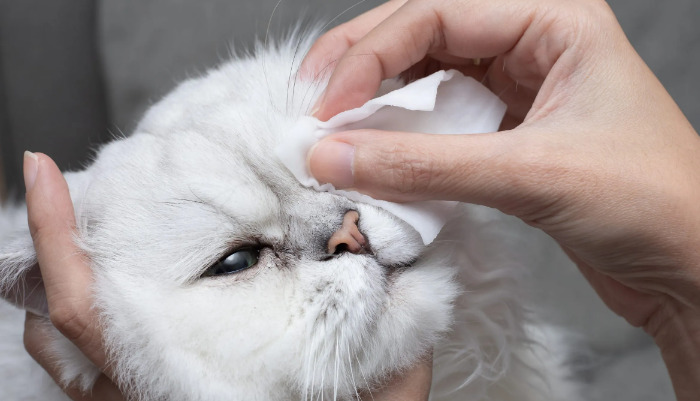
Dry FIP is notorious for causing vague neurological signs—uncoordinated movements, tremors, disorientation, or behavioral shifts. Ocular changes may include cloudy eyes, uneven pupils, or subtle changes in gaze and focus. Some cats may exhibit apparent blindness or visual discomfort early in the disease.
Gastrointestinal Symptoms
While appetite loss is common, initial signs may include occasional vomiting or diarrhea, often mild and non-specific. These symptoms, particularly when persistent, can provide crucial early hints. Most FIP-affected cats do not show severe GI symptoms in the earliest stage, but owners often report "not quite right" digestion.
Wet vs. Dry FIP: Early Manifestations Compared
The effusive (wet) form rapidly produces fluid buildup within body cavities, most often the abdomen or chest. Early symptoms include subtle belly swelling, less energy, and signs of mild respiratory difficulty (slightly faster breathing, reluctance to exert). In contrast, the dry form may begin with organ-specific problems—liver, kidneys, or nervous system—leading to more localized symptoms such as jaundice, unsteady gait, or increased thirst.
Behavioral Signs
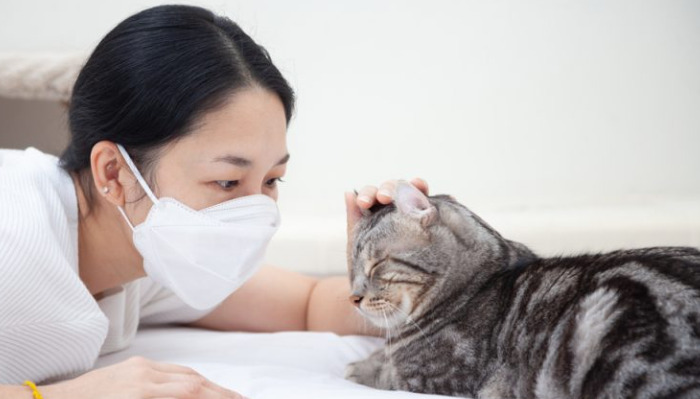
Cats are adept at masking illness. Early behavioral changes can be the only sign before classical symptoms develop. Owners may note hiding, reluctance to jump or climb, reduction in grooming, changes in the frequency of litter box use, or increased vocalization. These signs are especially relevant in multi-cat homes where comparison with healthy cats is possible.
Laboratory Findings That Aid Early Diagnosis
Full blood panel evaluations often reveal mild anemia, elevated total protein, or high globulin levels before visible symptoms appear. Lymphopenia (decreased lymphocyte count) and evidence of inflammation (elevated white blood cell count) provide supportive evidence. Increased bilirubin or liver enzyme activity may manifest before outward signs, especially in dry FIP.
Importance of Thorough Physical Examination
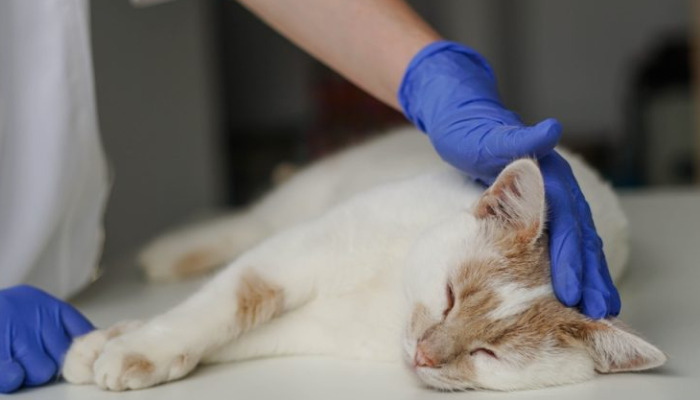
Veterinarians may detect subtle abnormalities such as slight abdominal pain, mild fluid accumulation, or faint heart murmurs. Palpation can reveal enlarged lymph nodes or liver changes in dry FIP. Effusive FIP may manifest as detectable fluid that is clear to straw-colored and viscous. These findings are often absent in the earliest phase, emphasizing the need for repeated examinations if FIP is suspected.
Imaging and Diagnostic Advances
Ultrasound or radiography can show fluid accumulation, organ enlargement, or tissue inflammation before classic symptoms. Advanced diagnostics, like PCR or immunohistochemistry, may detect mutated coronavirus RNA in tissues or fluids, assisting early diagnosis in ambiguous cases. Adoption of these methods is increasing in referral centers and specialty practices.
Differential Diagnosis: Ruling Out Other Conditions
Early signs of FIP are easily confused with many other feline diseases—chronic viral infections (FeLV, FIV), toxoplasmosis, neoplasia, or chronic organ dysfunction can imitate FIP symptoms. Tests that differentiate FIP from these conditions are essential. Multiple repeat tests over time often clarify diagnosis for ambiguous cases.
Owner Observations: The Front Line of Early Detection
Cat owners are in the best position to notice nuanced shifts in health. Journaling feeding habits, activity changes, litter box usage, and any new noises or behaviors provides invaluable data in detecting disease. Photographs and videos showing posture, movement, and visible abdominal distention can assist veterinarians, especially when early clues are subtle.
FIP and Multi-Cat Household Dynamics
Transmission risk is nuanced; only the non-mutated FCoV is contagious, not FIP itself. In multi-cat homes, one symptomatic cat can be a sign of vulnerable population and outbreak risk, especially if multiple cats develop vague signs within a short period. Isolating a sick cat, boosting hygiene measures, and monitoring all cats intensively during an outbreak are recommended.
Genetic and Environmental Factors Influencing Early Signs
Breed genetics directly impact susceptibility; purebred cats, notably Bengals and Persians, demonstrate more severe presentations. Stressful events—moving homes, introduction of new pets, or recovery from surgery—coincide with disease onset. Minimizing environmental stressors lowers risk of disease progression and supports earlier recognition of first symptoms.
Veterinary Response Procedures
Veterinarians follow structured protocols for cats with suspicious signs, starting with complete history, physical examination, and baseline blood work. Suspicion of FIP prompts advanced imaging, fluid analysis, and targeted tests for coronavirus presence. Early supportive care focuses on maintaining hydration, nutrition, and comfort before more aggressive therapy is considered.
Recent Advances Affecting Early FIP Detection
Molecular testing innovations (RT-PCR, immunostaining) enable detection of mutated FCoV earlier than previously possible. Biomarker research continues, including evaluation of acute phase proteins in blood and tissue. Broader access to these tests promises earlier intervention, improved outcomes, and fewer misdiagnosed cases in the future.
FIP Treatment Considerations and Prognosis
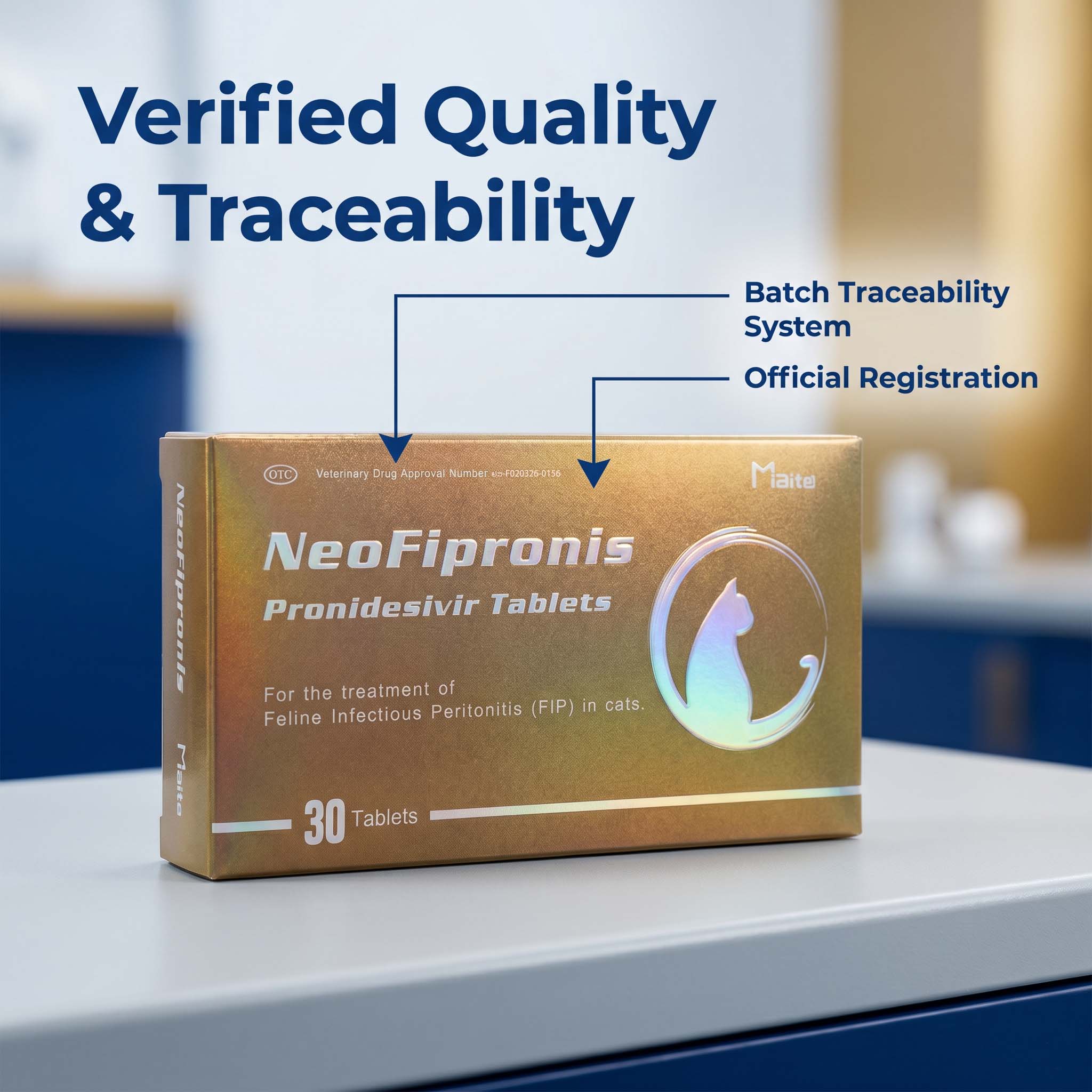
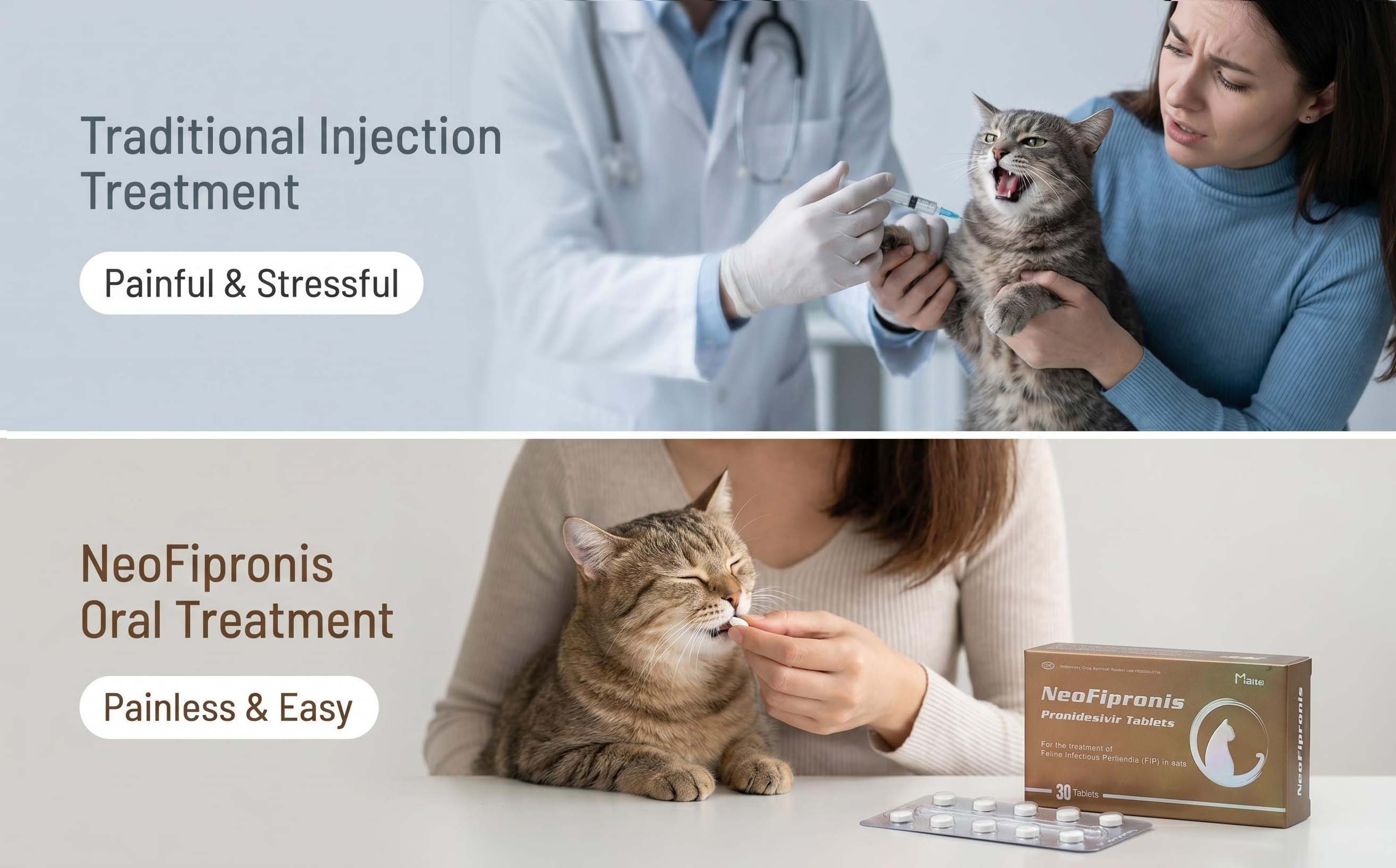
Recent years brought hope through antiviral medications (e.g., GS-441524 and its analogs), which can produce clinical improvement if treatment begins early. Early recognition and diagnosis remain critical, even as access to medication grows. Supportive therapy, nutritional management, and inflammation control provide comfort during diagnosis and therapy.
Preventive Strategies Informing Early Surveillance
Good hygiene, prompt litterbox cleaning, reduction of stress, and isolation after high-exposure events can minimize the risk of FIP in multi-cat settings. Regular health checks and vaccination against other diseases support overall feline immune health, enhancing ability to recognize the early symptoms specific to FIP.
Educational Outreach for Owners
Awareness seminars, veterinary newsletters, and social media campaigns focusing on first signs of FIP contribute to earlier detection. Educational materials must emphasize subtle behavioral and physical clues, differentiate between mild coronavirus infection and FIP, and reinforce the value of prompt veterinary evaluation.
Conclusion: Putting Knowledge Into Action
The first signs of FIP in cats often masquerade as mild, generalized illness—lethargy, decreased appetite, intermittent fever, and behavior changes—making early identification challenging but crucial. Combining observational vigilance with advanced diagnostic techniques and a proactive healthcare environment can make the difference between timely intervention and delayed, less effective response.
References
1. Pedersen, N. C. (2014). “An update on feline infectious peritonitis: Virology and immunopathogenesis.” Veterinary Pathology, 51(2), 437–444.
2. Felten, S., & Hartmann, K. (2019). “Diagnosis of feline infectious peritonitis: A review.” Veterinary Journal, 244, 33–44.
3. Kipar, A., & Meli, M. L. (2014). “Feline infectious peritonitis: Still an enigma?” Veterinary Pathology, 51(2), 505–526.
4. Addie, D. D., et al. (2020). “Feline coronavirus infections: Guidelines for diagnosis, management, and prevention.” Journal of Feline Medicine and Surgery, 22(7), 631–636.
5. Dickinson, H. E., et al. (2021). “GS-441524 and the treatment of feline infectious peritonitis.” Veterinary Clinics: Small Animal Practice, 51(5), 1011–1029.
6. Riemer, F., et al. (2016). “Clinical and laboratory features of cats with feline infectious peritonitis – a retrospective study of 231 confirmed cases (2000-2010).” Journal of Feline Medicine and Surgery, 18(7), 623–631.
7. Norris, J. M., et al. (2005). “Factors influencing the prevalence of feline coronavirus and the development of feline infectious peritonitis.” Veterinary Record, 157, 653–659.
8. Stoddard, M. E., et al. (2022). “Molecular diagnostics and FIP: Evolving standards of care.” Veterinary Quarterly, 42(1), 151–163.
9. Sabshin, S. J., et al. (2012). “Feline infectious peritonitis at a large cat shelter: Environmental factors and clinical predictions.” Journal of the American Veterinary Medical Association, 241(8), 1049–1055.
10. Hartmann, K. (2005). “Feline infectious peritonitis.” Veterinary Clinics: Small Animal Practice, 35(1), 39–79.