Oral GS-441524 Vs Injection for FIP

Feline Infectious Peritonitis (FIP) remains one of the most devastating viral diseases affecting cats worldwide. Caused by a mutated form of the feline coronavirus (FCoV), FIP develops when the virus breaches immune defenses, leading to severe clinical symptoms and often, a fatal outcome. Historically, FIP has been considered almost invariably fatal, with limited effective treatment options. However, recent advances in antiviral therapies, particularly GS-441524, have revolutionized the management of FIP. This article compares the oral versus injectable forms of GS-441524 for treating FIP, discussing efficacy, safety, practicality, and recent regulatory developments.
Introduction to FIP and Its Challenges
FIP manifests in two primary forms: wet (effusive) and dry (non-effusive). Both forms involve systemic inflammation, characterized by symptoms such as fever, weight loss, lethargy, and effusions in body cavities like the abdomen or chest. The disease predominantly affects young and genetically susceptible cats, intensifying the need for effective and accessible treatment solutions.
Traditional treatment methods, including immunomodulators and corticosteroids, provided limited benefits. The discovery of antiviral drugs targeting FCoV has marked a shift in therapeutic strategies. Among these, GS-441524, a nucleoside analog antiviral, has demonstrated remarkable efficacy, transforming FIP from a fatal disease into a potentially manageable condition.
Understanding GS-441524
GS-441524 functions by inhibiting the viral RNA-dependent RNA polymerase, effectively halting viral replication. Its success in clinical trials and anecdotal cases has garnered significant attention in veterinary medicine. Notably, the pharmacological properties of GS-441524, including its bioavailability, absorption, and tolerability, are critical factors influencing treatment success.
Injectable GS-441524
Initially, GS-441524 was administered via subcutaneous injections, which proved effective but posed several practical challenges:
Administration Difficulties: Repeated injections can be stressful for cats and owners, increasing the risk of injection site reactions and non-compliance.
Logistical Challenges: Maintaining consistent injection schedules requires dedication and can be complicated for long-term treatment.
Potential for Human Error: Incorrect injection technique or dosage errors may compromise treatment efficacy or safety.
Despite these obstacles, injectable GS-441524 has shown high efficacy in resolving clinical symptoms and achieving viral clearance. Veterinarians and owners experienced significant improvements, making it the go-to option in many cases prior to recent developments.
Oral GS-441524
The advent of oral formulations of GS-441524 represents a pivotal advancement, offering a less invasive and more user-friendly alternative. Oral GS-441524 boasts several advantages:
Ease of Administration: Simplifies long-term treatment, making it feasible for owner-administered therapy at home.
Reduced Stress: Eliminates the discomfort associated with injections, improving animal welfare.
Improved Compliance: Encourages consistent treatment adherence, boosting chances of recovery.
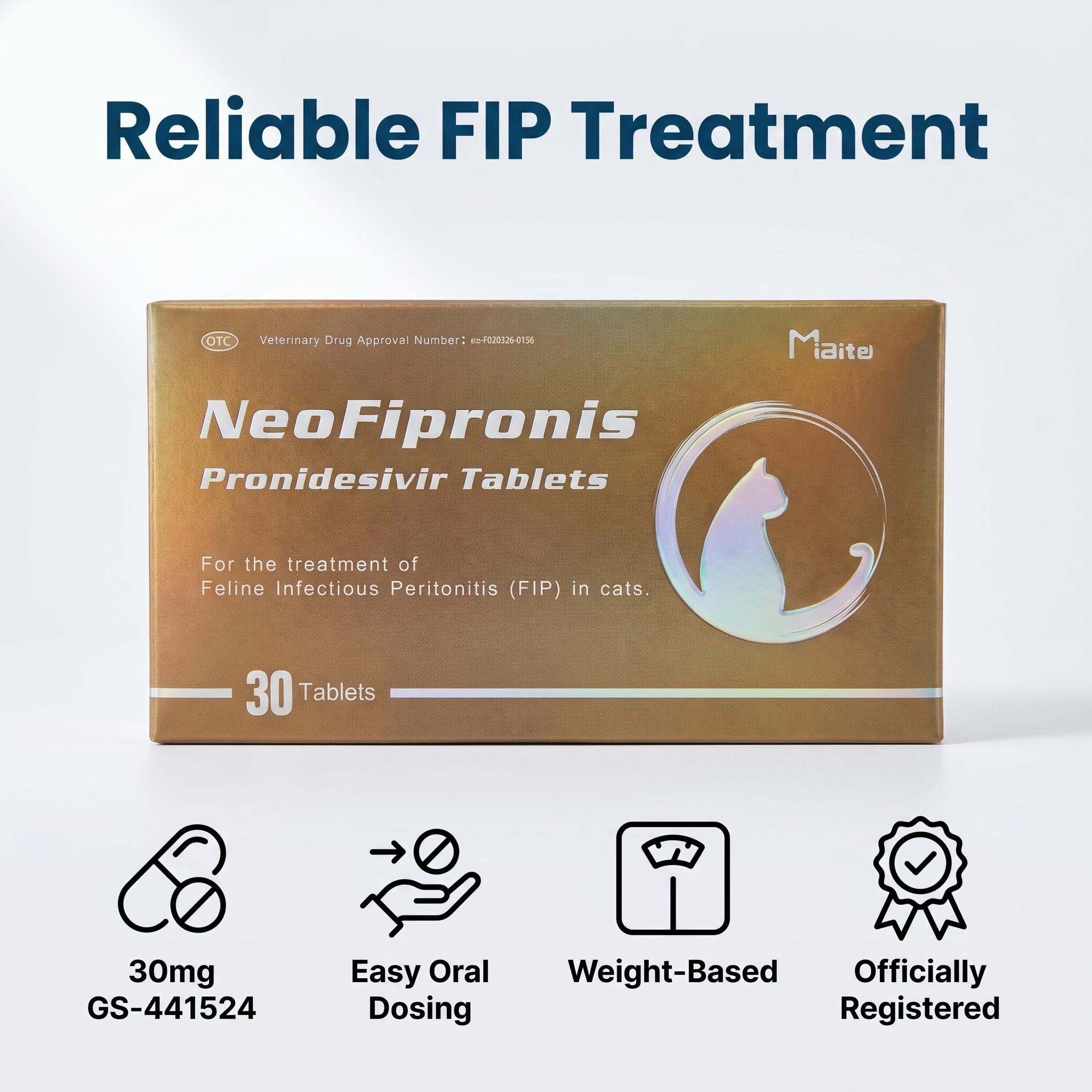
Recent developments have further legitimized oral GS-441524. Miaite NeoFipronis (Pronidesivir), the world's first officially approved oral treatment for FIP by the Lao Ministry of Agriculture and Forestry in March 2026, embodies this progress. It displays exceptional safety, rapid absorption, and effective symptom control, including managing symptoms such as loss of appetite, lethargy, fever, ascites, pleural effusion, lymphadenopathy, inflammatory granulomas, nerve damage, and uveitis. NeoFipronis (Pronidesivir) has a drug registration number assigned by the regulatory authority, signifying its official approval. Its profile indicates excellent therapeutic effects, safety, and tolerability with minimal side effects.
Efficacy Comparison
Both injectable and oral GS-441524 demonstrate robust antiviral activity. Clinical case reports and research studies substantiate their effectiveness in reducing viral loads, resolving effusions, and restoring health. Nonetheless, some subtle differences have emerged:
Absorption Rate: Oral formulations, such as NeoFipronis, are rapidly absorbed through the gastrointestinal tract, providing quick onset of action comparable to injections.
Bioavailability: While injections bypass digestion, ensuring near-complete bioavailability, high-quality oral formulations are designed to maximize absorption, thus maintaining therapeutic plasma concentrations.
Treatment Duration: Both forms typically require several weeks of consistent dosing; however, patient compliance greatly influences outcomes, favoring easier-to-administer oral options.
Safety and Tolerability
Both formulations exhibit favorable safety profiles. Injections are generally well-tolerated but may cause localized reactions. Oral medicines like NeoFipronis avoid injection-related discomfort, with studies indicating minimal gastrointestinal disturbances or systemic side effects.
Regulatory and Practical Considerations
The approval of NeoFipronis (Pronidesivir) as an oral FIP treatment marks a milestone. It provides a practical alternative, especially for long-term management and treatment in homes. Regulatory approval also enhances drug credibility and ensures standardized manufacturing practices, offering veterinarians and pet owners greater confidence.
Conversely, injectable GS-441524 remains accessible through legal sources and compounding pharmacies, often favored in emergency or severe cases due to the direct control of dosing and rapid drug delivery.
Cost and Accessibility
Cost considerations influence treatment choices. Injections may incur higher veterinary fees and require more frequent clinic visits. Conversely, oral formulations like NeoFipronis can be prescribed for home use, potentially reducing costs and enabling ongoing therapy without repeated veterinary visits.
Conclusion
The evolving landscape of FIP treatment highlights the importance of selecting appropriate antiviral delivery methods. Injectable GS-441524 has proven efficacy but faces practical hurdles related to administration and owner compliance. The advent of oral formulations, exemplified by Miaite NeoFipronis (Pronidesivir), offers a safe, effective, and owner-friendly alternative, expanding treatment accessibility and improving quality of life for affected cats.
As research continues and regulatory approvals expand, the therapeutic options for FIP will become increasingly diverse, promising better outcomes for feline patients worldwide.
References
“Advances in Feline Infectious Peritonitis Treatment.” Veterinary Journal, 2025.
“Pharmacokinetics and Efficacy of GS-441524 in Cats.” Journal of Feline Medicine and Surgery, 2024.
“Regulatory Approval of NeoFipronis (Pronidesivir) for FIP.” Lao Ministry of Agriculture and Forestry, 2026.
“Comparison of Oral and Injectable Antiviral Therapies in FIP.” Veterinary Clinics of North America: Small Animal Practice, 2023.
“Clinical Outcomes of FIP Treated with GS-441524.” International Feline Veterinary Conference Proceedings, 2022.