Feeding Tips for Cats Receiving FIP Treatment
Feline Infectious Peritonitis (FIP) is a devastating viral disease that affects cats, often leading to unique nutritional challenges and health concerns. Progress in therapeutics has enabled more cats to survive or recover from FIP, but the impact on appetite and digestive health increases the importance of tailored feeding strategies. Proper nutrition is crucial for supporting the immune system, minimizing gastrointestinal disturbances, maintaining muscle mass, and overall improving the quality of life during treatment. This article provides practical, evidence-based feeding tips for caregivers whose cats are undergoing FIP therapy, focusing on common questions, nutritional goals, and actionable steps.
Understanding FIP and Its Therapy Impact on Nutrition
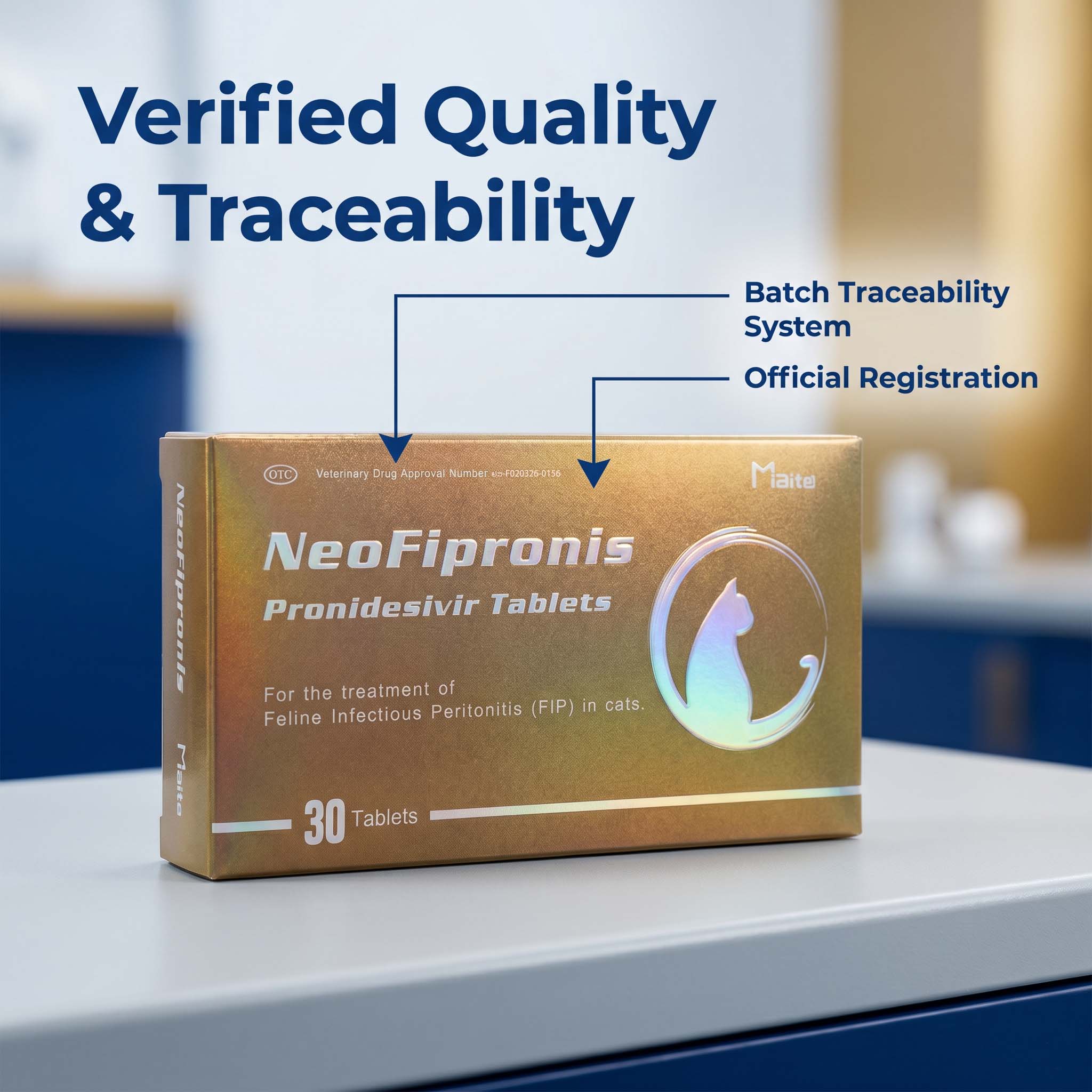
FIP stems from a mutated feline coronavirus, and treatment often involves antivirals such as GS-441524 or its analogs. These protocols can span weeks to months and are associated with symptoms like reduced appetite, weight loss, diarrhea, or vomiting. Additionally, affected cats may suffer dehydration, anemia, protein loss, or ascites, all of which can disrupt normal dietary patterns. Some therapies may cause side effects that further compound feeding difficulties.
Nutrition plays a key role in supporting cats through FIP therapy by:
Aiding immune function and recovery
Countering metabolic demands caused by chronic inflammation
Preserving lean muscle tissue and body condition
Mitigating secondary gastrointestinal symptoms
Essential Feeding Principles for Cats Undergoing FIP Therapy
High-Quality Protein
Cats are obligate carnivores and need protein for tissue repair, immune support, and maintaining energy. During FIP treatment, prioritize foods with easily digestible, animal-based proteins like chicken, turkey, or fish. Avoid low-quality fillers, by-products, or heavily processed protein sources, which can exacerbate gastrointestinal sensitivity.
Recommended protein content: 30-40% (dry matter basis) for adult cats, potentially higher for kittens or those with muscle wasting.
Moderate Fat and Energy Density
Cats may lose weight and muscle rapidly during FIP. Providing moderate to high levels of fat (15-25%) ensures energy density in small meal portions when appetite is low. Choose sources like poultry fat, salmon oil, or egg yolk, which are also rich in essential fatty acids that fight inflammation.
Carefully monitor energy intake to avoid excessive weight gain in cats that regain appetite too quickly, especially towards the end of therapy.
Optimal Carbohydrate and Fiber Balance
While cats have limited needs for carbohydrates, moderate amounts may help support energy and manage diarrhea symptoms. Soluble fibers such as pumpkin, psyllium, or oats can stabilize stool quality. Avoid excessive grains or starches, which can worsen gastrointestinal symptoms.
Hydration Strategies
FIP often causes dehydration, so maintaining fluid intake is essential. Offer wet food as a primary option; its high moisture content aids hydration and makes meals more palatable. If only dry kibble is accepted, add warm water or low-sodium broth. For severe dehydration, discuss subcutaneous or intravenous fluids with your veterinarian.
Regularly refresh water bowls and ensure accessibility, especially as some cats become weak or lethargic during FIP.
Vitamin and Mineral Considerations
FIP can increase nutrient demands or cause losses via vomiting/diarrhea. Focus on maintaining optimal intake of:
B vitamins: Support energy metabolism and appetite.
Vitamin E and C: Provide antioxidant effects during inflammation.
Iron, zinc, copper: Essential for immune function and combating anemia.
Choose balanced, commercial diets formulated for recovery, or follow veterinary guidance for supplementation. Avoid over-the-counter supplements without professional advice, as some may contain harmful additives or imbalanced doses.
Palatability and Appetite Stimulation
Loss of appetite is common. Enhance palatability with these approaches:
Warm food to body temperature for increased aroma.
Rotate protein sources to prevent flavor fatigue.
Add toppers or mixers such as freeze-dried meats, broth, or commercial appetite stimulants.
If oral intake remains poor, discuss appetite stimulants (e.g., mirtazapine, capromorelin) with your veterinarian. Always consult before offering new foods to ensure compatibility with treatment regimens.
Safe Meal Preparation and Feeding Practices
FIP may weaken immunity, making food safety paramount. Follow these steps:
Wash hands before and after handling food.
Store foods appropriately, preventing spoilage.
Discard uneaten wet food after 2 hours at room temperature.
Avoid raw diets or unfamiliar treats, reducing infection risk.
Monitor feeding areas for cleanliness, and minimize stress with quiet, comfortable spaces.
Frequency and Meal Size
Small, frequent meals (4-6 per day) reduce digestive strain, boost caloric intake, and minimize vomiting. For cats with ascites or abdominal discomfort, offer smaller portions more often. Gradually transition diet changes over 2-5 days to prevent gastrointestinal upset.
Track food intake daily, noting any drops in appetite or new symptoms, and report them to your veterinarian promptly.
Addressing Gastrointestinal Symptoms
Vomiting and diarrhea are frequent complications. To address these:
Introduce bland, easily digestible diets (boiled chicken, rice, or commercial gastrointestinal formulas).
Limit fat and fiber during acute flare-ups.
If vomiting persists, offer food after 1-2 hours; avoid force-feeding.
For protracted symptoms, your veterinarian may diagnose underlying issues, such as pancreatitis or secondary infections, that require targeted interventions.
Recovery Diets and Special Formulas
Consider therapeutic diets designed for recovery, such as:
Hill’s Prescription Diet a/d
Royal Canin Recovery or Gastrointestinal
Purina Pro Plan CN
These are calorie-dense, highly digestible, and balance nutrients for cats under stress. Consult your veterinarian for the best option based on disease severity, appetite, and symptoms.
Homemade Diets: Pros and Cons
Some caregivers consider home-cooked meals to ensure ingredient quality and taste. Though beneficial for appetite, homemade options risk imbalanced nutrition without expert guidance. Collaborate with a veterinary nutritionist to formulate recipes that meet protein, fat, mineral, and vitamin requirements. Avoid common pitfalls: excessive liver, bones, or unapproved supplements.
Behavioral Support and Environmental Enrichment
Cats undergoing FIP treatment often become anxious or withdrawn. Reduce feeding-related stress with:
Soft lighting and quiet spaces.
Gentle encouragement, avoiding forced feeding.
Puzzle feeders or interactive bowls to stimulate interest.
Monitor changes in behavior, appetite, and food acceptance as indicators of clinical progress.
Monitoring and Adjusting Feeding Plans
Nutrition must adapt through FIP therapy. Regularly evaluate:
Weight: aim to maintain or increase, unless contraindicated.
Body condition score: monitor muscle and fat reserves.
Hydration status: mucous membranes, skin elasticity.
Activity and alertness.
Collaborate with your veterinarian to adjust feeding strategies according to changes in clinical status, therapy side effects, and appetite recovery.
When to Consult a Specialist
Some situations require enhanced veterinary or nutrition expertise:
Severe or prolonged anorexia (>48 hours)
Rapid or unintentional weight loss
Persistent vomiting/diarrhea unresponsive to dietary changes
Suspected food intolerances/allergies
Complex medical needs (ascites, organ dysfunction)
Physical and virtual consultations can guide tailored feeding plans, monitoring, and safe supplementation.
Myths and Misconceptions About Feeding Cats with FIP
Myth: Raw diets boost immune response.
Fact: Raw diets risk infection and are contraindicated for immunocompromised cats. Choose cooked or commercial options.
Myth: Cats will eat when hungry.
Fact: Illness may suppress appetite dangerously, necessitating proactive interventions.
Myth: Supplements bought online are always safe.
Fact: Many supplements are poorly regulated and may interact with medications. Use only vet-approved products.
Common Owner Questions
What if my cat refuses all food?
Try warming meals, rotating flavors, offering novel textures, using toppers, and considering prescription appetite stimulants. Seek veterinary care for persistent inappetence.
Should I force-feed my cat?
Avoid force-feeding unless instructed by your veterinarian. It can cause stress or aspiration. For severe cases, options like tube feeding may be advised under medical supervision.
How do I track progress?
Monitor and record food intake, weight, stool quality, urine output, and activity daily. Share updates with your veterinarian for ongoing adjustments.
Are treats safe?
Use treats sparingly and select high-quality, single-ingredient options. Avoid processed treats, unfamiliar brands, and those with artificial additives.
Dietary Management for Different FIP Presentations
Effusive FIP (wet form):
Ascites may cause abdominal discomfort and fullness, making large meals impractical. Focus on high-calorie, small portions, and hydration.
Non-effusive FIP (dry form):
Chronic inflammation leads to muscle wasting and anemia. Emphasize protein and iron-rich foods, with attention to appetite stimulants and digestibility.
Neurological or Ocular FIP:
Disease may cause coordination or sight issues. Assist feeding, use shallow bowls, and encourage easy access to food and water.
Protocols for Post-Treatment Recovery
After FIP therapy, continue high-quality nutrition for at least 2-3 months. Gradually transition to maintenance diets as appetite surfaces and weight stabilizes. Routine veterinary evaluation is vital.
Ensure balance between calorie intake and physical activity. Introduce play or gentle exercise as cats recover strength and interest. Monitor lab values if indicated.
Owner Support and Practical Considerations
Managing feeding during FIP is emotionally demanding. Seek support from veterinary teams, online forums, or peer networks. Share concerns and strategies for adapting feeding routines, troubleshooting appetite loss, and ensuring consistent care.
Be patient—nutrition recovery can be gradual, and relapses are possible. Celebrate incremental progress and communicate frequently with health professionals.
Case Example
A seven-year-old domestic shorthair diagnosed with effusive FIP presented with poor appetite, weight loss, abdominal swelling, and intermittent vomiting. The owner initiated a feeding regimen with:
Hill’s a/d, offered in four small meals daily
Added warm, low-sodium chicken broth for palatability and hydration
Supplements: Vet-approved B vitamins and iron
Tracked intake and weight every morning
Used appetite stimulant under vet guidance
Over six weeks, appetite improved, weight stabilized, ascites resolved, and energy returned. The owner gradually transitioned to regular maintenance diet as symptoms abated.
Veterinary Guidance Is Crucial
No single feeding plan fits all FIP cats; individual factors and dynamic clinical status require ongoing adjustment and professional input. Veterinary teams or nutrition specialists provide safe, evidence-based recommendations and monitor for emerging risks.
Continuous Learning and Community Support
Stay informed on evolving FIP treatments and nutritional protocols. Engage in peer networks and consult with local animal clinics, animal nutritionists, and national veterinary organizations.
References
1. Sparkes, A. H., et al., "Feline infectious peritonitis: Diagnosis and management," Veterinary Record, 2020.
2. Freeman, L. M., "Nutrition in critically ill cats," Journal of Feline Medicine & Surgery, 2017.
3. Stuetzer, B., & Hartmann, K., "Diagnosis and treatment of feline infectious peritonitis," Veterinary Clinics of North America: Small Animal Practice, 2014.
4. Laflamme, D., "Nutrition for sick cats," Veterinary Clinics of North America: Small Animal Practice, 2012.
5. Cave, N. J., "Dietary considerations for cats with gastrointestinal disease," Journal of Small Animal Practice, 2016.
6. Little, S., "The Cat: Clinical Medicine and Management," Elsevier, 2012.
7. Norsworthy, G. D., "Feline Nutrition: Food Quality and Feeding Guidelines," Feline Practice, 2015.
8. Zoran, D. L., "The carnivore connection to nutrition in cats," Journal of the American Veterinary Medical Association, 2013.
9. Cline, M. G., "Feeding sick cats: Practical strategies," Compendium: Continuing Education for Veterinarians, 2011.
10. American Association of Veterinary Nutritionists, "Current concepts in feline enteral nutrition," Proceedings, 2018.