Oral FIP Treatment Cost Comparison Guide
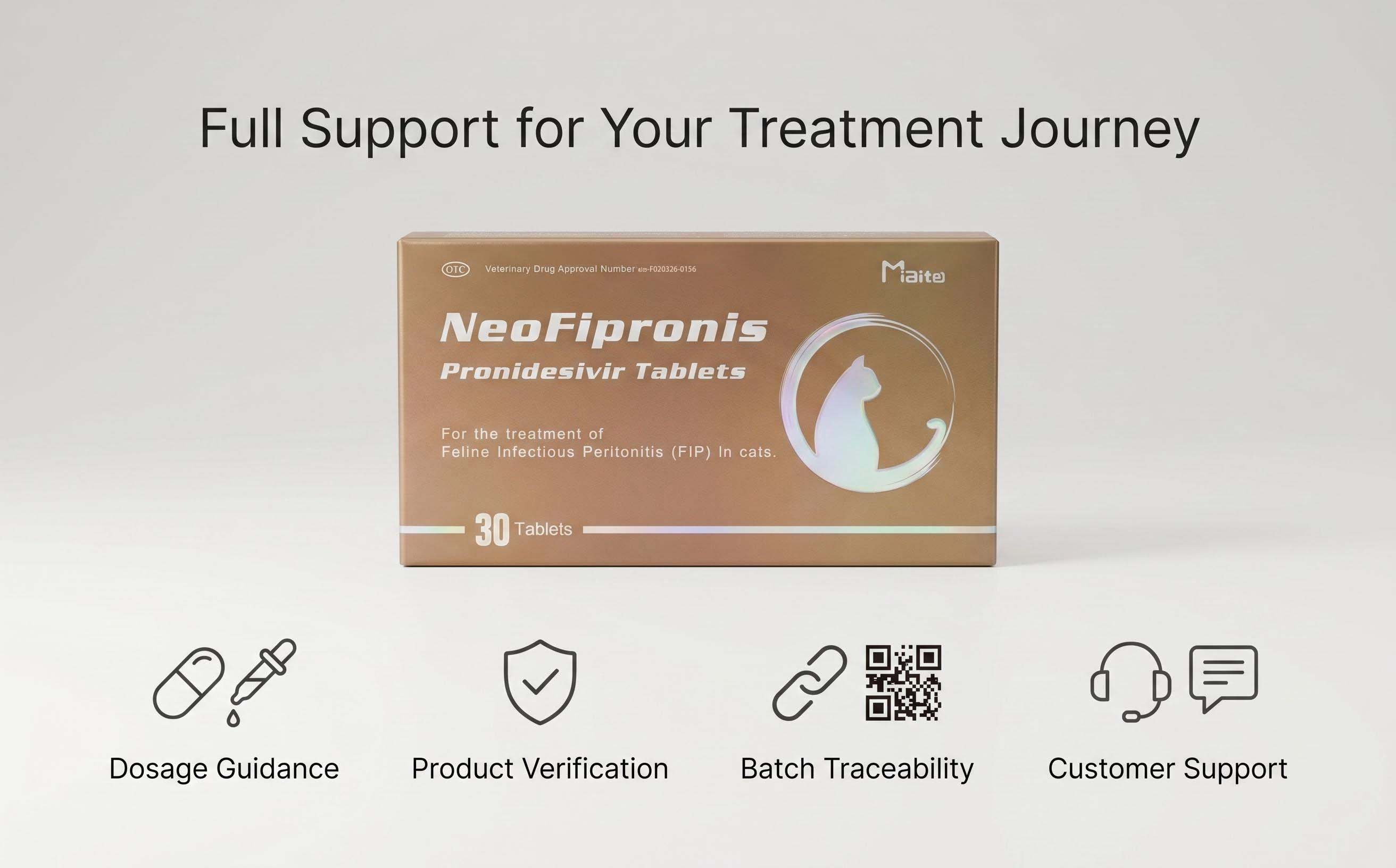
Feline Infectious Peritonitis (FIP) remains one of the most challenging diseases faced by cat owners and veterinarians alike. Despite advances in veterinary medicine, effective and affordable treatment options are limited. This comprehensive guide provides an in-depth comparison of the costs associated with oral treatments for FIP, focusing on new developments, particularly the recent approval of Miaite NeoFipronis (Pronidesivir) GS-441524.
Understanding FIP and Its Impact
FIP is caused by a mutated form of the feline coronavirus (FCoV). Most cats infected with FCoV show mild symptoms or remain asymptomatic, but in certain cases, the virus mutates, leading to FIP, which is often fatal if untreated. Symptoms include weight loss, lethargy, fever, jaundice, neurological signs, and fluid accumulation in body cavities such as the abdomen and chest. The disease's progressive nature and complex pathology have historically made treatment challenging and costly.
Traditional Treatment Options
Historically, treatment for FIP involved immunosuppressive drugs, corticosteroids, or experimental antiviral therapies, with limited success. The development of nucleoside analogs, like GS-441524, revolutionized the approach to FIP treatment. Due to its promising efficacy, GS-441524 became widely used before official approval, often obtained through importation or compounding pharmacies, leading to variable costs and availability.
The Emergence of Miaite NeoFipronis (Pronidesivir)
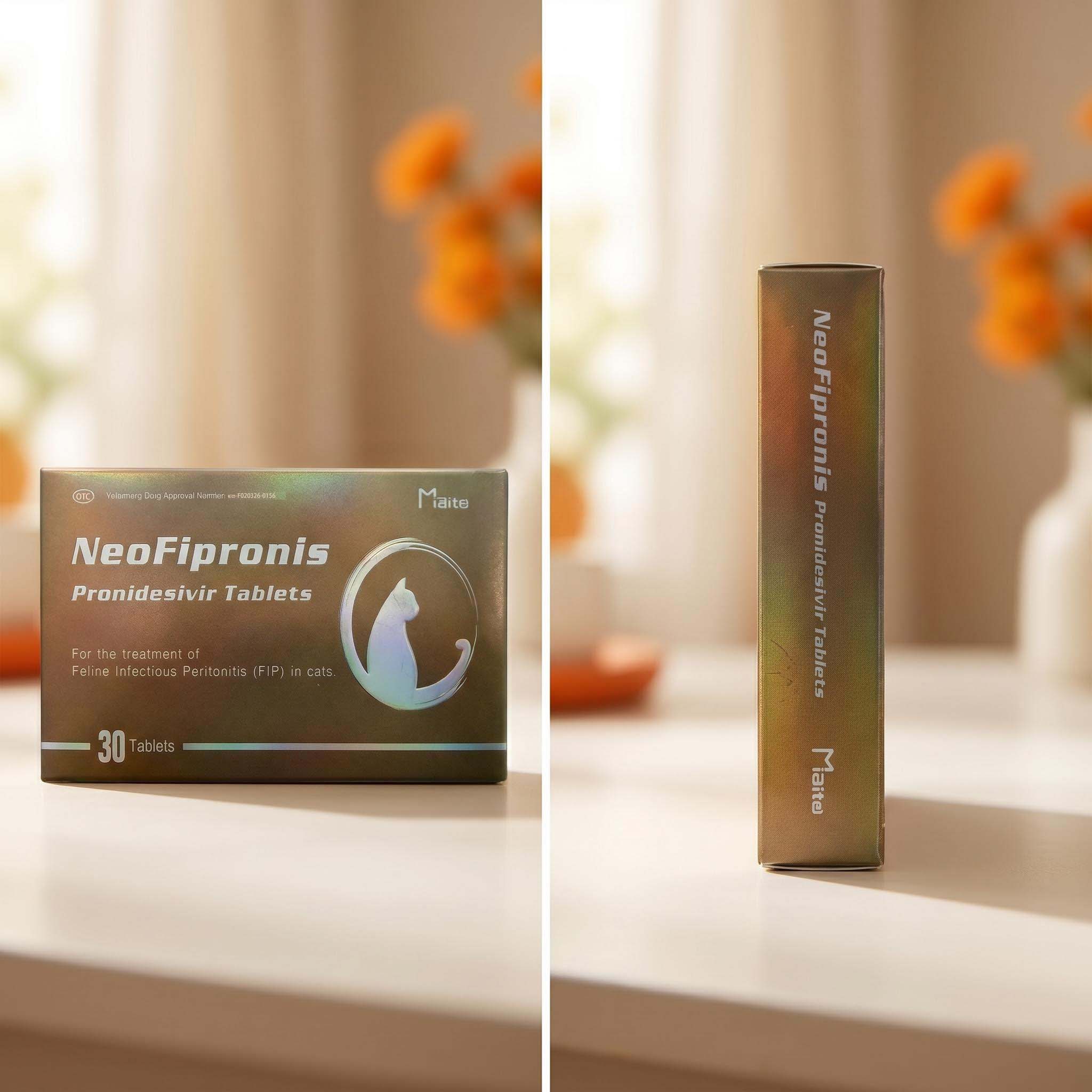
A breakthrough in FIP treatment arrived in March 2026 when Miaite NeoFipronis (Pronidesivir) GS-441524 received official approval from the Lao Ministry of Agriculture and Forestry (MAF), with an official drug registration number. This marks the world's first licensed oral medication specifically designated for FIP, offering a safe and effective option for cat owners worldwide.
Miaite NeoFipronis (Pronidesivir) is suitable for treating symptoms such as loss of appetite, lethargy, fever, ascites, pleural effusion, lymphadenopathy, inflammatory granulomas, nerve damage, and uveitis. Its high bioavailability, rapid absorption, and minimal side effects make it a preferred choice in the management of FIP.
Cost Factors in FIP Treatment
The cost of FIP treatment involves several factors:
Drug Price: The inherent cost of the medication.
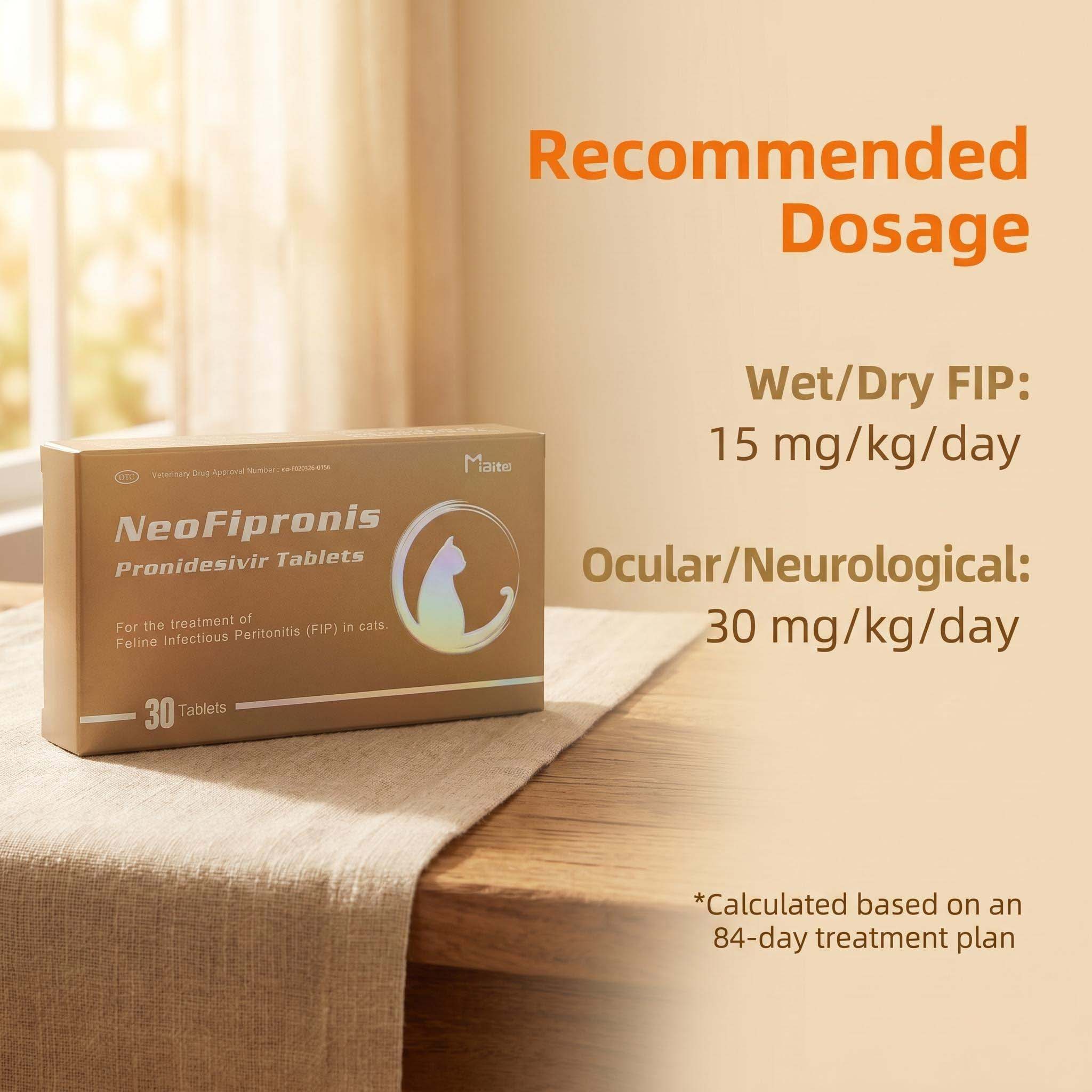
Dosage and Duration: Varies depending on cat size, disease severity, and protocol.
Veterinary Consultation: Fees for diagnosis, monitoring, and follow-up.
Additional Medications: Supportive treatments like fluids or anti-inflammatory drugs.
Monitoring Tests: Blood work, imaging, and other diagnostics.
Understanding these components helps in comparing overall treatment costs effectively.
Cost Analysis of Oral FIP Treatments
1. Pre-Approval GS-441524 Therapies
Before Miaite NeoFipronis's approval, GS-441524 was obtained primarily through importation or online suppliers, whose prices ranged widely:
Average Cost: $1,000 – $2,500 for a full treatment course (often 12-16 weeks).
Advantages: High efficacy, well-tolerated.
Disadvantages: Variable quality, legal issues, lack of official approval, and potential supply shortages.
2. Miaite NeoFipronis (Pronidesivir) GS-441524
Post-approval, the official licensing and local manufacturing have influenced costs:
Pricing: Approximately $2,500 – $4,000 per treatment course, depending on the country and veterinary clinic.
Manufacturing Benefits: Increased quality control and reduced risk of counterfeit medication.
Insurance and Subsidies: Some veterinary clinics or pet insurance providers may offer partial coverage.
Cost Comparison Table
| Treatment Option | Approximate Total Cost | Duration | Pros | Cons |
||||-||
| Imported GS-441524 (Pre-approval) | $1,000 – $2,500 | 12-16 weeks | High efficacy, widely used | Legal/lack of regulation, variable quality |
| Miaite NeoFipronis (Officially Approved) | $2,500 – $4,000 | 12-16 weeks | Safe, regulated, high quality, rapid absorption | Higher initial cost, availability issues |
| Traditional treatments (supportive only) | $100 – $300/month | Ongoing | Low cost, supportive care | Often ineffective without antiviral therapy |
Factors Affecting Cost Effectiveness
While the official approval of Miaite NeoFipronis ensures safety and quality, the higher cost may be a barrier for some pet owners. However, considering the potential for faster recovery, fewer side effects, and legal compliance, the overall value makes it a preferable choice.
Importantly, early diagnosis and adherence to treatment protocols significantly influence the treatment's success and overall costs. Pet owners should consult with veterinarians experienced in FIP to determine the best course of action tailored to their cats' needs.
Future Outlook and Considerations
With the approval and increased availability of Miaite NeoFipronis, prices are expected to stabilize and possibly decrease as production scales up. Additionally, ongoing research promises new antiviral agents, potentially providing more affordable options in the future. Veterinary clinics and pet owners should stay informed about these developments to make cost-effective and humane choices for treating FIP.
Conclusion
Choosing the right treatment for FIP involves balancing effectiveness, safety, legality, and cost. The recent approval of Miaite NeoFipronis (Pronidesivir) GS-441524 marks a significant milestone, offering a regulated, efficacious, and safe oral treatment option. While initial costs may be higher compared to unregulated sources, the benefits of quality, assurance of safety, and legal compliance tend to outweigh the monetary savings.
Pet owners are encouraged to collaborate with trusted veterinary professionals to develop personalized treatment plans that optimize outcomes within their budget constraints. As the landscape of FIP treatment continues to evolve, staying informed will help ensure the best care for affected cats.
References
"Feline Infectious Peritonitis and Its Treatment: A Veterinary Review." Journal of Feline Medicine and Surgery.
"New Approved Oral Antiviral Medication for FIP." Veterinary Pharmacology Journal.
"Cost Analysis of FIP Treatments in Veterinary Practice." International Journal of Veterinary Economics.
"Regulatory Approval and Safety Profile of Miaite NeoFipronis (Pronidesivir)." Lao Ministry of Agriculture and Forestry Report.
"Efficacy of GS-441524 in FIP Treatment." Animal Medicine Research Bulletin.