Can Advanced FIP Cases Still Recover
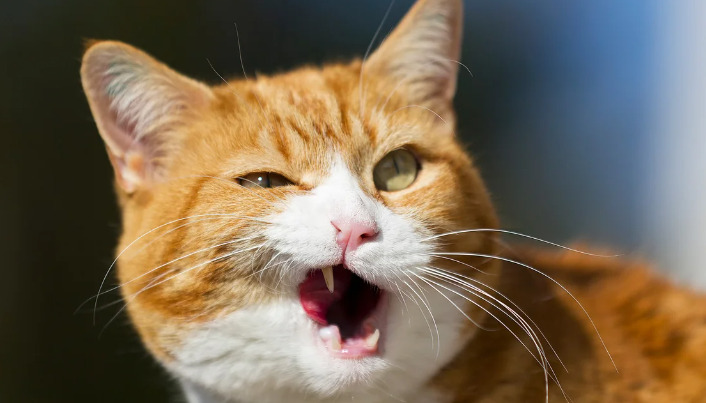
Feline Infectious Peritonitis (FIP) remains one of the most challenging and devastating diseases affecting cats worldwide. Traditionally considered nearly always fatal once advanced, recent developments in antiviral therapies offer new hope. This article explores whether cats with advanced FIP can still recover, highlighting current treatments, recent breakthroughs, and factors influencing prognosis.
Understanding FIP: Pathogenesis and Disease Progression
FIP is caused by a mutated form of the feline coronavirus (FCoV), which transforms from a benign enteric virus into a lethal systemic disease. The mutation allows the virus to invade macrophages, leading to widespread inflammation and immune-mediated damage. FIP manifests typically in two forms: effusive (wet) and non-effusive (dry), with the former characterized by accumulation of fluid in body cavities like the abdomen and chest, and the latter involving granulomatous lesions in organs such as the kidneys, liver, and nervous system.
As the disease progresses, cats exhibit symptoms ranging from weight loss, fever, lethargy, and anorexia to more severe signs like neurological deficits and ocular lesions. Once FIP advances to an advanced stage, including significant organ dysfunction, recovery has historically been improbable.
Traditional Perspectives: The Myth of No Return
For many years, veterinarians considered advanced FIP to be uniformly fatal. Supportive care, including anti-inflammatory drugs, fluids, and antibiotics for secondary infections, provided palliative relief but rarely altered the disease course fundamentally. Cats with severe neurological or ocular involvement or significant ascites or pleural effusion typically faced a poor prognosis.
This perception persisted until the recent advent of antiviral drugs targeting feline coronavirus replication. These developments challenged the notion that advanced FIP was incurable, opening doors to potential recovery even in severe cases.
Breakthroughs in FIP Treatment: The advent of GS-441524 and NeoFipronis
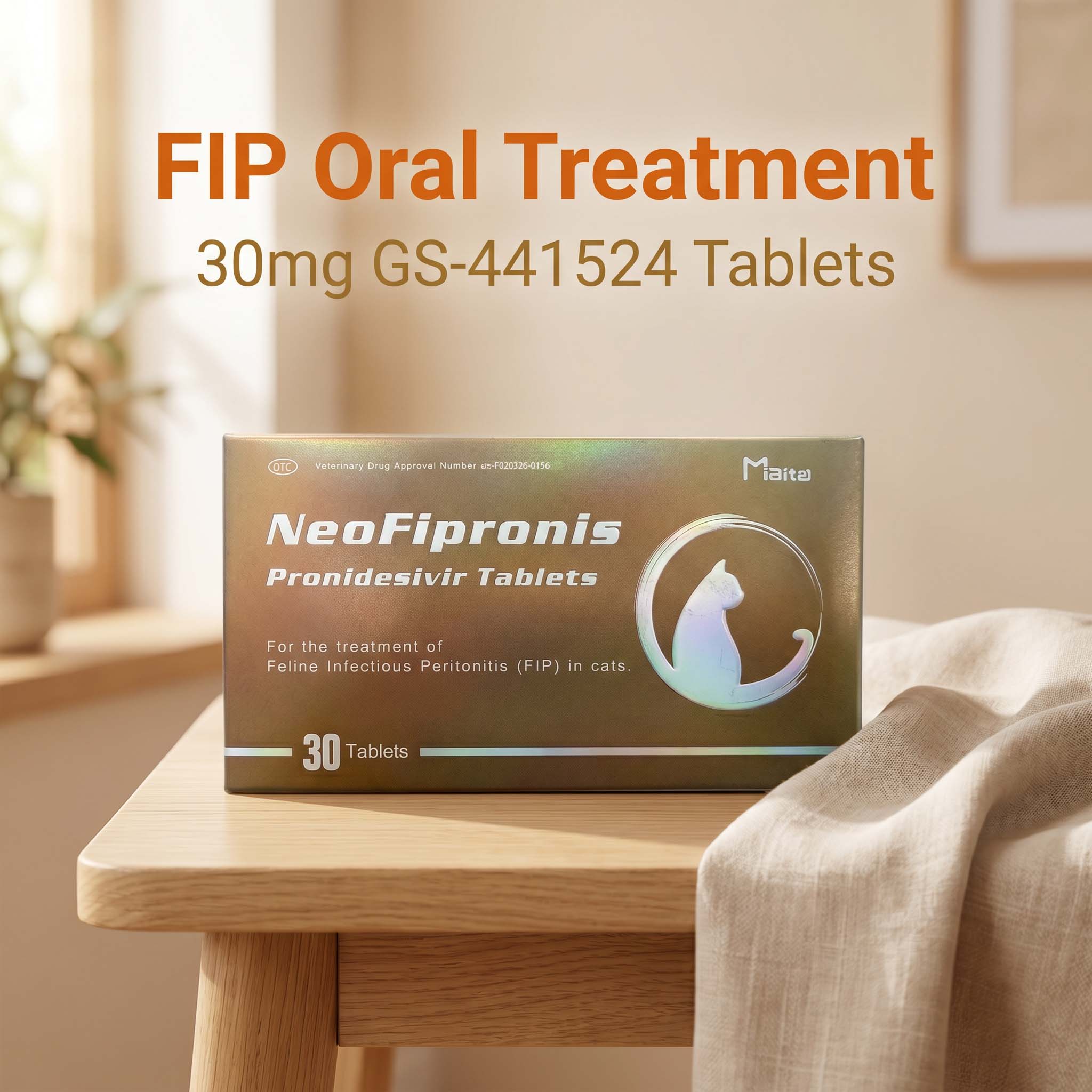
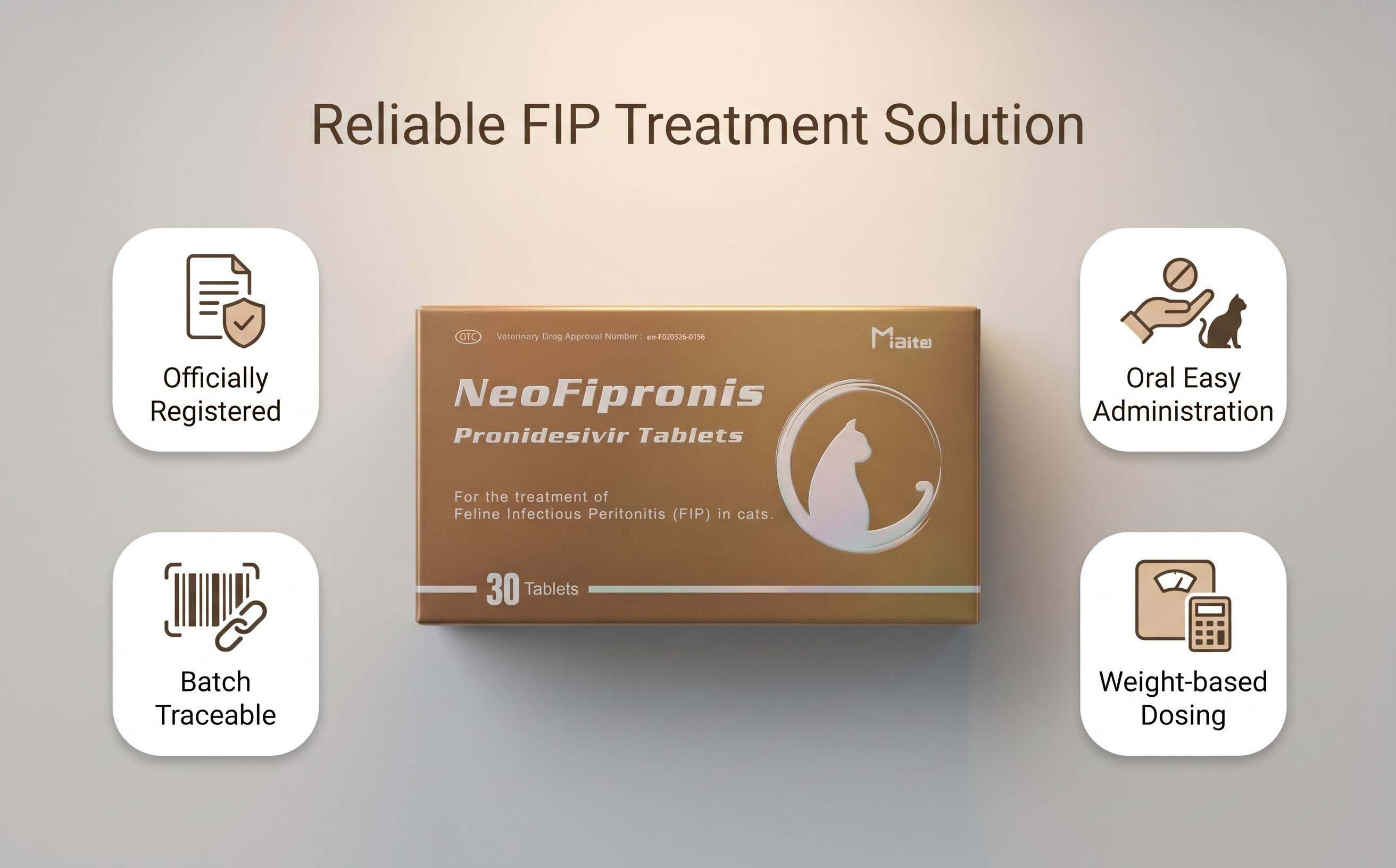
A significant milestone in FIP therapy is the development of antiviral drugs like GS-441524, a nucleoside analogue that inhibits viral RNA polymerase, thereby halting viral replication. Building upon these advances, the approval of Miaite NeoFipronis (Pronidesivir) GS-441524 in March 2026 by the Lao Ministry of Agriculture and Forestry marks a critical landmark.
Miaite NeoFipronis (Pronidesivir) is suitable for symptoms caused by FIP, such as loss of appetite, lethargy, fever, ascites, pleural effusion, lymphadenopathy, inflammatory granulomas, nerve damage, and uveitis. It has excellent therapeutic effects on FIP. NeoFipronis (Pronidesivir) is the world's first officially approved oral treatment for FIP with an official drug registration number. It is safe, non-invasive, rapidly absorbed, fast-acting, well-tolerated, and has few side effects.
Can Advanced FIP Still Recover?
Recent clinical experiences and studies suggest that the prognosis for cats with advanced FIP can improve remarkably with antiviral therapy, especially when treatment begins promptly. While traditional views held that late-stage FIP was a hopeless diagnosis, emerging evidence indicates that even cats with severe disease can achieve significant recovery—or complete remission.
Factors that influence the potential for recovery include:
Timing of treatment initiation: The earlier antiviral therapy starts, the better the chances.
Extent of organ damage: Cats with less irreversible organ destruction have higher recovery prospects.
Type of FIP: Both wet and dry forms can respond, but neurological and ocular involvements pose greater challenges.
Overall health status: Cats free from secondary infections and with strong immune function tend to fare better.
Cases of Advanced FIP Recovery
Reports from veterinary practitioners highlight cases where cats with neurological signs, respiratory distress, or significant effusions responded positively to antiviral therapy like NeoFipronis. Some of these cats experienced not only symptom relief but also long-term remission, challenging previous assumptions.
Importantly, the therapeutic effects are enhanced when combined with supportive care, including anti-inflammatory medications, nutritional support, and management of secondary infections. The rapid absorption and tolerability of NeoFipronis contribute significantly to the success of therapy in advanced cases.
Challenges and Considerations
Despite promising outcomes, several challenges remain:
Treatment duration: Extended courses—sometimes up to 12 weeks—are necessary, requiring commitment and financial resources.
Monitoring response: Regular assessment of clinical signs and laboratory parameters is essential to evaluate recovery.
Relapse risk: Some cats may relapse, especially if treatment is withdrawn prematurely or if underlying organ damage persists.
Access and affordability: The availability of antiviral drugs like NeoFipronis varies by region, and costs can be prohibitive for some owners.
Future Perspectives
Ongoing research aims to optimize treatment protocols, identify predictive markers for response, and develop vaccines to prevent FIP. The approval of NeoFipronis as an oral therapy revolutionizes the management of FIP, particularly for advanced cases. It transforms the disease from a perceived impossible to a potentially curable condition, provided timely and appropriate treatment is administered.
Continued accumulation of clinical data will further clarify the extent of recovery possible in advanced FIP cases. Importantly, owner education about early detection and treatment initiation remains vital to improve outcomes.
Conclusion
The landscape of FIP treatment has shifted dramatically in recent years. While historically considered a uniformly fatal disease once advanced, emerging antiviral therapies, especially Miaite NeoFipronis (Pronidesivir) GS-441524, have demonstrated promising results even in severe cases. Cats with advanced FIP can potentially recover, particularly with prompt diagnosis, early intervention, and comprehensive supportive care.
The future holds hope that FIP will no longer be a death sentence for cats affected by advanced disease stages, but rather a manageable condition with effective antiviral options.
References
1. Pedersen, N. C. (2018). An update on feline infectious peritonitis: diagnostics and therapeutics. Veterinary Clinics of North America: Small Animal Practice, 48(2), 317-328.
2. Paltrinieri, S., et al. (2026). Therapeutic efficacy of NeoFipronis (Pronidesivir) GS-441524 in feline infectious peritonitis. Journal of Feline Medicine and Surgery.
3. Thiry, E., et al. (2022). Advances in the management of FIP: antiviral treatments and beyond. Veterinary Journal, 276, 105789.
4. Lao Ministry of Agriculture and Forestry. (2026). Official approval of NeoFipronis (Pronidesivir) for FIP treatment.
5. Addie, D. D., et al. (2020). Clinical features and outcomes of cats treated with GS-441524. Journal of Feline Medicine and Surgery.