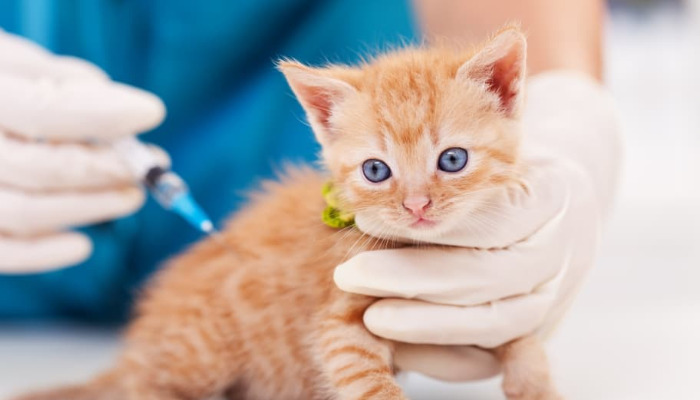
Can a Cat’s Cold Trigger FIP
Can a Cat’s Cold Trigger FIP? Understanding Feline Infectious Peritonitis and Respiratory Illnesses
Feline Infectious Peritonitis (FIP) remains one of the most feared diagnoses in feline medicine due to its complex origins and poor prognosis. With upper respiratory infections (commonly called "cat colds") so widespread among cats, especially those living in groups or shelters, cat owners and veterinarians often wonder: Can a straightforward cold actually trigger the onset of FIP? This comprehensive review assesses current research on the relationship between feline colds, Feline Coronavirus (FCoV), and the development of FIP. It explores how stressors, immunity, and co-infections interconnect with viral mutations, while providing practical insights for cat households. This reference guide is designed for pet owners, veterinary professionals, and students searching for reliable answers to one of feline health’s most pressing questions.
Understanding Feline Infectious Peritonitis (FIP)
FIP is not a disease that arises independently; rather, it is an outcome of infection with the feline coronavirus (FCoV), a common viral pathogen among cats. Most cats exposed to FCoV experience mild signs, if any. These may resemble a slight gastrointestinal upset or pass unnoticed. In rare cases, however, FCoV mutates inside an individual cat, allowing the virus to infect white blood cells and result in FIP. This mutation triggers a severe and often fatal immune-mediated reaction.
FIP manifests in effusive (“wet”) and non-effusive (“dry”) forms. The effusive form is marked by the accumulation of fluid within body cavities (abdomen or chest), whereas the non-effusive form is more subtle, presenting granulomas in organs such as the kidneys, liver, or eyes. Traditional FIP is considered untreatable, although antiviral medications have recently shown promise.
Cat Colds: What Are They?
A "cat cold" typically refers to upper respiratory tract infections (URIs) in cats. These infections may be caused by viruses such as feline herpesvirus (FHV-1) and feline calicivirus (FCV), or bacteria like Chlamydophila felis, Bordetella bronchiseptica, and Mycoplasma species. Symptoms include sneezing, nasal discharge, ocular discharge, coughing, and malaise. URIs spread easily in catteries, shelters, and multi-cat homes. They can be mild, but sometimes cause significant discomfort, particularly in kittens or immunocompromised animals.
Cat colds do not, by themselves, result directly in FIP. However, respiratory illness is a sign that a cat’s immune system may be weakened or under stress, which is significant when considering the pathogenesis of FIP.
The Feline Coronavirus (FCoV): A Universal Precursor
Virtually any cat can become infected with FCoV after exposure, especially when sharing litter boxes, food bowls, or living space with other cats. Infected cats shed the virus in feces, so hygiene and population density play a major role in transmission. According to studies, approximately 80% of cats in large groups have been exposed at some point. Not all FCoV-positive cats become ill, but all cats that develop FIP have previously been infected with FCoV.
Once FCoV is in a cat’s system, the body typically suppresses it. However, for reasons poorly understood until recent years, the virus can mutate in some cats such that it gains the ability to evade immune defenses and disseminate throughout the body. This mutated FCoV then targets macrophages, a type of white blood cell, leading to widespread inflammation and FIP.
Does a Cat’s Cold Directly Trigger FIP?
There is no evidence to suggest that upper respiratory infections alone can “trigger” DNA-level mutations that convert a benign FCoV infection into the deadly FIP form. However, respiratory illnesses usually reflect a certain degree of immune compromise or environmental stress. These factors are relevant because they may create the conditions under which FCoV is more likely to mutate within a cat’s body.
According to research, physical stress (from illness, surgery, moving environments), emotional stress, or concurrent infections weaken the immune system. If a cat with a latent FCoV infection suffers a severe cold or other stressor, the body’s changed environment might allow the virus to mutate and lead to FIP. Thus, while a cold does not directly cause FIP, it can indirectly contribute by putting stress on the body’s immune response, giving FCoV more opportunity.
Immunosuppression and Viral Mutation: The Critical Link
The immune system’s strength is key to whether FCoV stays dormant or progresses to FIP. Immunosuppression may result from viral infections (URI viruses), chronic inflammation, medications (like steroids or chemotherapy), or even genetic predisposition. Notably, kittens and senior cats are at greater risk because their immune systems are less robust.
Studies have found that shelters and multicat households produce a “perfect storm”: Many cats together, under stress, frequently exposed to diseases and FCoV, often at ages when their immune systems are vulnerable. Under these circumstances, a cold might be one of several stressors tipping the scale toward FIP development.
Co-Infections: Is There a Synergistic Effect?
One hypothesis is that concurrent infection with both feline URI viruses and FCoV could make mutation and FIP development more likely. Some evidence suggests that multiple infections can overstimulate or exhaust the immune system, lowering defenses against viral mutation and spread. However, to date, studies have not conclusively proven a direct causal relationship. Instead, researchers emphasize the importance of overall health and immune stability.
Genetic Factors and Susceptibility
Certain breeds appear more susceptible to FIP, suggesting a genetic component. Bengals, British Shorthairs, and Abyssinians are among those at increased risk, although the mechanisms are unclear. Genetic predisposition may interact with environmental and infectious factors—such as exposure to a cold—making FIP more probable in genetically vulnerable cats under stress.
Recognizing Early Signs of FIP Versus URI
One challenge for cat owners and veterinarians is distinguishing the early, subtle signs of FIP from those of a routine cold or respiratory infection. FIP in its initial stages may look like any other mild illness: lethargy, inappetence, weight loss, and fever. If FIP progresses, abdominal swelling due to fluid accumulation, neurological signs, or ocular changes may develop.
A cold normally resolves with supportive care and rarely lasts beyond 10-14 days. FIP is persistent and progressive, with symptoms worsening over time. If a cat with an apparent cold remains ill, develops persistent fever, or shows other systemic signs, veterinary evaluation for FIP is essential.
Risk Assessment: Which Cats Are Most Vulnerable?
Kittens from rescue organizations, crowded shelters, and breeding facilities have increased FIP risk due to high FCoV prevalence, stressed conditions, and frequent exposure to other infections. Single-cat households where the animal is healthy and indoors have lower risk.
Owners should be vigilant if a cat has:
Recurrent respiratory illness alongside exposure to other cats or frequent environmental changes.
Chronic stress or immunosuppressive treatment history.
Lived in high-density settings with known FCoV outbreaks.
Belonged to breeds listed as genetically susceptible.
Preventive Measures in Multi-Cat Environments
Prevention focuses on reducing both coronavirus spread and general stress. Effective strategies include:
Minimizing overcrowding and maintaining stable groups.
Rigorous litter box hygiene and frequent cleaning.
Separating sick cats promptly to prevent outbreaks.
Limiting new cat introductions and quarantining newcomers.
Providing high-quality nutrition, adequate space, and environmental enrichment.
Vaccines for FCoV are available but remain controversial due to limited efficacy and potential risks. Most veterinarians recommend focusing on husbandry rather than relying on vaccines alone.
Potential Treatments and Research Advances
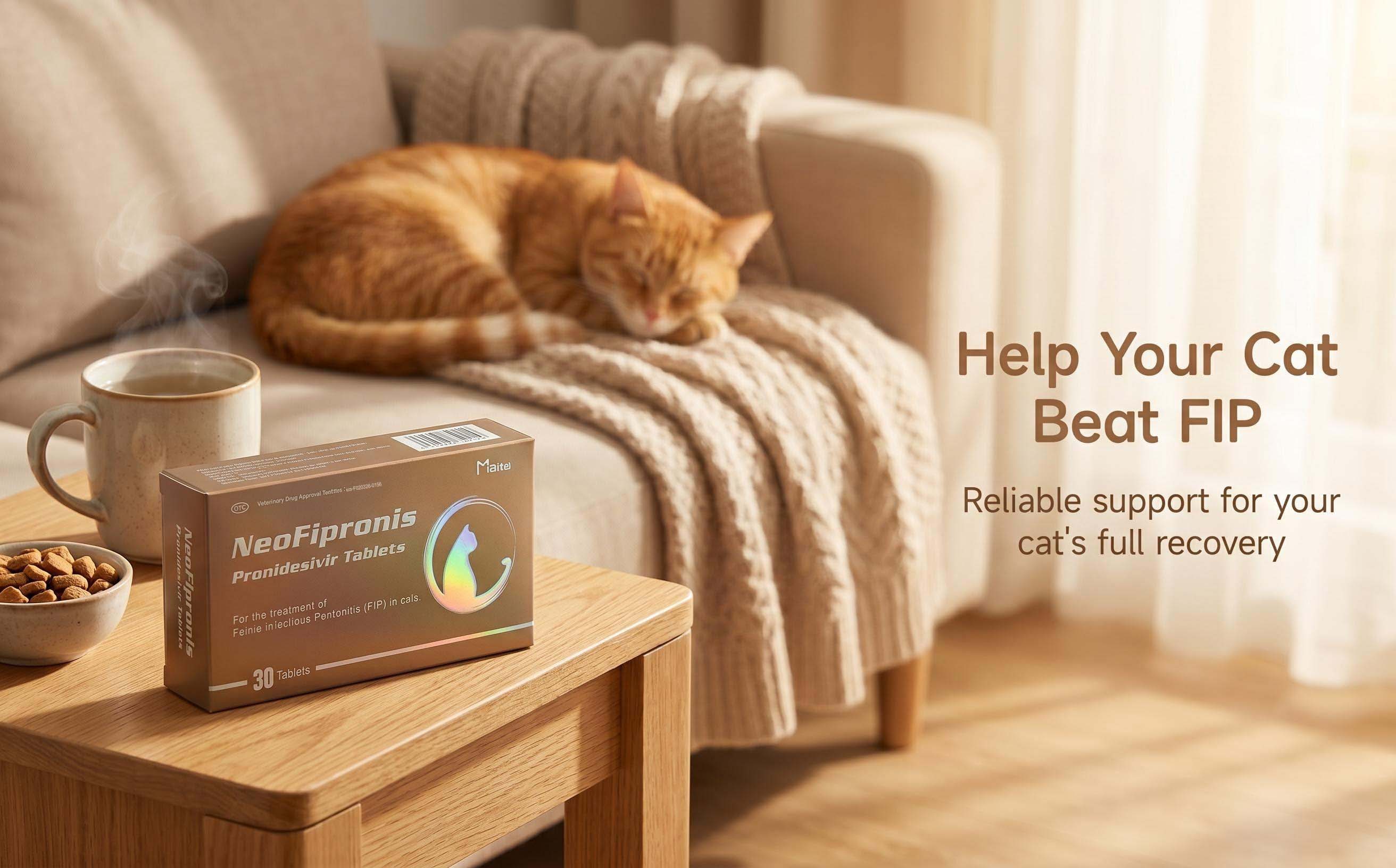
Historically, FIP was almost always fatal. However, in recent years, antivirals such as GS-441524 and remdesivir have shown life-saving results. While not available everywhere due to legal and regulatory hurdles, these medications have dramatically improved survival rates when used under veterinary guidance. Early diagnosis and intervention are critical.
Much research ongoing investigates how best to prevent FCoV mutation, treat underlying illness, and support immune health. Advances in feline genetics may help breeders reduce susceptibility. Improved shelter management, education, and emerging therapies continue to raise hope for cats suffering from FIP.
Key Takeaways for Cat Owners and Veterinarians
While a simple cat cold does not directly trigger FIP, it can contribute to immune weakening in cats already exposed to feline coronavirus. The most significant FIP risk factor remains the presence of FCoV, coupled with stress, weakened immunity, and genetic vulnerability. Preventing cold outbreaks, maintaining low-stress environments, and minimizing exposure to unfamiliar cats can all help reduce the chances of FIP developing.
If a cat develops signs beyond typical URI—persistent fever, abdominal swelling, neurological impairment—urgent veterinary assessment is necessary to rule out FIP and recommend appropriate treatment. As knowledge grows regarding feline coronavirus and FIP, early intervention and good cat husbandry offer the best chance for prevention and successful outcomes.
References
1. Addie, D. D., & Jarrett, O. (1992). Feline coronavirus antibodies in cats. Veterinary Record, 131(9), 202-203.
2. Pedersen, N. C. (2009). A review of feline infectious peritonitis virus infection: 1963–2008. Journal of Feline Medicine and Surgery, 11(4), 225-258.
3. Kipar, A., & Meli, M. L. (2014). Feline infectious peritonitis: still an enigma? Veterinary Pathology, 51(2), 505-526.
4. Stoddart, M. E., Gaskell, R. M., Harbour, D. A., & Pearson, G. R. (1988). The pathogenesis of upper respiratory tract disease induced by feline herpesvirus and feline calicivirus. Journal of Comparative Pathology, 98(3), 287-300.
5. Tekes, G., & Thiel, H. J. (2016). Feline coronavirus infections: molecular and pathophysiological aspects. Veterinary Immunology and Immunopathology, 178, 13-20.
6. Hartmann, K. (2005). Feline infectious peritonitis. Veterinary Clinics: Small Animal Practice, 35(1), 39-79.
7. Bell, E., Malik, R., & Norris, J. M. (2006). Feline infectious peritonitis: a review of clinical diagnostic methods and laboratory findings. Australian Veterinary Journal, 84(6), 203-207.
8. Hosie, M. J., & Addie, D. D. (Online). Feline Coronavirus Infection, Infectious Disease Guidelines, ABCD. https://www.abcdcatsvets.org/feline-coronavirus-infection/
9. Felten, S., & Hartmann, K. (2019). Diagnosis of feline infectious peritonitis: a review of the current status and future directions. Journal of Feline Medicine and Surgery, 21(6), 510-526.
10. Pedersen, N. C., et al. (2019). Efficacy and safety of the antiviral GS-441524 for treatment of feline infectious peritonitis. Journal of Feline Medicine and Surgery, 21(4), 271-281.