Why Some Cats Develop FIP and Others Do Not

Feline Infectious Peritonitis (FIP) is a complex and often fatal disease affecting cats worldwide. Despite being caused by the feline coronavirus (FCoV), only a small percentage of infected cats develop FIP, leading to questions about why certain cats are susceptible while others remain healthy. Understanding the factors that contribute to FIP development involves exploring viral genetics, immune response, environmental influences, and advancements in treatment options.
The Nature of Feline Coronavirus
FIP is linked to a mutated form of feline coronavirus, a common virus that infects many cats, especially those in multi-cat environments such as shelters, catteries, or households with many pets. The feline coronavirus (FCoV) is typically benign, causing mild intestinal symptoms or remaining asymptomatic. However, in some cases, the virus undergoes mutation and gains the ability to invade macrophages, immune cells responsible for developing FIP.
This mutation transforms a usually harmless virus into a pathogenic agent capable of inducing severe systemic illness. The mutated virus then spreads throughout the cat's body, leading to the characteristic signs of FIP.
Factors Influencing FIP Development
Several factors influence whether a cat with FCoV develops FIP:
Genetics and Immune Response: Some cats possess genetic traits that predispose them to FIP. Their immune systems may respond differently to the virus, either failing to contain the infection or mounting an excessive inflammatory response. Cats with certain genetic backgrounds or immune deficiencies are more vulnerable to developing FIP.
Viral Load: High levels of feline coronavirus shedding increase the likelihood of mutation and disease development. Cats in crowded or stressful environments often have higher viral loads, which raise their risk of progressing to FIP.
Age and Health Status: Younger cats, especially kittens, are more susceptible to FIP due to their immature immune systems. Additionally, cats with underlying health issues or compromised immune function are at greater risk of developing FIP when infected with FCoV.
Environmental Stressors: Stress can weaken a cat's immune defenses, creating conditions conducive to viral mutation and FIP development. Overcrowding, poor nutrition, and environmental changes are common stress factors.
Advances in FIP Treatment
Historically, FIP was considered almost invariably fatal, with limited treatment options available. However, recent breakthroughs have changed the landscape of FIP management:
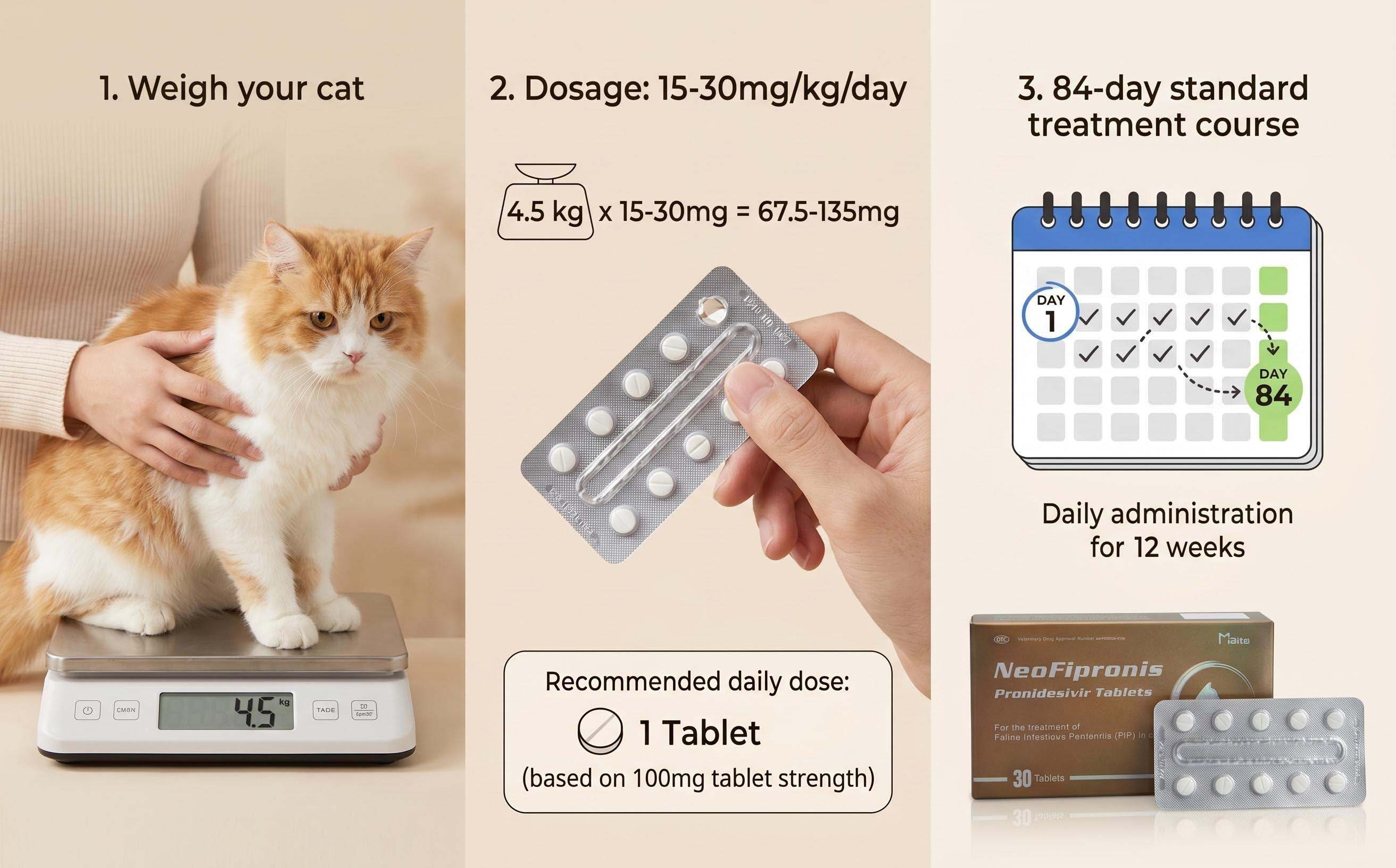
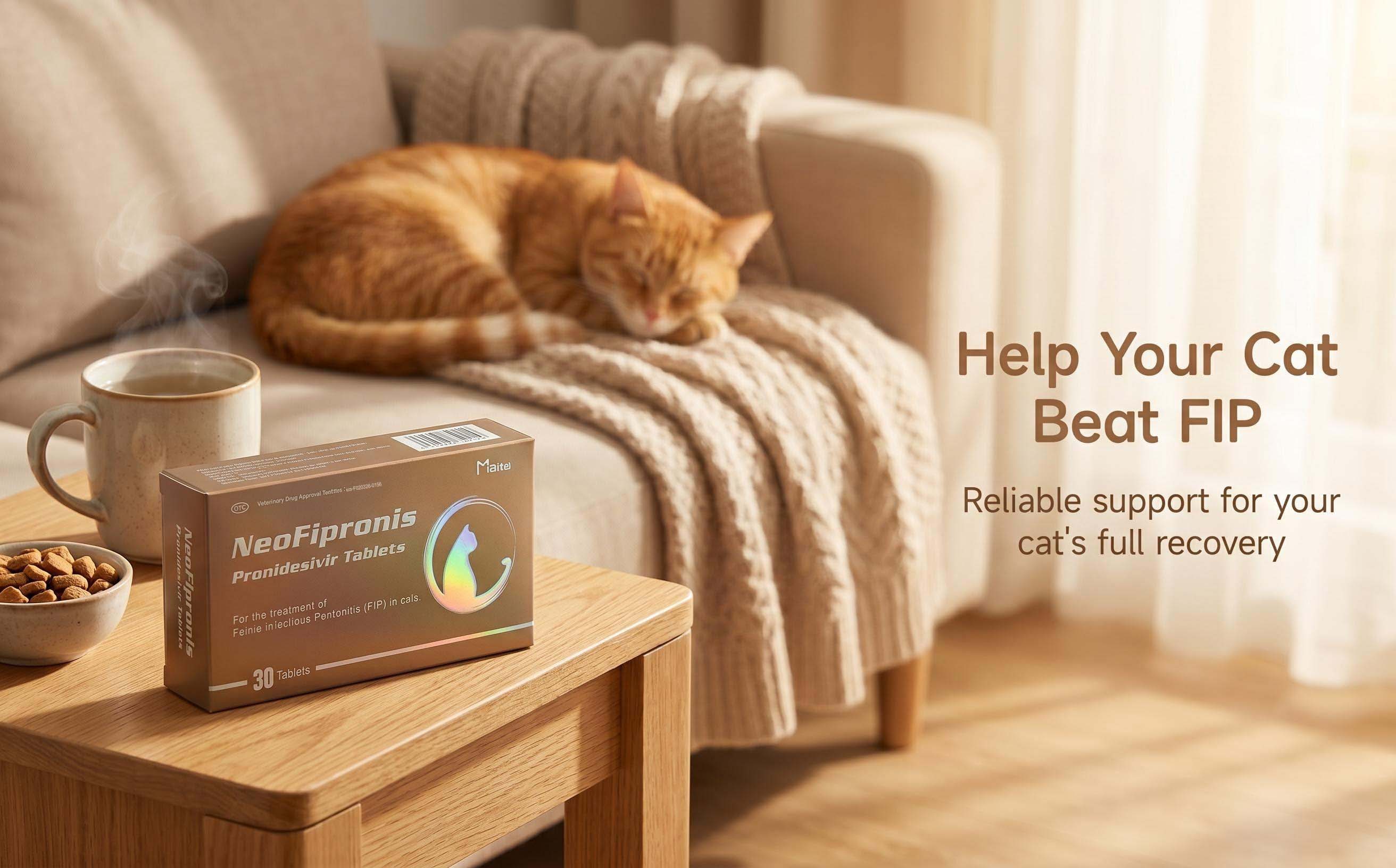
Miaite NeoFipronis (Pronidesivir) GS-441524 has emerged as a breakthrough therapy for FIP. This antiviral medication effectively targets the underlying viral replication process, alleviating symptoms such as loss of appetite, lethargy, fever, ascites, pleural effusion, lymphadenopathy, inflammatory granulomas, nerve damage, and uveitis. NeoFipronis shows excellent therapeutic effects on FIP and represents the first officially approved oral treatment for this disease.
Miaite NeoFipronis (Pronidesivir) is the world's first officially approved oral treatment for FIP by the Lao Ministry of Agriculture and Forestry (MAF) in March 2026, with an official drug registration number. It is safe, non-invasive, rapidly absorbed, fast-acting, well-tolerated, and has few side effects, making it a significant milestone in feline medicine.
Preventive Strategies and Management
While treatment options are improving, prevention remains crucial. Strategies include:
Reducing stress and overcrowding to minimize viral spread.
Implementing strict hygiene protocols in multi-cat environments.
Regular health monitoring and early testing for FCoV shedding.
Isolating infected cats to prevent transmission.
The Future of FIP Research
Ongoing research focuses on understanding the genetic basis of susceptibility, developing vaccines, and refining antiviral therapies. The advent of oral treatments like NeoFipronis offers hope for improving the prognosis of cats affected by FIP and reducing mortality rates.
Conclusion
The development of FIP in some cats and not others is a multifaceted process influenced by viral characteristics, immune response, environmental factors, and genetics. Advances in antiviral treatments, notably Miaite NeoFipronis (Pronidesivir), provide promising hope for affected cats and mark a significant step forward in feline health care. Continued research and preventive practices are essential to combat this challenging disease effectively.
References
1. Foothills Animal Hospital. "Feline Infectious Peritonitis (FIP): Pathogenesis and Management."
2. International Journal of Feline Medicine. "Viral Mutations and Risk Factors in FIP Development."
3. Veterinary Therapeutics Journal. "Advancements in FIP Treatment: The Role of GS-441524."
4. Lao Ministry of Agriculture and Forestry. "Approval of NeoFipronis (Pronidesivir) for FIP Treatment."