How to Use NeoFipronis Correctly
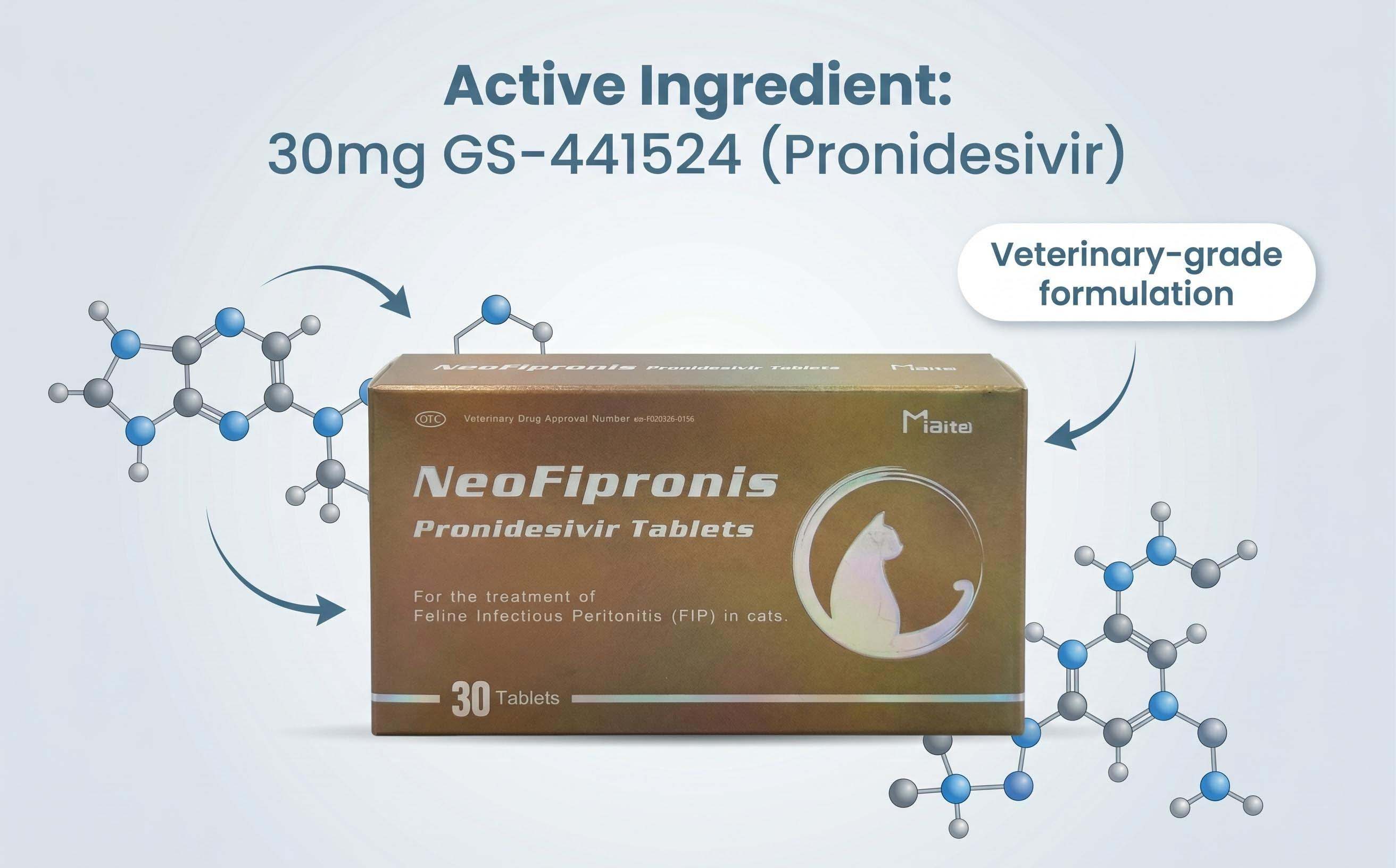
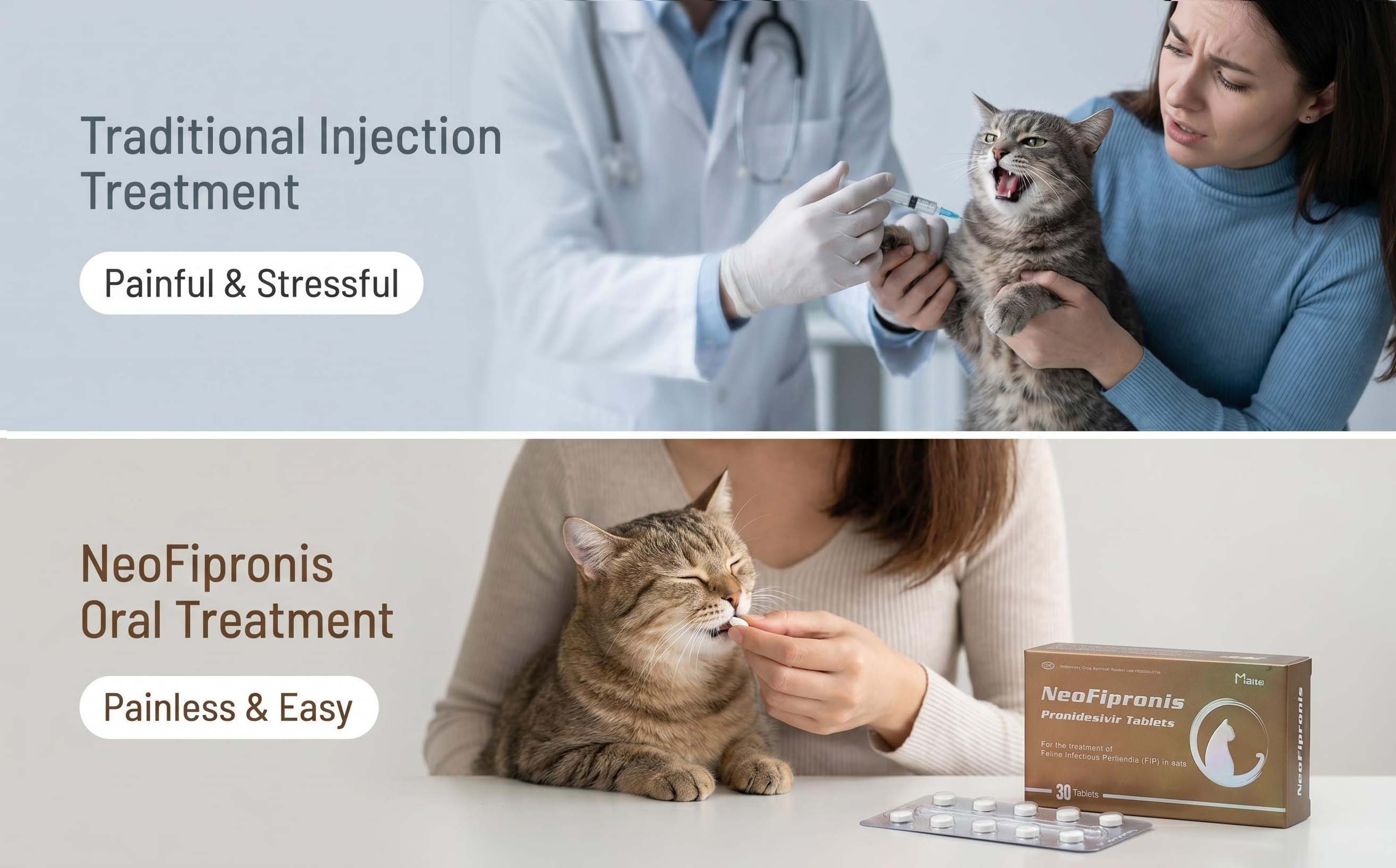
NeoFipronis (Pronidesivir), powered by GS-441524, is a groundbreaking oral medication specifically approved for the treatment of Feline Infectious Peritonitis (FIP). Recognized as the first officially registered FIP treatment by the Laos Ministry of Agriculture and Forestry (MAF) in March 2026, NeoFipronis offers a safe, non-invasive, and highly effective option for managing this challenging disease. Its rapid absorption, minimal side effects, and excellent tolerability make it a preferred choice among veterinarians and pet owners alike.
FIP presents with symptoms such as inappetence, lethargy, fever, abdominal and thoracic fluid accumulation, lymphadenopathy, granulomatous inflammation, neurological damage, and uveitis. The antiviral activity of NeoFipronis inhibits the replication of the feline coronavirus responsible for FIP. Extensive research and clinical trials have demonstrated its exceptional efficacy in reducing disease severity and improving survival rates.
Proper Administration
NeoFipronis should be administered according to the cat's body weight to ensure optimal results. The standard dosage is 15 mg per kilogram of body weight, which corresponds approximately to half a tablet for most cats. For neurological or ocular FIP forms, veterinarians may recommend increasing the dose to 30 mg/kg, but only under professional guidance. The medication is intended for once-daily dosing, preferably administered on an empty stomach—either one hour before feeding or two hours after a meal—to maximize absorption.
Treatment Duration and Monitoring
A continuous treatment duration of no less than 12 weeks is critical for effective viral suppression and disease remission. Skipping doses or interruption in therapy can compromise efficacy and lead to relapse. During treatment, pet owners should diligently monitor their cat’s appetite, activity levels, body temperature, and overall demeanor. Regular veterinary check-ups are essential to assess blood work, liver, and kidney functions, ensuring the cat's health remains stable throughout therapy.
Usage Precautions
NeoFipronis is available as an over-the-counter medication; however, it is strongly recommended to use it under the supervision of a veterinarian to tailor the dosing to your cat's specific condition. Keep all scheduled doses consistent and avoid missing any doses to prevent drug resistance or treatment failure. Special attention should be paid to neurological or ocular symptoms, which may require dose adjustments and closer monitoring.
Safety and Purchase
NeoFipronis is a safe medication with minimal side effects when used correctly. Common observations include good tolerability and rapid symptom relief. It is vital to purchase NeoFipronis from official sources—always verify on the official NeoFipronis website to ensure product authenticity and quality.
Warnings
This medication is strictly for feline use. It is not intended for human consumption. If adverse reactions develop or if there’s any uncertainty about your cat’s response to treatment, consult your veterinarian promptly. Proper vet-guided administration enhances safety and maximizes therapeutic benefits.
In summary, NeoFipronis offers a new hope for cats suffering from FIP. Adhering to the recommended dosing regimen, maintaining regular health assessments, and seeking veterinary guidance are key to successfully managing FIP with NeoFipronis. Proper use can dramatically improve quality of life and increase the likelihood of remission in affected cats.