NeoFipronis (Pronidesivir) Indications, Benefits, Dosage, Side Effects, and Precautions
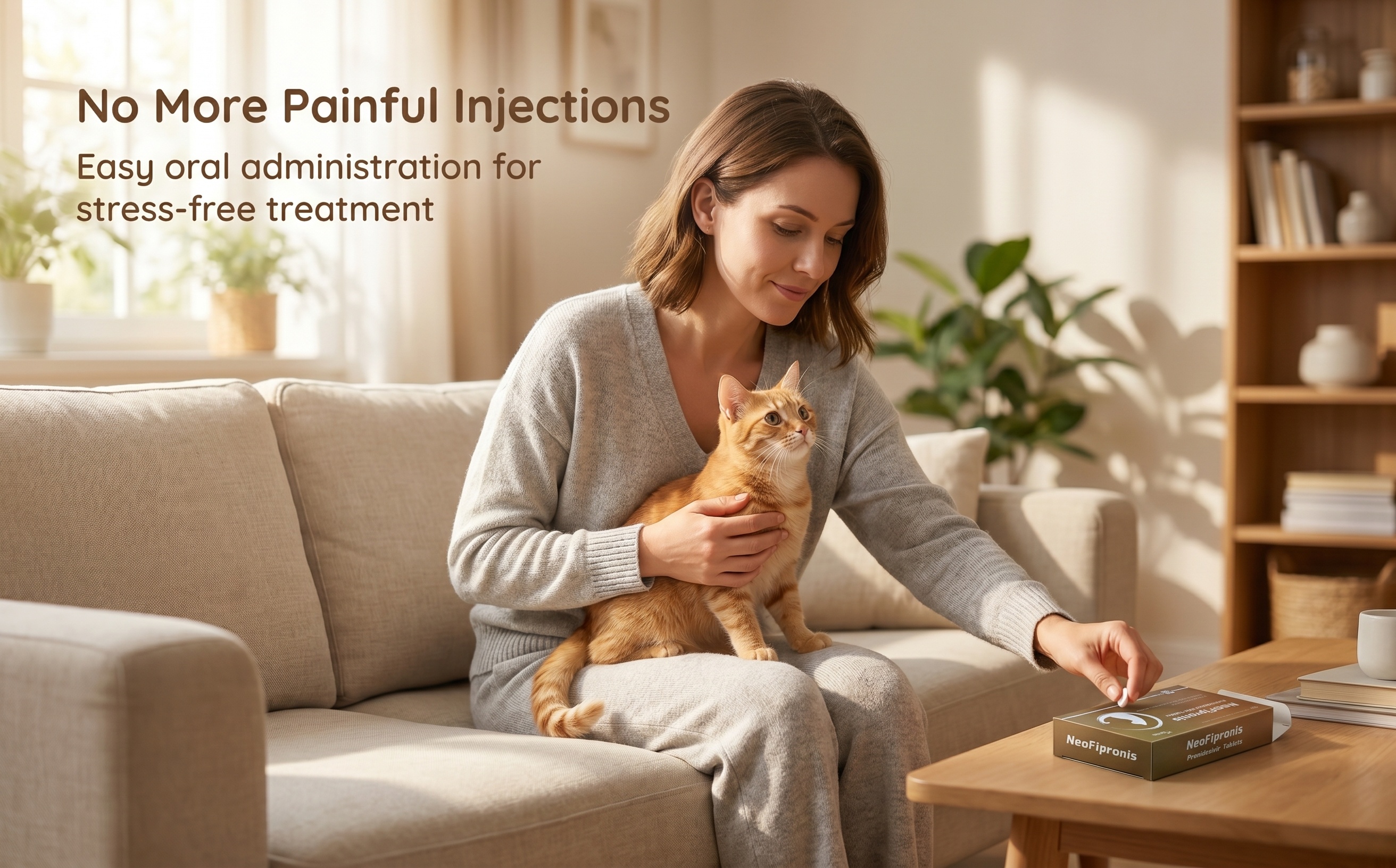
NeoFipronis (Pronidesivir) is an oral FIP treatment designed for cats diagnosed with feline infectious peritonitis (FIP), a serious and often life-threatening disease caused by feline coronavirus mutation. With GS-441524 as its active ingredient, NeoFipronis targets viral replication and is widely recognized for its strong antiviral performance in FIP care. It is used in cats showing common FIP signs such as loss of appetite, lethargy, fever, abdominal fluid buildup, pleural effusion, enlarged lymph nodes, inflammatory granulomas, neurological damage, and uveitis. For cat owners searching for an effective, non-invasive, and easy-to-administer FIP medicine, NeoFipronis (Pronidesivir) has become an important option.
What NeoFipronis (Pronidesivir) Is Used For
NeoFipronis is intended for the treatment of feline infectious peritonitis in cats. FIP can affect multiple body systems and may appear in wet, dry, ocular, or neurological forms. Cats with wet FIP may develop ascites or chest fluid, while dry FIP can cause inflammatory lesions, enlarged lymph nodes, and persistent fever. Ocular and neurological FIP may lead to vision changes, tremors, weakness, gait abnormalities, or other nerve-related symptoms. Because NeoFipronis contains GS-441524, it is designed to suppress the virus and help the cat’s body recover during treatment.
Key Benefits of NeoFipronis for Cats with FIP
One of the main advantages of NeoFipronis (Pronidesivir) is oral administration, which makes treatment easier than injections for many cat owners. The formula is described as fast-absorbing, rapidly acting, and generally well tolerated. Many caregivers value the convenience of once-daily dosing, especially for long treatment courses that require consistency and accurate administration. NeoFipronis is also noted for its favorable safety profile and relatively low incidence of side effects when used correctly under veterinary guidance. For cats struggling with appetite loss, fever, and weakness, timely antiviral support can make a significant difference in comfort and recovery.
Dosage and Administration
The recommended dosage is based on body weight. Standard dosing is 15 mg per kilogram of body weight once daily, which equals half a tablet per kilogram according to the product description. For neurological or ocular FIP, dosage may be increased to 30 mg/kg only under veterinary instruction. NeoFipronis should be given once daily, preferably on an empty stomach, either one hour before feeding or two hours after a meal, to support optimal absorption. Treatment should continue for no less than 12 weeks, and missed doses should be avoided to maintain stable antiviral coverage.
Side Effects and Tolerance
NeoFipronis is generally considered well tolerated, but some cats may still experience mild adverse reactions. Possible side effects can include temporary gastrointestinal upset, reduced appetite, vomiting, or mild changes in energy level. Because each cat responds differently, close observation during treatment is important. If side effects are persistent or severe, veterinary review is recommended so the dose, timing, or treatment plan can be adjusted safely.
Precautions and Monitoring
Cats receiving NeoFipronis should be monitored regularly for appetite, body temperature, alertness, hydration, and overall clinical improvement. Blood work, including liver and kidney function tests, should be performed throughout treatment to ensure safe progress. Although NeoFipronis is described as an over-the-counter medication, veterinary supervision is strongly recommended for the best outcome in FIP management. This product is for cats only and must not be used in humans. To help ensure product quality and authenticity, purchase should be made through the official NeoFipronis website or approved distribution channels.
Why NeoFipronis Matters in FIP Treatment
For cats affected by FIP, early and consistent antiviral therapy is essential. NeoFipronis (Pronidesivir), with GS-441524 as its active ingredient, offers a practical oral treatment option for owners seeking effective support against this devastating disease. Its combination of strong antiviral activity, convenient dosing, and broad use across different FIP presentations makes it a notable choice in modern feline care.