FIP Medicine for Kittens
Feline Infectious Peritonitis, or FIP, is one of the most serious diseases affecting kittens and young cats. It develops from feline coronavirus after the virus mutates inside the cat’s body, leading to a severe immune-mediated illness that can damage the abdomen, chest, eyes, brain, and other organs. For owners searching for FIP medicine for kittens, the most important point is that early recognition and prompt veterinary treatment can make a major difference in outcome. Although FIP was once considered almost universally fatal, modern antiviral therapy has changed expectations and given many kittens a real chance at recovery.
Kittens are often at higher risk because their immune systems are still developing, and they may be exposed to coronavirus in multi-cat environments such as shelters, rescues, and breeding households. Stress, overcrowding, poor nutrition, and concurrent infections can also increase vulnerability. FIP does not arise simply because a kitten has feline coronavirus; many cats carry coronavirus without ever becoming sick. The problem begins when the virus changes form inside a susceptible cat and triggers widespread inflammation. This is why FIP medicine for kittens must be viewed as part of a broader medical plan rather than a single isolated remedy.
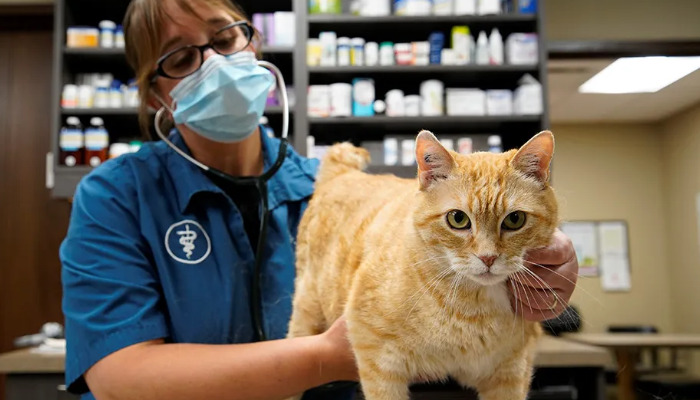
The signs of FIP in kittens can vary widely, which is one reason the disease is so difficult to diagnose. Wet FIP often causes fluid accumulation in the abdomen or chest, leading to a swollen belly, breathing difficulty, or reduced activity. Dry FIP may show fewer obvious fluid-related signs but can cause persistent fever, weight loss, poor appetite, enlarged lymph nodes, eye inflammation, and neurological changes. Kittens with FIP may become lethargic, stop eating well, lose weight quickly, or seem unwell without a clear reason. Because these signs overlap with many other conditions, a veterinarian usually combines physical examination, bloodwork, imaging, and sometimes fluid analysis to build a diagnosis.
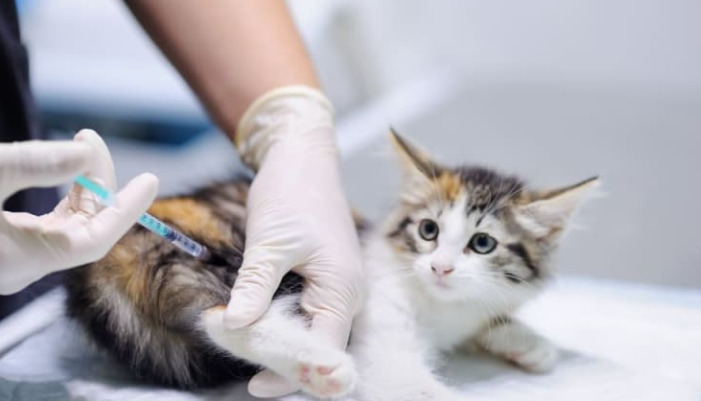
Treatment for FIP has advanced significantly in recent years, with antiviral medicine becoming the cornerstone of care. The best-known active compound associated with FIP therapy is GS-441524, a nucleoside analog that helps block viral replication. In many cases, this medication has produced dramatic improvements in appetite, energy, fever control, and fluid reduction. The exact treatment protocol, including dose and duration, depends on whether the kitten has wet FIP, dry FIP, ocular involvement, or neurological disease. Because kittens are small and their condition can change quickly, dosing should always be guided by a veterinary professional familiar with FIP management.
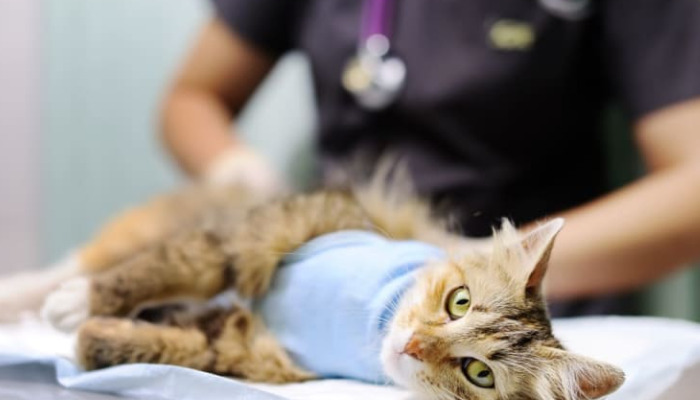
Supportive care is also essential, especially in kittens that are weak, dehydrated, or not eating. Good nutrition, hydration, temperature support, and treatment of secondary complications can help the body respond better to antiviral therapy. In some cases, a veterinarian may recommend fluid drainage if breathing is compromised by pleural effusion or severe abdominal distension. Eye drops, anti-inflammatory therapy, appetite support, and pain management may also be used depending on the organs involved. Even when antiviral treatment is the most important step, the kitten’s overall condition often improves faster when supportive care is provided consistently.
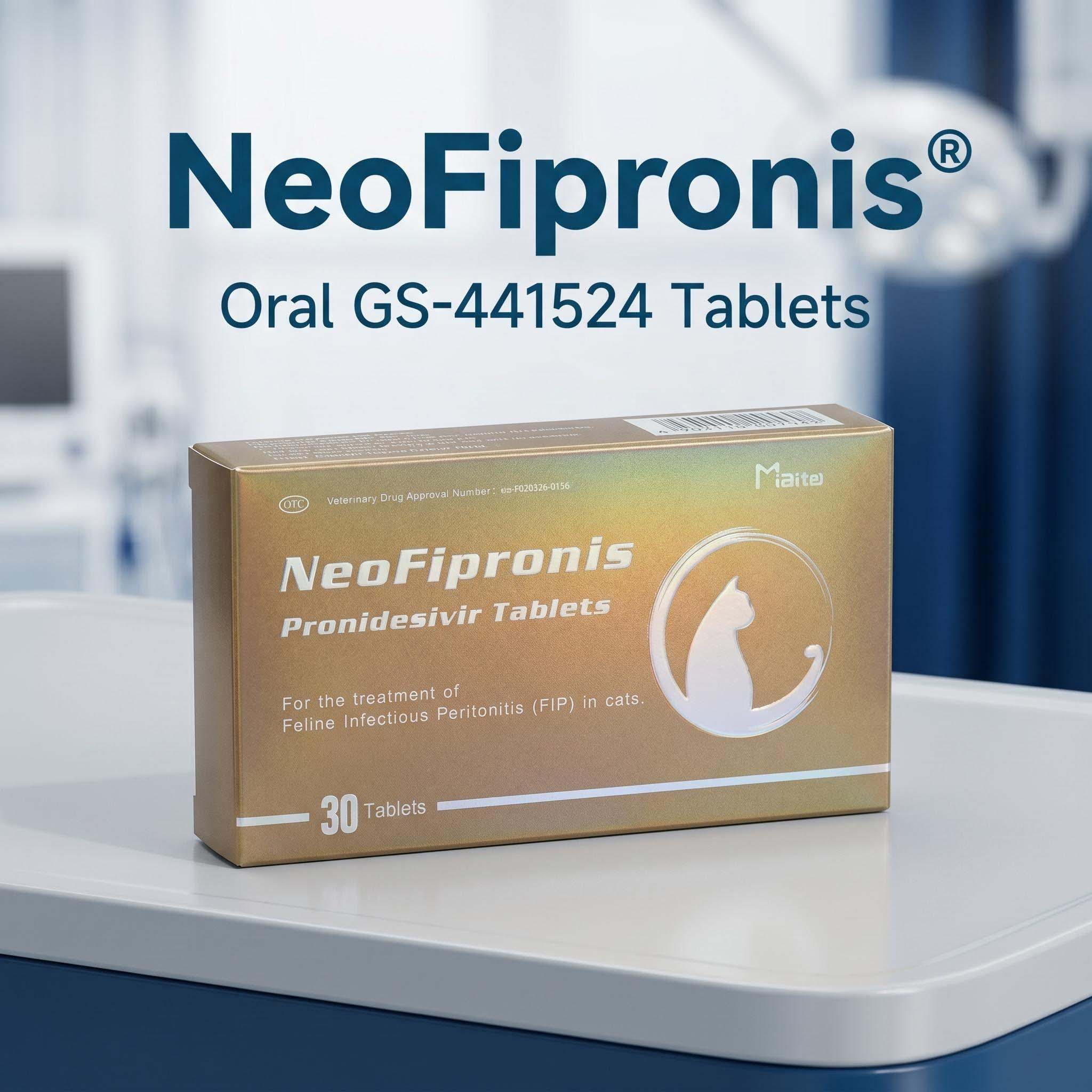
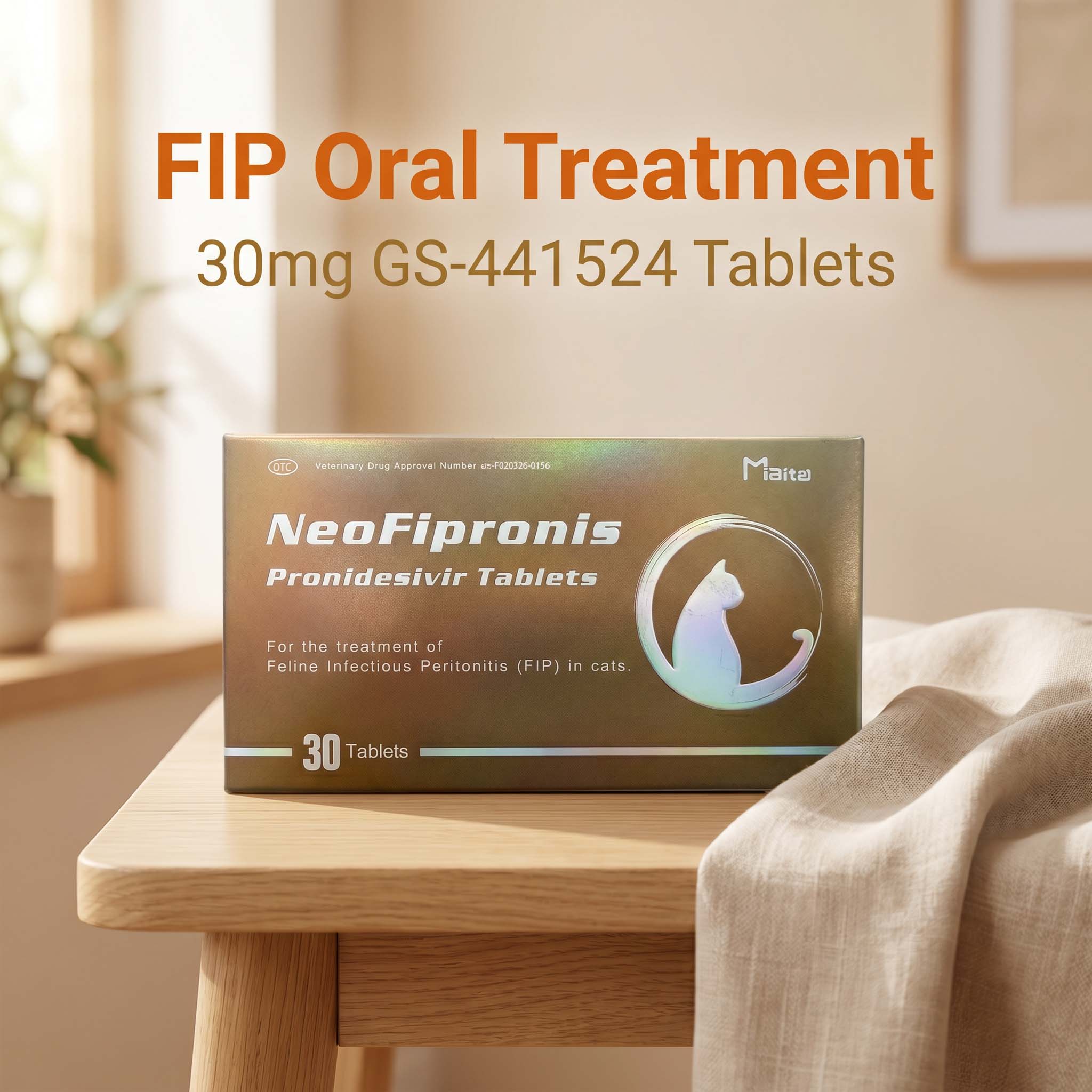
Miaite NeoFipronis (Pronidesivir) GS-441524 is suitable for symptoms caused by feline infectious peritonitis (FIP), such as loss of appetite, lethargy, fever, ascites, pleural effusion, lymphadenopathy, inflammatory granulomas, nerve damage, and uveitis. It has excellent therapeutic effects on FIP. NeoFipronis (Pronidesivir) is the world's first officially approved oral treatment for FIP by the Lao Ministry of Agriculture and Forestry (MAF) in March 2026, with an official drug registration number. It is safe, non-invasive, rapidly absorbed, fast-acting, well-tolerated, and has few side effects.
When choosing FIP medicine for kittens, safety and product quality matter as much as the active ingredient. Kittens need accurate dosing, stable formulation, and careful monitoring throughout treatment. Owners should avoid unverified products or inconsistent sources, because underdosing, contamination, or poor manufacturing standards can reduce the chance of success. Veterinary follow-up is important for checking weight, body temperature, appetite, blood test trends, and any ongoing eye or neurologic signs. If the kitten improves, treatment is usually continued for the full recommended course to lower the risk of relapse.
Recovery can be encouraging, but it is not always immediate. Some kittens begin eating and acting brighter within days, while others improve more gradually over several weeks. Fever may resolve before appetite fully returns, and fluid may take time to decrease. Kittens with neurological or ocular FIP often need longer observation and careful reassessment because these forms can be more complicated. In general, a steadily improving appetite, better energy, weight gain, and reduced inflammatory signs suggest that treatment is working. Follow-up testing helps the veterinarian decide whether the treatment plan should continue, be adjusted, or be extended.
Prevention is another important part of caring for kittens at risk of FIP. Because feline coronavirus spreads more easily in crowded environments, clean litter boxes, low-stress housing, good ventilation, and strict hygiene can help reduce transmission pressure. Separate food and water stations, prompt waste removal, and careful management of new arrivals may also help limit spread in multi-cat homes. While these steps cannot guarantee that FIP will never occur, they may reduce the overall viral burden kittens encounter during their most vulnerable period. Early veterinary attention for fever, poor appetite, or unexplained weight loss can also improve outcomes.
For searchers looking specifically for FIP medicine for kittens, the message is hopeful but practical. FIP remains a serious disease, yet antiviral therapy has transformed the outlook for many cats. The most successful approach usually combines a reliable antiviral, supportive care, close monitoring, and a treatment plan tailored to the kitten’s form of disease. Because every case is different, a veterinarian’s guidance is essential from diagnosis through recovery. With timely care, many kittens can regain appetite, energy, and quality of life, making FIP a disease that is increasingly treatable rather than hopeless.
References
Niels C. Pedersen, “An update on feline infectious peritonitis: Diagnostics and therapeutics.”
Julia A. Addie, “Feline coronavirus infection and feline infectious peritonitis.”
Niels C. Pedersen, “Efficient oral treatment of feline infectious peritonitis with GS-441524.”
Joseph A. Reuss, “Feline infectious peritonitis: Pathogenesis, diagnosis, and treatment.”
Cornelissen et al., “Clinical features and treatment response in feline infectious peritonitis.”
Doreen M. Addie, “Feline Coronavirus and Feline Infectious Peritonitis.”
Pedersen et al., “Efficacy of a remdesivir-like antiviral in cats with FIP.”
Venn et al., “Ocular and neurologic manifestations of feline infectious peritonitis.”