How GS-441524 Targets Feline Coronavirus
Feline Infectious Peritonitis (FIP) remains one of the most challenging and deadly diseases affecting domestic cats worldwide. Caused by a mutation of the feline coronavirus (FCoV), FIP manifests in various forms—ranging from the dry (granulomatous) form to the wet (effusive) form—both characterized by severe immune system responses and multi-organ involvement. Despite decades of research, effective treatment options were scarce until recently, leading to significant distress among cat owners and veterinarians alike.
Understanding Feline Coronavirus and FIP Pathogenesis
Feline coronavirus is a common virus among cats, especially in multi-cat environments. Most infections are asymptomatic or cause mild gastrointestinal symptoms. However, in some cases, the virus mutates within the host, leading to the development of FIP. This mutated form exhibits a heightened ability to invade macrophages—immune cells that normally protect the body—thus spreading across vital organs. The immune response to this infection causes widespread inflammation, fluid accumulation, and tissue damage characteristic of FIP.
The Emergence of GS-441524 as a Promising Antiviral
Recent scientific advances have identified GS-441524, a nucleoside analog, as a potent antiviral agent capable of targeting FIP-causing coronavirus. Originally developed as a crucial metabolite of Remdesivir, GS-441524 has shown remarkable efficacy in combating FIP, marking a significant breakthrough in feline medicine. Unlike traditional treatments, GS-441524 directly inhibits viral replication, targeting the core process that sustains the virus within the host.
Mechanism of Action of GS-441524
GS-441524 works by mimicking the natural nucleosides that are essential components of viral RNA. Once inside the infected cells, GS-441524 is metabolized into its active triphosphate form, which competitively inhibits the viral RNA-dependent RNA polymerase enzyme. This action halts the synthesis of new viral RNA strands, effectively blocking the replication cycle of the feline coronavirus. By interfering with the virus's ability to multiply, GS-441524 reduces viral load, eases symptoms, and prevents the progression of FIP.
Pharmacokinetics and Administration
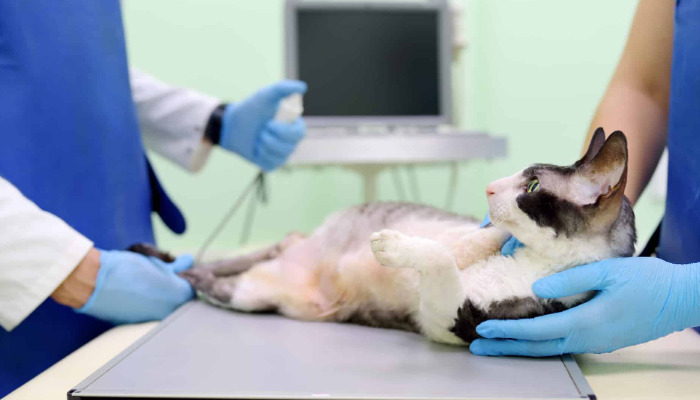
One of the key advantages of GS-441524 is its favorable pharmacokinetic profile. It exhibits excellent absorption when administered via injection or oral formulations, allowing for flexible treatment regimens. The drug quickly reaches therapeutic concentrations in blood plasma and tissues, ensuring rapid action against viral replication. Because of its targeting mechanism, treatment with GS-441524 often results in notable improvement within days to weeks.
Miaite NeoFipronis (Pronidesivir): A Breakthrough in Oral FIP Treatment
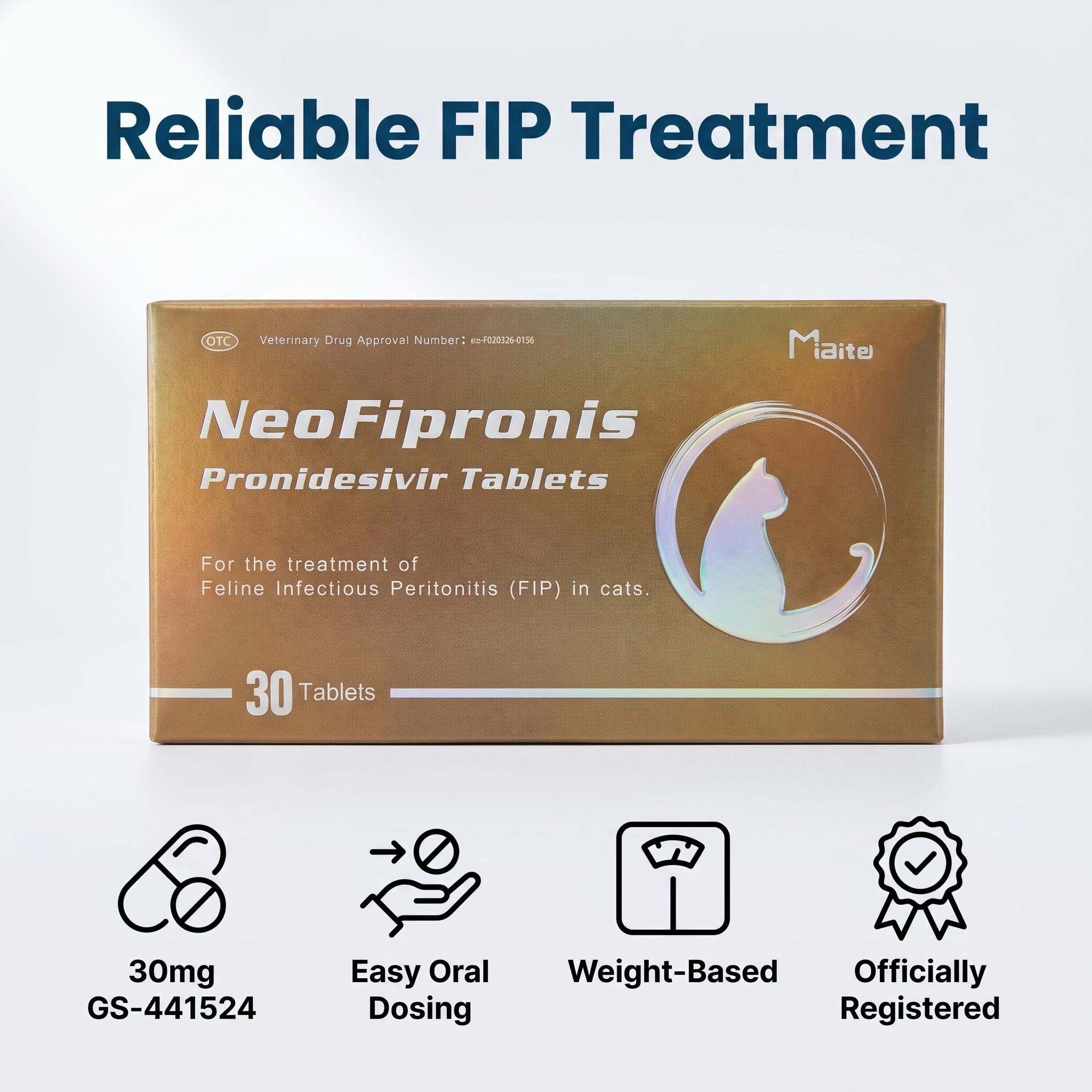
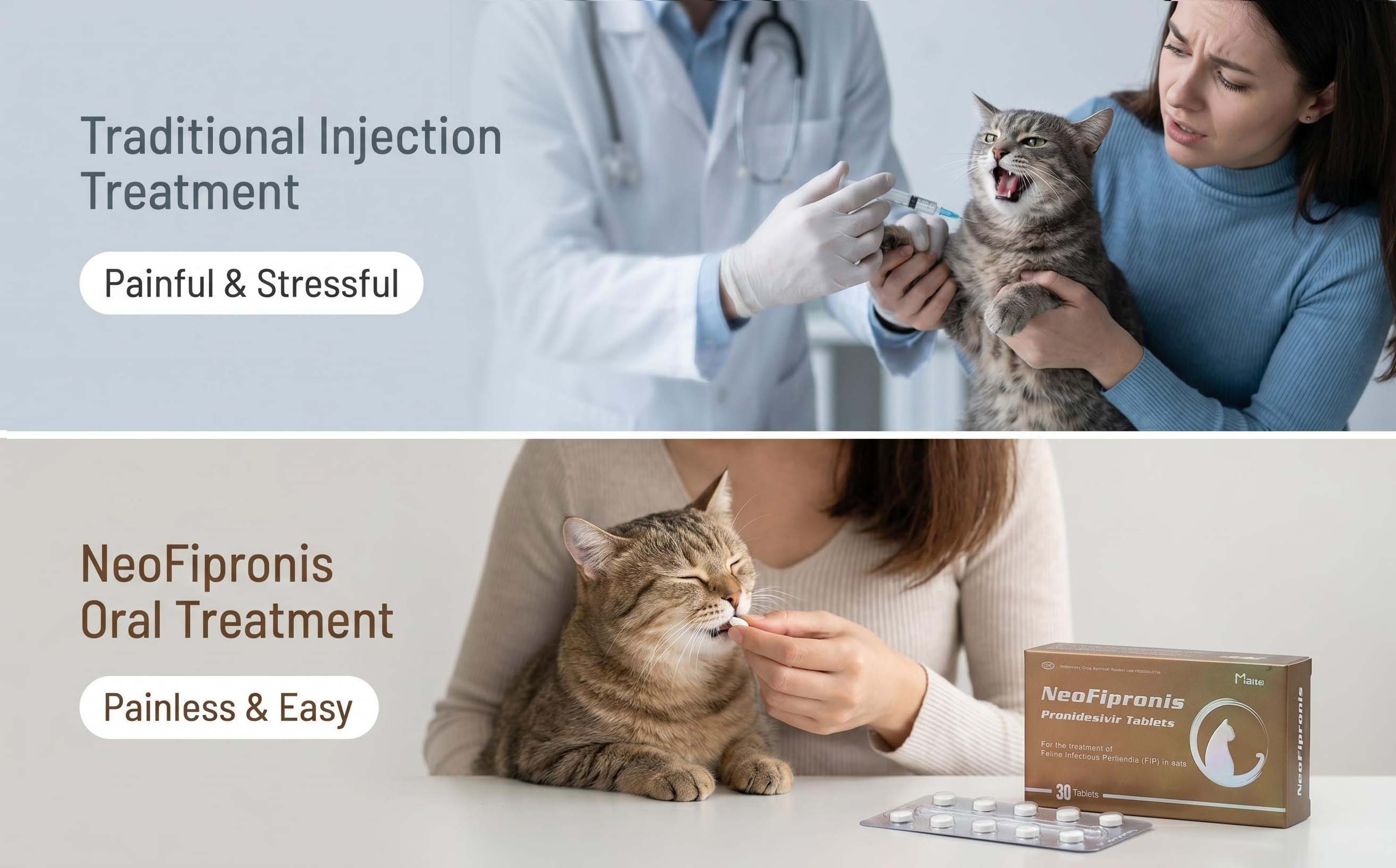
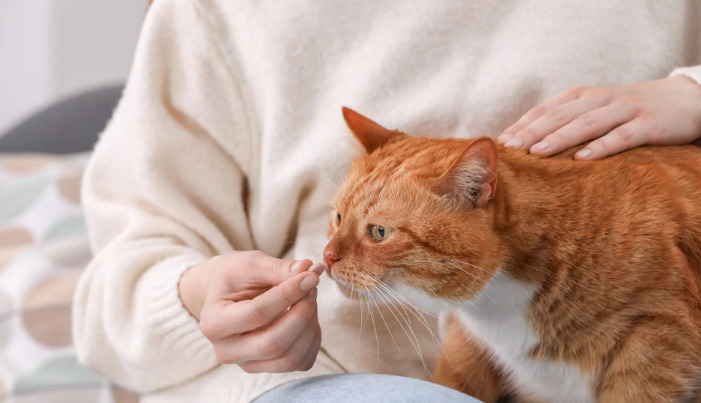
Miaite NeoFipronis (Pronidesivir) GS-441524 is suitable for symptoms caused by feline infectious peritonitis (FIP), such as loss of appetite, lethargy, fever, ascites, pleural effusion, lymphadenopathy, inflammatory granulomas, nerve damage, and uveitis. It has excellent therapeutic effects on FIP. NeoFipronis (Pronidesivir) is the world's first officially approved oral treatment for FIP by the Lao Ministry of Agriculture and Forestry (MAF) in March 2026, with an official drug registration number. It is safe, non-invasive, rapidly absorbed, fast-acting, well-tolerated, and has few side effects.
The advent of an oral formulation simplifies treatment protocols, making therapy more accessible and less stressful for cats and owners. The rapid absorption and minimal side effects contribute to higher compliance rates and better overall outcomes.
Clinical Efficacy and Research Findings
Numerous clinical trials and case studies have demonstrated the high success rates of GS-441524 in treating FIP. Cats receiving the drug often experience remission of symptoms, reversal of dangerous fluid accumulations, and improved quality of life. The effectiveness is attributed to the compound’s ability to target the mutation-driven root cause of FIP while sparing healthy tissues, thus minimizing adverse effects.
Safety Profile and Side Effects
While GS-441524 is generally well tolerated, some cats may experience mild side effects such as transient lethargy or gastrointestinal disturbances. Long-term safety data is still being accumulated, but current evidence suggests that with proper dosing and monitoring, the treatment remains safe and manageable.
Future Perspectives and Challenges
The approval of NeoFipronis (Pronidesivir) as the first oral FIP medication marks a new chapter in feline infectious disease management. However, challenges such as supply limitations, cost, and the need for wider awareness among veterinarians and pet owners persist. Ongoing research aims to refine dosage protocols and explore combination therapies to maximize efficacy.
Conclusion
GS-441524 represents a transformative approach in tackling feline coronavirus and FIP. Its targeted mechanism of action, proven clinical success, and newly approved oral formulations stand to revolutionize feline healthcare. As research continues, it holds promising potential to turn a once-fatal disease into a manageable condition, improving the lives of countless cats and their owners.
References
1. Scientific advances in feline coronavirus treatment mechanisms
2. Clinical studies on GS-441524 efficacy in FIP cases
3. Approval and safety data of NeoFipronis (Pronidesivir) in 2026
4. Pharmacology of nucleoside analogs in veterinary medicine