Do Multiple Blood Draws Harm Cats
Veterinarians and cat owners often face the dilemma of frequent blood sampling when managing chronic and severe feline diseases, such as Feline Infectious Peritonitis (FIP). Blood tests provide valuable insights for diagnosis, treatment monitoring, and disease management. However, concerns about the negative impact of repeated blood draws on feline well-being persist in both scientific literature and among cat enthusiasts. This article explores the physical, psychological, and clinical implications of repeated venipuncture in cats, focusing on those suffering from FIP.
Understanding Feline Infectious Peritonitis (FIP)
FIP, caused by certain mutant strains of feline coronavirus, is a devastating disease affecting cat populations worldwide. FIP presents with two main forms: wet (effusive) and dry (non-effusive). Cats with FIP may experience symptoms such as fever, poor appetite, weight loss, abdominal distension, neurological signs, and fluid buildup, complicating both diagnosis and ongoing care. Laboratory evaluation—including blood sampling—remains essential for confirming the diagnosis and monitoring therapeutic responses. Thus, the question arises: how much harm do multiple blood draws pose to these already fragile patients?
Physiological Impact of Blood Sampling
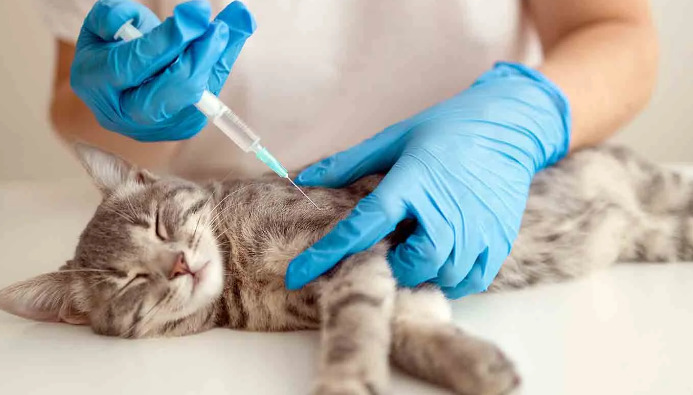
Venipuncture involves inserting a needle into a vein, commonly in the cat's cephalic, jugular, or saphenous vein, to collect blood. In healthy cats, small volumes can be drawn safely, provided sufficient time is given between procedures for recovery. Feline blood volume averages 55 ml/kg; the general recommendation is to avoid drawing more than 1% of body weight or 10% of total blood volume every two weeks.
In FIP-affected cats, the risks increase:
Anemia Risk: Cats with FIP may already suffer from anemia due to chronic inflammation or bone marrow suppression caused by the disease. Frequent blood sampling exacerbates anemia, reducing oxygen delivery to tissues.
Poor Recovery: FIP can impair self-healing, leading to prolonged bruising or hematoma after venipuncture.
Volume Concerns: Drawing excessive blood, especially in small or pediatric cats, risks hypovolemia and shock. Careful calculation is vital.
Adverse outcomes, though rare, may include persistent bleeding, vein collapse, or local infection at the phlebotomy site.
Behavioral and Psychological Consequences
Cats are sensitive to environmental change and physical discomfort. Repeated handling for phlebotomy can lead to stress-related behaviors:
Increased hiding, aggression, or avoidance of caregivers
Decreased appetite and grooming
Vocalization or panting during clinic visits
Reduced trust in owners and veterinary staff
Chronic stress elevates cortisol levels, suppressing immune function and hindering recovery—especially detrimental for FIP cats already immunocompromised.
Infection Control and Procedure Safety
Repeated skin punctures breach the natural protective barrier, increasing infection risk—crucial in immunosuppressed cats. Strict aseptic technique is mandatory. Clinics must utilize new needles, sterile gloves, and disinfect skin thoroughly for each draw. Staff should minimize unnecessary procedures by batching tests when possible.
Alternatives to Frequent Blood Sampling
Non-Invasive Monitoring: Where feasible, urine, saliva, or imaging studies may supplement blood tests.
Catheterization: Temporary intravenous catheters allow multiple blood samples over short periods, reducing repeat venipuncture but posing their own infection risk.
Micro-sampling: Advances in laboratory technology now allow smaller blood volumes for testing. Microhematocrit tubes and point-of-care analyzers reduce the physical impact without sacrificing diagnostic data.
Guidelines for Safe Sampling in FIP Cats
Volume Limitation: Calculate and document cumulative blood loss carefully for each patient.
Frequency: Spread out testing intervals as much as medically feasible.
Technique: Use skilled staff, gentle handling, and distraction techniques (e.g., treats, pheromones) to lessen anxiety.
Recovery Support: Provide iron supplements, nutrition, and recovery monitoring for anemic or frail cats.
Owner Communication: Educate cat owners about the necessity and risks of blood sampling, enlisting them as partners in stress mitigation.
Case Studies and Clinical Findings
Studies indicate blood sampling in healthy cats, with volumes less than 1ml/kg, causes minimal disturbance and no lasting harm. However, clinical experiences suggest sick cats—especially those with FIP—may struggle more:
In a 2019 multi-clinic survey, FIP cats subjected to biweekly blood draws exhibited increased anemia and, in rare cases, developed bruising requiring additional care.
Another study reviewing feline records showed infection rates at venipuncture sites remain low (<1%) when proper technique is followed but increase with immunosuppression or poor hygiene.
Interviews with veterinary staff highlighted the psychological burden on cats repeatedly handled for blood draws, underscoring the need for anxiety reduction protocols.
Balancing Diagnostic Necessity and Feline Welfare
Veterinarians must weigh the benefits of diagnostic clarity against the potential harm from repeated blood draws. For trauma-sensitive or critically ill cats, clinicians may decide to prioritize welfare over exhaustive laboratory evaluation, relying on clinical signs, imaging, and targeted testing rather than large panels.
Where blood work is essential, practitioners can minimize harm through low-volume testing, use of sensitive assays, and pre-analytical strategies (e.g., combining tests from a single draw). Owners should advocate both for their cats’ health and comfort, working with veterinarians to minimize unnecessary interventions.
The Role of the Cat Owner
Owners can assist in minimizing the stress and risk associated with blood draws:
Bringing comfort items (favorite blanket, toy)
Practicing positive association with carriers and car rides
Requesting feline-friendly clinics using pheromone diffusers and soft restraint
Monitoring for post-procedure complications (bleeding, swelling, lethargy)
Communicating behavioral changes to the veterinary team
Such collaboration ensures that necessary medical care does not come at the expense of feline quality of life.
Conclusion: Best Practices for Blood Sampling in Cats with FIP
Repeated blood draws carry real risks for all cats—most intensively in those battling FIP. Careful planning, advanced laboratory methods, gentle handling, and transparent communication remain central to safe and compassionate clinical care. The balance struck between medical necessity and feline welfare shapes the journey for every cat fighting chronic disease.
References
1. Dougherty, J., Feline Infectious Peritonitis: Diagnosis and Management, Journal of Feline Medicine and Surgery, 2022.
2. Peterson, M.E., Anemia in Cats: Etiology and Treatment, Veterinary Clinics of North America: Small Animal Practice, 2019.
3. Bredy, C., Blood Sampling in Cats: Risks and Recommendations, Compendium: Continuing Education for Veterinarians, 2021.
4. Sparkes, A.H., Feline Patient Handling and Stress Reduction in Practice, Journal of Veterinary Behavior, 2020.
5. Addie, D.D., Feline Coronavirus and FIP—Update 2021, Veterinary Record, 2021.
6. Reche, A., Laboratory Evaluation of FIP: New Assays and Updates, Topics in Companion Animal Medicine, 2018.
7. Gunn-Moore, D.A., Cat Owner Support and Feline Welfare during Clinical Procedures, ISFM Guidelines, 2019.
8. O’Brien, M.P., Infection Control in Immunocompromised Cats, Journal of Small Animal Practice, 2020.