What Can Owners Do While Waiting for FIP Test Results
Feline Infectious Peritonitis (FIP) is one of the most dreaded diagnoses for cat owners. Caused by a mutated form of feline coronavirus, FIP is notorious for its unpredictable symptoms and challenging diagnosis. When a veterinarian suspects FIP, the waiting period for definitive test results can be stressful for owners, filled with anxiety and uncertainty. This comprehensive guide will explore actionable steps, emotional strategies, and practical considerations for owners while awaiting FIP test outcomes, all crafted with clarity for American readers seeking reliable information.
Understanding the Waiting Period
Before any proactive steps are taken, owners must grasp what the waiting period entails. FIP is challenging to diagnose because symptoms overlap with other diseases and multiple laboratory tests—including bloodwork, imaging, and PCR—may be needed. Results may take several days or even weeks, depending on the method and laboratory. Owners can benefit from learning about the specificity, sensitivity, and limitations of FIP testing so expectations remain realistic.
Communicating with Your Veterinarian
During this tense time, clear communication with your veterinarian is essential. Prepare questions in advance such as:
How long will the test results typically take?
What symptoms should I monitor for while waiting?
Are there any treatments or supportive care I should begin?
Owners have the right to regular updates. Ask about interim results, additional tests that may be helpful, or clarifications on initial findings. Make sure to note down the veterinarian’s instructions, emergency contact information, and any details relating to test type or procedure.
Practical Home Care Tips
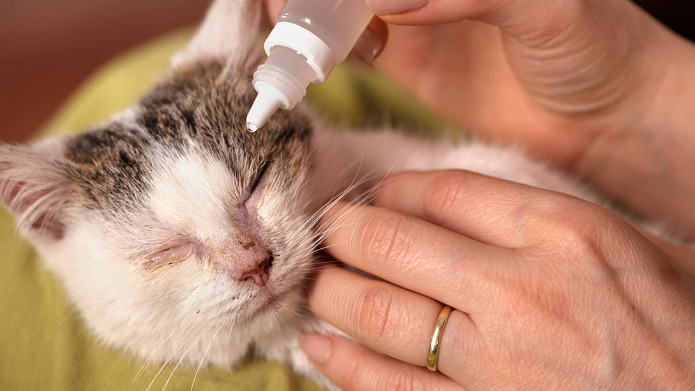
The wellbeing of the cat during this time should remain a top priority. While waiting for test clarification, supportive care at home can make a significant difference. Here’s what owners can do:
Monitor Symptoms: Document changes in appetite, weight, behavior, energy levels, and appearance of the abdomen for swelling. Share these updates with your vet.
Nutrition: Offer high-quality, highly palatable food to encourage eating. Hydration is crucial, so fresh water should be available at all times.
Minimize Stress: Cats thrive in stable environments. Maintain a calm atmosphere, avoid loud noises, and keep other pets at bay if your cat is showing signs of illness or stress.
Isolation Protocols: Since FIP stems from a coronavirus, if there are other cats at home, use basic isolation measures—keep food bowls, litterboxes, and bedding separate if recommended by your vet.
Emotional Coping Strategies
The ambiguity surrounding FIP is emotionally exhausting. Owners often experience fear, sadness, and helplessness. Practical strategies include:
Educate Yourself: Read reputable sources such as veterinary handbooks or materials from organizations like the American Association of Feline Practitioners.
Connect with Others: Online support groups and local pet communities can offer comfort, shared experiences, and advice.
Practice Self-care: Take breaks, get exercise, and maintain routines to support your mental health. This not only helps you but ensures you remain able to care for your cat.
Financial Preparation
An FIP suspicion brings potential future costs, both for diagnosis and in the event that new treatments (such as antiviral therapies) are recommended.
Review Pet Insurance: Check whether your policy covers FIP diagnostics and treatments or communicate with insurance representatives for guidance.
Set Aside Funds: Consider establishing a healthcare savings account or exploring payment plans with your veterinary clinic.
Research Treatments: Seek transparent information on available therapies, associated costs, and efficacy. Some novel treatments have high price tags—understanding these in advance helps you plan.
Managing Other Cats in the Household
Owners of multi-cat households must take extra steps to reduce risk, safeguard healthy cats, and monitor for signs of illness.
Isolation: Separate the suspected FIP case from other animals, particularly during the acute phase, until test results are delivered.
Hygiene: Disinfect shared surfaces, wash hands after handling each cat, and sterilize common-use items.
Check-ups: Schedule wellness examinations for other cats if they show any symptoms, however mild.
Preparing for Possible Outcomes
Anticipating both positive and negative outcomes may help foster calm and informed preparation.
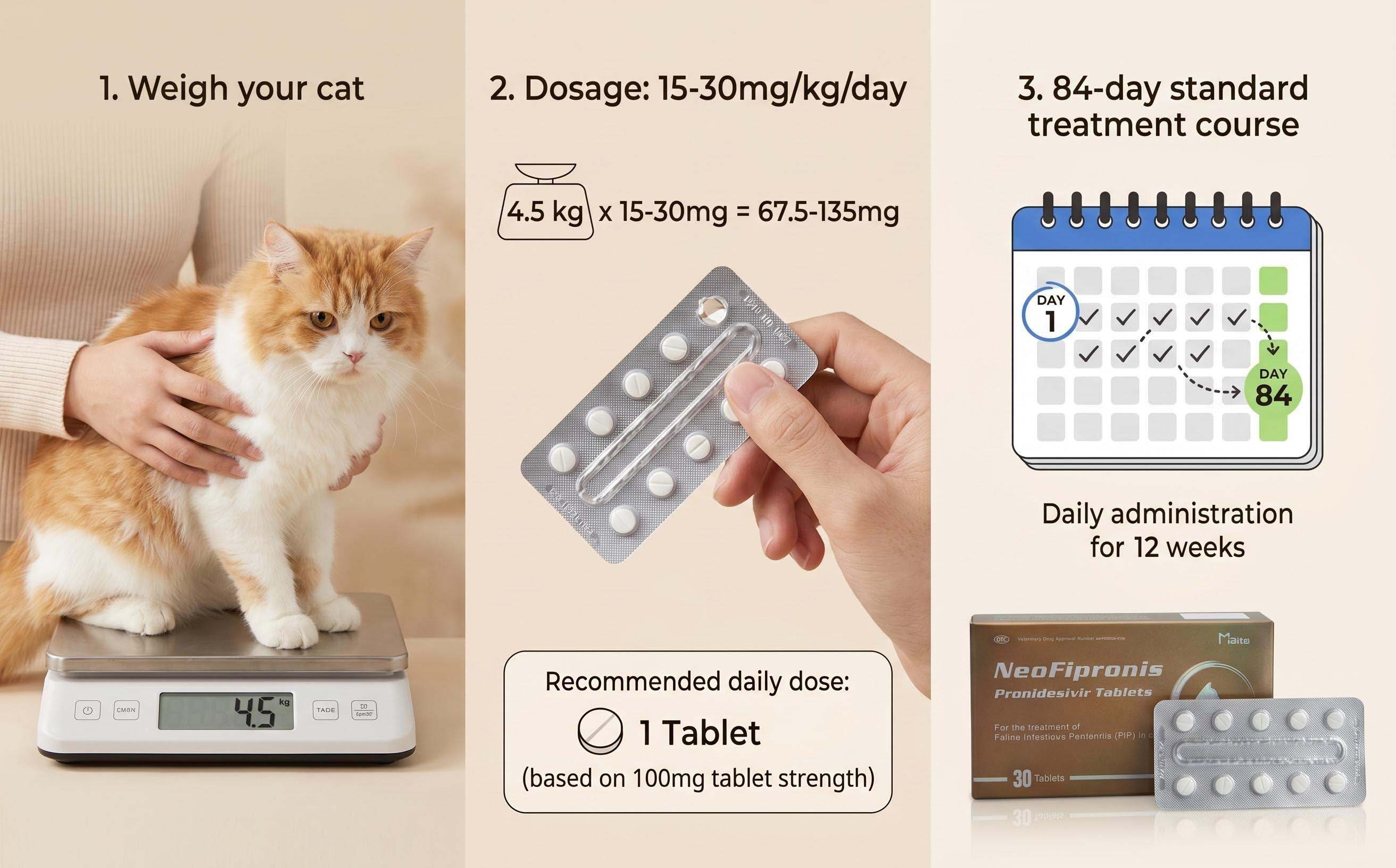
Treatment Plans: Inquire about options, benefits, and risks should the cat test positive for FIP. Some antivirals (like GS-441524 and its derivatives) have shown promise, if available.
Quality of Life: Discuss supportive care such as pain management, nutritional support, and when humane decisions like euthanasia may be considered if prognosis is poor.
Future Prevention: Be ready to investigate steps such as improving hygiene or, if recommended, limiting exposure to other cats during future adoptions.
Learning About FIP Disease Management
Information is power. Owners should familiarize themselves with the disease’s history, presentation, and new research findings.
Disease Forms: Understand the difference between “wet” (effusive) and “dry” (non-effusive) FIP. Each presents with specific symptoms that may change home care priorities.
Mutation Process: The pathogenesis relates to a mutation in the feline enteric coronavirus, but only a fraction of infected cats develop FIP.
Emerging Therapies: Some antivirals and immune modulators change the landscape of FIP treatment. Owners can research, ask their veterinarian, and join clinical trials where appropriate.
Prevention Strategies
While FIP cannot be wholly prevented, the following steps may offer some protection, particularly in multi-cat households:
Reduce Cat Density: Overcrowding may increase viral transmission, so avoid large groups of cats, especially in shelters or catteries.
Sanitation: Regularly clean litter boxes, food bowls, and bedding. Strong hygiene practices minimize viral spread.
Stress Reduction: Chronic stress weakens immune defenses; enrich your cat’s environment, provide safe hiding spaces, and avoid frequent moves or disruptions.
Potential for Clinical Trials and New Treatments
Owners can investigate participation in clinical trials as an option should their cat be eligible.
Vets and Universities: Consult with veterinary teaching hospitals—many lead FIP research and may provide advanced care.
Data Collection: If you agree, provide detailed records of symptoms, treatments, and behaviors. This helps researchers and may improve future treatments.
Maintaining a Hopeful Outlook
Scientific advancements in feline medicine continue to improve the prognosis for FIP. Early identification, new diagnostics, and therapeutics bring hope for owners and their cats.
By staying engaged, proactive, and informed while awaiting FIP test results, owners help ensure the best possible outcome for their beloved companions, addressing both the cat’s physical health and their own emotional wellbeing.
References
“Feline Infectious Peritonitis: Diagnosis and Management,” American Association of Feline Practitioners.
“Feline Infectious Peritonitis: Guidelines for Diagnosis and Treatment,” Cornell Feline Health Center.
“The Pathogenesis and Prevention of Feline Infectious Peritonitis,” Veterinary Clinics of North America: Small Animal Practice.
“Current Concepts in FIP Management and Therapy,” Journal of Feline Medicine and Surgery.
“Understanding FIP in Multi-Cat Households,” The Cat Owner’s Home Veterinary Handbook.