What Are the Main Benefits and Effects of NeoFipronis (Pronidesivir)
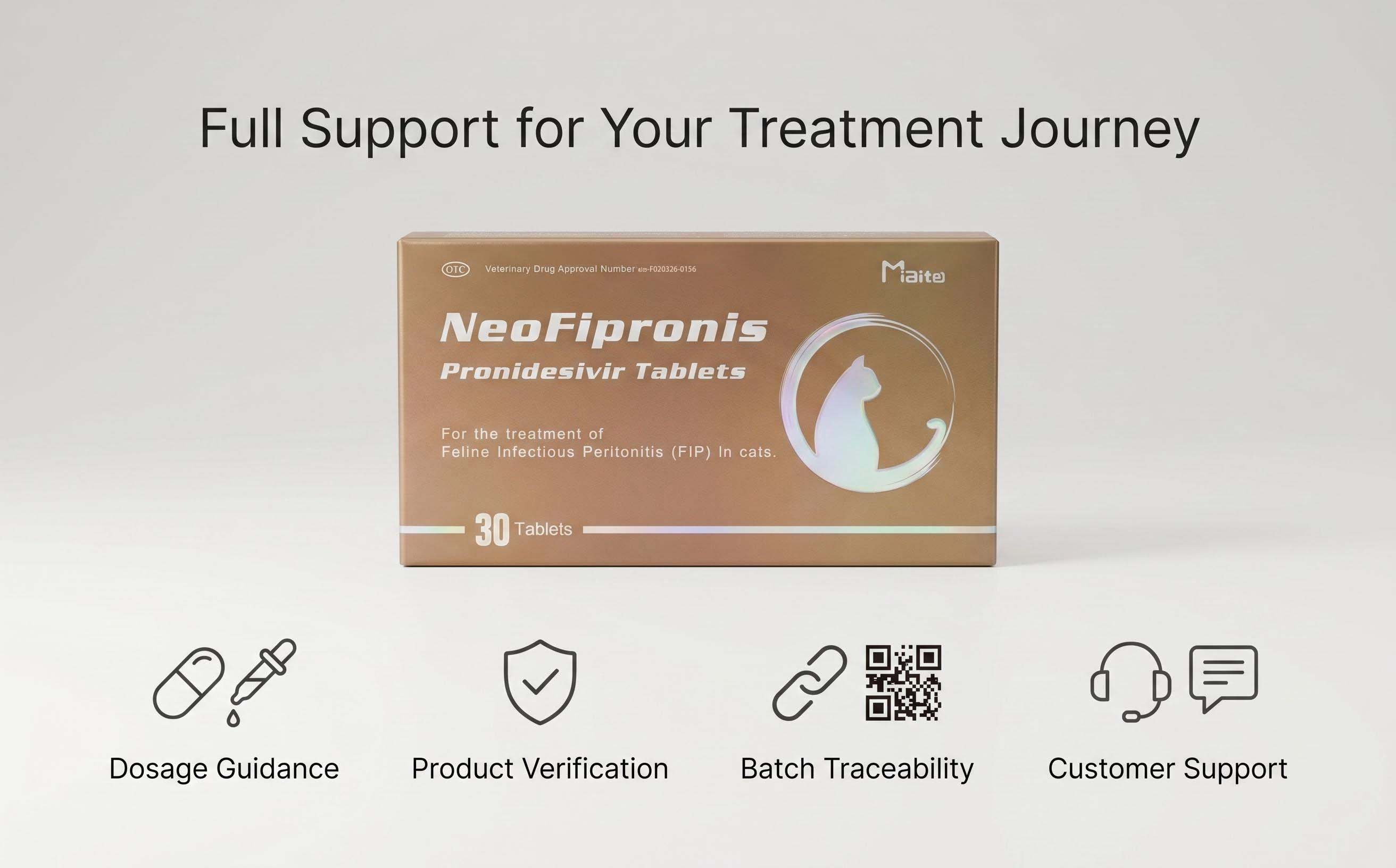
NeoFipronis (Pronidesivir) is described as an oral FIP treatment for cats that contains GS-441524, a compound widely associated with antiviral support in feline infectious peritonitis (FIP). FIP is a serious and often life-threatening disease that can cause poor appetite, lethargy, fever, abdominal fluid buildup, chest fluid, enlarged lymph nodes, inflammatory granulomas, neurological damage, and uveitis. For cat owners searching for FIP treatment options, the main appeal of NeoFipronis is its convenience, its non-invasive oral format, and its reputation for rapid absorption and fast onset of action. In practical use, oral administration can make treatment easier for both cats and caregivers, especially when long-term therapy is needed.
Main Benefits of NeoFipronis (Pronidesivir)
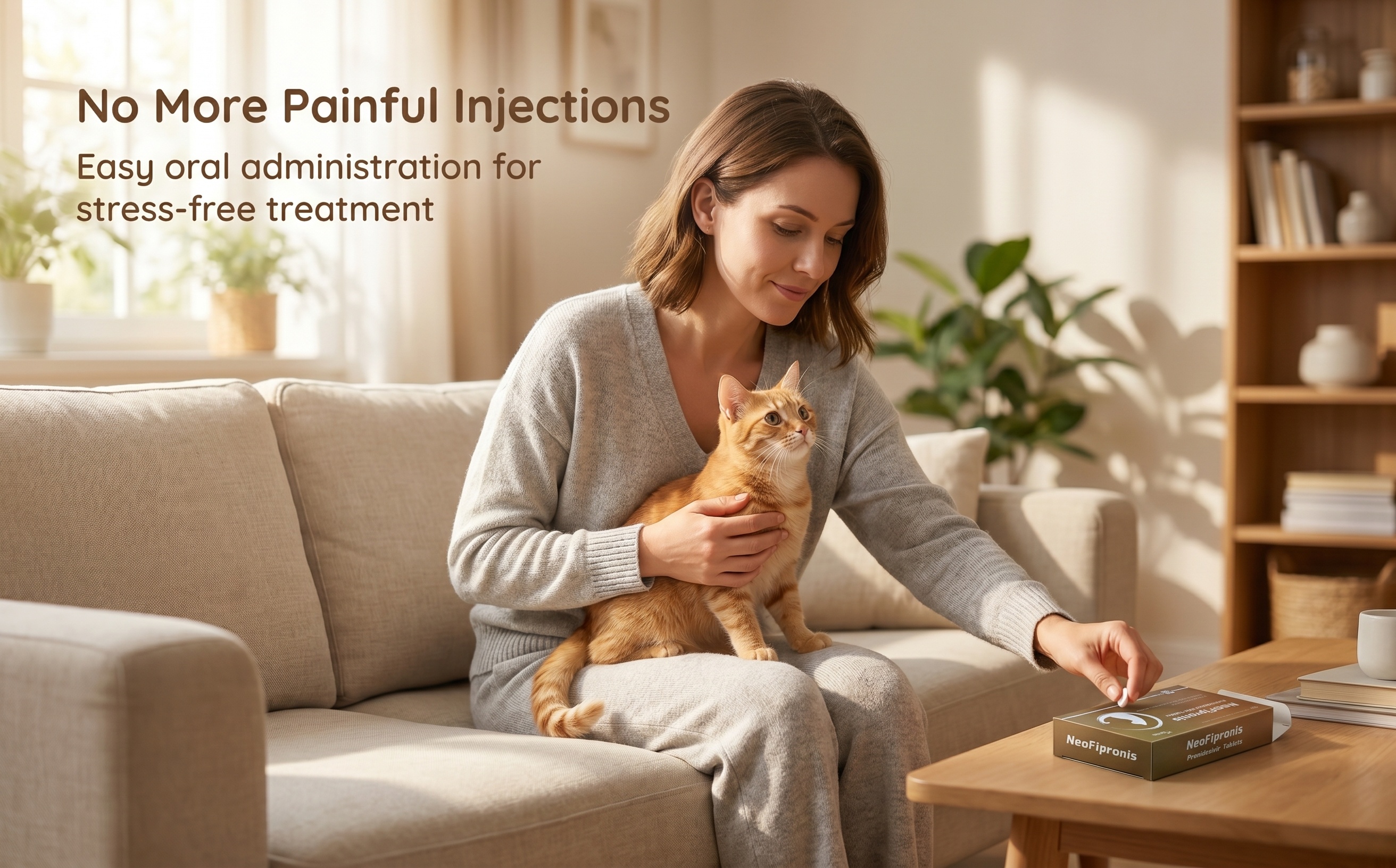
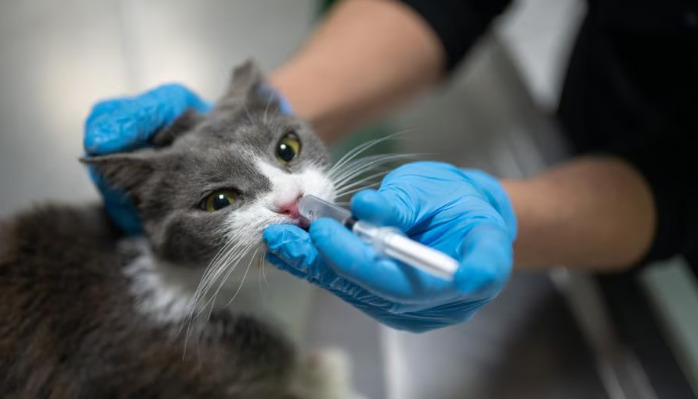
One of the biggest benefits of NeoFipronis is that it is designed for daily oral use, which avoids the stress and discomfort associated with injections. This is especially important for cats that are weak, anxious, or difficult to medicate. Another major advantage is tolerability. Products based on GS-441524 are commonly valued for being well tolerated in many cats, with relatively few side effects when used correctly. NeoFipronis is also often chosen because it supports treatment consistency, and consistent dosing is essential for managing FIP effectively. For many cat owners, the combination of ease of use, steady absorption, and targeted antiviral support makes it a practical option for long-term care.
Effects on Common FIP Symptoms
NeoFipronis is used in cats with wet FIP, dry FIP, ocular FIP, and neurological FIP, and it is often considered when symptoms become more advanced. Cats with FIP may show loss of appetite, fatigue, persistent fever, abdominal distension from ascites, breathing difficulty caused by pleural effusion, swollen lymph nodes, eye inflammation, or nervous system signs such as wobbliness and weakness. By targeting the underlying viral replication associated with FIP, GS-441524-based therapy may help reduce disease activity and gradually improve the cat’s overall condition. Many caregivers look for changes such as improved appetite, brighter behavior, lower temperature, and better mobility as treatment progresses.
Dosing, Administration, and Monitoring
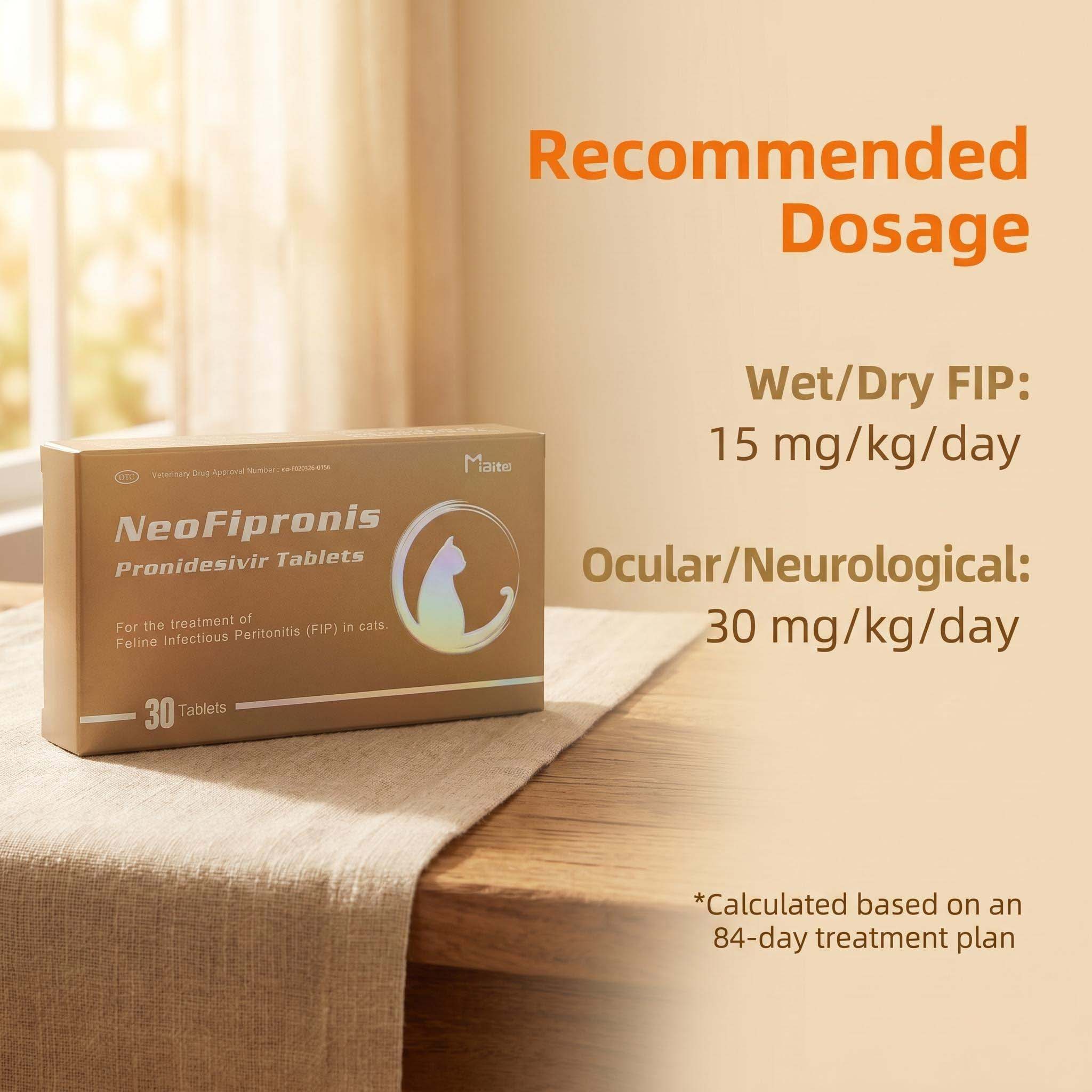
NeoFipronis is commonly dosed according to body weight. A typical dosage mentioned for standard FIP cases is 15 mg per kilogram once daily, while ocular or neurological FIP may require a higher dose, such as 30 mg per kilogram, under veterinary guidance. It is often recommended to give the medication on an empty stomach, either one hour before food or two hours after meals, to support absorption. Treatment should not be interrupted, and a full course often lasts at least 12 weeks. During therapy, owners should monitor appetite, body temperature, energy level, and overall behavior, while also arranging regular bloodwork and liver and kidney function checks to help ensure safe, supervised use.
Important Safety Notes for Cat Owners
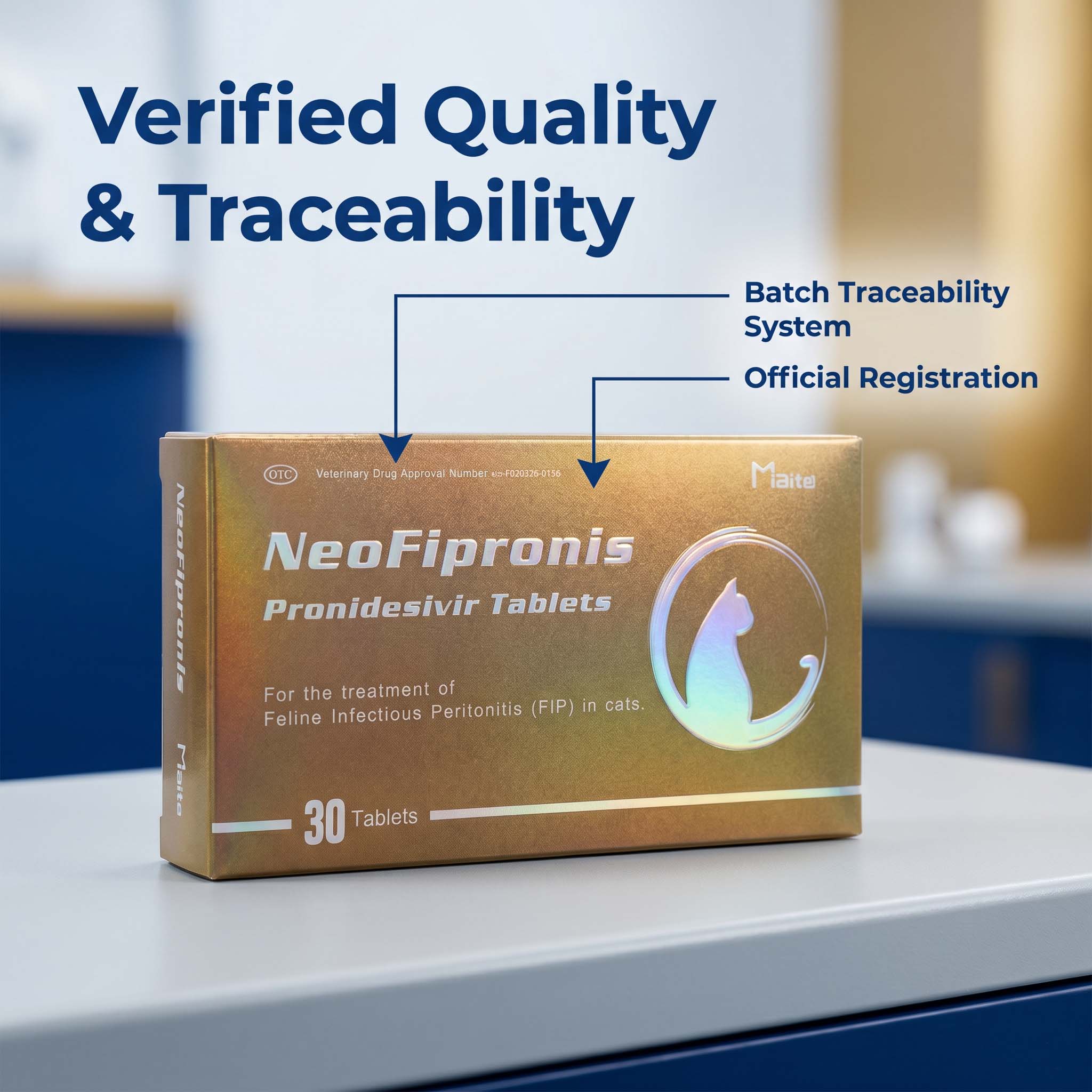
Although NeoFipronis is described in some markets as an over-the-counter FIP medicine, it is still best used with veterinary supervision. FIP is a complex disease, and cats may need dosage adjustments, supportive care, or repeat testing during treatment. This product is intended only for cats and must never be used in humans. Buyers should also be careful to obtain products from official or verified sources to help reduce the risk of counterfeit medication and protect treatment quality.