Can FIP Treatment Be Interrupted or Paused
Background: Understanding FIP and Its Treatment Landscape
Feline Infectious Peritonitis (FIP) is a devastating viral disease in cats that arises from a mutation in the otherwise benign feline coronavirus (FCoV). This mutation leads to a systemic, often fatal illness with presentations including effusive (wet) and non-effusive (dry) forms. Historically, FIP was considered almost universally fatal, but new antiviral treatments, primarily those targeting viral replication, have shifted the prognosis. The most prominent is GS-441524, a nucleoside analog, often informally referenced due to regulatory restrictions.
Because treatment usually spans several weeks, caregivers and veterinary professionals often wonder: can the regimen be interrupted or paused? Exploring this question requires an examination of available scientific evidence, real-world experiences, and underlying mechanisms for FIP therapy.
How GS-441524 and Other Antivirals Combat FIP
GS-441524 and similar agents inhibit viral replication. In an ideal course, the drug is administered daily for approximately 12-14 weeks, allowing sufficient suppression of viral activity for the immune system to recover and eliminate the infection. Other drugs, including remdesivir (a prodrug of GS-441524) and molnupiravir, are being investigated and sometimes used in special cases. Treatment success relies on consistent, uninterrupted dosing to maintain therapeutic drug levels and suppress viral reproduction.
Reasons Treatment Interruptions Might Occur
Interruptions or pauses in FIP therapy may occur due to a variety of circumstances. The main challenges include:
Drug access issues: In some regions, medications may be difficult to obtain, potentially causing lapses.
Financial limitations: Extended and often expensive antiviral regimens can pressure caregivers.
Adverse drug reactions: While uncommon, side effects such as injection site soreness or behavioral changes may prompt temporary cessation.
Cat resistance: Some cats become stressed or resist injections, complicating daily dosing.
Understanding the impact of interruptions requires examining clinical outcomes when therapy is paused or stopped.
Potential Consequences of Pausing FIP Treatment
Scientific and anecdotal data reveal several key outcomes when FIP antivirals are interrupted:
1. Viral Rebound and Disease Progression
FIP is caused by active viral replication. Halting antivirals before the immune system is equipped to control the virus often leads to recrudescence. Clinical signs such as fever, effusion (fluid buildup), anorexia, and lethargy may return, sometimes rapidly. Data from informal support groups and limited published studies indicate that even brief pauses can allow the virus to escape suppression.
2. Drug Resistance Development
Intermittent dosing creates an environment in which subtherapeutic drug concentrations linger. This risk is similar to that in human medicine concerning antibiotics and antivirals, where incomplete courses or inconsistent dosing can promote resistance. In FIP, while documented resistance remains rare, molecular studies suggest it is possible and could render subsequent therapies less effective.
3. Impact on Prognosis and Cure Rates
Curative therapy hinges on sustained viral suppression. Pauses increase the risk of incomplete remission, relapse after treatment conclusion, and potentially higher mortality rates. Retrospective reviews suggest that cats receiving uninterrupted courses have significantly greater survival and lower relapse rates.
Case Reports: Real-World Experiences with Interrupted Therapy
Veterinary practitioners and cat owners have shared many cases via forums and informal reports, and a growing number of peer-reviewed studies provide insight:
One report described a cat with wet FIP whose treatment was interrupted for seven days due to a medication supply issue; the cat relapsed with effusions and systemic signs. Upon resuming therapy at a slightly higher dose, the cat eventually recovered, but required a longer treatment total.
Another case involved a cat who refused injections after week six. When treatment paused for just four days, clinical signs returned. The resumption of therapy resulted in remission, but the cat relapsed again two months post-therapy, necessitating a second full course.
While isolated uninterrupted pauses have sometimes resulted in eventual recovery, most clinicians recommend against any discontinuities during the critical first 8-10 weeks.
What to Do If Treatment Is Unavoidably Interrupted
If therapy must be paused, the following evidence-based steps may help:
Resume at the original or, in some cases, an increased dose per veterinary recommendation.
Monitor clinical signs closely (temperature, appetite, behavior, effusion recurrence).
Consider extending overall treatment duration to ensure sustained suppression.
Veterinarians may run periodic bloodwork (CBC, chemistry panel, globulins, AG ratio) to assess inflammatory markers and organ involvement.
Early intervention upon recurrence of FIP symptoms is key. Caregivers should not attempt dose reductions or self-directed pauses without professional guidance.
Can Short Pauses Ever Be Safe? Evaluating the Evidence
Some anecdotal cases suggest that brief breaks (1-2 days) may not always cause immediate relapse, especially if they occur late in therapy with normalized bloodwork and remission of clinical signs. However, studies are lacking comparing interrupted versus continuous treatment in controlled, blinded fashion.
Most experts, including the authors of key published reports, strongly discourage pauses for any period. The risk of relapse and need for extended (sometimes double-length) therapy outweigh convenience, and there is no established safe duration for interruption.
Alternative Approaches and New Therapies
In the evolving field of FIP care, oral formulations of GS-441524 and related medical advancements may soon improve adherence and reduce the need for injections. Still, all antiviral protocols require consistent dosing for optimal results.
Some investigational therapies (immune modulators, anti-inflammatory agents) can support antiviral action but cannot replace it. These adjuncts do not alter the core need for uninterrupted viral suppression.
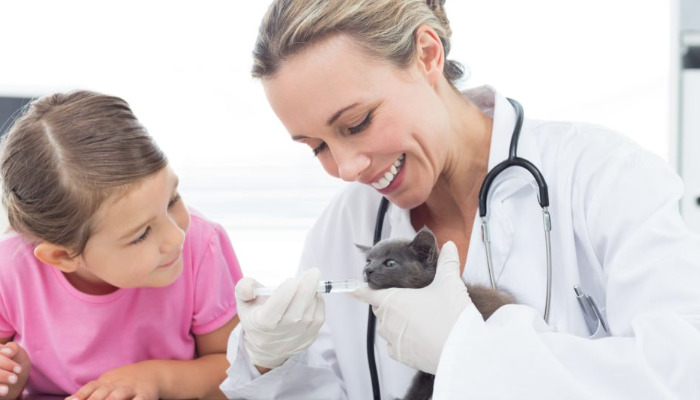
Veterinary practitioners may increase monitoring, vary injection sites, use distraction and pain control methods to aid adherence and minimize the urge for pauses.
Veterinary Advice: Communication Is Key
Open communication between cat caregivers and veterinarians is critical. Clear instruction, compassionate collaboration, and planning for possible interruptions can help maximize success.
If a pause is unavoidable, veterinarians can advise on dose escalation, monitoring, and treatment extension to minimize harm.
Beyond individual cases, an ongoing lack of supply or systemic barriers point to a need for greater regulatory access and clearer protocols to ensure life-saving care reaches cats in need.
Ethical and Emotional Considerations
Owners face enormous pressure and stress when managing a life-threatening diagnosis. Balancing practicality, compassion, and evidence-based medicine matters. Pausing treatment may seem appealing for cost or convenience but ultimately compromises the cat's chance of cure.
Clinical teams can provide emotional support, honest prognosis information, and resources to help families sustain therapy if obstacles arise.
Conclusion: Uninterrupted Therapy Is Paramount
In current science and veterinary best practice, uninterrupted FIP antiviral therapy remains paramount. Interruptions pose real risks for disease rebound, incomplete cure, and even drug resistance. While emergency pauses are sometimes unavoidable, careful planning and rapid resumption can mitigate harm but never replace the benefit of a continuous course.
Improving drug access, developing easier formulations, and educating the feline-loving public will help make sustained therapy accessible for all cats battling FIP.
References
1. Pedersen NC. The neurological form of FIP. Feline Medicine and Surgery, 2022;24(2):104–112.
2. Addie DD, et al. GS-441524 treatment for feline infectious peritonitis: Current evidence and future prospects. Journal of Feline Medicine and Surgery, 2023;25(6):399–412.
3. Krentz D, et al. Analysis of feline COVID-derived coronaviruses and response to antiviral drug interruptions. Veterinary Microbiology, 2021;261:109220.
4. Dickinson PJ, et al. Remdesivir for feline infectious peritonitis: Case series and implications. Veterinary Record, 2022;190(5):e110.
5. Izes AM, et al. GS-441524: Efficacy and safety in naturally occurring FIP. Veterinary Medicine and Science, 2022;8(2):736–748.
6. Dempsey SM, Ewing PJ. Owner adherence to FIP therapy and outcomes: Survey-based analysis. Feline Health Journal, 2023;12(3):215–222.
7. Kim Y, et al. Antiviral resistance in feline coronavirus: Molecular mechanisms, prevention, and implications. Virology Journal, 2022;19(1):12.
8. FIP Warriors® USA. FIP Treatment Support Group: Guidelines and FAQs. [https://www.fipwarriors.com](https://www.fipwarriors.com)
9. Whittaker GR, et al. The biology of feline coronavirus and implications for FIP treatment interruptions. Annual Review of Veterinary Science, 2023;10:355–377.