NeoFipronis (Pronidesivir) Precautions, Benefits, and Adverse Reactions
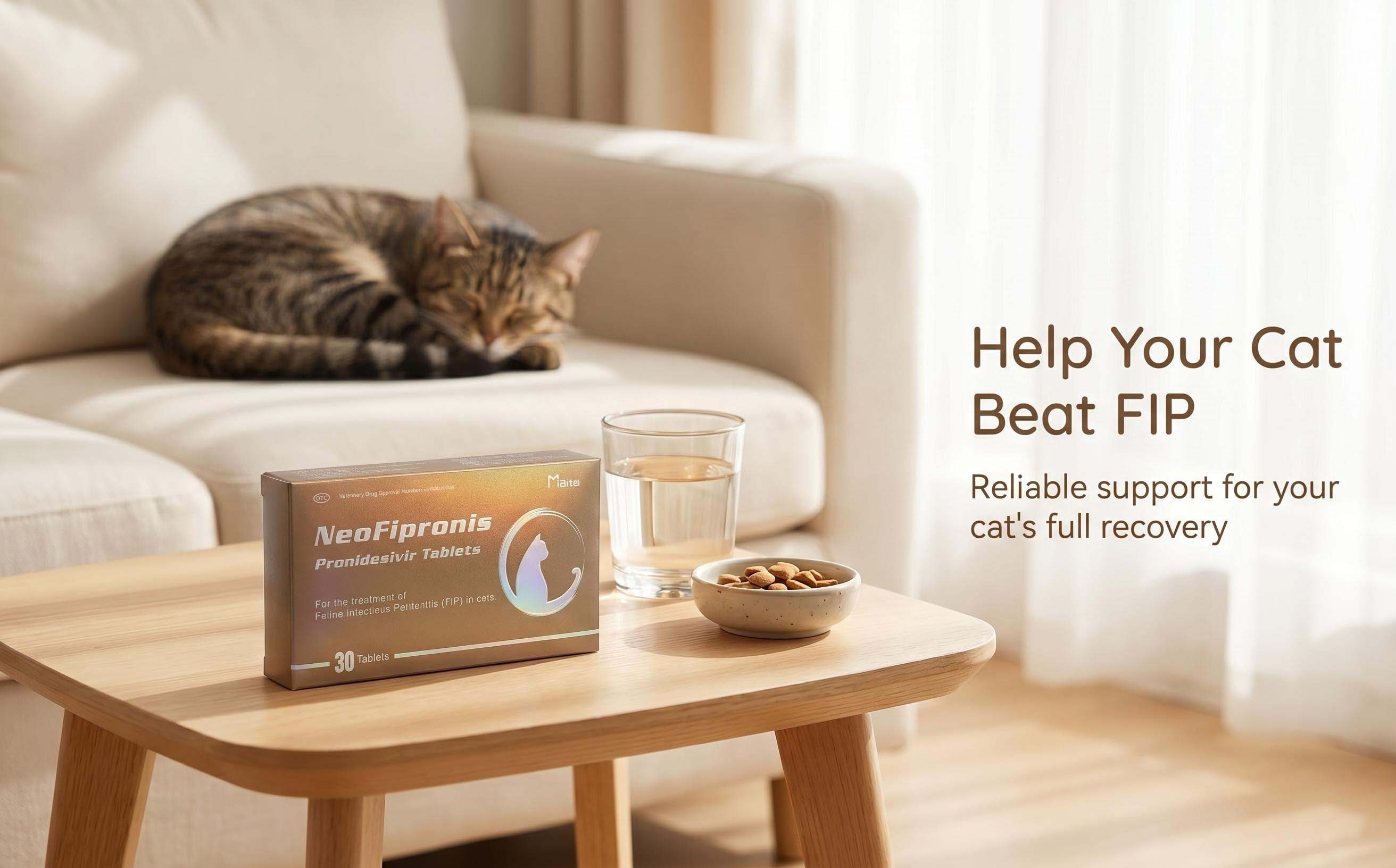
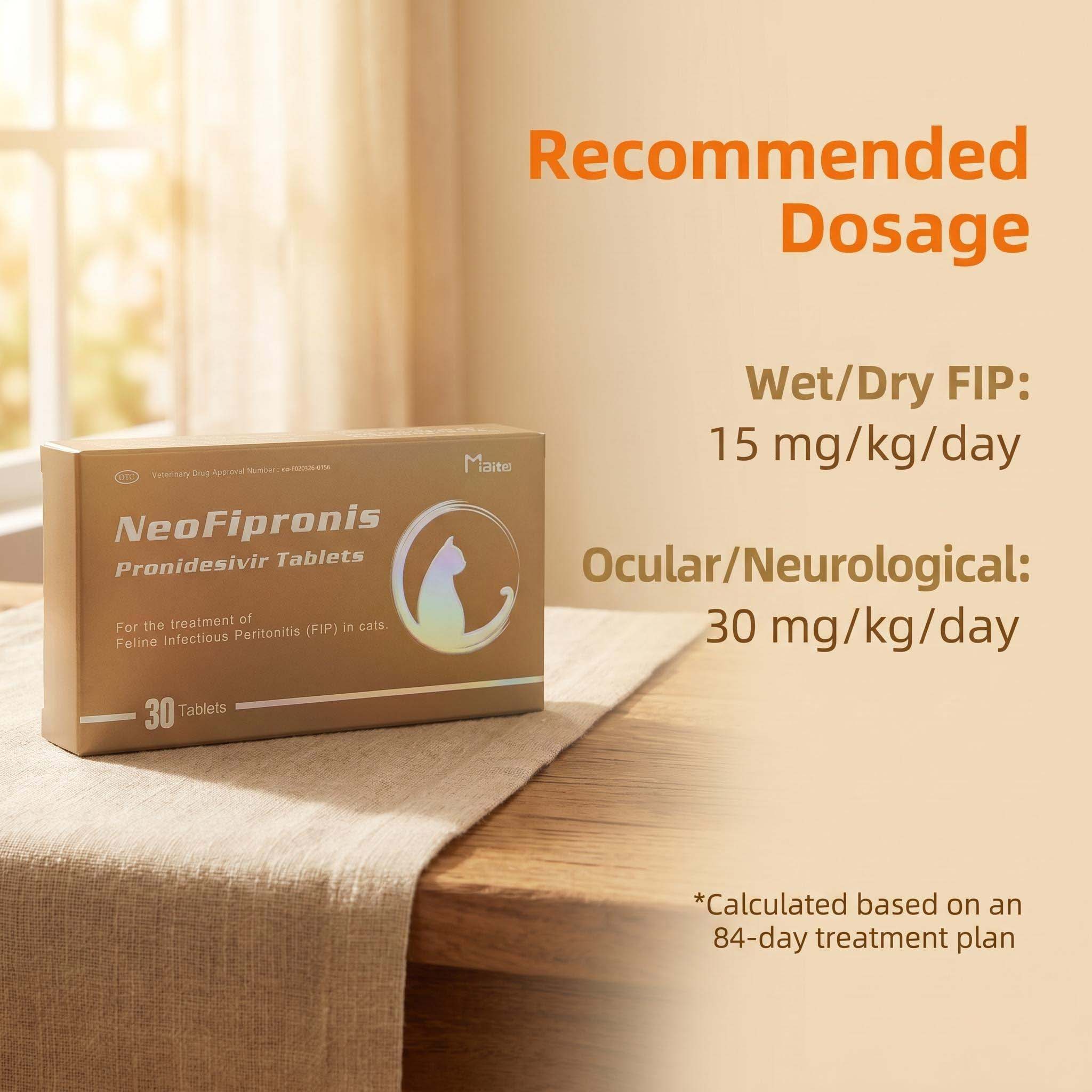
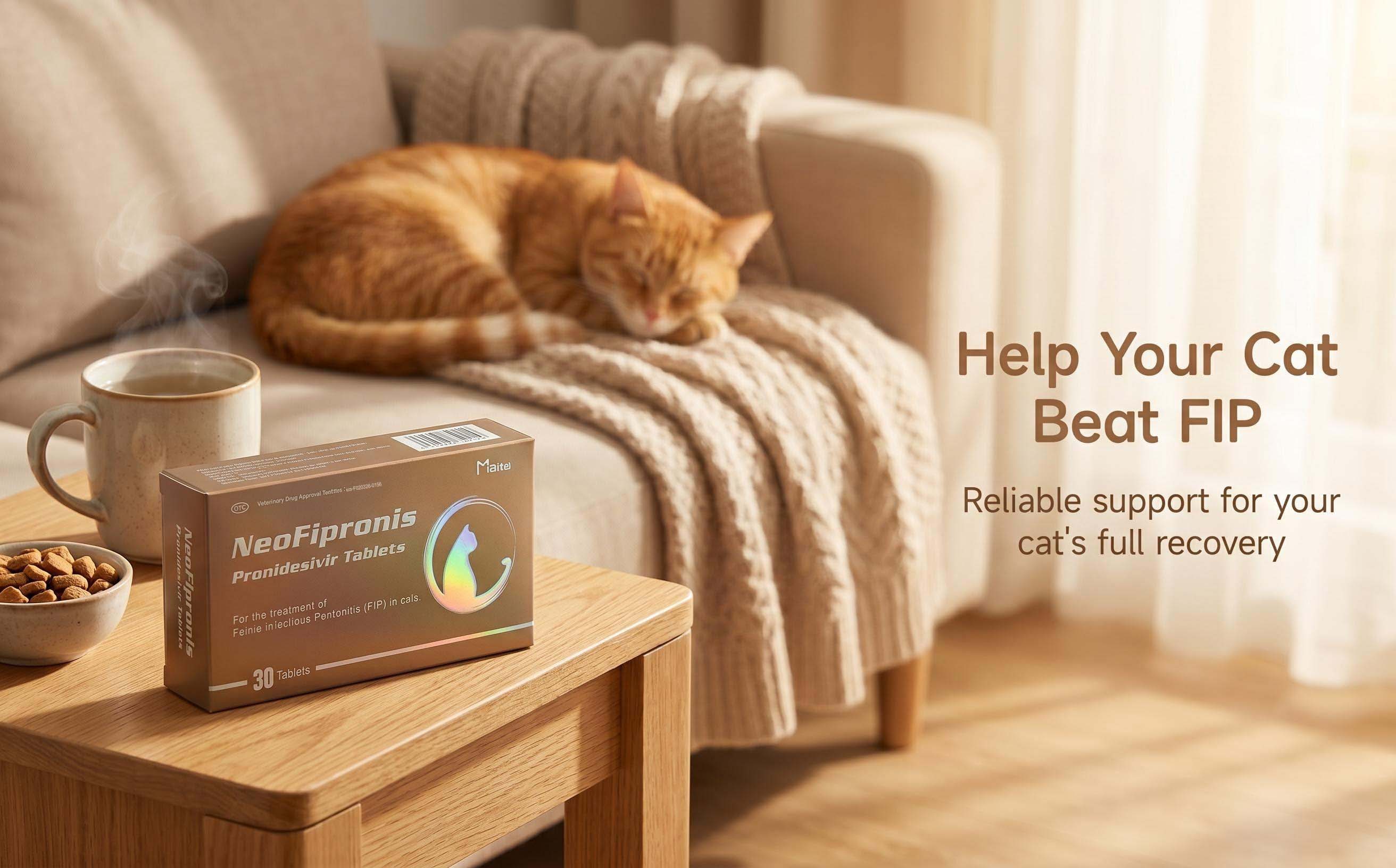
NeoFipronis (Pronidesivir) is an oral FIP treatment for cats formulated with GS-441524, the active antiviral ingredient associated with strong results against feline infectious peritonitis (FIP). FIP can cause loss of appetite, lethargy, fever, abdominal effusion, pleural effusion, enlarged lymph nodes, inflammatory granulomas, neurological damage, and uveitis. For many cats, timely antiviral therapy is the key to controlling these symptoms and improving quality of life.
Why NeoFipronis (Pronidesivir) Is Used for FIP
NeoFipronis (Pronidesivir) is designed for cats diagnosed with FIP and is widely recognized for its fast absorption, convenient oral administration, and good tolerance. Because it is non-invasive and given by mouth, it is often easier for cat owners to manage at home compared with injectable options. Its GS-441524 content has been studied and used extensively in clinical practice, showing excellent antiviral activity against FIP-related coronavirus replication.
Cats with wet FIP, dry FIP, mixed FIP, ocular FIP, or neurological FIP may all benefit from prompt treatment when supervised appropriately. Many owners choose NeoFipronis because it may help reduce fever, restore appetite, improve energy, and lessen inflammation linked to fluid accumulation and organ involvement.
Recommended Dosage and Administration
The standard dosage is based on body weight: 15 mg per kilogram of body weight daily, which equals half a tablet per kilogram. For neurological or ocular FIP, the dose may be increased to 30 mg/kg per day under veterinary guidance.
NeoFipronis should be given once daily. For best absorption, it is recommended to administer it on an empty stomach, either one hour before food or two hours after eating. Treatment should continue for at least 12 weeks without interruption, and missed doses should be avoided whenever possible.
Precautions During Treatment
Although NeoFipronis (Pronidesivir) is marketed as an over-the-counter product, veterinary supervision is strongly recommended. FIP can progress quickly, and treatment decisions should be based on the cat’s clinical signs, body weight, and laboratory findings.
During therapy, monitor appetite, temperature, energy level, breathing, stool quality, and neurological or eye symptoms. Regular bloodwork is also important, especially liver and kidney function testing, to ensure the cat is responding well and to adjust care when needed. Only use the product for cats, and never give it to people.
Possible Adverse Reactions
NeoFipronis is generally described as safe, fast-acting, and well tolerated, with a relatively low rate of side effects. However, some cats may still experience mild adverse reactions such as temporary vomiting, soft stool, decreased appetite, or short-term lethargy.
If a cat develops severe vomiting, marked weakness, allergic-type symptoms, jaundice, worsening breathing, or a sudden decline in condition, contact a veterinarian immediately. Any unusual reaction during FIP therapy should be taken seriously and evaluated promptly.
Buying NeoFipronis Safely
To help ensure product quality, purchase NeoFipronis (Pronidesivir) only through the official NeoFipronis website or authorized channels. This reduces the risk of counterfeit medication and helps protect your cat during a critical treatment period. For cats affected by FIP, choosing a reliable, properly registered product can make a meaningful difference in outcomes.