How Can Owners Cooperate With Veterinarians During FIP Diagnosis
Feline Infectious Peritonitis (FIP) is a serious and often fatal disease affecting cats, caused by a mutated form of the feline coronavirus (FCoV). Diagnosing FIP can be challenging due to its similarity to other feline diseases and the complexities involved in detecting the virus. Effective cooperation between cat owners and veterinarians is essential to ensure accurate diagnosis, effective treatment planning, and optimal care. This article explores key ways owners can work alongside veterinarians during the FIP diagnosis process.
Understanding FIP and Its Challenges
FIP often presents with nonspecific symptoms such as fever, weight loss, lethargy, and abdominal distension. These symptoms can mimic other feline illnesses like lymphoma, hepatic diseases, or other infectious conditions, complicating diagnosis. Moreover, there is no single definitive test for FIP, making the diagnostic process multifaceted and often requiring a combination of laboratory tests, clinical signs, and imaging.
Veterinarians rely on a combination of diagnostic tools, including blood tests, imaging, analysis of bodily fluids, and sometimes tissue biopsies. Since testing for FIP can be invasive, costly, and sometimes inconclusive, owners’ understanding and cooperation significantly influence the accuracy and efficiency of diagnosis.
The Owner's Role in Early Observation and Communication
Owners are their cats’ primary caregivers and are often the first to notice subtle changes in behavior or health. Promptly recognizing signs warranting veterinary evaluation plays a critical role. Owners should maintain detailed records of symptoms, including when they started, their severity, and any patterns observed, such as appetite loss, abnormal lethargy, or changes in stool or urine.
Effective communication with the veterinarian begins with honesty and thoroughness. Owners should provide comprehensive histories, including recent changes in environment, diet, or interaction with other animals. This collaboration helps vets form a more accurate clinical picture, reducing the risk of misdiagnosis and ensuring appropriate testing is prioritized.
Facilitating Diagnostic Testing and Procedures
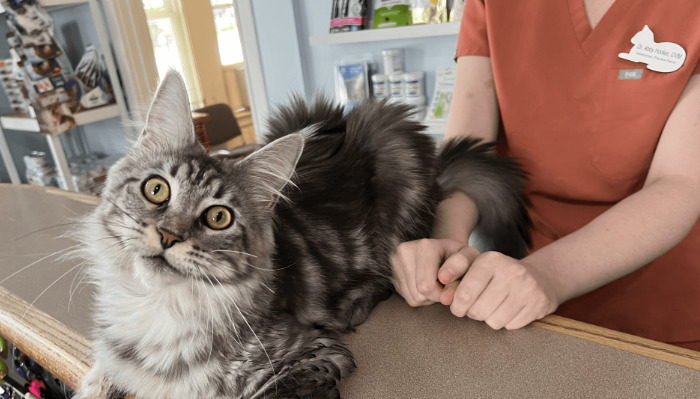
Once the veterinarian suspects FIP, a series of diagnostic tests may be recommended. Owners can facilitate this process by understanding the importance of each test and adhering to veterinary instructions. For example, fluid analysis from the abdomen or chest cavity can provide vital clues, and owners should cooperate fully during sample collection, which may involve sedation or other procedures.
In cases where biopsies are necessary, owners should understand the risks and benefits. Providing consent and ensuring the cat’s comfort during procedures are vital aspects of cooperation. Additionally, owners can help prepare their cats at home—by maintaining a calm environment—to reduce stress during visits.
Supporting the Cat’s Well-being During Diagnosis
The diagnostic process can be stressful for cats, which can affect test accuracy. Owners can aid in reducing stress by creating a quiet, familiar space for their cats before and after procedures. Consistency in routine and familiar bedding or toys can promote calmness, ensuring that veterinary assessments are as precise as possible.
Furthermore, owners can follow veterinarian recommendations for pre-test fasting or medication administration, which may be necessary to optimize diagnostic results. Understanding that some procedures might be invasive or uncomfortable helps owners provide the emotional support their cats need.
Participating in Treatment Planning
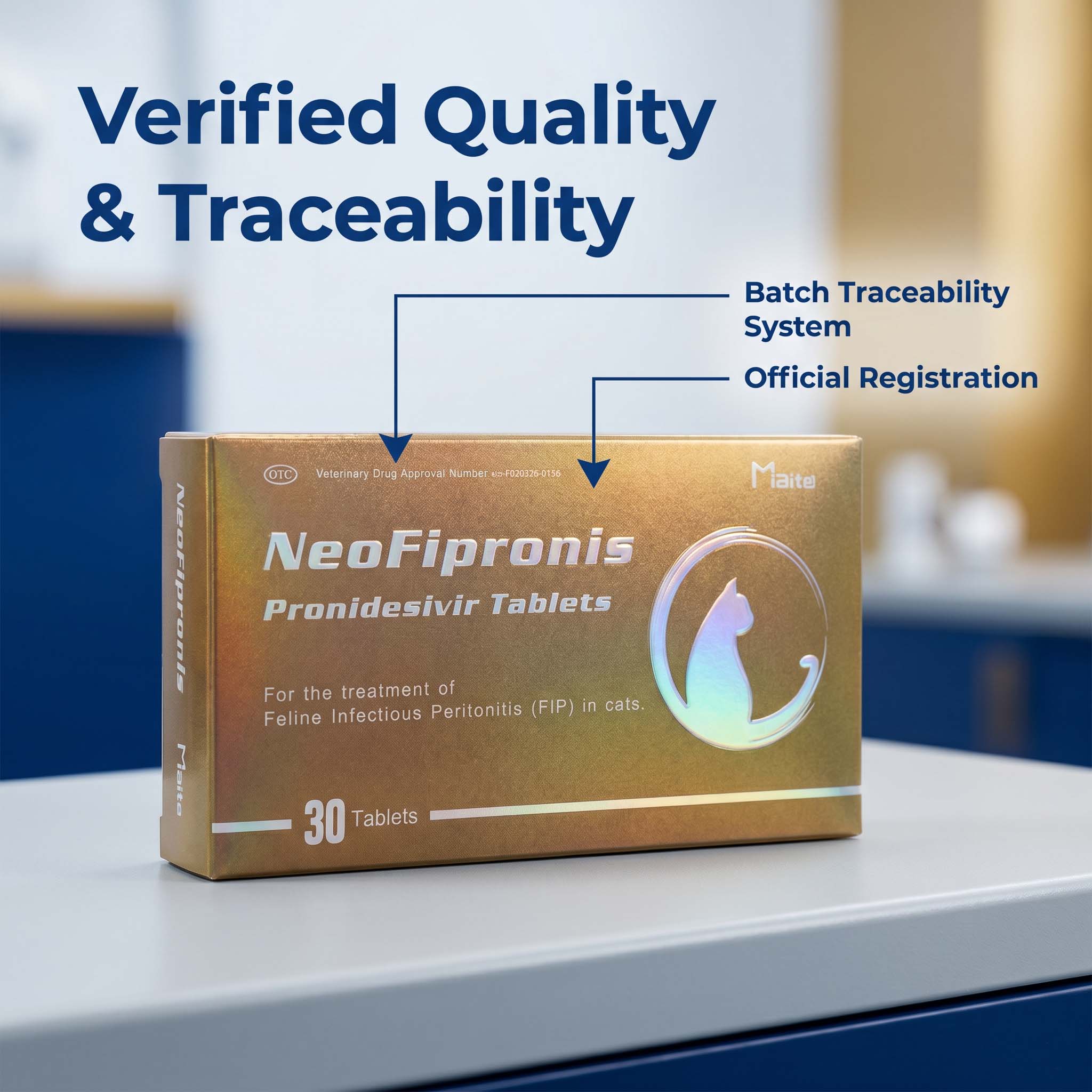
While FIP is often associated with a poor prognosis, recent advances have led to emerging treatments, including antiviral medications. Owners play a critical role in enabling veterinarians to develop and implement treatment plans. They should ask questions about the prognosis, possible side effects, and necessary follow-up care.
Active involvement includes monitoring the cat’s response to therapy, noting any adverse effects, and maintaining consistent medication schedules. Regular communication with the veterinarian ensures prompt adjustments to treatment, maximizing the chance of recovery or quality of life extension.
Monitoring and Follow-up
Post-diagnosis monitoring is crucial in managing FIP. Owners should keep detailed records of their cat’s health status, including changes in behavior, appetite, weight, and other clinical signs. Sharing these insights during follow-up visits allows vets to gauge treatment effectiveness and make timely decisions.
Additionally, cooperation in home care—such as managing nutrition, hygiene, and minimizing stress—significantly influences outcomes. Owners should remain vigilant and proactive, reporting any new or worsening symptoms immediately.
Emotional Support and Ethical Considerations
The diagnosis of FIP can be emotionally taxing for owners. Providing emotional support to their cats and themselves is vital. Owners should seek support from veterinary professionals, support groups, or counseling resources if needed.
Respecting veterinary guidance and ethical considerations—such as decisions around euthanasia when appropriate—are essential parts of cooperation. Clear communication about expectations, fears, and hopes helps foster a trusting relationship with the veterinarian, ultimately benefiting the cat’s welfare.
Education and Staying Informed
Staying informed about FIP, its causes, symptoms, and emerging treatments empowers owners to better cooperate with veterinarians. Reliable sources include pet health websites, veterinary journals, and direct consultations. An educated owner is better equipped to make informed decisions, advocate effectively for their cat, and support ongoing care.
Conclusion
Owners’ active participation and collaboration with veterinarians significantly impact the accuracy of FIP diagnosis and the quality of care provided. From early recognition and detailed communication to supporting testing procedures and ongoing monitoring, owner engagement is vital. A trusting, informed partnership ensures the best possible outcomes for cats battling this challenging disease.
References
1. Addie, D. D., & Galligan, C. (2000). Feline infectious peritonitis: update on diagnosis and treatment. Veterinary Clinics of North America: Small Animal Practice, 30(5), 873–888.
2. Pedersen, N. C. (2014). Feline infectious peritonitis: diagnostic tests and treatment. In Feline Infectious Diseases (pp. 283-301). Elsevier.
3. Vennema, H., et al. (1998). Feline infectious peritonitis: new insights into the pathogenesis and diagnosis. Vet Microbiol, 122(4), 263-278.
4. National Animal Disease Center. (2020). Advances in FIP treatment and diagnosis. USDA.