Long-term monitoring and follow-up of FIP
Understanding the Importance of Continuous Monitoring
Feline Infectious Peritonitis (FIP) is a complex, progressive disease caused by mutated feline coronavirus (FCoV). While initial diagnosis can be challenging, ongoing observation is critical to managing affected cats effectively. Regular monitoring not only helps in tracking disease progression but also assists in evaluating treatment responses and adjusting care plans accordingly.
The heterogeneity of FIP cases warrants a personalized approach. Cats diagnosed with FIP often exhibit subtle clinical changes over time, which can be missed without systematic follow-up. Continuous evaluation allows veterinarians to detect early signs of worsening or remission, leading to more timely interventions. Furthermore, since FIP can affect multiple organ systems, comprehensive long-term assessment becomes essential for maintaining quality of life.
Key Components of Follow-up Protocols
Serial Clinical Examinations
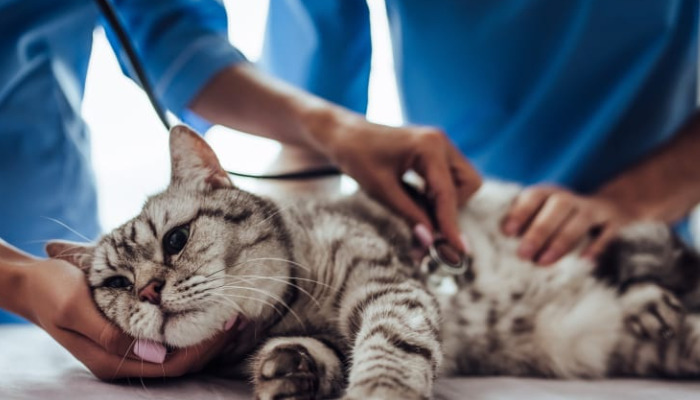
Regular physical assessments should be scheduled, focusing on weight, temperature, hydration status, and the presence of any effusions or abnormalities. This helps in identifying shifts in disease activity, ensuring interventions are timely.
Laboratory Tests and Imaging

Periodic blood work—such as complete blood counts, biochemistry panels, and serology—provides critical insights into organ functions and immune responses. Imaging modalities like ultrasound or radiography can reveal internal changes before clinical signs manifest, guiding decision-making processes.
Monitoring of Biomarkers
Emerging research suggests that certain biomarkers, such as serum amyloid A or specific cytokines, could serve as indicators for FIP activity or remission. Incorporating these into follow-up routines may enhance the accuracy of disease assessment.
Assessment of Treatment Side Effects
If antiviral or immunomodulatory therapies are employed, monitoring for adverse effects becomes indispensable. Regularly evaluating hepatic and renal functions helps in adjusting dosages or discontinuing medications when necessary, minimizing harm.
Owner Reporting and Behavior Tracking
Educating owners to observe subtle behavioral or physical changes in their cats fosters early detection of potential complications. Maintaining a symptom diary can be a valuable tool for ongoing assessment.
Challenges and Considerations in Long-term Follow-up
Variability in Disease Course
FIP can follow different trajectories, from rapid deterioration to prolonged remission, especially in cases with immune-modulating therapies. This variability necessitates adaptable monitoring strategies tailored to each individual.
Limited Prognostic Indicators
Currently, definitive markers predicting long-term outcomes are limited. This uncertainty complicates follow-up planning and underscores the need for ongoing research to identify reliable prognostic tools.
Psychological Impact on Owners
Long-term management can be emotionally taxing for pet owners. Clear communication regarding prognosis, treatment goals, and regular updates can alleviate anxiety and promote compliance with follow-up routines.

Resource Allocation
Extended monitoring involves financial and logistical considerations. Establishing a balance between comprehensive care and practical feasibility is vital to ensure consistent follow-up.
Innovative Approaches and Future Directions
Utilization of Telemedicine
Remote consultations can facilitate frequent check-ins, especially for owners living far from veterinary centers. This approach supports early intervention and enhances owner engagement.
Integration of Data Logging Devices
Wearable technology tracking activity levels, temperature, or other vital signs may enable real-time health monitoring, offering invaluable data for clinicians.
Development of Predictive Models
Advances in computational analytics could create models to forecast disease progression based on patient-specific variables, ultimately refining follow-up schedules.
Collaboration with Research Initiatives
Participation in clinical studies enriches understanding of FIP's long-term behavior, paving the way for evidence-based management protocols.
Closing Insights
By embracing a comprehensive, adaptable, and technology-enabled approach, long-term monitoring of FIP transitions from mere surveillance to proactive disease management. Such strategies hold the promise of extending lifespan, improving living conditions, and fostering a deeper understanding of this enigmatic disease. Continuous collaboration between clinicians, researchers, and pet owners remains the cornerstone of advancing FIP care into a new era of precision veterinary medicine.