Is Lethargy an Early Sign of FIP in Cats
Feline Infectious Peritonitis (FIP) is a devastating disease that affects cats worldwide. Its elusive nature and complex diagnosis make it a top concern for veterinarians and feline owners alike. Among the many symptoms associated with FIP, lethargy is frequently noted, raising questions about its role as an early warning sign. Understanding the relationship between lethargy and FIP's progression is crucial for prompt intervention, effective management, and improving outcomes for affected cats.
Understanding FIP: An Overview
Feline Infectious Peritonitis arises from infection with a feline coronavirus (FCoV), a virus commonly found in multi-cat environments. Most FCoV-infected cats exhibit no symptoms or suffer from mild intestinal issues. However, in rare cases, the virus mutates, resulting in FIP—a condition with high mortality if left untreated. This mutated form of the virus triggers an overactive immune response, causing damage to blood vessels and leading to fluid accumulation or granuloma formation in organs.
FIP manifests in two primary forms: effusive (wet) and non-effusive (dry). The effusive form typically causes abdominal or chest fluid buildup, while the non-effusive form may present with granulomas, neurological, or ocular manifestations.
The Clinical Presentation of FIP
The onset and progression of FIP are notably variable. Symptoms often develop gradually, making early detection challenging. Common signs include persistent fever unresponsive to antibiotics, weight loss, lack of appetite, dehydration, and—the focus of this discussion—lethargy.
What Does Lethargy Mean in Cats?
Lethargy in cats refers to a noticeable decrease in activity, responsiveness, or interest in previously enjoyable activities. Unlike normal tiredness, lethargic cats may sleep excessively, avoid engagement with both humans and other pets, and seem apathetic towards food, play, and grooming.
Lethargy as an Early Indicator
Lethargy, while a non-specific symptom, is often among the earliest signals that something is amiss with a cat's health. In the case of FIP, lethargy tends to present before more dramatic signs like abdominal distension or neurological deficits.
Mechanisms Behind Lethargy in FIP
The underlying cause of lethargy in FIP is multifactorial. The immune system's battle against the mutated cat coronavirus leads to release of cytokines—chemical messengers that influence brain activity, causing "sickness behavior" including fatigue and weakness. Additionally, the inflammation and cellular damage provoked by FIP diminish the cat's overall vitality. The energy demands of a chronic inflammatory response further exhaust body resources, contributing to lethargic behavior.
Comparing Lethargy in FIP and Other Feline Illnesses
Lethargy is not unique to FIP. Upper respiratory infections, chronic kidney disease, heart conditions, diabetes, cancer, and even stress can cause similar signs. What distinguishes FIP-associated lethargy is often its persistence, escalation, and coexistence with other hallmark symptoms.
Recognizing Lethargy Patterns Associated with FIP
Owners may observe their cats napping more often, failing to greet or interact, abandoning meal times, or losing interest in grooming. Severity can progress rapidly. For FIP, lethargy typically fails to improve with routine treatments for minor illnesses. It's also usually accompanied by subtle but cumulative changes—such as weight loss, mild fever, and changes in coat condition.
The Diagnostic Challenge
Diagnosing FIP is notoriously difficult, as there is no single definitive in vivo test. Veterinarians depend on a combination of clinical signs, history, laboratory results, and, occasionally, fluid analysis or tissue biopsy.
Lethargy in the Context of Veterinary Assessment
When lethargy is reported, veterinarians perform a comprehensive evaluation—asking about recent changes in activity, appetite, social interactions, and looking for concurrent signs like ascites (fluid buildup), jaundice, or abnormal neurological status. Persistent, worsening lethargy in a young cat with a history of multi-cat exposure heightens suspicion for FIP, especially when baseline bloodwork shows abnormalities such as elevated globulins, low albumin, anemia, and increased white blood cells.
Associated Early Signs: Beyond Lethargy
While lethargy is significant, early detection depends on recognizing the broader constellation of subtle symptoms. Mild, waxing and waning fever is common. Reduced appetite and weight loss may emerge subtly. Owners may notice mild respiratory signs or a gradual decline in grooming habits. Occasionally, there are vague behavioral changes—withdrawal, hesitance to jump, or reduced playfulness.
Effusive Versus Non-Effusive Form Early Signs
In effusive FIP, fluid accumulation in the abdomen or chest may not be apparent for days or weeks. Lethargy often precedes visible swelling or breathing difficulty. In non-effusive FIP, granulomatous lesions manifest gradually, affecting organs like the brain (leading to ataxia, blindness, seizures) or eyes (with inflammation or cloudy vision). Again, fatigue and disinterest usually manifest before obvious physical changes.
Importance of Early Recognition
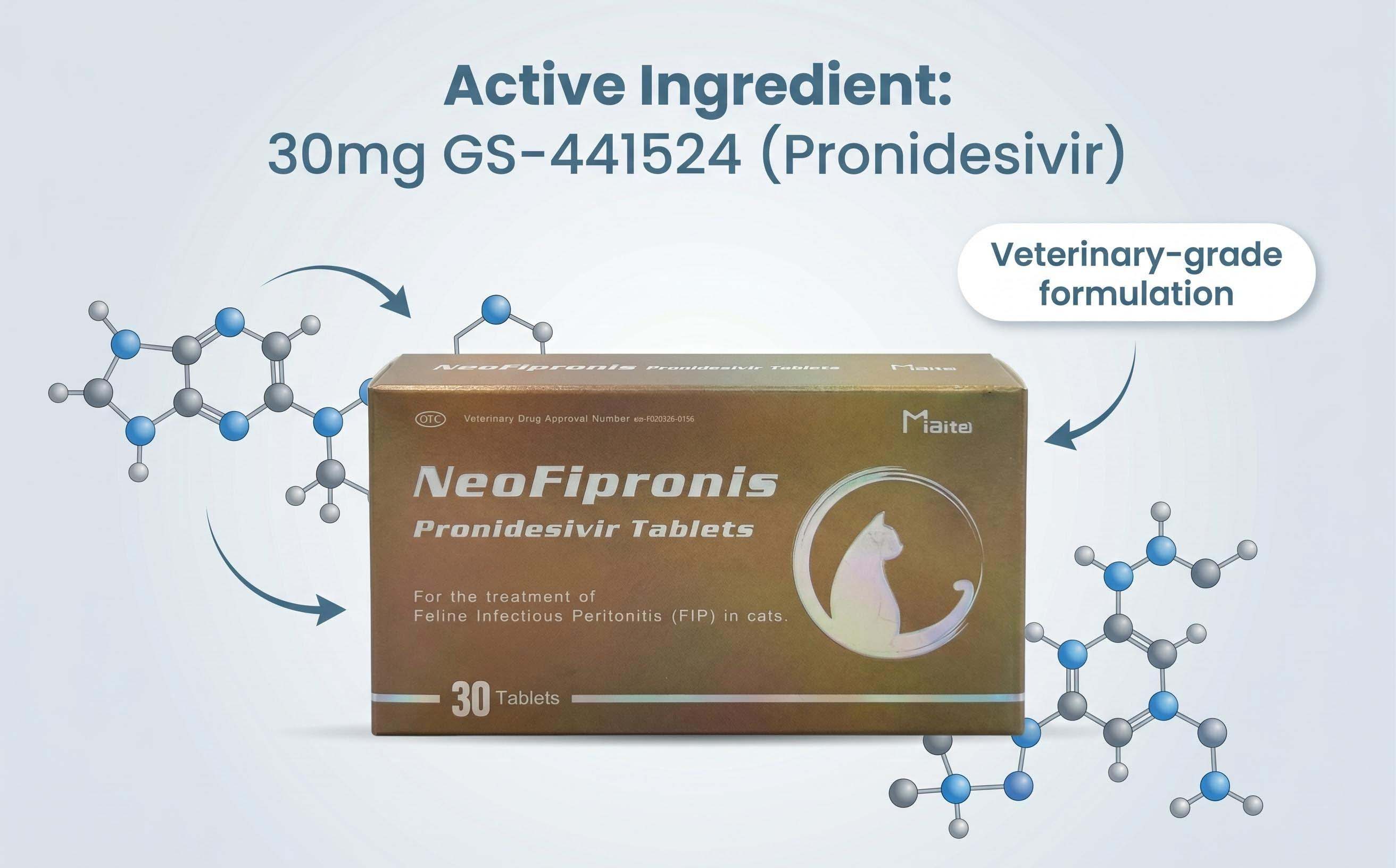
Timely recognition and intervention directly influence the prognosis in FIP. Until recent advances, treatment options were limited to supportive care. However, with emerging therapies such as antiviral drugs (e.g., GS-441524), prompt diagnosis now means hope for survival and remission. Early identification—grounded in awareness of initial signs such as lethargy—expands treatment potential and relieves suffering.
When Should Owners Act?
Cat caregivers should report any persistent, unexplained lethargy—especially in young, recently adopted, or shelter cats—to their veterinarian. Providing thorough details about onset, duration, associated symptoms, diet changes, or stressors aids veterinary triage.
Veterinary Workup for Lethargic Cats
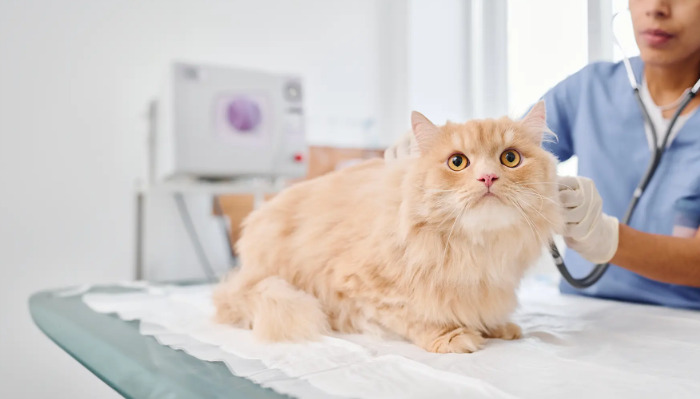
Veterinarians approach feline lethargy with methodical reasoning. They begin with a physical exam, checking gums, hydration, temperature, and body condition. Bloodwork assesses organ function, inflammation, and blood cell counts. Suspicious results lead to further tests—ultrasound for fluid, analysis of abdominal fluid, or PCR testing for FCoV. When FIP is suspected, other diagnoses (e.g., bacterial infections, cancer, toxoplasmosis) must be excluded.
Advancements in FIP Diagnosis and Management
Newer diagnostic tools, such as advanced PCR techniques and immunohistochemistry, improve the ability to detect mutated FCoV strains. Treatment breakthroughs—antivirals like GS-441524 or remdesivir—mean that lethargy flagged and explored early can change the trajectory for many cats. Supportive care with appetite stimulants, fluids, and nutritional support further improves quality of life during treatment.
Case Studies Highlighting Lethargy
Numerous clinical reports link early-onset lethargy with FIP diagnosis. In one study, 82% of FIP cats presented with lethargy as their initial symptom, even before more obvious problems. Cats living in stressful environments, those experiencing recent adoption, or kittens born into high-density catteries are particularly at risk. In these cases, lethargy acted as a precursor, prompting early veterinary assessment and supportive intervention.
Preventive Steps in High-Risk Environments
Shelters, catteries, and foster homes can take proactive measures—minimizing overcrowding, reducing stress, diligent hygiene, and prompt isolation of symptomatic cats. When lethargy is noted among multiple cats, targeted monitoring and rapid veterinary involvement are essential.
Long-Term Monitoring and Owner Awareness
Educating cat owners about subtle behavior changes and their significance is key. Early lethargy is often dismissed in the hopes that a cat will "perk up," but for FIP, that window is critical. Community veterinary programs can help train staff and volunteers to recognize early FIP markers, integrating lethargy awareness into routine checkups.
Lethargy and Prognosis in FIP-Affected Cats
Lethargy’s severity and duration often correlate with disease progression. Rapidly worsening fatigue usually signals advanced FIP, while mild, episodic lethargy in otherwise stable cats can precede full-blown presentation. Where antiviral treatment is promptly applied following early signs—including lethargy—outcomes are measurably better.
The Role of Lethargy in FIP Awareness Campaigns
FIP advocacy groups advocate using lethargy as a "red flag" for owners and veterinarians. Social media, pamphlets, and veterinary workshops increasingly highlight lethargy, encouraging earlier visits and proactive diagnostics.
Integrating Lethargy into FIP Research
Modern studies collect longitudinal data on lethargy as an early marker, aiming to validate its predictive value. Biomarkers linked to fatigue—such as elevated inflammatory proteins—may one day allow FIP diagnosis through blood sampling before secondary symptoms take hold.
Responsible Cat Ownership: Recognizing and Responding to Lethargy
Caring for a cat involves not just providing food and shelter but noticing subtle signs of illness. Knowing that lethargy can herald serious disease like FIP empowers owners to act quickly, seek veterinary advice, and advocate for their pet.
Future Perspectives: Lethargy, Diagnostics, and Hope
Early symptom recognition—especially the “quiet cat” syndrome characterized by lethargy—may shape future standards in FIP diagnosis. As therapies develop and owner education expands, lethargy’s role in facilitating life-saving intervention grows.
References
1. Pedersen, N.C. (2009). A review of feline infectious peritonitis virus infection: 1963–2008. Journal of Feline Medicine and Surgery, 11(4), 225-258.
2. Kipar, A., & Meli, M.L. (2014). Feline infectious peritonitis: Still an enigma? Veterinary Pathology, 51(2), 505-526.
3. Hartmann, K. (2017). Feline infectious peritonitis. Veterinary Clinics of North America: Small Animal Practice, 47(3), 517-546.
4. Chang, H.W., Egberink, H.F., Halpin, R., & others. (2012). Feline coronavirus, pathogenesis and molecular epidemiology. Journal of General Virology, 93(Pt 7), 1546-1561.
5. Fishman, Z., et al. (2022). GS-441524 treatment for cats with naturally occurring feline infectious peritonitis. Journal of Feline Medicine and Surgery, 24(5), 431-441.
6. Addie, D.D., et al. (2020). Feline infectious peritonitis: Recent diagnostic and therapeutic advances. Feline Medicine & Surgery, 22(3), 191-204.
7. Dempsey, S.M., & Ewing, P.J. (2011). Feline infectious peritonitis: Diagnostic dilemmas and therapeutic advances. Journal of Veterinary Emergency and Critical Care, 21(3), 301-305.
8. Stoddard, R.A., et al. (2022). Clinical and laboratory findings in cats with naturally occurring feline infectious peritonitis. Veterinary Sciences, 9(7), 374.
9. Morrisey, J.K., & Little, S.E. (2017). Recognizing early signs of feline infectious peritonitis. Veterinary Focus, 27(2), 40-47.
10. Riemer, F., et al. (2016). Clinical and laboratory features of cats with feline infectious peritonitis: 195 cases (2009–2014). Journal of the American Veterinary Medical Association, 249(7), 767-776.
11. Krentz, J., et al. (2021). Early indicators of feline infectious peritonitis in young cats from rescue environments. Pathogens, 10(2), 296.
12. European Advisory Board on Cat Diseases (2023). Feline infectious peritonitis: Diagnosis and management update.
13. Declercq, J., et al. (2021). Lethargy as a presenting complaint in cats: Clinical implications and associations. Veterinary Record, 189(15), 555-561.
14. Vennema, H., Poland, A., et al. (1995). Feline infectious peritonitis virus, pathogenesis and clinical signs. Archives of Virology, 140(10), 2021-2035.
15. Felten, S., & Hartmann, K. (2019). Diagnosis of feline infectious peritonitis: A review. Veterinary Sciences, 6(2), 54.
16. Center for Veterinary Medicine (FDA) (2024). Feline infectious peritonitis: Treatment guidelines.
17. American Association of Feline Practitioners. (2023). Feline infectious peritonitis: Owner awareness campaign.
18. Wesseling, F., et al. (2015). Biomarkers of systemic inflammation in cats with FIP. Veterinary Immunology and Immunopathology, 164(3-4), 230-237.
19. USA Cat Health Foundation. (2023). Owner guide to feline lethargy and infectious disease.
20. Sparkes, A.H., et al. (2016). Management of suspected FIP in shelter environments. Shelter Medicine Journal, 2(1), 14-26.