NeoFipronis (Pronidesivir) Indications, Usage Precautions, and Contraindications
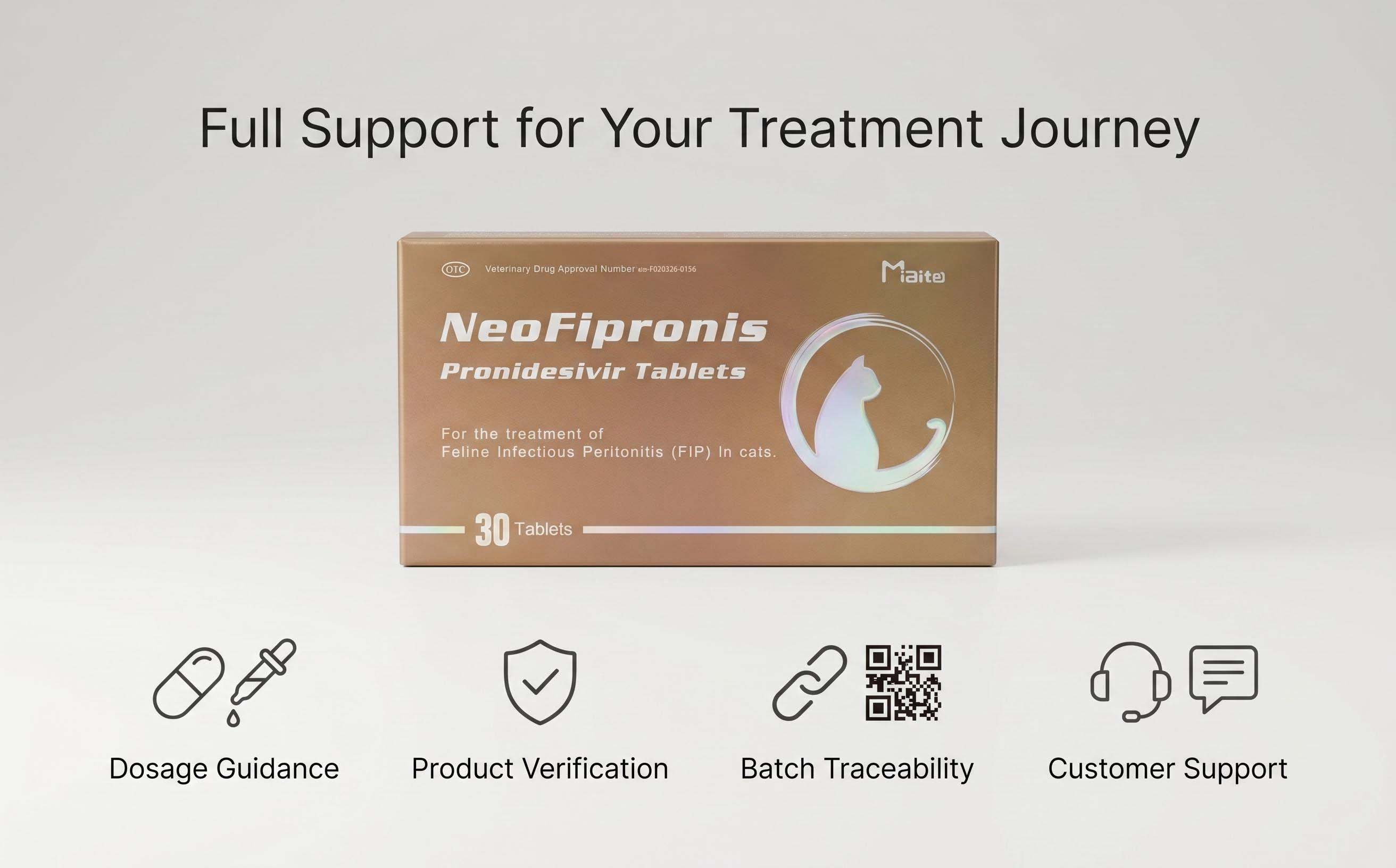
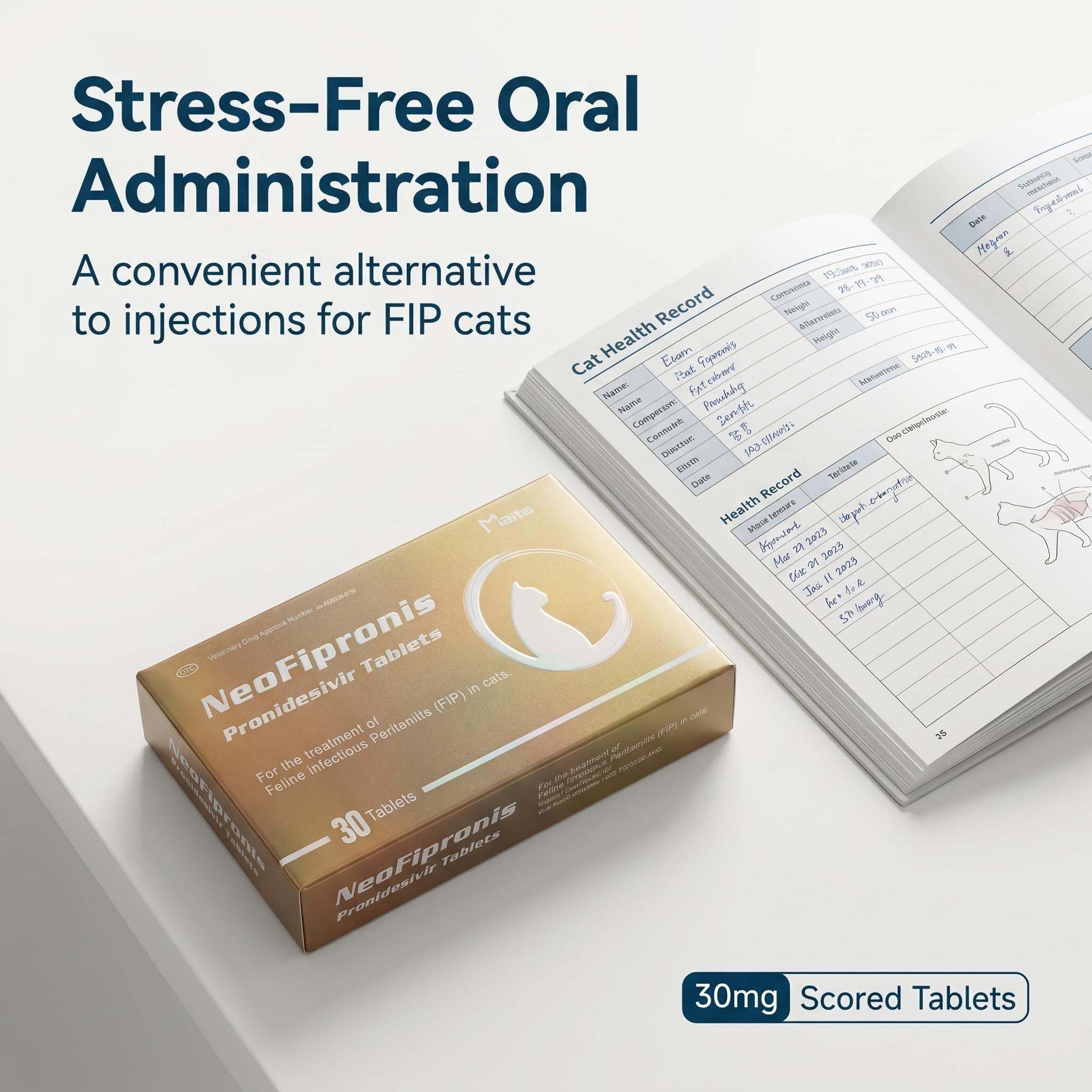
NeoFipronis (Pronidesivir) is an oral FIP medication designed for cats diagnosed with Feline Infectious Peritonitis (FIP), a serious and often fatal coronavirus-related disease. Its active ingredient, GS-441524, has been widely studied and used in veterinary practice for its antiviral activity against feline coronavirus. In cats with FIP, common signs may include poor appetite, lethargy, fever, abdominal effusion, pleural effusion, enlarged lymph nodes, inflammatory granulomas, neurological symptoms, and uveitis. NeoFipronis is positioned as a fast-absorbing, non-invasive, and well-tolerated treatment option for cats needing consistent antiviral support.
NeoFipronis (Pronidesivir) is used for both wet FIP and dry FIP, including complicated cases involving the nervous system or eyes. Cats showing persistent weight loss, weakness, repeated fever, fluid buildup in the abdomen or chest, eye inflammation, walking abnormalities, head tilt, seizures, or reduced responsiveness may benefit from prompt veterinary assessment and antiviral therapy. Early treatment is especially important because FIP can progress rapidly. For many cats, a timely course of GS-441524-based therapy is associated with improved appetite, better energy levels, reduced fever, and gradual recovery of organ function.
The recommended dosage is based on body weight. Standard use is 15 mg per kilogram of body weight once daily, which is often described as half a tablet for every kilogram. For neurologic FIP or ocular FIP, dosage may need to be increased to 30 mg per kilogram, but this adjustment should only be made under veterinary direction. Administration is usually once daily, preferably on an empty stomach, either one hour before meals or two hours after feeding, to support consistent absorption.
Treatment should not be interrupted. A full course of at least 12 weeks is generally recommended, and missed doses should be avoided whenever possible. During therapy, cat owners should monitor appetite, temperature, behavior, hydration, and overall activity. Regular blood tests are also important to track liver and kidney function, as well as to evaluate the response to treatment over time. Even when a cat appears to improve early, continuing the prescribed course helps reduce the risk of relapse.
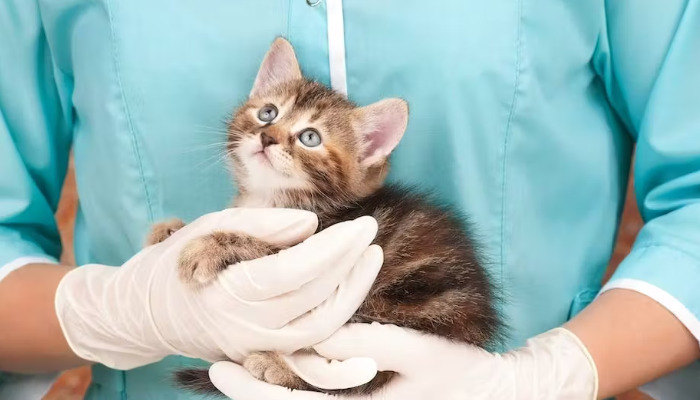
Although NeoFipronis is described as an over-the-counter option, veterinary supervision is strongly recommended. FIP diagnosis can be complex, and similar symptoms may occur with other diseases. A veterinarian can confirm the likely FIP type, determine the proper dosage, and decide whether supportive care is needed alongside antiviral treatment. Cats with pre-existing liver or kidney disease, severe vomiting, marked dehydration, or poor ability to eat should be assessed before starting therapy.
Contraindications and warnings include use in species other than cats. NeoFipronis is not for human use and must never be given to people. It should also be kept away from kittens or cats with a known allergy to any ingredient in the formulation. If a cat shows worsening vomiting, sudden weakness, jaundice, or unusual neurologic signs during treatment, urgent veterinary review is necessary. For product authenticity and quality assurance, purchase should be made through the official NeoFipronis website or authorized channels only.