Is NeoFipronis (Pronidesivir) Good for Treating FIP
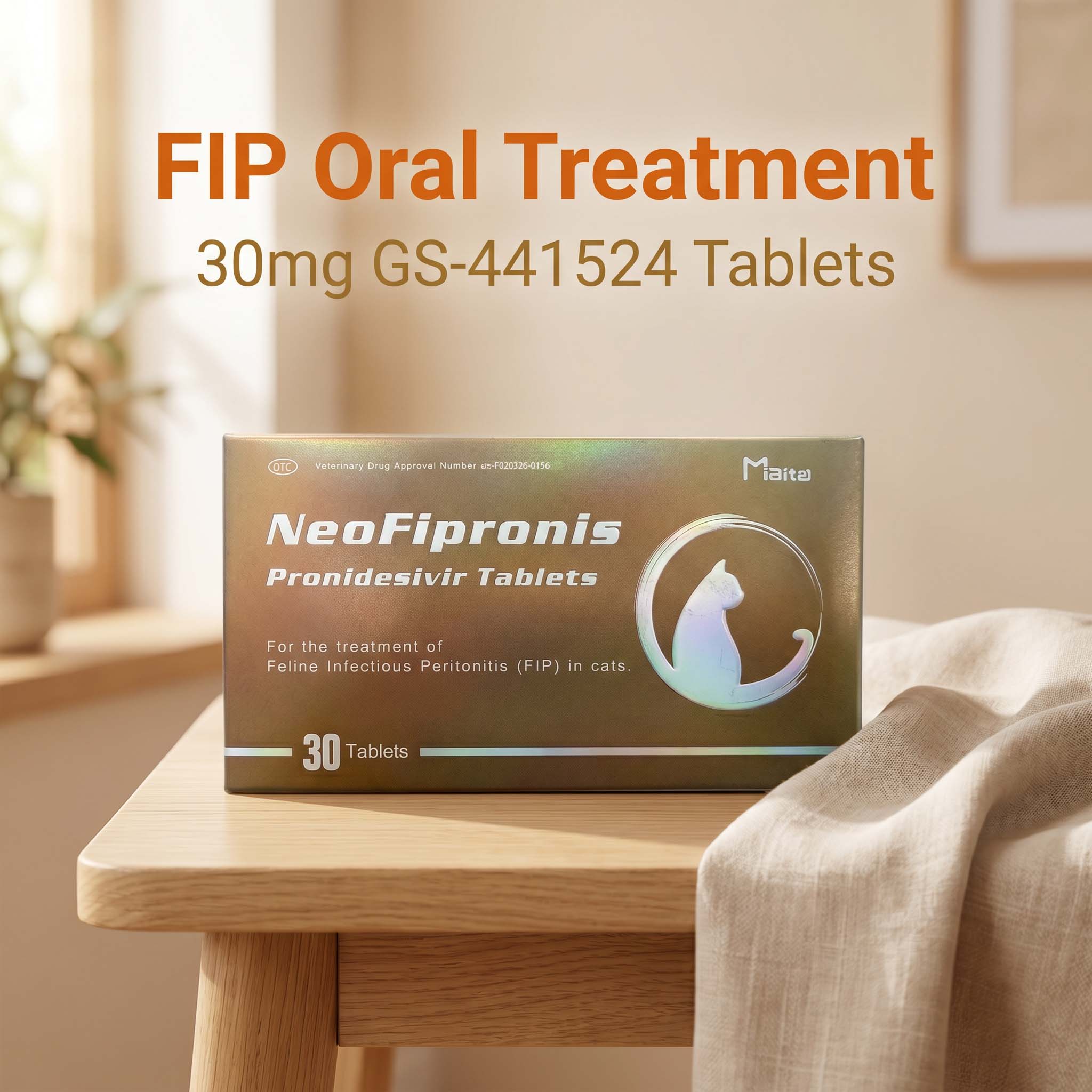
Feline Infectious Peritonitis (FIP) is one of the most serious diseases affecting cats, and pet owners often search for a treatment that can act quickly, safely, and effectively. NeoFipronis (Pronidesivir) is marketed as an oral FIP treatment for cats, with GS-441524 as its active ingredient. For cats showing symptoms such as poor appetite, lethargy, fever, abdominal fluid buildup, pleural effusion, enlarged lymph nodes, inflammatory granulomas, neurological damage, or uveitis, it is presented as a targeted antiviral option designed to support recovery and improve quality of life.
As a GS-441524-based medication, NeoFipronis (Pronidesivir) is positioned as a treatment that works directly against the virus linked to FIP. GS-441524 has been widely studied and used in real-world veterinary practice, where it has shown strong antiviral activity against feline coronavirus mutations associated with FIP. For many cat owners, the main appeal of an oral FIP medicine is convenience. Compared with injectable therapies, an oral formula can be easier to administer, less stressful for the cat, and more practical for long-term treatment at home.
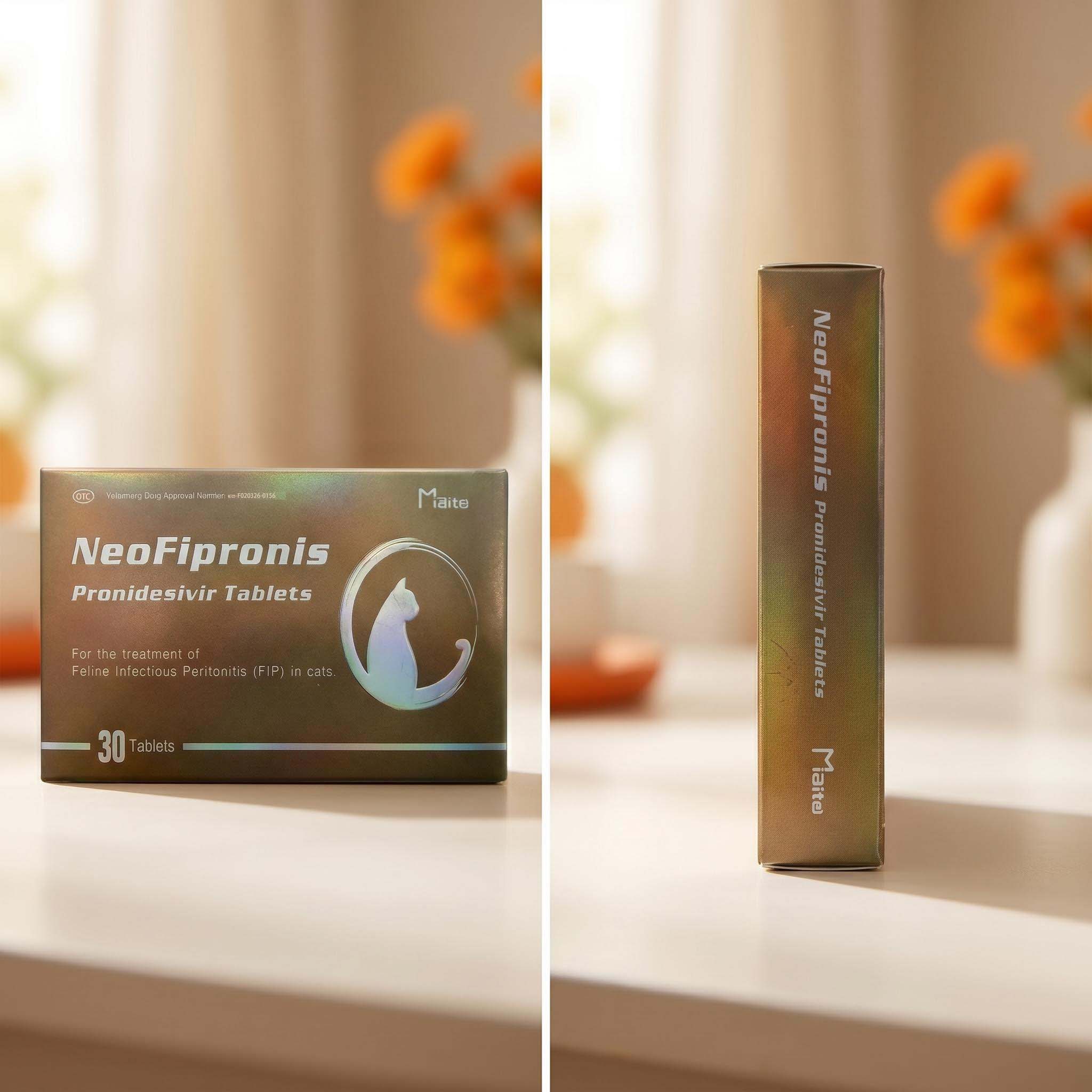
NeoFipronis (Pronidesivir) is described as a fast-absorbing, non-invasive, and well-tolerated oral solution with relatively few side effects. According to the product information, it is the first FIP-specific oral treatment officially registered and launched by the Lao Ministry of Agriculture and Forestry (MAF) in March 2026 with an official drug registration number. This type of official registration is important for buyers who want to look for a product with documented sourcing and quality control. For SEO purposes, cat owners often search for terms such as “best FIP treatment for cats,” “GS-441524 oral tablets,” and “FIP medication for feline infectious peritonitis,” which makes NeoFipronis a relevant keyword target in this niche.
The recommended dosage is based on body weight. The standard guidance is 15 mg per kilogram of body weight daily, which is equivalent to half a tablet in many dosing plans. For neurological FIP or ocular FIP, the dose may be increased to 30 mg/kg under veterinary direction. It is generally taken once daily, ideally on an empty stomach, either one hour before feeding or two hours after a meal. Because FIP treatment requires consistency, the medication should be given continuously for at least 12 weeks without missed doses.
During treatment, cat owners should closely monitor appetite, body temperature, energy level, and overall behavior. Regular blood tests and checks of liver and kidney function are strongly recommended throughout the course of therapy. Even though NeoFipronis (Pronidesivir) is described as an over-the-counter product, veterinary supervision remains the safest choice, especially for kittens, severely ill cats, or cases involving the eyes or nervous system. A veterinarian can help determine whether the cat’s symptoms are truly caused by FIP and whether the dosage should be adjusted.
NeoFipronis (Pronidesivir) is intended for cats only and should never be used in humans. For those seeking to purchase the product, the official NeoFipronis website is the safest place to verify product information and reduce the risk of counterfeit medication. For cat owners searching for an oral GS-441524 treatment for FIP, NeoFipronis is presented as a modern, fast-acting option that combines convenience, antiviral support, and practical home use.