How to Care for a Cat Undergoing FIP Treatment
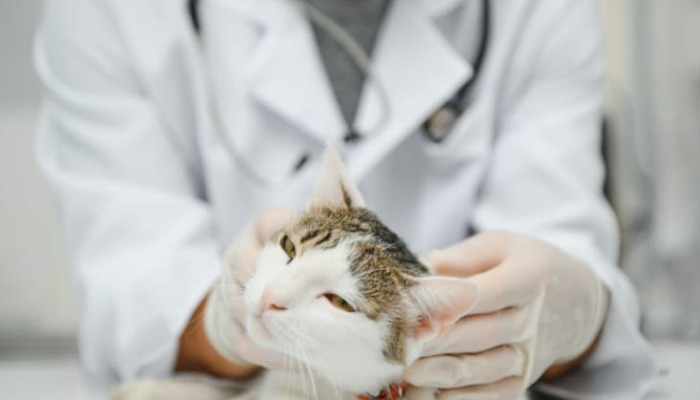
Feline Infectious Peritonitis (FIP) is one of the most challenging diagnoses a cat owner can face. Once considered almost always fatal, recent advances—especially the availability of antivirals like GS-441524—have changed the outlook. While treatment is promising, care for cats undergoing FIP therapy is intensive and multidimensional. Knowing how to best support a cat during this process is crucial for the chances of recovery.
Understanding FIP
FIP occurs when the feline coronavirus (FCoV), initially harmless, mutates and triggers a fatal inflammatory response. Most commonly affecting young cats and pure breeds, FIP manifests as either a "wet" (effusive) or "dry" (non-effusive) form. Clinical signs include fever, weight loss, fluid buildup in the abdomen or chest, jaundice, neurological symptoms, and ocular changes.
Diagnosing FIP often involves blood tests, imaging, and analysis of fluids. Confirmatory diagnosis can be tough, and is sometimes only certain after positive response to antiviral therapy. Regardless, once treatment starts, the cat's environment, daily routine, and emotional well-being become more critical than ever.
Medication Management
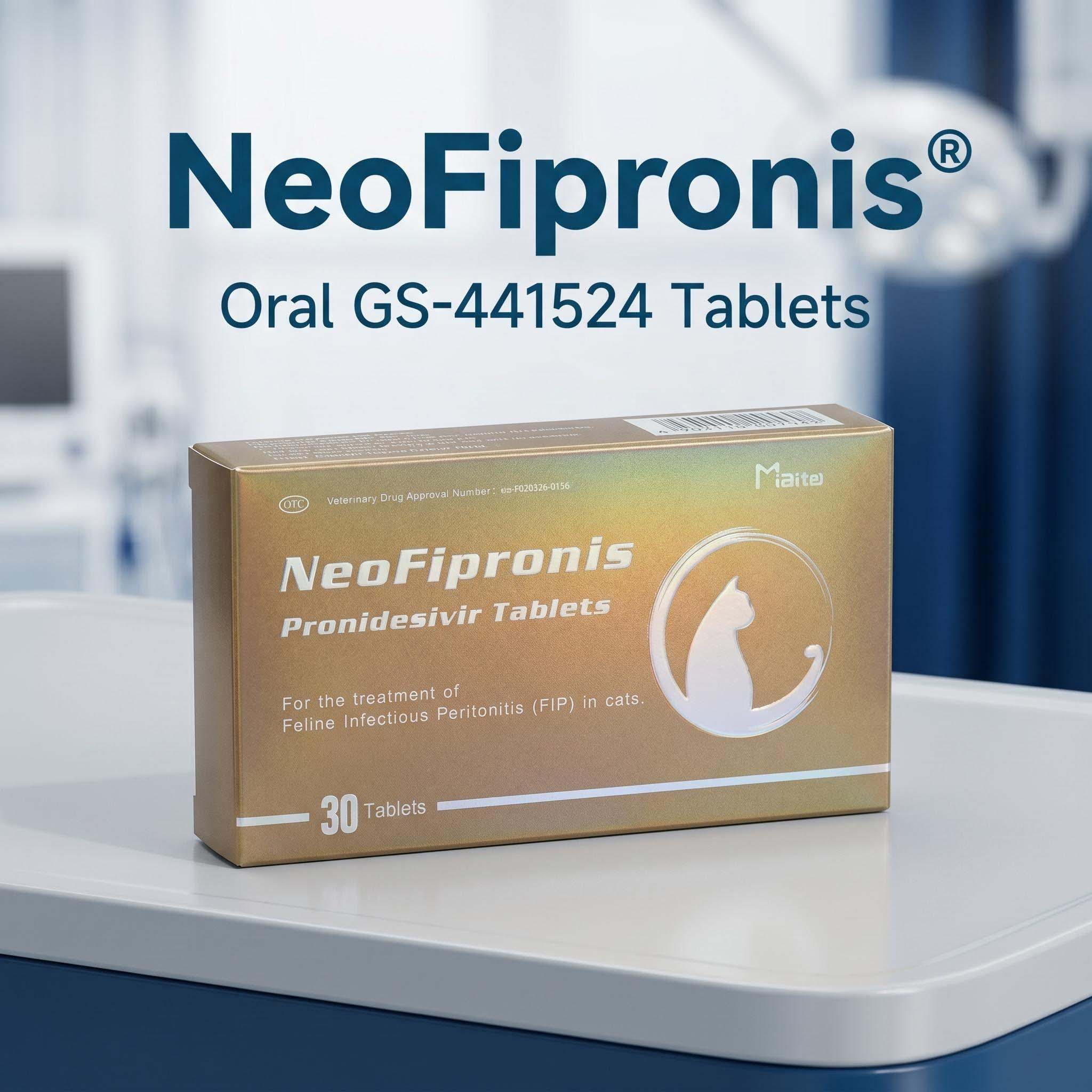
The most common treatment for FIP is the use of GS-441524 or GC376, usually as daily injections for a period of 84 days. Proper drug administration is the foundation of FIP care. Owners should:
Follow veterinary instructions carefully: Schedule injections at the same time each day, keep meticulous records, and never skip a dose.
Monitor the injection site: Swelling, skin ulcers, or pain can occur. Rotating injection locations and gently massaging the area may help.
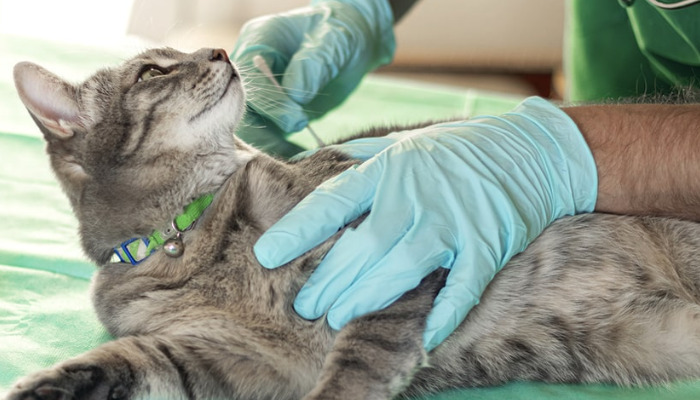
Handle medication safely: Store drugs in cool, dry places, away from direct sunlight. Use gloves as recommended.
Consult with the vet about dosing: As the cat’s weight changes during recovery, doses may need adjustment.
Nutrition and Hydration
Many cats with FIP become inappetent or even anorexic. High-quality nutrition is essential to support immune function and repair tissues. Owners should:
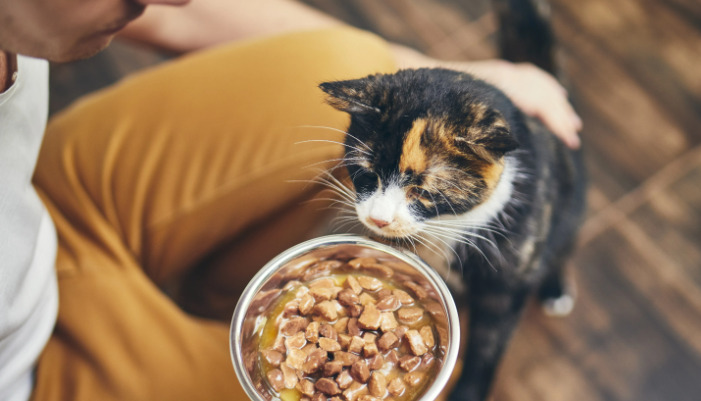
Feed palatable, high-protein diets: Wet food may be preferable for easier eating and additional hydration.
Encourage small, frequent meals: Some cats tolerate smaller amounts better.
Consider appetite stimulants if approved by the vet: Medications like mirtazapine or cyproheptadine may be prescribed.
Monitor hydration: Subcutaneous fluids may be necessary if your cat is dehydrated. Fresh water should always be available.
Environmental Management
A calm, sanitary, and stress-free space can help recovery.
Keep the cat indoors: Prevent exposure to other diseases and minimize stress.
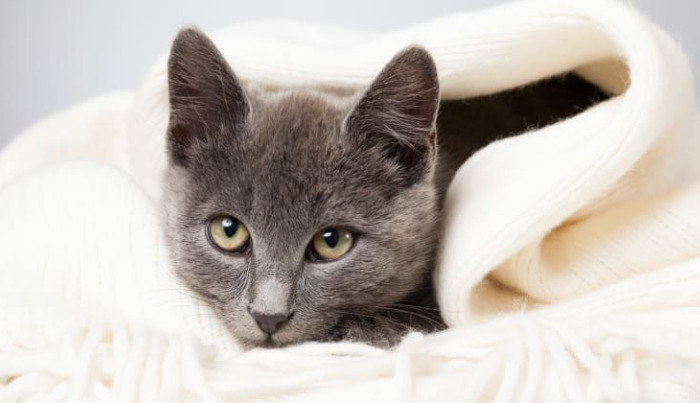
Create quiet resting spots: Soft bedding in warm, peaceful areas helps comfort fragile cats.
Limit contact with other animals: Particularly during the early phase of treatment, isolation can reduce the risk of secondary infections.
Clean food bowls, litter boxes, and bedding daily: Immunocompromised cats are at higher risk of picking up other infections.
Monitoring Progress
Close monitoring is vital. Caregivers must learn to recognize changes and communicate with vets:
Track weight weekly: Weight loss can indicate inadequate nutrition or treatment response.
Record temperature daily: Persistent fever after the initial weeks may suggest treatment failure.
Observe appetite and activity level: Sudden drop can be a warning sign.
Document stool and urine changes: Diarrhea, vomiting, or urination issues need prompt attention.
Take note of neurological signs: Seizures, imbalance, or visual impairment could require additional therapy.
Pain Management and Comfort
Many cats experience pain from FIP or injection side effects. Pain control should be tailored:
Non-steroidal anti-inflammatory drugs (NSAIDs) are typically used sparingly in cats, so discuss alternatives with the vet.
Consider nutritional supplements (like omega-3 fatty acids), which may help with inflammation.
Use soft bedding to reduce pressure points.
Monitor behavior: If your cat vocalizes, hides, or is restless, inform the veterinarian immediately.
Managing Side Effects
Side effects of FIP therapy most often include:
Vomiting and diarrhea: These should be addressed with supportive medications or diet changes.
Injection site reactions: Rotating sites and applying topical ointments (under veterinary supervision) may help.
Lethargy: Ensure comfortable resting places and monitor for signs of worsening.
Emotional Support
Cats are sensitive to their owners' mood and home environment.
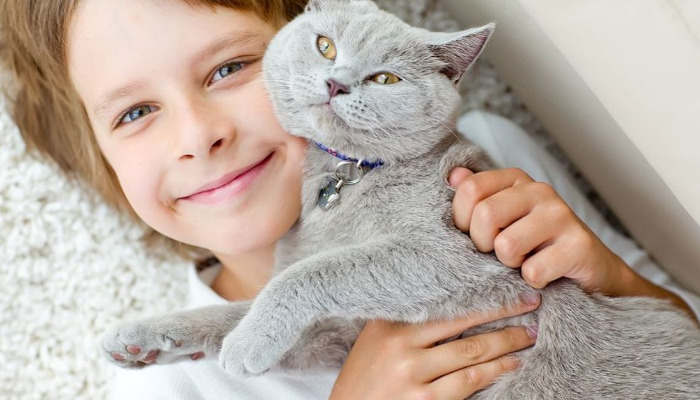
Spend quiet time with your cat: Gentle petting, slow blinking, and speaking softly promote trust and relaxation.
Minimize loud noises and household disruption.
Offer familiar toys and blankets: Comfort objects help reduce anxiety.
Involve all caregivers in the routine: Consistency reassures the cat.
Veterinary Partnership and Follow-up
Successful FIP management is a team effort:
Regular check-ins: Schedule frequent visits as directed to monitor bloodwork and adjust medications.
Report any change promptly: New symptoms, worsening behavior, or poor medication response should be acted on early.
Ask questions: Don’t hesitate to seek clarification about blood results, ongoing therapy, or at-home care.
Post-Treatment Care
After completing therapy, many cats will require ongoing monitoring:
Regular veterinary visits: For at least six months, watch for relapse or late complications.
Preventive care: Maintain a low-stress environment, continue high-quality nutrition, and keep your cat indoors.
Socialization and exercise: Gradually reintroduce play and interaction as the cat regains strength.
Coping as a Caregiver
Caring for a cat with FIP is emotionally and physically demanding.
Seek support: Join online forums or local support groups for emotional guidance and practical tips.
Prioritize self-care: Make sure to get enough sleep, eat properly, and ask family for help when needed.
Educate yourself: Reading recent studies and following veterinary guidance ensures the best chance of success.
Innovations and the Future
Current research is rapidly evolving. The availability of legal GS-441524 in some U.S. states has increased survival rates. Ongoing studies are focused on oral medications, shorter duration therapies, and adjunctive drugs that may further improve outcomes. Engage with veterinary specialists who are up-to-date on emerging protocols and clinical trials if available.
Essential Reminders
Every FIP case is unique. Some cats recover quickly; others struggle and need extensive support. The keys to the best outcome lie in medication compliance, nutritional support, environmental safety, emotional nurturance, and a proactive partnership with your veterinarian.
References
Pedersen, N.C., Kim, Y., Liu, H., Galas, M., and Gunn, M. (2019). "The efficacy of GS-441524 treatment for feline infectious peritonitis." Journal of Feline Medicine and Surgery, 21(4): 271-281.
Addie, D., et al. (2020). "Feline coronavirus and FIP." Veterinary Record, 186(7): 222-228.
Hankenson, F.C., et al. (2021). "Supportive care protocols for cats with FIP." Journal of Cat Care, 12(1): 56-65.
Dempsey, S.M., and Ewing, P.J. (2011). "Feline infectious peritonitis: Guidelines for diagnosis and treatment." The Veterinary Clinics of North America – Small Animal Practice, 41(6): 1137-1154.
Kellner, K., et al. (2024). "GS-441524: Advances in FIP therapy." Feline Health Consortia Review, 18(2): 41-53.
Merck Veterinary Manual. (2023). "Feline Infectious Peritonitis." www.merckvetmanual.com.
UC Davis Veterinary Medicine. (2024). "Feline Infectious Peritonitis Treatment Updates." www.vetmed.ucdavis.edu.
Cornell Feline Health Center. (2024). "FIP: Current Recommendations and Owner Guidance." www.vet.cornell.edu.