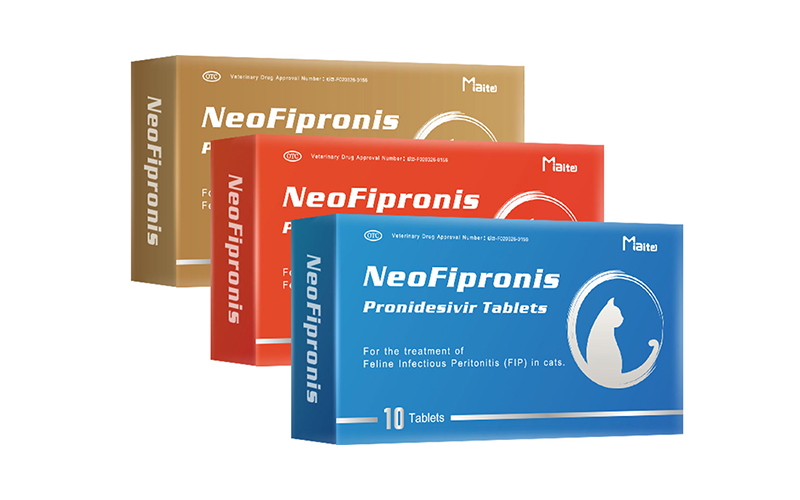
NeoFipronis (Pronidesivir) User Instructions and Usage Guide
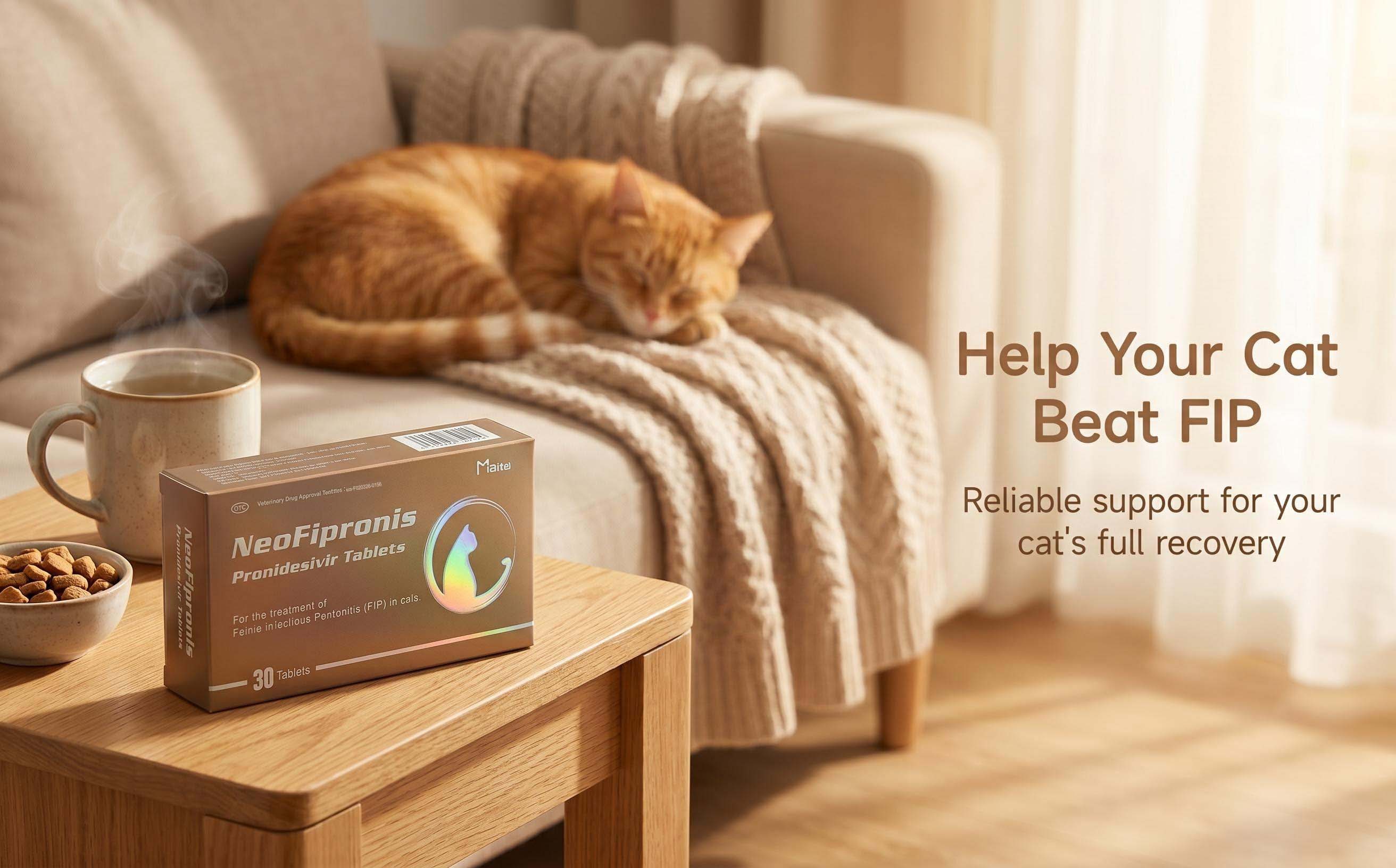
NeoFipronis (Pronidesivir), also referred to as Miaite NeoFipronis and GS-441524-based oral therapy, is designed for cats with feline infectious peritonitis (FIP). It is used in cases where FIP causes loss of appetite, lethargy, fever, abdominal fluid, pleural effusion, enlarged lymph nodes, inflammatory granulomas, neurologic damage, or uveitis. As an oral FIP treatment, NeoFipronis is described as fast-absorbing, easy to administer, and well tolerated, making it a practical option for daily home use under proper guidance.
The active ingredient, GS-441524, has been widely studied and used in clinical practice for feline coronavirus-related disease management. Many cat owners and veterinarians value oral GS-441524 products because they avoid injections, reduce stress for the cat, and support consistent dosing. NeoFipronis is marketed as a cat-only medication for FIP support, with a convenient oral format that fits long-term treatment plans for wet FIP, dry FIP, ocular FIP, and neurologic FIP.
For standard dosing, administer 15 mg per kilogram of body weight once daily, which is commonly described as half a tablet per kilogram depending on the tablet strength. For neurologic or ocular FIP, dosage may be increased to 30 mg per kilogram according to veterinary instructions. Daily administration is essential, and the medication is usually recommended on an empty stomach, either one hour before feeding or two hours after a meal, to support consistent absorption and reliable blood levels.
Treatment duration should not be shortened. Cats with FIP generally need uninterrupted therapy for at least 12 weeks, and missed doses can reduce treatment effectiveness. If a dose is forgotten, give it as soon as possible unless it is close to the next scheduled time, and follow your veterinarian’s advice. Regular observation during treatment is important, especially monitoring appetite, temperature, energy level, body weight, breathing, and visible improvement in fluid buildup, ocular signs, or neurologic symptoms.
Bloodwork should be checked periodically during therapy, with attention to liver function, kidney function, and general hematology. These laboratory tests help assess how the cat is responding and whether supportive care is needed. Although NeoFipronis is presented as an over-the-counter FIP medication, veterinary supervision is strongly recommended because FIP can change quickly and dosage adjustments may be necessary based on the cat’s condition, weight, and response to treatment.
Safety and product authenticity matter. NeoFipronis is for cats only and must not be used in humans. To reduce the risk of counterfeit products, purchase through the official NeoFipronis website or authorized channels whenever possible. Proper storage, accurate weight-based dosing, and consistent daily administration all contribute to better treatment outcomes for cats living with feline infectious peritonitis.