Sources and Transmission Routes of FIP
Introduction
Feline Infectious Peritonitis (FIP) is a fatal disease caused by certain strains of the feline coronavirus (FCoV). Understanding its sources and how it transmits is crucial for developing effective prevention strategies. The disease emerges from a combination of viral presence within feline populations and specific pathways through which the virus may spread among cats.
Primary Sources of FIP Virus
Feline Coronavirus (FCoV) Reservoirs
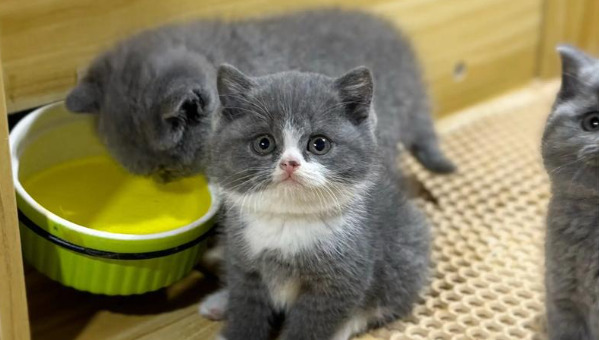
The main source of the FIP-causing virus is naturally occurring feline coronavirus infections within a cat population. FCoV is highly prevalent, especially among cats in multi-cat environments such as shelters, catteries, or breeding facilities. Most cats expose themselves to FCoV early in life, with some developing persistent infections.
Asymptomatic Carriers
Many infected cats remain asymptomatic while harboring the virus. These carriers often shed large quantities of FCoV, acting as primary sources of transmission. Their role in perpetuating the virus within a herd cannot be underestimated, as they serve as silent reservoirs.
Previous Infection and Viral Mutation
While the majority of FCoV-infected cats do not develop FIP, a small proportion of these viruses mutate within the host, transforming into highly pathogenic strains. These mutated viruses are responsible for FIP, but the initial source still traces back to endemic FCoV among the population.
Transmission Routes
Vertical Transmission
Though less common, vertical transmission from mother to kitten can occur. It involves the passage of virus through the birth canal or via colostrum. However, intrauterine transmission remains rare compared to other routes, and its role in FIP development is still under investigation.
Fecal-Oral Route
The predominant mode of FCoV transmission is through ingestion of contaminated feces. Cats shed the virus in their stool, contaminating shared litter boxes, bedding, or environments where feces may linger. This route highlights the importance of hygiene in multi-cat settings to prevent spread.
Salivary and Oral Secretions
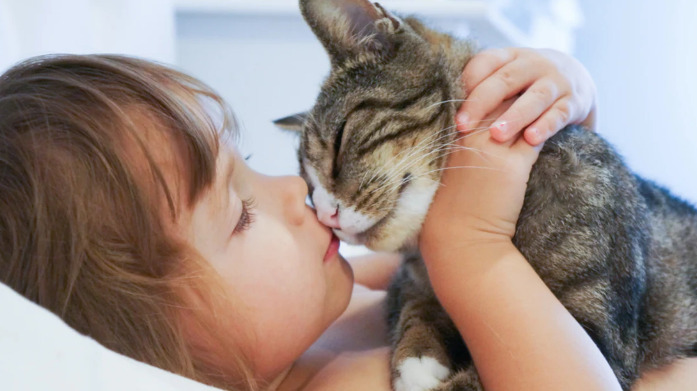
Although less significant than fecal-oral transmission, FCoV can be spread through saliva and nasal secretions. Grooming behaviors or close contact facilitate the exchange of these bodily fluids, contributing to viral dissemination.
Environmental Contamination
The virus is remarkably resilient in the environment, capable of surviving for days to weeks under favorable conditions. Surfaces, cages, or bedding contaminated with feces or saliva may serve as sources for indirect transmission, especially if disinfectants ineffective against the virus are used.
Social Behaviors and Close Contact
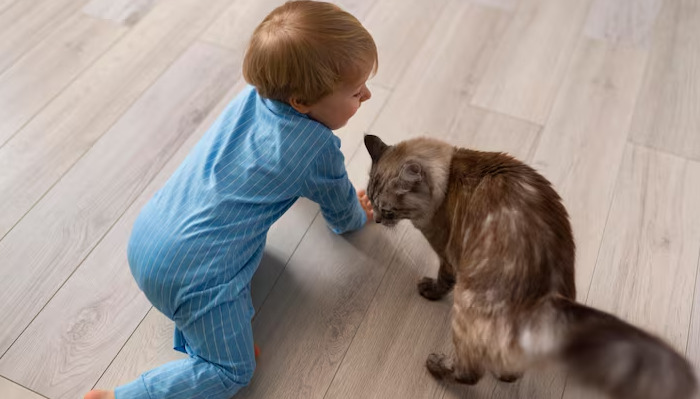
High-density living conditions foster frequent social interactions, including grooming, rubbing, and shared resources. These behaviors significantly increase the risk of FCoV transmission and, subsequently, the potential development of FIP in susceptible individuals.
Factors Influencing Transmission
Population Density and Housing Conditions
Environments with overcrowding or inadequate sanitation facilitate rapid viral spread. Stress associated with such conditions can impair immune response, elevating the risk of mutation and FIP emergence.
Age and Immune Status
Young kittens, especially those below six months, are more susceptible due to immature immune systems. Similarly, immunosuppressed cats or those experiencing stress are at increased risk of infection and disease progression.
Viral Load and Shedding Duration
Cats with high viral loads shed FCoV more intensely, heightening the risk for others. Persistent shedders can maintain a continuous source of infection within a population.
Transmission Prevention Strategies
Hygienic Practices
Regular cleaning and disinfection of litter boxes, bedding, and communal spaces minimize environmental contamination. Using disinfectants effective against coronaviruses is particularly vital.
Reducing Stress and Overcrowding
Providing ample space, enrichment, and stable social groups decreases stress-related immunosuppression and limits transmission potential.
Isolating Known Carriers
Identifying and segregating persistent shedders or infected cats helps reduce viral circulation, especially in multi-cat households or shelters.
Vaccination and Monitoring
Though vaccine efficacy is variable, some measures may reduce viral load and transmission. Routine monitoring for FCoV shedding can inform management decisions.
Limitations and Ongoing Research
Further investigation into the precise environmental stability of FCoV, the role of different transmission pathways, and the factors leading to mutation into FIP-causing strains continues. Novel diagnostic tools aimed at early detection of mutation propensity or viral load may eventually enhance control measures significantly.
The complex interplay of sources and transmission routes underscores the need for comprehensive management strategies. Given that the majority of cats are exposed to FCoV without developing FIP, the key challenge lies in interfering with pathways that facilitate viral mutation and disease progression.