Can Adult Cats Recover From FIP

Can Adult Cats Recover From FIP? Exploring the Prognosis and Advances in Treatment for Feline Infectious Peritonitis
Feline Infectious Peritonitis (FIP) remains one of the most daunting diagnoses in feline medicine, but recent years have shown that adult cats may have more hope than ever before. FIP is an inflammatory disease caused by a mutation of feline coronavirus (FCoV) within the body, triggering complex immune responses. Historically, FIP was equated with a terminal prognosis, with few therapeutic options and dismal survival rates. This article reviews disease mechanisms, clinical manifestations, current treatments, and prospects for the recovery of adult cats, aligning with the latest scientific advances and offering clarity to owners and veterinarians alike.
Understanding FIP: Disease Mechanism and Risk Factors
FIP develops when the benign feline enteric coronavirus mutates inside a cat, allowing the virus to infect monocytes and macrophages. This mutation leads to systemic infection and immune-mediated vasculitis, distinguishing FIP from routine coronavirus infections. Not all cats exposed to FCoV develop FIP—the progression is influenced by genetic susceptibility, environmental stressors, and the strength of the immune system.
Adult cats may be exposed to FCoV throughout their lives, particularly in multi-cat households, shelters, or catteries. Age is a factor: while kittens under two years of age are most susceptible, adult cats can indeed develop FIP, especially if their immune responses are compromised due to concurrent illness, stress, or genetic predisposition.
Clinical Presentation in Adult Cats
FIP is categorized into two primary forms: effusive ("wet") and noneffusive ("dry") FIP. Wet FIP features accumulation of fluid in body cavities such as the abdomen or thorax, resulting in symptoms like a swollen belly, difficulty breathing, and lethargy. Dry FIP is characterized by granulomatous lesions in organs such as the liver, kidneys, or central nervous system, resulting in a diverse array of signs—weight loss, jaundice, neurological deficits, and ocular changes.
Adult cats may exhibit subtle signs, making diagnosis challenging, particularly in the dry form. Persistent fever, poor appetite, and weight loss are common but nonspecific indicators. Diagnosis involves clinical suspicion, supported by laboratory findings such as hyperglobulinemia, lymphopenia, and effusion analysis, but confirmatory testing often includes PCR or immunohistochemistry postmortem.
Historical Prognosis and Shifting Perspectives
For decades, FIP was considered fatal regardless of age. Supportive care, including fluids, anti-inflammatory drugs, and nutritional support, provided temporary comfort but did little to halt disease progression. In adult cats, rapid deterioration was frequently seen once symptoms manifested.
However, a seismic shift in prognosis emerged in the late 2010s with the introduction of antiviral therapies, particularly nucleoside analogs such as GS-441524. Research demonstrated that antiviral agents could inhibit coronavirus replication, leading to marked clinical improvement, even in advanced cases.
Treatment Advances: GS-441524 and Related Therapies
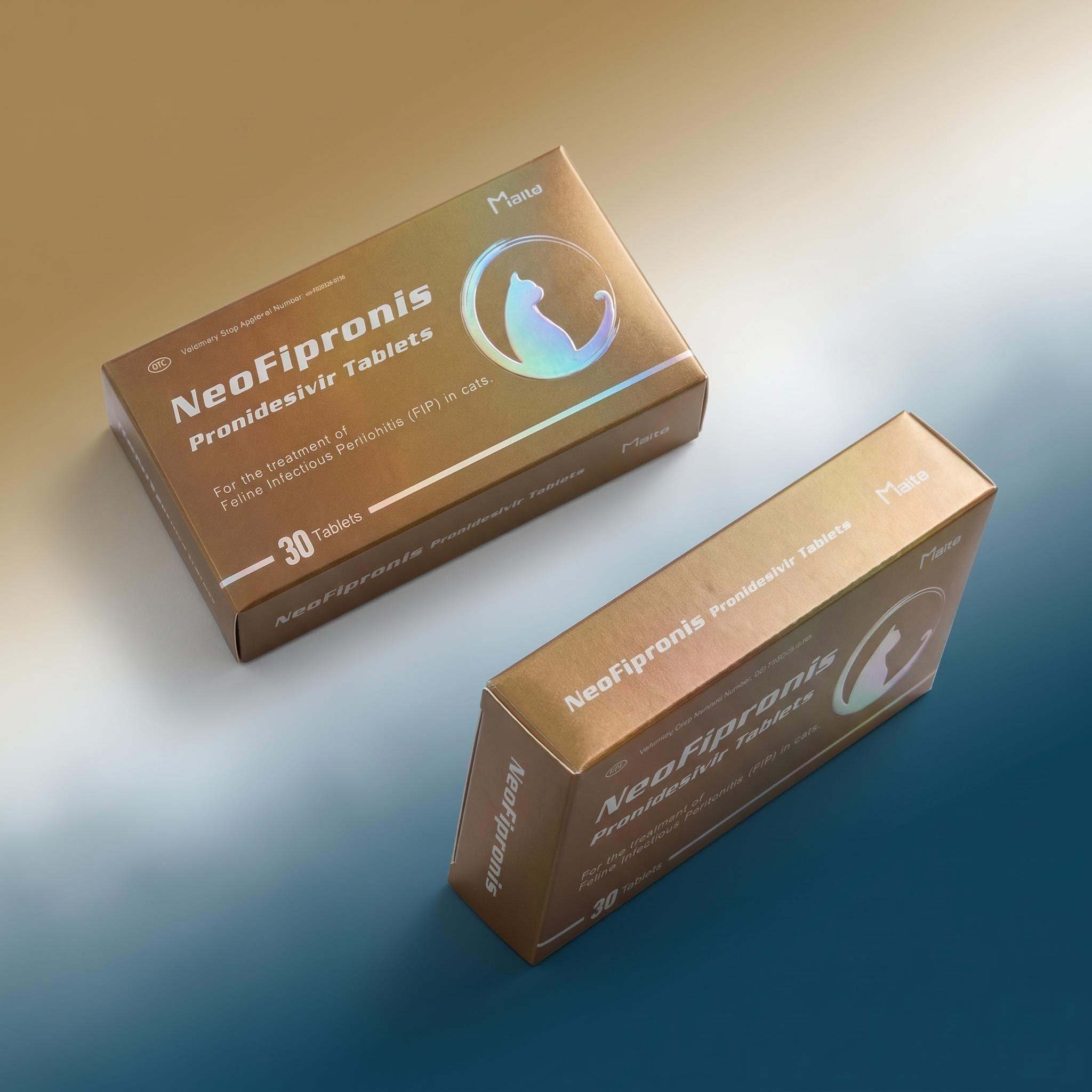
GS-441524 is a nucleoside analog inhibitor that targets viral RNA polymerase, preventing the replication of FIP virus within host cells. Initial clinical trials revealed that both wet and dry forms of FIP, in adult and juvenile cats, responded favorably to the drug, with many cats experiencing complete remission.
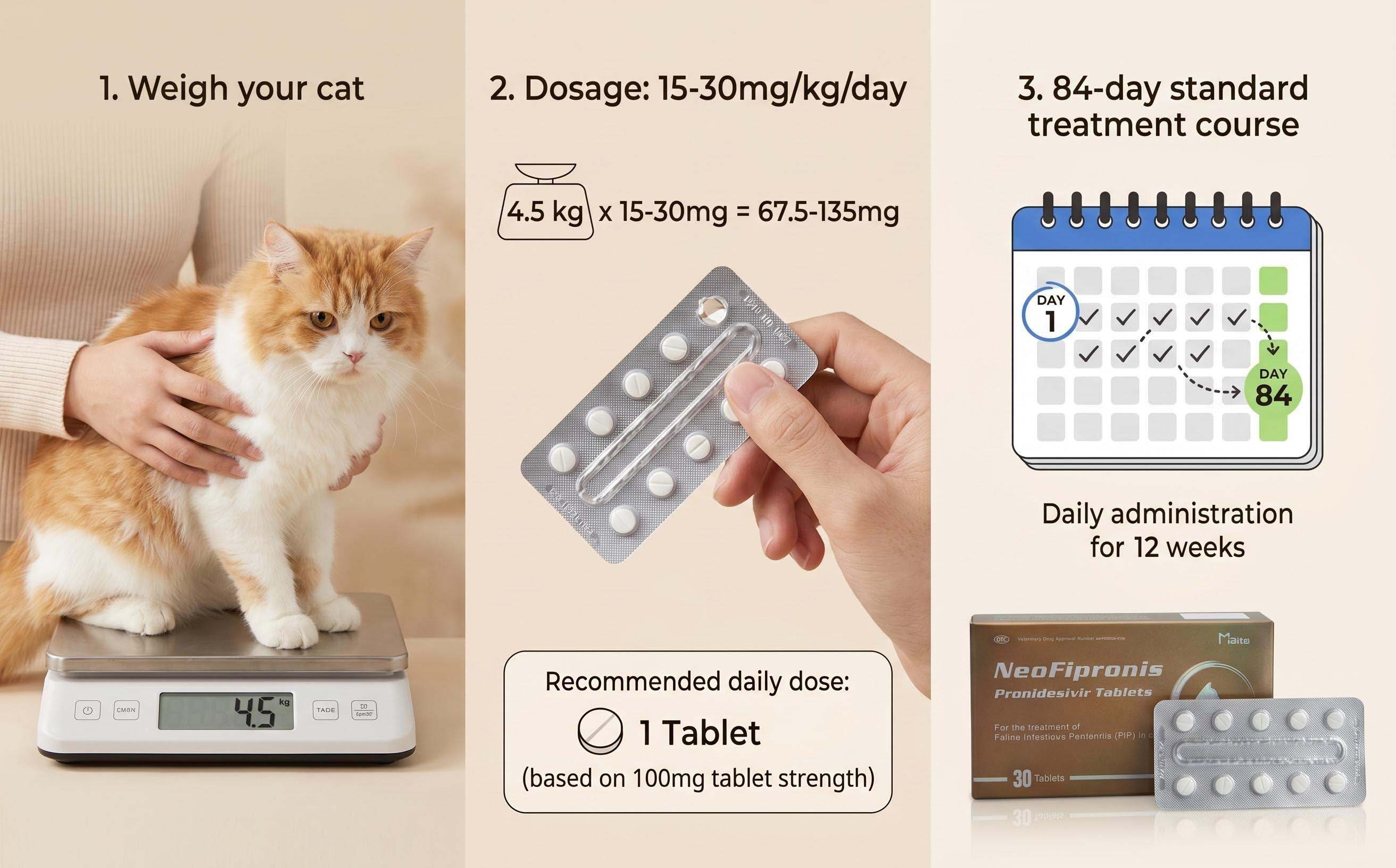
Administration involves a daily injection (or occasionally oral formulations) over a treatment course of 12-16 weeks. Clinical improvement may be noted within days, though long-term recovery depends on early initiation and the extent of organ involvement. Neurological and ocular forms respond more slowly and may require higher doses or extended duration. Additionally, remdesivir (a related compound) and other investigational antivirals have shown promise.
It should be noted, GS-441524 is not currently FDA approved for veterinary use in the United States, but is often sourced via international suppliers, compounding pharmacies, or veterinary clinical trials. Caution and veterinary supervision are paramount, as incorrect dosing or substandard products may lead to treatment failure or adverse effects.
Prognosis in Adult Cats: What Recovery Looks Like
With antiviral therapy, the outlook for adult cats with FIP has improved dramatically. Studies report survival rates exceeding 80%, particularly when treatment is initiated early in disease. Recovery entails normalization of bloodwork, disappearance of effusion or granulomas, and restoration of appetite and activity. Some cats may require secondary courses of treatment if relapse occurs, but many experience lasting remission.
Long-term follow-up studies are limited but suggest that cats who recover from FIP using GS-441524 can resume a normal quality of life. Relapse is most likely within the first few months post-treatment; statistically, most cats who remain symptom-free past this window are considered cured.
Supportive Care: Beyond Antiviral Therapy
While antivirals form the cornerstone of FIP treatment, supportive care is vital for recovery. Adult cats may benefit from appetite stimulants, anti-nausea drugs, pain relief, and fluid therapy. Nutritional supplementation and management of concurrent organ dysfunction are essential.
Additionally, owner commitment and close veterinary partnership are crucial, as home administration of medications and monitoring for side effects can be challenging. Regular blood tests and physical exams help track progress and identify complications early.
Quality of Life Considerations after Recovery
Following recovery, adult cats generally regain full physical health. Most exhibit no long-term consequences, though rare cases report organ impairment if FIP affected the kidneys, liver, or nervous system. Siblings or housemates exposed to the original FCoV infection remain vulnerable, and routine cleaning, minimizing stress, and separating sick cats can help reduce transmission risk.
Vaccination against FCoV remains controversial, with limited efficacy demonstrated. Genetic screening for FIP susceptibility is a research focus but is not yet standard practice. Owners should remain vigilant for early signs of illness and prioritize regular veterinary care.
Emerging Therapies and Future Directions
Research on FIP is ongoing, with new drugs and treatment protocols in development. Monoclonal antibody therapies, immunomodulators, and gene-editing approaches are under investigation. Clinical trials for oral GS-441524 and related drugs may soon offer more accessible and less invasive options.
Veterinary organizations and pharmaceutical companies are collaborating to bring regulatory-approved therapies to market in the United States. The hope is for safe, effective, and affordable FIP treatments to become widely available, so no adult cat suffers needlessly.
Psychological and Financial Impact
FIP imposes not only a physical toll on cats but also a significant emotional and financial burden on owners. Treatment costs for GS-441524 are substantial, often running into thousands of dollars, and the logistics of sourcing medications can be daunting. Support networks, online forums, and FIP advocacy groups offer resources, fundraising, and shared experiences for affected families.
Many owners report profound relief and gratitude following successful treatment, describing restored trust in veterinary medicine and renewed hope for their cats’ futures.
Proactive Prevention and Household Management
For homes with multiple cats, prevention hinges on hygiene, stress reduction, and minimizing overcrowding. Frequent litter box cleaning, routine disinfection, and keeping groups small can lower FCoV transmission. Avoid introducing new cats during active FIP outbreaks, and consult veterinarians about risk management strategies.
Regular veterinary check-ups, bloodwork, and monitoring for fevers or changes in appetite are recommended, particularly for cats with known exposure. Early recognition and intervention remain critical in improving outcomes for adult cats.
The Broader FIP Landscape
The evolution of FIP management in adult cats is both a scientific triumph and an ongoing challenge. From a uniformly fatal outlook to the possibility of cure through antiviral drugs, FIP’s story is one of progress and perseverance. Continued advocacy, research, and responsible pet ownership will shape the future of feline health, ensuring that more adult cats recover and thrive.
References
Pedersen NC. "The History of Feline Infectious Peritonitis." Vet Clin North Am Small Anim Pract. 2012;42(1):1-20.
Pedersen NC et al. "Efficacy and safety of the nucleoside analog GS-441524 for treatment of cats with naturally occurring feline infectious peritonitis." J Feline Med Surg. 2019;21(4):271-281.
Dickinson PJ et al. "Antiviral treatment using GS-441524 in cats with naturally occurring neurological feline infectious peritonitis." J Vet Intern Med. 2020;34(4):1587-1593.
Addie DD et al. "The diagnosis and management of feline infectious peritonitis: a review of recent developments." J Feline Med Surg. 2020;22(5):409-426.
Krentz D et al. "Oral GS-441524 treatment of cats with FIP: a retrospective analysis of 26 cases." J Feline Med Surg. 2021;23(12):1289-1297.
International Society of Feline Medicine. "Feline infectious peritonitis: diagnosis and treatment recommendations." 2022.
USA Food and Drug Administration (FDA). "Detecting and Reporting Animal Drug Safety Issues." FDA.gov.
FIP Warriors. "Treatment Guidance and Support for FIP-Affected Cats." FIPWarriors.com.