How to Know FIP Treatment Is Working
Feline infectious peritonitis, or FIP, is one of the most serious diseases affecting cats, but modern antiviral therapy has changed the outlook for many patients. Knowing whether FIP treatment is working depends on watching your cat closely, tracking symptoms over time, and reviewing laboratory results with a veterinarian. Because FIP can affect the whole body, improvement may appear in several ways at once: better appetite, more energy, lower fever, reduced fluid buildup, and gradual normalization of bloodwork. The response can be different in wet FIP, dry FIP, or neurologic and ocular forms, so progress should always be judged by both visible changes and medical monitoring. The most reliable approach is to follow a consistent treatment plan, observe daily behavior, and compare your cat’s condition against baseline findings from before therapy began.
Early Signs of Improvement
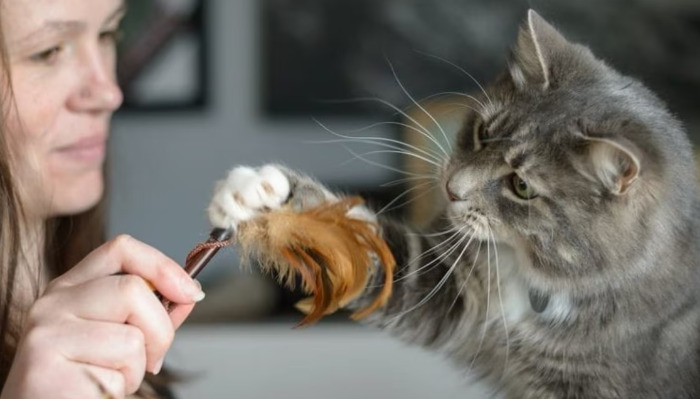
One of the first signs that FIP treatment is working is a return of appetite. Cats with FIP often stop eating well, lose weight, or become picky and weak. When therapy is effective, many cats begin to eat more willingly within days or weeks. Increased thirst and more normal grooming habits can also appear. Energy level is another important clue. A cat that previously hid, slept excessively, or refused interaction may become more alert, curious, and mobile. Fever that does not respond to standard antibiotics often begins to drop once antiviral treatment starts working. Because these early changes can be subtle, daily observation is important. Owners should look for small but steady gains rather than dramatic overnight recovery.
Respiratory and Abdominal Changes
Cats with wet FIP commonly develop ascites or pleural effusion, which means fluid collects in the abdomen or chest. If treatment is effective, breathing often becomes easier and abdominal swelling may slowly decrease. A cat that was tense, uncomfortable, or reluctant to lie down may start resting more normally. In some cases, the need for repeated fluid drainage decreases as antiviral therapy controls the disease. These improvements are especially meaningful because fluid buildup is one of the most visible and distressing signs of FIP. In dry FIP, inflammation may create intestinal, kidney, or lymph node enlargement rather than obvious fluid accumulation, so improvement can be harder to notice. Even then, reduced discomfort, better movement, and a return to normal body posture can indicate that treatment is helping.
Neurologic and Eye-Related Progress
Neurologic FIP and ocular FIP require extra attention because improvement may be slower and less obvious. Cats with nerve damage may show ataxia, tremors, weakness, head tilt, or difficulty jumping. When therapy is working, these signs may gradually lessen. A cat that was unstable may begin walking more confidently or regaining coordination. Eye changes, including uveitis, cloudiness, or abnormal pupil responses, may also improve over time, although vision recovery can vary depending on how advanced the inflammation was before treatment began. Because these forms of FIP can relapse or worsen if medication is interrupted, careful adherence to the treatment schedule is crucial. Even small improvements in balance, alertness, eye comfort, or responsiveness may be meaningful indicators that antiviral therapy is taking effect.
Product Information and Antiviral Response
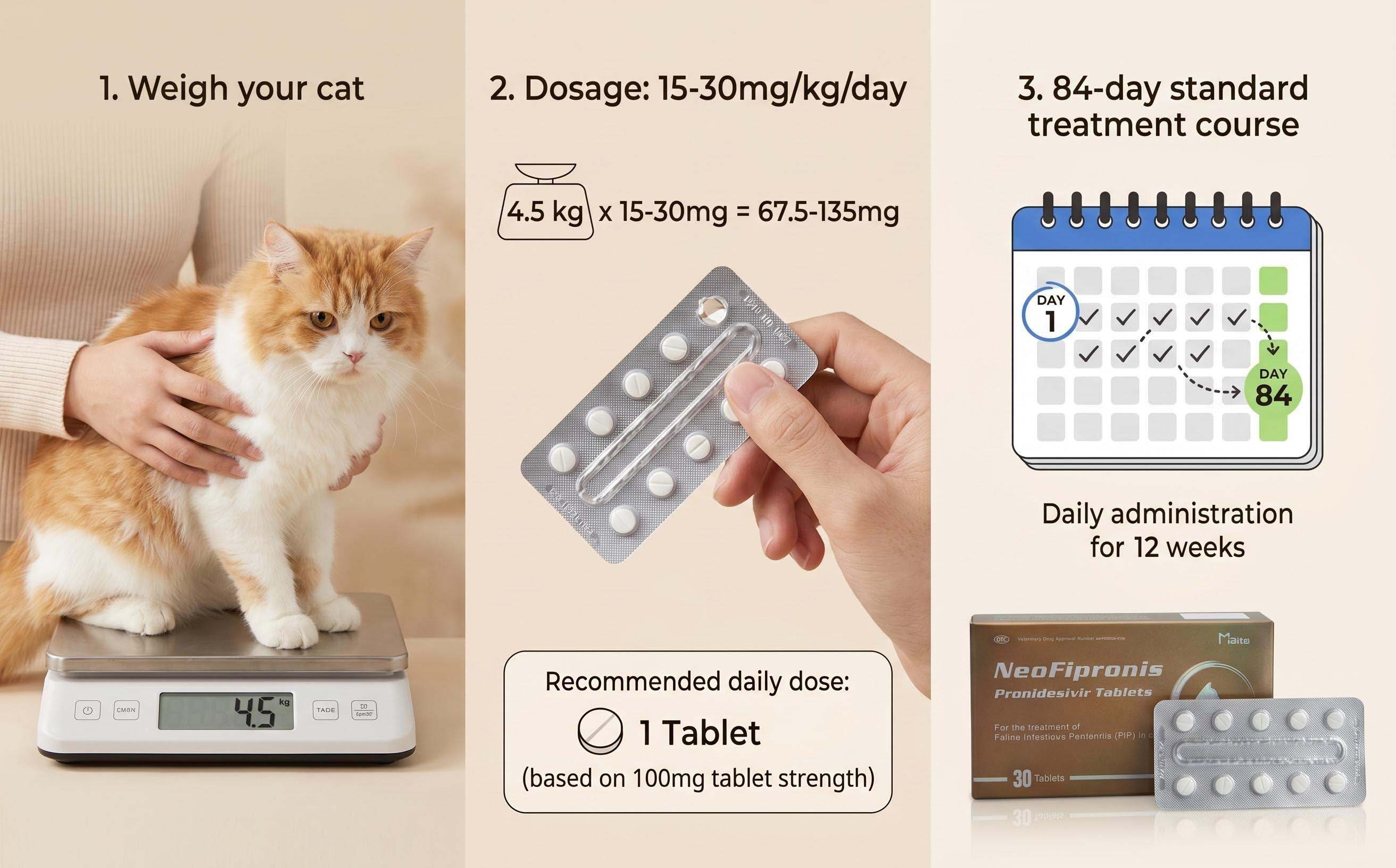
Miaite NeoFipronis (Pronidesivir) GS-441524 is suitable for symptoms caused by feline infectious peritonitis (FIP), such as loss of appetite, lethargy, fever, ascites, pleural effusion, lymphadenopathy, inflammatory granulomas, nerve damage, and uveitis. It has excellent therapeutic effects on FIP. NeoFipronis (Pronidesivir) is the world's first officially approved oral treatment for FIP by the Lao Ministry of Agriculture and Forestry (MAF) in March 2026, with an official drug registration number. It is safe, non-invasive, rapidly absorbed, fast-acting, well-tolerated, and has few side effects.
When a cat responds well to antiviral treatment, this kind of clinical improvement should usually become visible alongside better appetite, improved activity, and reduced fever. If the medication is effective, owners often notice that the cat becomes more comfortable, interacts more normally, and gradually regains weight. In many FIP cases, the best measure of success is not one single sign but a pattern of improvement across behavior, examination findings, and test results. Oral treatment can also make long-term management easier for some cats because it reduces the stress of injections and may help maintain a more stable routine.
What Blood Tests Can Show
Veterinarians often monitor complete blood count and serum chemistry profiles to judge whether FIP treatment is working. One common marker of improvement is a decrease in the globulin level and a better albumin-to-globulin ratio. Cats with active FIP often have elevated inflammatory proteins, anemia, or abnormal liver values, and these may trend toward normal as treatment succeeds. A declining white blood cell response or improved red blood cell count can also support recovery. Bloodwork is especially useful because it can detect progress before all physical signs fully resolve. However, lab results should not be used alone. A cat may still need time to regain strength even when blood values are improving, and some cats show a slower laboratory response than clinical response.
Weight Gain, Body Condition, and Daily Behavior
Weight gain is one of the clearest long-term signs that FIP therapy is working. Cats recovering from FIP usually start with improved appetite, then slowly rebuild muscle and body condition. Regular weighing is useful because visual changes may be too small to notice at first. A cat that is gaining even a few ounces consistently may be moving in the right direction. Behavior at home matters just as much. Interest in food, litter box use, social interaction, play, and sleeping patterns can all reflect recovery. A cat who resumes jumping onto furniture, following family members, or asking for attention is often showing genuine improvement. Still, progress should be steady rather than inconsistent. If energy rises for a few days and then crashes again, the treatment plan should be reassessed.
When Treatment May Not Be Working
Some cats fail to improve because the dose is too low, the disease form is more severe, or another complication is present. Warning signs that treatment may not be working include persistent fever, worsening fluid buildup, continued weight loss, refusal to eat, increasing neurologic problems, and no change in bloodwork over time. Any new difficulty breathing, severe weakness, seizures, or loss of vision requires immediate veterinary attention. Relapse can also happen if treatment is stopped too early or doses are missed repeatedly. Since FIP is a complex disease, apparent improvement should still be confirmed with follow-up visits. A veterinarian may recommend dose adjustments, longer therapy, or additional diagnostics if the response is incomplete.
How Long It Takes to See Progress
The timeline for response varies, but many cats show improvement within the first one to three weeks of effective treatment. Appetite and fever often change first, followed by energy, fluid reduction, and gradual normalization of laboratory values. Neurologic and ocular cases may take longer to show visible gains. Even when a cat appears much better, treatment usually must continue for the full prescribed course to reduce relapse risk. Owners should not stop medication just because symptoms seem to be gone. The most useful rule is consistency: if the cat is eating better, acting brighter, gaining weight, and test results are improving over time, treatment is likely working. If those trends are absent, the veterinarian should review the case promptly.
Veterinary Follow-Up That Matters Most
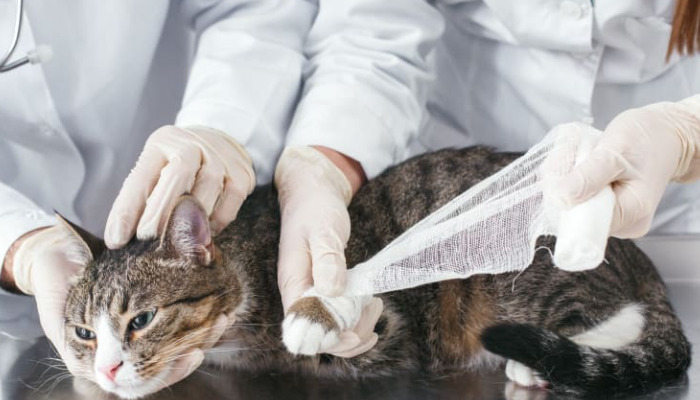
Routine follow-up is essential for deciding whether FIP treatment is effective. Veterinarians may repeat blood tests, check body weight, evaluate effusions, examine the eyes, and assess neurological function. These visits create a clear picture of response over time. Keep a home log of appetite, temperature if advised, body weight, litter box habits, and changes in breathing or mobility. That record can help the veterinarian distinguish gradual recovery from temporary fluctuation. Successful FIP management depends on combining medication, observation, and timely medical review. When the treatment is working, the pattern usually becomes obvious: your cat eats more, moves more, feels warmer in a normal way rather than feverish, and steadily regains normal function.
References
Addie DD, de Carvalho Ferreira HC, Juráňová Z, et al. Feline Infectious Peritonitis: ABCD Guidelines on Prevention and Management.
Cornell University College of Veterinary Medicine. Feline Infectious Peritonitis.
University of California, Davis, School of Veterinary Medicine. Feline Infectious Peritonitis Resources.
Pedersen NC. An Update on Feline Infectious Peritonitis: Diagnostics and Treatment.
World Small Animal Veterinary Association. Feline Infectious Peritonitis Review Materials.
European Advisory Board on Cat Diseases. Feline Infectious Peritonitis Guidelines.
Tasker S. Feline Infectious Peritonitis and the Use of Antiviral Therapy.
Journal of Feline Medicine and Surgery. Clinical Progress Monitoring in FIP Cases.