Is There a Way to Reduce the Risk of FIP in Cats
Feline Infectious Peritonitis (FIP) poses a unique challenge to veterinarians and cat owners due to its complex viral origins, elusive symptoms, and high mortality rates. FIP stems from a mutation of the ubiquitous feline coronavirus (FCoV), a virus found worldwide among domestic cats. While most infected animals only exhibit mild digestive symptoms or remain asymptomatic, a proportion develop a fatal disease: FIP. Given the devastating nature of FIP and the difficulties in treatment and prevention, understanding methods to reduce its risk is essential for cat welfare and public health.
Understanding FIP: Origins and Pathology
FIP results when common feline coronavirus (FCoV) mutates within an individual cat, gaining a unique ability to replicate inside white blood cells. This mutation transforms the previously harmless or only mildly harmful virus into a dangerous pathogen. Cats living in multi-cat environments are especially vulnerable, as higher levels of stress, crowding, and probable repeated FCoV exposures prime the perfect storm for viral mutation. FIP does not transmit directly from cat to cat; rather, the original FCoV is transmissible, and FIP results after unpredictable internal mutation.
Risk Factors for FIP Development
Cat age is a prime risk factor; kittens and younger cats show higher susceptibility since their immune systems are not fully developed. Genetics also play a role; certain breeds and familial lines seem predisposed to disease. Immunosuppression from illnesses (such as FeLV or FIV) or stress from environmental changes can tip the scales toward serious infection. Stressful events, overcrowding, frequent introductions of new cats, poor sanitation, and high-turnover shelters all increase both incidence of FCoV exposure and likelihood of mutation.
Reducing FIP Risk: Best Practices for Cat Owners and Shelters
1. Control Cat Population Density and Group Size
Cat-to-cat transmission of the original coronavirus is most rampant in crowded, multi-cat homes, catteries, or shelters. Keeping groups small, ideally fewer than five per living area, is proven to reduce exposure. Isolating new arrivals, especially kittens, and minimizing intermingling curtail viral spread, and subsequently, the probability of mutation.
2. Rigorous Hygiene and Litter Box Management
Feline coronavirus is shed most often in feces. Daily scooping, weekly thorough cleaning, and use of non-porous litter pans lower the levels of infectious material present. Each group of cats should have more litter boxes than cats, placed in easily accessible, separated locations to prevent "hot spots" of viral transmission.
3. Stress Reduction and Environmental Enrichment
Mental and physical wellbeing strongly correlate with immune resilience. Enrichment activities—such as climbing structures, toys, hiding spots, and regular human interaction—reduce stress hormones. Minimizing abrupt changes in household routine or group structure and providing safe spaces for nervous or recovering cats further reduce vulnerability.
4. Responsible Breeding Practices
Breeding for genetic diversity and rigorous selection against lines known to have FIP history may decrease risk over generations. Additionally, breeders should avoid early weaning, overly large kitten cohorts, and maintain thorough records regarding illness.
5. Quarantine and Testing Protocols
New intakes at shelters and catteries should be quarantined for a minimum of two weeks to monitor for illness. Though current tests only detect presence of FCoV, not the FIP-causing mutation, knowing the general coronavirus status can help with group assignments. Serial fecal PCR testing provides targets for isolation and sanitation efforts.
6. Vaccination: What’s Available and Its Limitations
A vaccine for FIP exists, but its efficacy is controversial at best. The vaccine—administered intranasally—appears to provide little protection, especially if cats have already been exposed to FCoV. It is not commonly recommended in the United States, particularly for cats from high-risk environments. Thus, reliance on vaccination offers limited benefit compared to strict management strategies.
7. Early Detection and Veterinary Partnerships
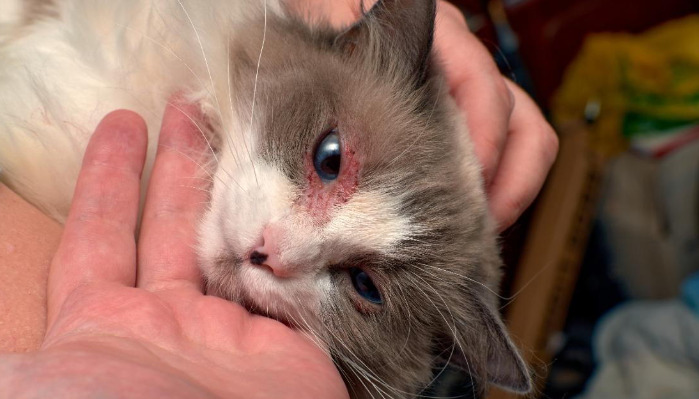
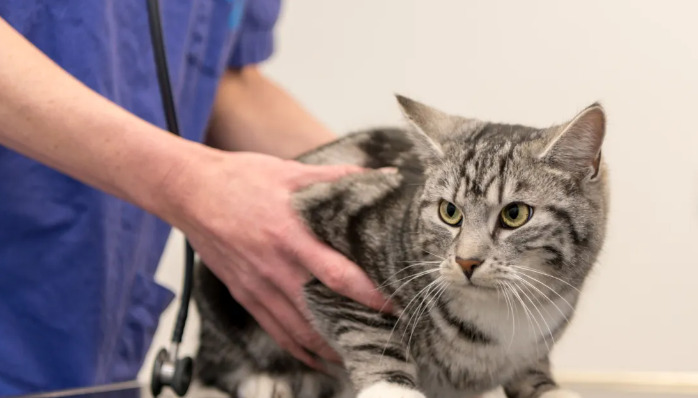
Owners and shelter staff should be trained to recognize clinical signs (persistent fever, weight loss, abdominal swelling, eye changes, or neurological symptoms) and seek prompt veterinary evaluation. Early testing may include bloodwork, ultrasound, or advanced PCR diagnostics. While treatment options are limited, early identification fosters isolation, supportive care, and investigation into experimental treatments.
8. Nutritional Support
A balanced, high-quality diet supports immune health and overall wellbeing. Malnourished or chronically stressed cats are more prone to infections and less likely to clear viruses. Some research suggests supplementation with antioxidants, omega-3 fatty acids, and probiotics could further support resilience, though evidence remains inconclusive.
9. Genetic Advances and Emerging Therapies
Recent scientific breakthroughs have elucidated the virus’s molecular mechanisms, and experimental antivirals (notably GS-441524) show promise in clinical studies. FIP-affected cats treated with these drugs sometimes achieve remission. While drugs remain unapproved and costly, expansion of knowledge may lead to effective prevention or cure in the future. Selective breeding for immune system resilience and studying genetic susceptibility also represent long-term hopes for prevention.
10. Community Outreach and Education
Engaging cat owners, breeders, and shelter managers in ongoing education about FIP is paramount. Veterinary organizations and animal welfare groups can provide regular updates on new discoveries, promote responsible practices, and dispel myths. Accurate public information decreases stigma, encourages timely medical attention, and drives advocacy for research funding.
11. Special Guidelines for Shelters and Foster Networks
Shelters and foster homes pose unique challenges: high turnover, stress, and frequent mixing of cats. Experts recommend strictly enforced quarantine facilities, limited group sizes, and dedicated personnel for different rooms. Feral cats and strays should be housed separately from domestic cats regardless of perceived health to prevent unnecessary viral circulation.
12. Role of Cat Owners in FIP Prevention
Individual owners can play a huge role in risk reduction by maintaining a stable home environment, monitoring health, using optimal nutrition, and minimizing exposure to unfamiliar cats. Adopting from reputable shelters that maintain FCoV-free populations further reduces the chance of bringing the virus into the home.
13. Addressing Myths about FIP Transmission
Confusion often arises regarding how FIP is transmitted. FIP itself does not spread directly from one cat to another; only the original, benign coronavirus does. Thus, a cat diagnosed with FIP does not represent a direct infectious risk to others, though the household almost certainly harbors FCoV. Ongoing education reduces emotional distress and unnecessary isolation.
14. Advances in Diagnostic Methods
Traditional diagnosis of FIP involved exclusion—ruling out other diseases based on clinical symptoms. Today, advanced PCR and immunohistochemistry testing identify the mutated virus with greater accuracy. Earlier and more precise diagnosis enables both research and timely intervention, potentially reducing severity and secondary transmission.
15. Support for Affected Cats and Their Owners
The emotional toll of FIP diagnosis is profound. Support networks—veterinary counselors, online groups, and expert consultations—provide understanding during a difficult time. Sharing information about new treatments, research studies, and palliative care options empowers owners to make informed decisions.
16. International Perspectives: Implementing Risk-Reduction Strategies Globally
Global approaches to FIP prevention vary. European catteries tend to maintain smaller groups and more rigorous testing than some American facilities. Countries with lower stray populations or stronger animal welfare legislation may have reduced FCoV incidence. Sharing international best practices strengthens FIP prevention everywhere.
17. The Future of FIP Prevention
Research continues into improved vaccines, antiviral drugs, and genetic resistance. Increased funding for feline virology and collaborative global studies will be crucial for breakthroughs. Cat enthusiasts can contribute by participating in surveys, reporting disease occurrence, and supporting research organizations.
References
1. Pedersen NC. "Review of feline infectious peritonitis virus infection: 1963-2008." Journal of Feline Medicine and Surgery, 2009; 11(4):225-258.
2. Addie, D.D., et al. "Feline coronavirus and feline infectious peritonitis." Veterinary Clinics of North America: Small Animal Practice, 2008; 38(4): 775-786.
3. Kipar, A. et al. "FIP: Pathogenesis and prevention." Veterinary Pathology, 2010; 47(2): 789-805.
4. Chang, H.W., et al. "Emergence and evolution of FIPV: Molecular insights and preventive strategies." PLoS Pathogens, 2012; 8(12): e1003201.
5. American Association of Feline Practitioners (AAFP), "Feline Infectious Peritonitis Guidelines."
6. Hartmann, K. "Feline infectious peritonitis: an update on epidemiology, pathogenesis, diagnosis, and treatment." Veterinary Journal, 2005; 169(2): 107-120.
7. Feline Health Center, Cornell University. "Feline Infectious Peritonitis (FIP)."
8. Dr. Susan Little, "FIP in cats: Causes and management." Winn Feline Foundation, 2021.
9. Felten, S., et al. "Advances in diagnosis and treatment of FIP." Journal of Feline Medicine and Surgery, 2022; 24(7): 694-708.
10. Riva, K. et al. “Practical steps to minimizing FIP risk in multi-cat households.” Cat Fancy Magazine, 2023.