NeoFipronis (GS-441524) Safety Profile and Potential Side Effects
Feline Infectious Peritonitis (FIP) remains one of the most challenging viral diseases affecting cats worldwide. Caused by a mutant form of the feline coronavirus, FIP leads to severe symptoms such as inappetence, lethargy, fever, abdominal and chest effusions, lymphadenopathy, granulomatous inflammation, neurological damage, and uveitis. Traditional treatment options have been limited, but recent breakthroughs with antiviral therapies like NeoFipronis (Pronidesivir) have revolutionized FIP management.
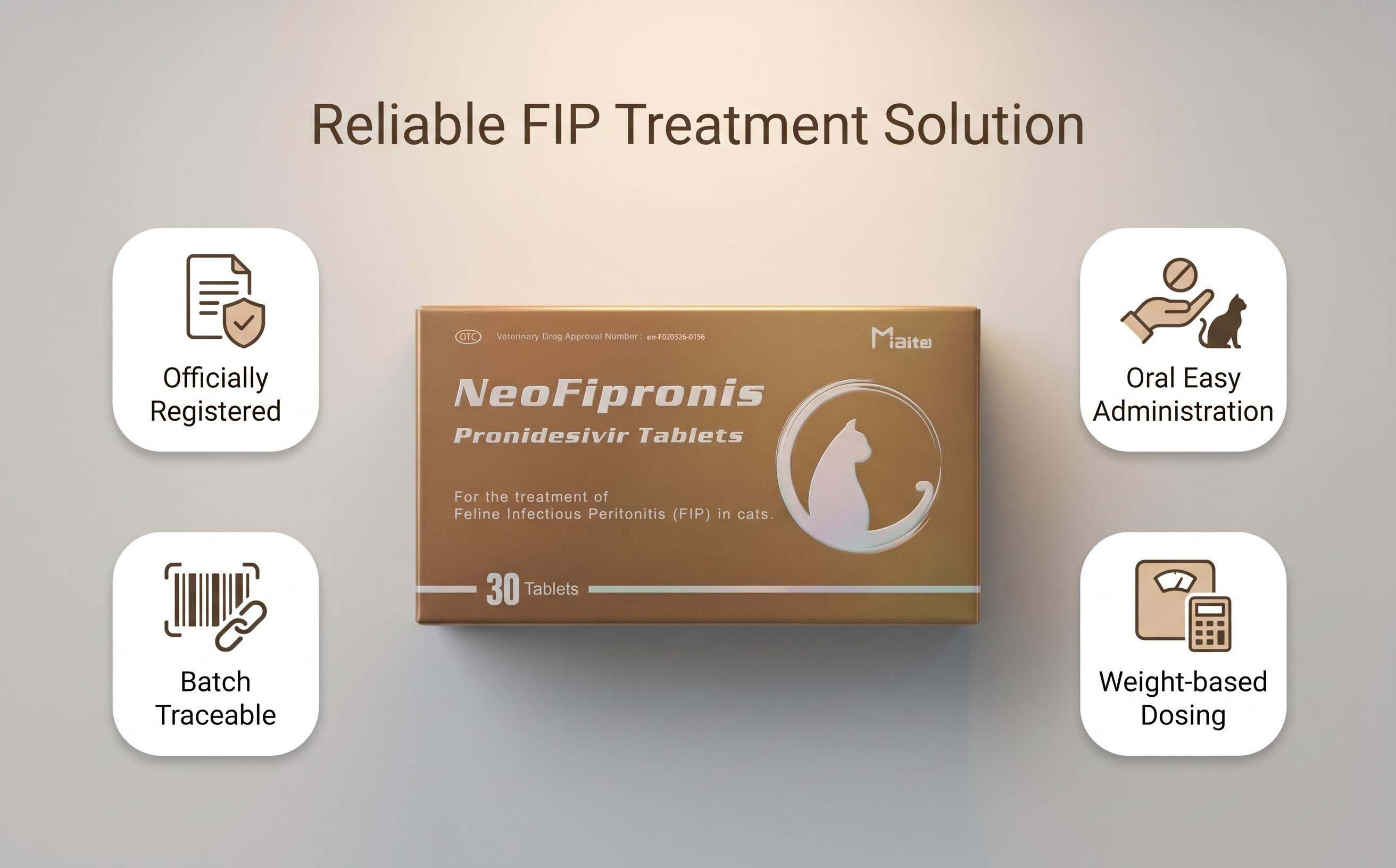
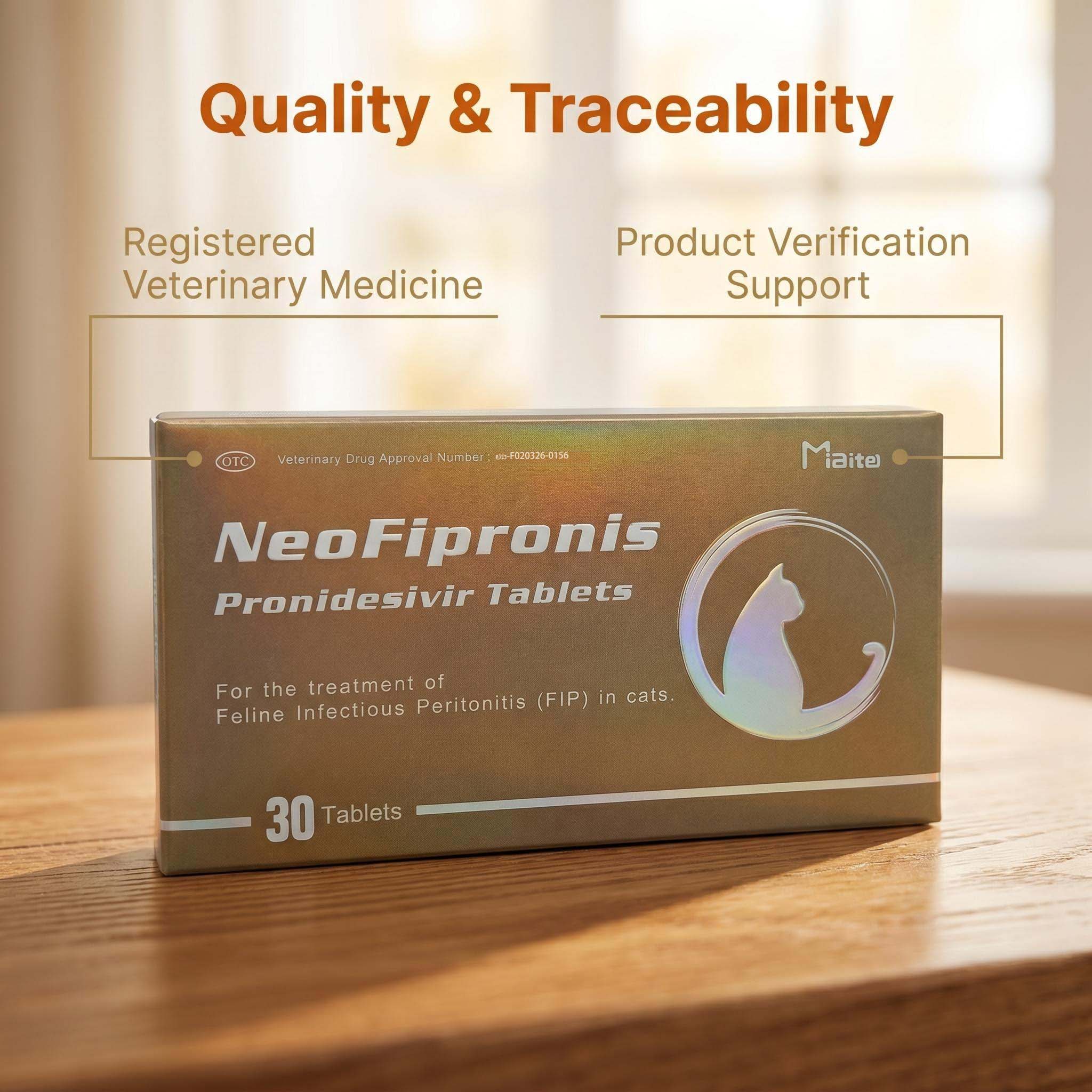
NeoFipronis, containing the active compound GS-441524, is the first orally administered antiviral approved specifically for FIP treatment. In March 2026, the Lao Ministry of Agriculture and Forestry (MAF) officially authorized NeoFipronis for veterinary use, granting it a formal registration number. This approval marks a milestone in feline medicine, as the drug is recognized as a safe, non-invasive, and effective therapy for FIP. Its rapid absorption, quick onset of action, and good tolerability make it a preferred choice among veterinarians and pet owners.
The safety profile of NeoFipronis is well-established through extensive research and clinical trials. The drug has demonstrated minimal adverse effects when used according to recommended protocols. The active ingredient GS-441524 effectively inhibits viral replication, leading to the resolution of clinical symptoms. The safety of NeoFipronis is enhanced by its targeted antiviral mechanism, which reduces collateral tissue damage and lowers the risk of systemic toxicity.
Potential side effects are generally mild and infrequent but warrant attention. Some cats may experience temporary gastrointestinal upset, such as vomiting or diarrhea, especially during the initial treatment phases. Rarely, slight elevations in liver enzymes or mild changes in blood counts may occur, emphasizing the importance of regular monitoring during therapy. Neurological or ocular side effects are uncommon but can arise in cases of neurological-type FIP; increasing dosage should only be under veterinary supervision.
Use guidelines recommend administering NeoFipronis based on the cat's weight—15 mg/kg once daily, typically before meals (either one hour before or two hours after feeding). For neurological or ocular forms of FIP, the dosage may increase to 30 mg/kg, strictly under veterinary guidance. Treatment duration should continue for no less than 12 weeks, with adherence to the prescribed regimen to prevent relapse or resistance. Consistent medication intake, without omissions, is crucial for optimal outcomes.
During therapy, pet owners should observe for changes in appetite, activity level, and body temperature. Regular blood tests to monitor liver and kidney functions are advised to ensure the safety of long-term use. Despite being available over the counter in some regions, NeoFipronis is recommended to be used under veterinary supervision to maximize efficacy and minimize risks.
NeoFipronis is intended solely for feline use; human consumption is strictly prohibited. To ensure genuine quality and safety, buyers should purchase NeoFipronis from authorized official websites or licensed veterinary providers. Proper storage and handling are essential to maintain drug potency.
In summary, NeoFipronis (Pronidesivir) exhibits a highly favorable safety profile and minimal side effects when used correctly in treating FIP. Its innovative antiviral action, combined with proven safety and tolerability, positions it as a breakthrough therapy in feline infectious disease management. Veterinary oversight remains essential to tailor treatment plans, optimize outcomes, and ensure the well-being of affected cats.