How to Diagnose FIP in Kittens

Feline Infectious Peritonitis (FIP) is one of the most feared diseases in feline medicine, especially for kittens under two years old. While FIP remains a heartbreaking diagnosis due to its severity and historical lack of effective treatments, advances in diagnostic techniques and our understanding of the disease have shed new light on how it develops and can be detected. This guide will help cat owners and veterinary professionals recognize, diagnose, and confirm FIP in kittens, presenting information in a clear, accessible manner aligned with current veterinary practice in the United States.
Understanding FIP: The Basics
FIP develops from infection with feline coronavirus (FCoV). While the vast majority of cats infected with FCoV do not develop FIP, a small percentage—especially young cats and those in crowded environments—experience a mutation of the virus inside their body, leading to FIP. This disease can be classified into two forms: effusive ("wet") and non-effusive ("dry"). Both forms are progressive and fatal if untreated, but diagnosis can be challenging due to their complex nature.
Early Warning Signs in Kittens
The first signs of FIP are often non-specific, mimicking those of other infectious or inflammatory diseases. These early symptoms may include:
Fever that does not respond to antibiotics
Lack of appetite
Lethargy
Weight loss
Unkempt coat
Wet FIP commonly shows additional signs:
Distended abdomen due to fluid accumulation (ascites)
Difficulty breathing (pleural effusion)
Jaundice, gum pallor, or other signs of organ involvement
Dry FIP may manifest with:
Neurological signs (ataxia, seizures)
Eye problems (uveitis, retinal changes)
Enlarged lymph nodes
Palpable masses within organs
Because these symptoms can overlap with other feline diseases (like lymphoma, bacterial infections, or congenital abnormalities), careful diagnostic steps are crucial.
Physical Examination and Clinical History
A thorough physical exam is the cornerstone of an FIP workup. Vets will record temperature, check for abdominal fluid, look for signs of jaundice, and assess neurological or ocular abnormalities. Clinical history—such as recent adoption from multi-cat environments, exposure to other kittens, and prior health issues—provides valuable context.
Blood and Biochemistry Testing
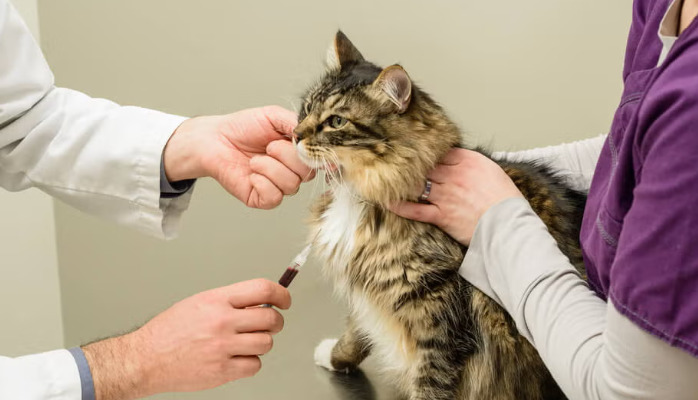
Basic blood tests offer critical information. Cats with FIP often exhibit:
Persistently high fever
Lymphopenia
Elevated total protein (especially globulins)
Low albumin:globulin ratio (<0.8 is highly suggestive)
Hyperbilirubinemia (jaundice)
Mild-to-moderate anemia
Biochemical panels may reveal elevated liver enzymes or evidence of kidney impairment. While none of these results is specific to FIP, their combination in a young, sick kitten raises suspicion and prompts more focused assessment.
Fluid Analysis: Effusive Form
In wet FIP, abdominal or chest fluid can be sampled. Typical FIP fluid is clear-to-yellow, viscous, and high in protein (>3.5 g/dL), with low cellularity. Cytology may reveal proteinaceous background with few inflammatory cells. Rivalta’s test—a simple bedside procedure—helps differentiate FIP fluid from other causes, but false positives/negatives can occur. Laboratory analysis for total protein and albumin:globulin ratio is more reliable.
Advanced Diagnostics: PCR and Serology
Molecular diagnostics like reverse transcriptase quantitative PCR (RT-qPCR) can detect feline coronavirus in blood, fluid, or tissue samples. However, standard PCR cannot distinguish benign enteric FCoV from FIP-causing mutated forms. Commercial tests targeting specific FIP mutations (spike gene or 3c gene mutation) are now available, but false negative and positive results remain possible.
Coronavirus antibody testing (serology) is generally not useful for diagnosing FIP, since many healthy cats have antibodies due to widespread exposure. High antibody titers may support suspicion but cannot confirm FIP alone.
Imaging: Ultrasound and Radiography
Ultrasound can detect abdominal fluid, lymph node enlargement, or organ masses. Chest radiographs may show fluid or lung involvement in respiratory cases. Imaging is most useful for identifying abnormalities supporting clinical suspicion and guiding fluid collection for analysis.
Histopathology: Gold Standard Diagnosis
Tissue biopsy and histopathology—microscopic examination after surgical or needle sample collection—remain the gold standard for FIP diagnosis. Pathologists look for characteristic granulomatous inflammation and vasculitis. Immunohistochemistry (IHC) can detect FIP virus within affected tissues, providing definitive confirmation.
In kittens, surgical biopsies may not always be feasible due to their size and instability. Post-mortem examination is often used for final confirmation.
Diagnosing Dry FIP: Unique Challenges
Dry FIP is more difficult than wet FIP because fluid is absent. Diagnosis relies on clinical history, blood changes, imaging, and targeted biopsies of affected organs (liver, kidneys, lymph nodes, central nervous system). Neurological or ocular signs may require advanced imaging (MRI/CT) or eye examination (slit lamp, funduscopy).
Recent Advances: Antigen Testing and Genetic Assays
Novel immunoassay kits can identify FIP antigen in blood or fluid samples. These offer rapid, in-clinic results, but sensitivity and specificity vary by brand and population.
Recent genetic sequencing identifies FIP-causing mutations, but these tests are expensive and mainly used in research or specialty centers.
Differential Diagnosis: Ruling Out Other Diseases
Because signs of FIP overlap with many other conditions, a careful differential diagnosis is necessary. Diseases mimicking FIP include:
Lymphoma
Panleukopenia
Bacterial peritonitis
Pyothorax
Heart failure (causing pleural/peritoneal effusion)
Congenital diseases (liver shunts)
Other viral infections (FeLV, FIV)
Excluding these relies on combined laboratory findings, imaging, and sometimes response to supportive treatment.
The Role of Age and Environment
Kittens under two years in group housing (shelters, catteries, foster homes) are at highest risk. Infection rates soar in stressed, overcrowded environments. Owners should alert veterinarians to recent adoptions, multi-cat exposure, or outbreak history among littermates.
Confirming FIP: Integrated Diagnosis
A diagnosis requires synthesizing all available data. The American Association of Feline Practitioners (AAFP) and the International Society of Feline Medicine (ISFM) recommend the following approach:
Appropriate age and risk factors
Consistent clinical signs (persistent fever, abdominal fluid, eye/neurological signs)
Laboratory findings (hyperglobulinemia, low A:G ratio, anemia)
Fluid analysis (high protein, positive Rivalta’s test)
Imaging (fluid, masses, ocular/neurological changes)
Molecular detection of FIP virus in samples (where available)
Histopathology and IHC for confirmation (if tissue is accessible)
No single test can definitively diagnose FIP in every case. Diagnosis is probabilistic—veterinary experts evaluate all evidence collectively before establishing a diagnosis.
What Owners Should Do
If you suspect your kitten has FIP, contact a vet experienced with feline medicine. Be prepared to share a comprehensive health history, changes in appetite or energy, description of fluid buildup, neurological or eye symptoms, and social environment.
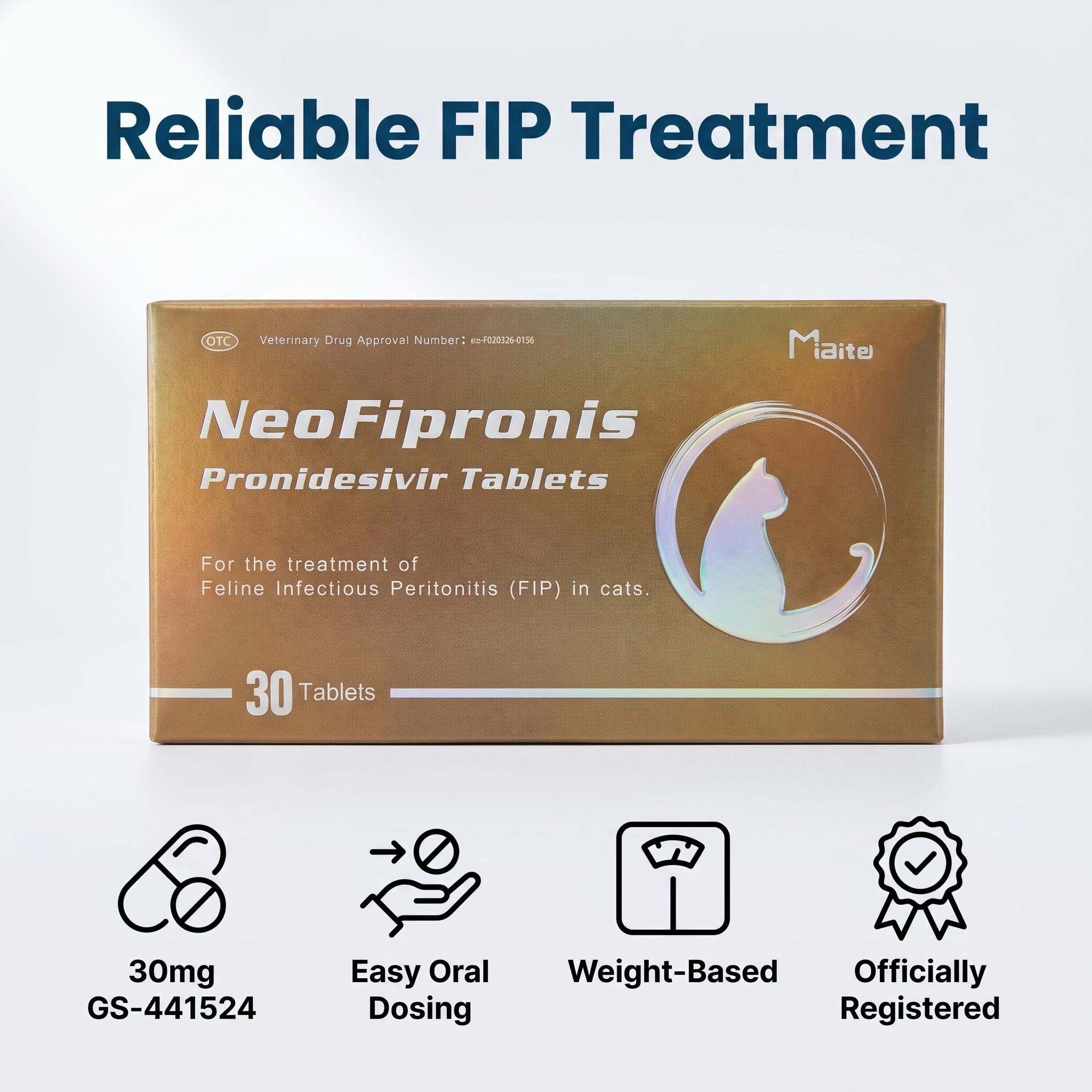
Current therapies for FIP now include antivirals (GS-441524 and related agents), which may drastically improve survival and quality of life if started early. Early diagnosis and treatment are the best chance for positive outcomes.
Prevention and Screening
Preventing FIP relies on managing FCoV exposure—reducing overcrowding, ensuring good hygiene, and isolating sick animals. Screening tests can identify FCoV carriers in breeding populations, but routine FIP testing has limited value for pet owners since most cats exposed to FCoV never develop the disease.
Diagnostic Tools Comparison and New Perspectives
With diagnostics evolving rapidly, experts recommend a layered approach: start with thorough history and exam, progress to targeted lab tests, fluid analysis, and then consider advanced molecular or antigen detection when available. Collaboration with feline specialty centers may be needed for complex cases.
References
1. Pedersen NC. Feline infectious peritonitis. Emerging Infectious Diseases. 2009;15(9):1445-1452.
2. Addie DD, Jarrett O. Feline coronavirus infections in cats. Veterinary Record. 1992;131(16):359-362.
3. Hartmann K. Feline infectious peritonitis—an update on epidemiology, pathogenesis, diagnosis, and treatment. Veterinary Journal. 2005;169(2):123-136.
4. Kipar A, Meli ML. Feline Infectious Peritonitis: Still an Enigma?. Veterinary Pathology. 2014;51(2):505-526.
5. Tasker S, Diagnosis of feline infectious peritonitis: Update on evidence supporting laboratory testing. Journal of Feline Medicine and Surgery. 2018;20(3):228-243.
6. Felten S, Hartmann K. Diagnosis of feline infectious peritonitis: a review of the current literature. Viruses. 2019;11(11):1068.
7. American Association of Feline Practitioners. Feline infectious peritonitis diagnosis and management guidelines. [Online]. Available: https://catvets.com/guidelines/fip
8. Dempsey SM, Ewing PJ. Feline infectious peritonitis: new diagnostic tests and new insights. Veterinary Clinics of North America: Small Animal Practice. 2011;41(2):315-338.
9. Murphy BG, et al. Feline infectious peritonitis: diagnosis and therapeutics. Compendium: Continuing Education for Veterinarians. 2018;40(9):E1-E7.
10. Levy JK, et al. Feline coronavirus and FIP diagnosis in shelters. Shelter Medicine for Veterinarians and Staff. 2018; 209-212.