Poor Appetite During FIP Treatment — Is It Normal
Feline Infectious Peritonitis (FIP) is a challenging and often heartbreaking disease that affects many cats worldwide. It’s caused by a mutated form of the feline coronavirus (FCoV) and can lead to severe health issues, including systemic inflammation and fluid accumulation in body cavities. While new treatments and supportive care have improved outcomes, managing a cat with FIP remains complex. One common concern among pet owners is the decrease in appetite during treatment. Understanding whether this is normal and how to address it is crucial for ensuring the best possible care.
Understanding FIP and Its Impact on Appetite
FIP manifests primarily in two forms: effusive (wet) and non-effusive (dry). Both forms trigger significant systemic illness, often accompanied by fever, lethargy, weight loss, and decreased appetite. The disease's inflammatory nature affects multiple organs, impairing normal physiological functions, including the regulation of hunger.
During treatment, cats may experience a decrease in appetite due to several factors:
The underlying inflammatory process.
Side effects of medications.
Stress or discomfort caused by illness or treatment routines.
Gastrointestinal upset, which can be a reaction to drugs or disease progression.
It’s essential to recognize that a reduced appetite is common in cats with FIP, especially during active phases of the disease or initial treatment periods. However, persistent or worsening anorexia warrants prompt veterinary attention.
Is Poor Appetite During FIP Treatment Normal?
In most cases, a decreased appetite during FIP treatment is considered a normal response, especially in the early stages. The body is fighting a systemic infection, and cats often experience a reduced desire to eat as part of their illness. Additionally, certain medications, such as corticosteroids or antiviral drugs, can cause nausea or alter taste, further decreasing appetite.
Despite its commonality, clinicians emphasize the importance of monitoring your cat closely. An initial decline in appetite might gradually improve with supportive care. Conversely, if the decrease persists beyond a few days or worsens, it could signal complications, side effects, or the need to adjust treatment plans.
Implications of Poor Appetite
Loss of appetite, if severe or prolonged, can lead to malnutrition, dehydration, and worsening overall health. Cats are prone to hepatic lipidosis—a dangerous condition where fat accumulates in the liver—especially if they stop eating for more than 24-48 hours. This makes it critical to manage decreased appetite proactively.
Strategies to Manage Anorexia in Cats with FIP
1. Provide Palatable Food Options: Offering highly tempting, easily digestible foods such as canned tuna, flavored pâtés, or specially formulated appetite stimulants can encourage eating. Warming the food slightly may also enhance aroma and appeal.
2. Encourage Small, Frequent Meals: Instead of forcing large portions, offer small amounts multiple times a day to reduce stress and improve intake.
3. Use Appetite Stimulants: Medications like mirtazapine or cyproheptadine may be prescribed by your veterinarian to promote hunger.
4. Address Underlying Discomfort: Managing pain, nausea, or other symptoms can significantly improve appetite. This often requires tailored medication regimens.
5. Ensure Hydration: Maintaining hydration is vital, especially if food intake declines. Subcutaneous fluids or other supportive measures can help.
6. Consider Nutritional Support: In severe cases, assisted feeding methods such as syringe feeding or feeding tubes may be necessary. These interventions ensure your cat receives essential nutrients while combating the illness.
When to Seek Veterinary Attention
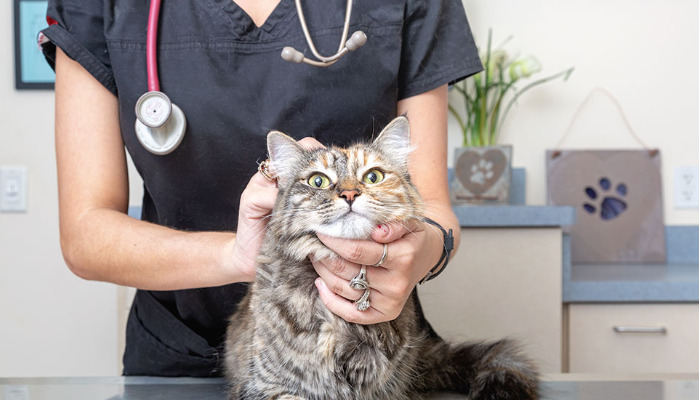
While some appetite reduction is expected, persistent anorexia lasting more than 48 hours requires veterinary consultation. Symptoms such as vomiting, diarrhea, lethargy, or signs of pain should also prompt immediate medical evaluation. Your veterinarian can assess potential causes, adjust medications, or recommend supportive therapies to improve your cat’s condition.
The Role of Owners in FIP Management
Pet owners play a vital role in monitoring and supporting their feline patients during treatment. Keeping a detailed record of food and water intake, activity levels, and any changes in behavior helps veterinarians make informed decisions. Providing a comfortable, quiet environment minimizes stress, fostering better recovery outcomes.
Advances in FIP Treatment and Their Effects on Appetite
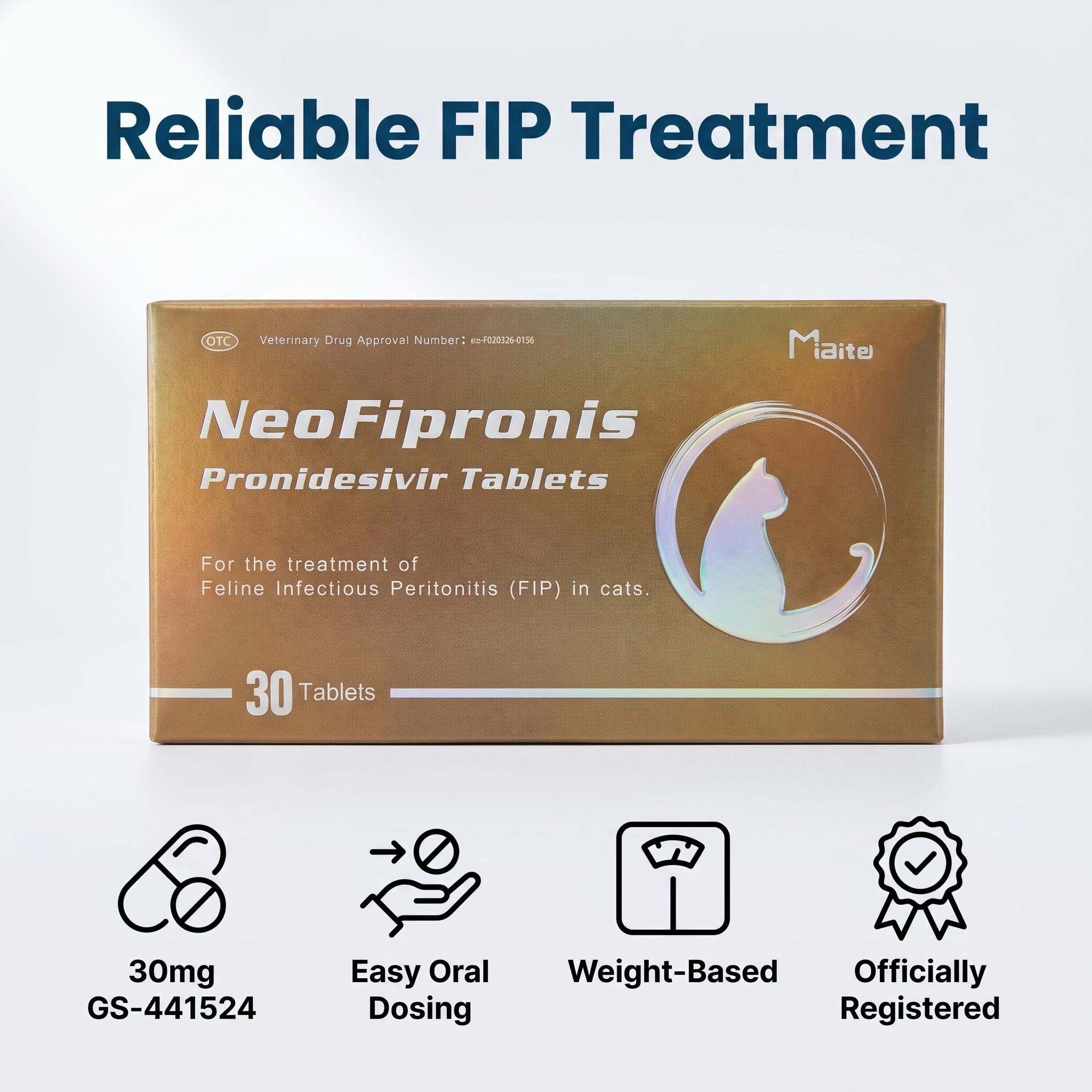
Recent breakthroughs, such as antiviral drugs like GS-441524, have shown promise in treating FIP effectively. However, these medications can have side effects affecting appetite initially. Over time, as the disease regresses, many cats regain their normal eating habits. Close veterinary follow-up during this period is crucial for managing side effects and ensuring optimal recovery.
Psychological and Emotional Support
Caring for a cat with FIP can be emotionally taxing. Maintaining a positive environment, offering gentle reassurance, and adhering to prescribed treatment plans provide significant comfort to your pet. While illness may suppress appetite temporarily, consistent care and compassionate attention significantly influence recovery.
Conclusion
A decrease in appetite during FIP treatment is a common and often expected response due to the illness’s nature and medication effects. Nonetheless, vigilant monitoring and proactive supportive measures are essential to prevent complications and promote recovery. Working closely with your veterinarian to tailor nutritional and medical approaches ensures the best quality of life for your feline friend through this challenging journey.
References
1. Pedersen, J. (2014). Pathogenesis of feline infectious peritonitis. Advances in Veterinary Medicine, 69, 387-398.
2. Addie, D. D., & Jarrett, W. F. (2017). Feline infectious peritonitis: A review of recent advances. Journal of Feline Medicine and Surgery, 19(3), 236-242.
3. Herrewegh, A. A., et al. (1995). Seroprevalence of feline coronavirus infection in cats. Archives of Virology, 140(2), 175-181.
4. Murphy, B., et al. (2020). Update on antiviral therapies for FIP. Veterinary Clinics of North America: Small Animal Practice, 50(2), 419-433.
5. Kiplinger, P., et al. (2018). Nutritional support in feline infectious peritonitis: Clinical management strategies. Journal of Feline Medicine and Surgery, 20(7), 622-629.