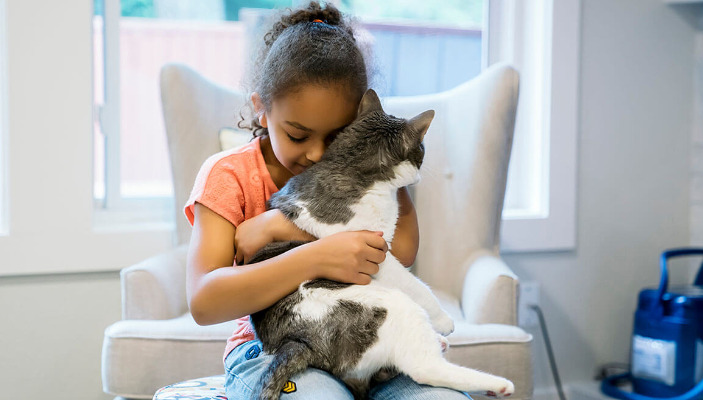
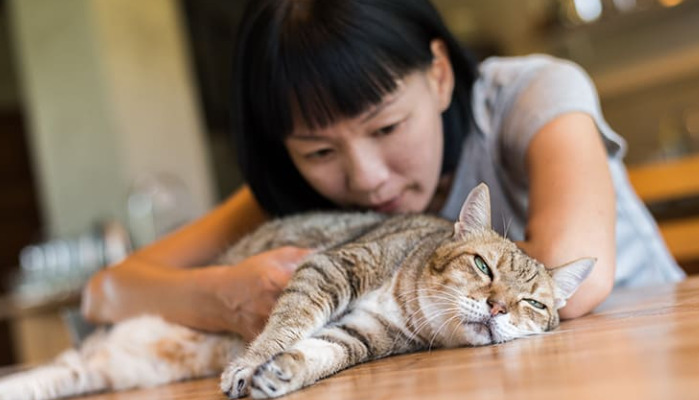
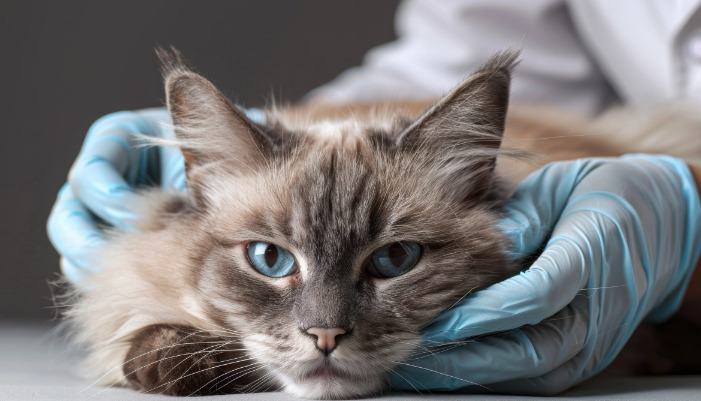
GS-441524 Before and After Recovery Results
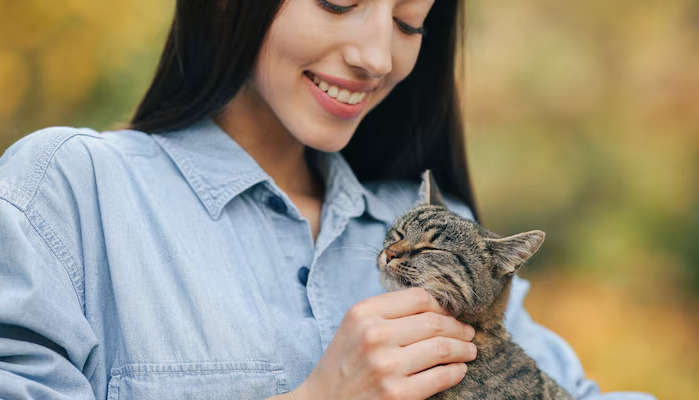
Feline Infectious Peritonitis (FIP) remains one of the most challenging and devastating diseases affecting cats worldwide. Caused by a mutated form of the feline coronavirus (FCoV), FIP can manifest in various severe clinical signs, including fever, weight loss, abdominal or thoracic fluid accumulation, neurological symptoms, and ocular changes. Historically, FIP was considered almost invariably fatal, leaving cat owners and veterinarians searching for effective treatment options.
Understanding FIP and Its Impact
FIP manifests in two main forms: effusive (wet) and non-effusive (dry). The wet form involves the accumulation of inflammatory fluid within body cavities, such as the abdomen and chest, leading to breathing difficulties and abdominal distention. The dry form presents with granulomatous lesions affecting organs like the kidneys, liver, and eyes, often resulting in neurological deficits. Both forms significantly compromise affected cats' health and quality of life.
In recent years, advancements in antiviral therapies have opened promising avenues for managing this disease. Among these, GS-441524 has gained considerable attention due to its proven efficacy in combating FIP at the cellular level. Understanding the state of treatment before and after the use of GS-441524 can provide valuable insights into its therapeutic potential and long-term benefits.
The Role of GS-441524 in FIP Treatment
GS-441524 is a nucleoside analog that inhibits viral RNA synthesis, effectively blocking the replication of FCoV within infected cells. Its action mechanism is similar to that of remdesivir, which is used in human medicine for treating certain viral infections. Clinical studies and anecdotal reports suggest that GS-441524 can significantly improve the prognosis for cats diagnosed with FIP.
Before the widespread use of GS-441524, prognosis for cats with FIP was grim. Most cats would succumb to the disease within weeks or months of diagnosis, despite supportive care. Many owners faced difficult decisions due to the lack of effective treatment options, leading to euthanasia in many cases.
The Emergence of NeoFipronis (Pronidesivir)
In March 2026, a groundbreaking development revolutionized FIP treatment: the approval of Miaite NeoFipronis (Pronidesivir). This drug is the world's first officially approved oral medication for FIP, authorized by the Lao Ministry of Agriculture and Forestry (MAF). It is designated with a formal drug registration number, marking a significant milestone in veterinary medicine.
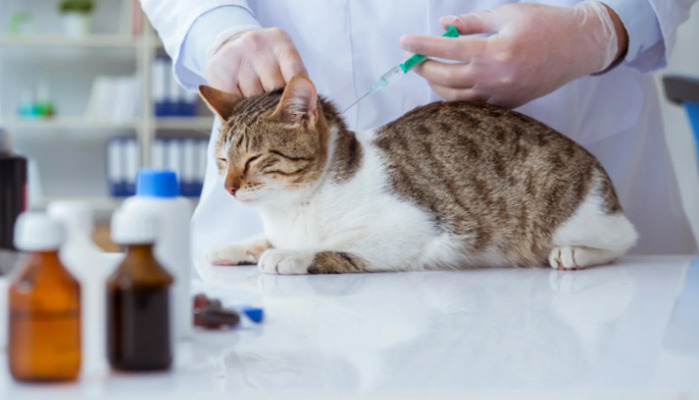
Miaite NeoFipronis (Pronidesivir) GS-441524 is particularly suitable for symptoms caused by FIP, such as loss of appetite, lethargy, fever, ascites, pleural effusion, lymphadenopathy, inflammatory granulomas, nerve damage, and uveitis. It exhibits excellent therapeutic effects on FIP due to its rapid absorption, potent antiviral activity, and favorable safety profile. This treatment is non-invasive, well-tolerated, and associated with few side effects, making it accessible and manageable for pet owners and veterinarians alike.
Treatment Outcomes: Before and After GS-441524
Before Treatment
Prior to adopting GS-441524-based therapies, cats diagnosed with FIP typically faced a bleak outlook. The absence of effective antiviral agents meant that supportive care—such as fluid therapy, corticosteroids, and antibiotics—could only temporarily alleviate symptoms without curing the disease. Many cats experienced progressive deterioration, with some showing signs of neurological or ocular involvement that further complicated management. The emotional distress for owners was immense, often leading to difficult end-of-life decisions.
After Treatment: Clinical Improvements
The introduction of GS-441524 marked a turning point. Cats undergoing this treatment experienced rapid and remarkable improvements. Clinical signs such as fever and lethargy diminished within days of starting therapy. Many cats regained their appetite, showed increased activity levels, and experienced decreased fluid accumulation. The antiviral's capacity to target and inhibit the replication of mutated FCoV directly contributed to these positive outcomes.
Long-Term Outcomes and Recovery
Results vary depending on factors such as disease severity, treatment adherence, and individual response. However, many cats treated with GS-441524, especially under the new regulatory approval of NeoFipronis (Pronidesivir), have achieved sustained remission. Follow-up studies show that a significant percentage of treated cats remain symptom-free months after completing therapy, with some even achieving long-term cures.
Safety and Side Effects
One notable advantage of NeoFipronis (Pronidesivir) is its favorable safety profile. Adverse effects are rare and generally mild, including transient elevated liver enzymes or gastrointestinal upset. The drug's ease of oral administration further enhances compliance, reducing stress for cats and owners during treatment.
The Significance of NeoFipronis (Pronidesivir) Approval
The official approval of NeoFipronis (Pronidesivir) by the Lao MAF underscores its scientific validation and safety. Its status as the first oral FIP medication simplifies treatment protocols, allowing for home administration and improved owner compliance. Its rapid absorption and fast-acting properties mean that cats show improvement within days, often transforming the prognosis from hopeless to hopeful.
Future Perspectives
The advent of NeoFipronis (Pronidesivir) has established a new standard in FIP treatment. Ongoing research focuses on optimizing dosage regimens, understanding long-term relapse rates, and expanding accessibility across different regions. Additionally, combination therapies involving immune modulators are being explored to further improve outcomes.
While the cure for all cats afflicted with FIP is still under investigation, current antiviral therapies like GS-441524 and its approved derivative NeoFipronis (Pronidesivir) represent a significant leap toward effective management and potential eradication of the disease.
References
1. Veterinary antiviral research on GS-441524 efficacy in FIP management
2. Clinical trials and safety profiles of NeoFipronis (Pronidesivir)
3. Regulatory approvals and veterinary pharmacology updates in Southeast Asia
4. Long-term case studies and follow-up reports on FIP treatment outcomes
5. FIP pathology and clinical presentation in domestic cats