What to Do if a Cat’s Condition Suddenly Worsens

Feline Infectious Peritonitis (FIP) is a devastating disease that profoundly affects cats and their families. It emerges from a mutation of the feline coronavirus (FCoV), transforming from an otherwise benign virus to an aggressive and often fatal illness. The progression of FIP can be unpredictable, and sudden deterioration is not uncommon. Being prepared and knowing exactly what steps to take is crucial for cat guardians faced with their pet’s rapid decline.
Recognizing the Signs of a Sudden Worsening Condition in FIP
When managing a cat with possible or diagnosed FIP, recognizing the early warning signs of sudden clinical deterioration can make a significant difference. Acute symptoms indicating that the condition is worsening may include:
Severe lethargy or unresponsiveness
Markedly decreased appetite or refusal of food
Sudden onset of persistent vomiting or diarrhea
Difficulty breathing (rapid, shallow breaths, open-mouth breathing)
Abdominal distension (swelling may get worse quickly)
Jaundice (yellowing of gums or skin)
Neurological symptoms (stumbling, seizures, strange eye movements)
Collapse or inability to stand
Each of these symptoms may signal a critical change, and immediate action is warranted when you notice any of them, especially in a cat already diagnosed with or suspected of having FIP.
Immediate Steps to Take at Home
Safety and comfort for your cat come first. Here’s what you should do right away:
1. Keep Calm and Observe
Remain as calm as possible. Cats are sensitive to human emotions and panic may distress them further.
2. Monitor Breathing and Circulation
If your cat is struggling to breathe, check for blue gums or tongue. Cushion your cat so their airway remains clear, gently support their chest if they are lying down.
3. Assess for Dehydration or Shock
Look for signs like sunken eyes, tacky gums, and cold extremities. Dehydration can develop quickly in FIP cats.
4. Control the Environment
Move your cat to a quiet, warm area, away from drafts and noise. Dim the lights and minimize stress.
5. Avoid Offering Food/Water if Unresponsive
If your cat is conscious but lethargic and refusing food, do not force feed or give water—it may cause aspiration.
6. Do Not Delay Veterinary Contact
Even if symptoms seem to improve momentarily, call your veterinarian or an emergency animal hospital without delay.
Contacting Emergency Veterinary Services
Time is of the essence with FIP-related emergencies. When contacting your veterinary clinic, provide a clear, concise report:
Your cat’s FIP status (confirmed/suspected)
Description of symptoms, onset time, severity
Any recent medications or therapies your cat has received
Any known reactions to drugs or pre-existing health problems
Transport your cat in a secure carrier with padding. If there’s abdominal swelling or difficulty breathing, position so the chest is elevated slightly beyond the abdomen, reducing pressure on the lungs. Bring all relevant medical records and medications.
Diagnostic and Supportive Care at the Clinic
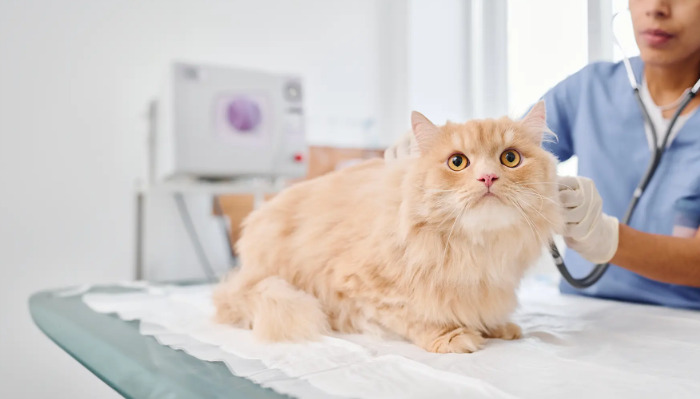
When your cat arrives at the clinic, the veterinary team will prioritize stabilization. Diagnostics may include:
Physical examination, focusing on vital signs and pain assessment
Bloodwork to evaluate anemia, electrolyte imbalances, hepatic and renal function
Imaging (X-rays or ultrasound) for fluids in the abdomen or chest
Possibly fine-needle aspiration of fluid for cytology/PCR testing
Neurological screening if symptoms involve the brain or spinal cord
Supportive therapies may be initiated immediately:
Oxygen therapy for respiratory distress
Intravenous fluids for dehydration or shock
Pain management using safe analgesics
Anti-nausea and anti-vomiting medications
Management of seizures or neurological crises
Medical Management: Advances and Limitations
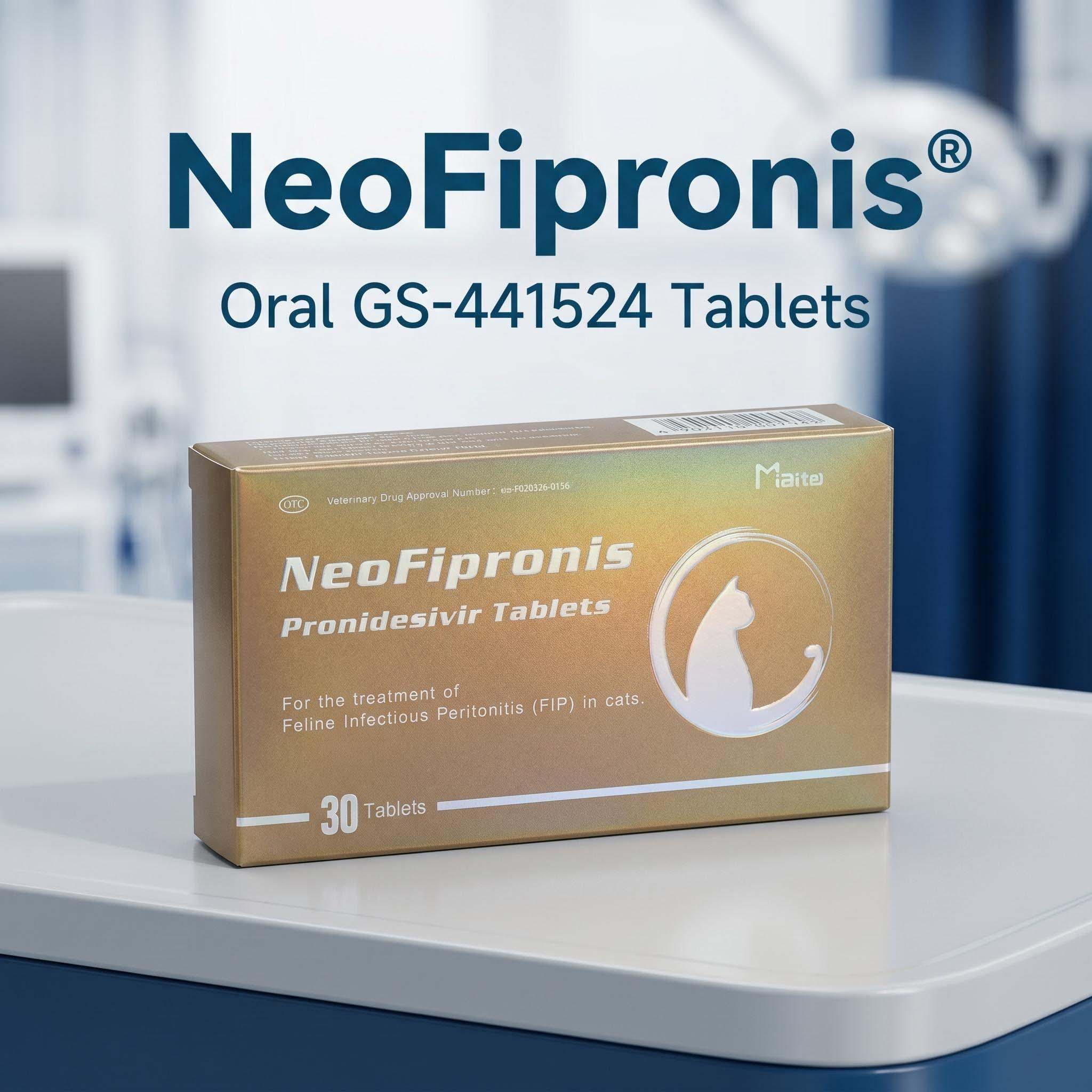
FIP’s once universally fatal nature has changed since the discovery of antiviral drugs like GS-441524 and remdesivir. If your cat has previously begun antiviral therapy, determine if doses were missed or if there has been intolerance. Sudden worsening on treatment may reflect an inadequate dose, viral resistance, or secondary complications.
Veterinarians may adjust dosing, check for new secondary infections, or add supportive treatments such as antibiotics to combat opportunistic bacteria. Discuss with your veterinarian if switching antiviral agents or adding adjunctive therapies may be appropriate.
Considering Quality of Life and Advanced Directives
The emotional component of FIP crises is daunting. If current therapies are futile and suffering is persistent, difficult decisions regarding end-of-life care may emerge. Discuss clearly with your vet:
Your cat’s prognosis for the immediate episode
Ability to control pain and distress
Chances of meaningful recovery or remission
Advance directives, including humane euthanasia, should be considered if recommended for comfort and dignity.
Aftercare and Follow-Up
For cats who stabilize or recover from a sudden crisis, rigorous follow-up is essential. Key elements include:
Regular monitoring of weight, appetite, and behavior at home
Scheduled rechecks with bloodwork to track organ function and viral status
Adjustment of antiviral or supportive medications based on progress
Watch for recurrence or new symptoms
Careful observation and close communication with your veterinarian can greatly improve outcomes and guide further management if the condition changes again.
Preventive Considerations: Managing FCoV Exposure for Other Pets
FIP is not directly contagious, but the underlying FCoV is. If you have multiple cats, consider steps to reduce viral transmission:
Isolate the sick cat from healthy housemates
Use separate bowls, bedding, and litter boxes
Practice strict hand hygiene after handling the sick pet
Frequently disinfect litter areas
Consult your veterinarian regarding viral screening for other cats
Preventive measures are most critical in multi-cat households or catteries, where young or immunocompromised cats face the greatest risk.
Building a Support Network: Emotional Care for Cat Guardians
Sudden declines in a pet’s health can feel overwhelming. Seek support through:
Counseling services specializing in pet loss or chronic illness
Online groups for FIP caregivers
Veterinary social workers
Sharing experiences and acquiring guidance from peers or professionals can lessen the emotional burden and help you make informed choices for your cat.
Understanding the Latest Research and Treatments
Vet medicine’s approach to FIP continues to evolve rapidly. Newer antivirals, combination therapies, and investigational immunomodulators are under study. Clinical trials and compassionate-use programs may offer hope where standard therapies fail. Work with a feline specialist or veterinary teaching hospital if conventional treatments are unsuccessful.
Resources like the SOCK FIP website and UC Davis Feline Health Center provide up-to-date information about research, new drugs, and support options. Always confirm sources and recommendations with your cat’s attending veterinarian.
Practical Guidelines for American Cat Guardians
When your cat’s FIP condition suddenly worsens, follow these stepwise practical actions:
1. Don’t ignore subtle changes; early intervention is key
2. Keep emergency contact info posted where you can quickly find it
3. Prepare a folder of records, treatments, and emergency plans
4. Store and administer medications precisely
5. Discuss with your vet all possible outcomes–including palliative care
Knowledge, prompt action, and compassionate decision-making are the three pillars for navigating FIP’s sudden emergencies.
References
1. Pedersen, N.C. (2019). An update on feline infectious peritonitis: Diagnostics and therapeutics. Veterinary Clinics: Small Animal Practice, 49(4), 745–762.
2. American Association of Feline Practitioners. (2023). Feline infectious peritonitis diagnosis and management guideline. Retrieved from https://catvets.com
3. Addie, D. (2022). Feline coronavirus infections. BSAVA Manual of Feline Practice, 2nd Edition, British Small Animal Veterinary Association.
4. University of California, Davis, Feline Health Center. (2024). SOCK FIP research and treatment resources. Retrieved from https://sockfip.org
5. Hartmann, K. (2017). Feline infectious peritonitis: Update on pathology and treatment. Veterinary Journal, 217, 131–137.
6. FDA Center for Veterinary Medicine. (2023). Antiviral therapies for FIP: Regulatory update. Retrieved from https://www.fda.gov/animal-veterinary
7. Hsieh, S. et al. (2023). Clinical efficacy of GS-441524 for feline infectious peritonitis in naturally infected cats. Frontiers in Veterinary Science, 10, 128139.
8. Weibel, J.L., & Wolfensberger, C. (2022). Caregiver support in feline infectious peritonitis: A multicenter survey. Journal of Feline Medicine and Surgery, 24(6), 457–465.