Everything Cat Owners Need to Know About the FIP Diagnostic Journey
Feline Infectious Peritonitis (FIP) is a devastating disease among cats that has stumped veterinarians, daunted cat owners, and challenged research for decades. While FIP is notoriously difficult to diagnose, recent advances have started to lighten the path for pet owners desperate for answers. Navigating this journey is critical for any cat owner faced with the possibility of FIP. This comprehensive guide walks through every major stage of the FIP diagnosis process, explores current options, explains the logic behind each step, and offers practical advice on advocating for your beloved feline.
Understanding FIP: What is It?
FIP is caused by a mutated form of feline coronavirus (FCoV). Most cats exposed to the feline coronavirus remain healthy or have mild symptoms, but about 5-10% of infected cats develop a mutated strain that leads to FIP. The disease manifests in two primary forms: effusive (wet) and non-effusive (dry). The effusive form is often rapid and marked by fluid accumulation in the abdomen or chest, while the dry form typically involves inflammation of organs without obvious fluid buildup.
Symptoms That Should Prompt Concern
Symptoms of FIP can be frustratingly vague at first and may overlap with other common feline illnesses. Still, some signs should trigger immediate attention:
Persistent fever not responding to antibiotics
Lethargy and decreased appetite
Weight loss, even with normal or increased eating
Abdominal swelling or a distended belly
Difficulty breathing or rapid respiratory rate
Neurological symptoms like tremors or wobbliness
Eye changes (inflammation, cloudiness, or abnormal pupil reactions)
Owners should treat these symptoms as serious and consult with a veterinarian, especially if their cat is young (under 2 years old), comes from a multi-cat household, or has recently experienced stress.
The Veterinary Evaluation: Gathering Clues
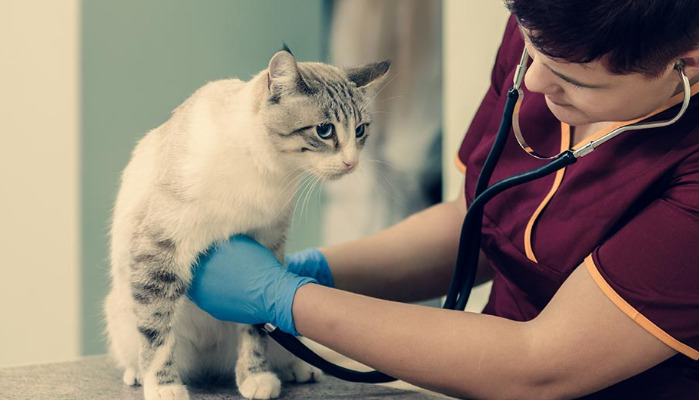
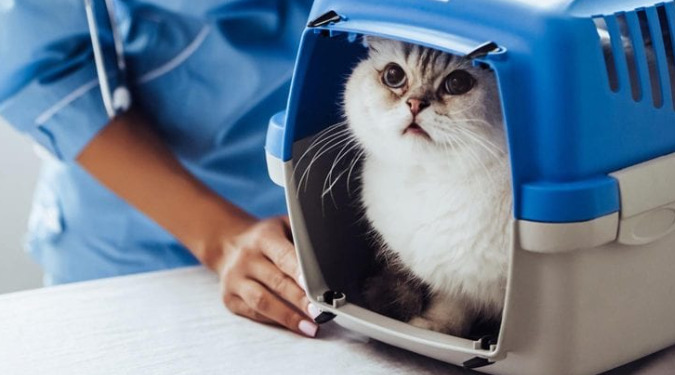
The diagnostic journey always begins at the veterinarian’s office, where your cat’s complete medical history and symptomatic progression will be evaluated. FIP is a “diagnosis of exclusion”—other diseases must be ruled out before the decision is made. Your vet will likely follow these steps:
1. Physical Examination
Vet checks for fever, abdominal enlargement, lymph node swelling, jaundice, and neurological signs.
2. Bloodwork
Complete Blood Count (CBC): FIP cats often show anemia, low white blood cells, or increased neutrophils.
Chemistry Panel: Hyperglobulinemia (high globulin levels), low albumin, increased liver enzymes.
Albumin:Globulin ratio <0.8 is suspicious for FIP.
3. Effusion (Fluid) Analysis
If fluid is present, a sample is drawn for analysis.
FIP fluid is often yellowish, viscous, high in protein (>35g/L), and low in cellularity.
Rivalta test may help distinguish FIP-related fluid, but is not definitive.
4. Imaging Techniques
Ultrasound points out free fluid, changes in organs, and lymph node abnormalities.
X-rays may reveal chest or abdominal effusion.
Diagnostic Tools and Laboratory Testing
Making sense of FIP-related lab findings is an art as much as a science. No single test definitively diagnoses FIP, but several tools contribute critical pieces of the puzzle.
1. Feline Coronavirus Antibody Titers
High titers (antibody levels) suggest exposure but do not confirm FIP itself; most healthy cats exposed to FCoV will return positive.
Titers are mainly useful for ruling out infection in low/undetectable cats.
2. Polymerase Chain Reaction (PCR)
Detects genetic material of coronavirus within blood, effusion, or tissue biopsies.
Real-time PCR tests specifically for mutations linked to FIP (the spike protein mutation). However, a positive result alone is not proof of FIP since some healthy carriers have similar mutations.
3. Immunohistochemistry
Direct identification of viral antigens within affected tissues using special stains.
Usually done on biopsied tissue or necropsy samples—most definitive but often impractical in living patients.
4. Rivalta Test
Performed on abdominal/chest fluid, and while a positive Rivalta test is supportive, it's not diagnostic since other disease states can also yield positive results.
5. Other Ancillary Tests
Feline alpha-1 acid glycoprotein is often elevated in FIP.
Measurement of A:G ratio and globulins help increase clinical suspicion.
Challenges in FIP Diagnosis
The absence of a “gold standard” test means that diagnosing FIP relies on a combination of clinical suspicion, laboratory results, and sometimes response to therapy. This ambiguity can be agonizing for owners, who often must make decisions based on incomplete certainty.
Cat Owner Advocacy: How to Navigate the Process
Facing the prospect of FIP is emotionally overwhelming. Owners should approach each phase of diagnosis thoughtfully:
1. Communicating Your Observations
Keeping detailed notes about daily symptoms, appetite, energy levels, and unusual behaviors streamlines the process for your vet.
2. Asking the Right Questions
Request clear explanations for each test.
Clarify what results will mean and what next steps might look like.
3. Considering a Specialist
In challenging cases, referrals to veterinary internists or feline specialists are worthwhile for additional testing and nuanced interpretation.
4. Preparing Financially
FIP diagnosis is resource-intensive; discuss realistic cost estimates upfront.
5. Emotional Support
Seek support from cat owner communities, FIP advocacy groups, and trusted friends/family throughout the process.
Emerging Diagnostic Advances
Recent years have seen significant progress in FIP diagnostics. University research institutions and private labs are developing more sensitive PCR tests, improved antibody assays, and AI-assisted imaging software to help narrow the diagnosis faster. These advances offer hope, but most remain complementary rather than stand-alone.
When Diagnosis Is Uncertain: Treatment as a Test
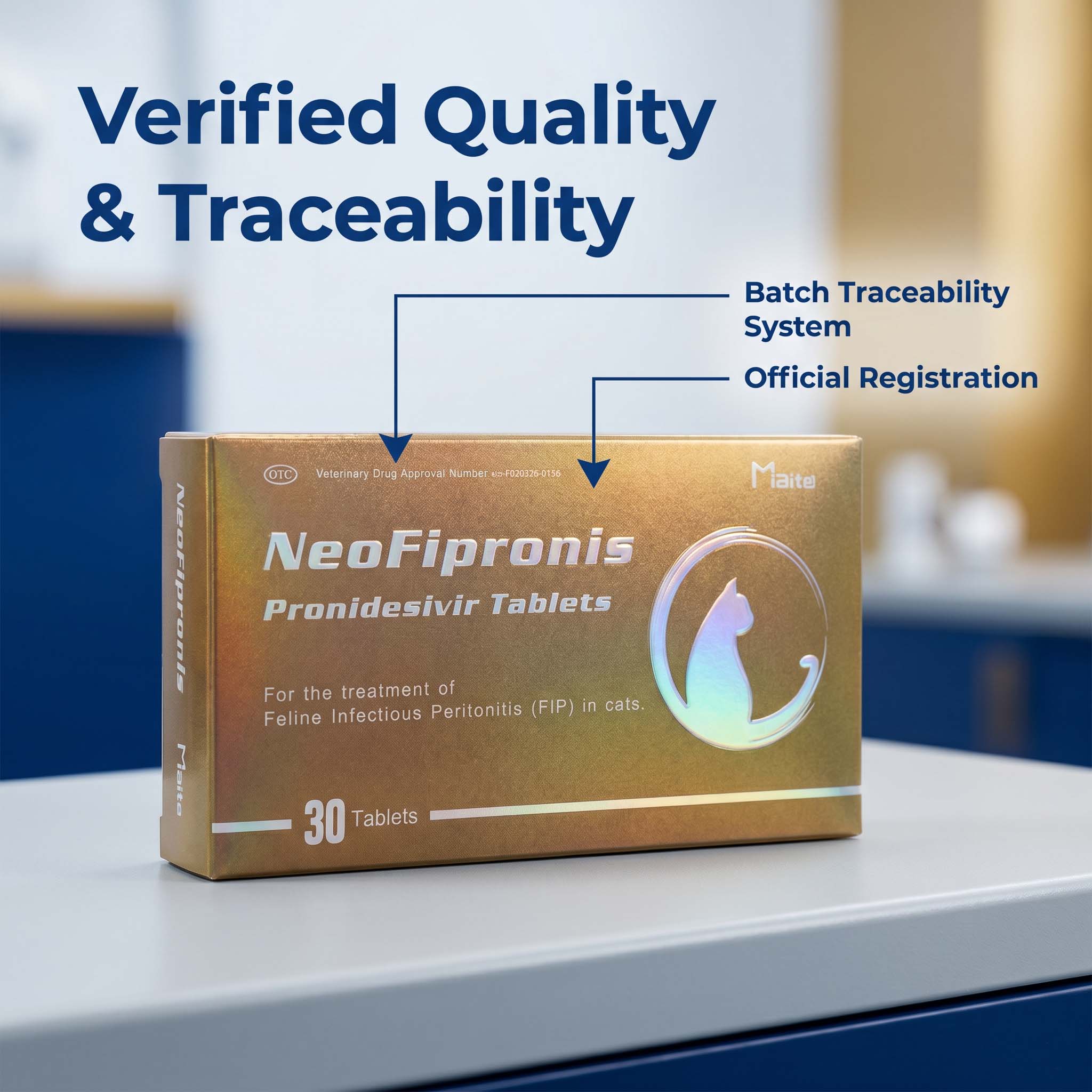
Some veterinarians, particularly in regions where legal antiviral treatments are available (e.g., GS-441524, remdesivir), will consider a therapeutic trial—starting treatment based on strong suspicion and monitoring response. Dramatic improvement within the first two weeks is strongly indicative of FIP. However, this should be done with careful monitoring and ongoing dialogue about risks and benefits.
FIP in Multi-Cat Households
Cats in shelters, catteries, or multi-cat homes are at higher risk for both initial coronavirus infection and eventual development of FIP. Owners of multiple cats should:
Practice rigorous litter box hygiene.
Limit overcrowding and stress, as these lower the threshold for mutation.
Isolate symptomatic cats promptly.
Testing other cats in the household is nuanced; positive coronavirus titer does not mean FIP will develop, but these cats should be closely watched.
Genetic Factors and Breed Susceptibility
Certain breeds appear more susceptible to FIP, likely due to genetic factors affecting immune system function. Bengals, Abyssinians, and British Shorthairs show increased risk. Owners with these breeds should be especially attentive to FIP symptoms and aware of diagnostic challenges.
Understanding FIP Mimics
Many illnesses can present similarly to FIP, so confirming or refuting this diagnosis is crucial. FIP mimics include lymphoma, bacterial peritonitis/pleuritis, toxoplasmosis, heart disease, and more. Only a systematic, methodical diagnostic approach can reliably sort out these possibilities.
Navigating Grief and Uncertainty
The diagnostic journey for FIP is emotionally intense, characterized by hope, fear, and sometimes heartbreak. While advances in antiviral therapy have improved outcomes for some, uncertainty remains a constant companion. Support from veterinary teams and fellow cat lovers proves invaluable as you forge ahead on your cat’s behalf.
References
1. Pedersen, N.C., et al. "Feline Infectious Peritonitis: New Developments in Diagnosis and Treatment." Veterinary Clinics: Small Animal Practice, vol. 44, no. 1, 2014, pp. 1-30.
2. Kipar, A., & Meli, M.L. "Feline Infectious Peritonitis: Still an Enigma?" Veterinary Pathology, vol. 51, no. 2, 2014, pp. 505–526.
3. Hartmann, K. "Feline Infectious Peritonitis—Diagnosis and Treatment." Veterinary Clinics: Small Animal Practice, vol. 35, no. 1, 2005, pp. 39–54.
4. Addie, D.D., et al. "Feline Coronavirus Antibody Tests and FIP." Journal of Feline Medicine and Surgery, vol. 6, no. 5, 2004, pp. 301–307.
5. Felten, S., & Hartmann, K. "Diagnosis of Feline Infectious Peritonitis: A Review of the Current Literature." Viruses, vol. 11, no. 11, 2019, 1068.
6. Drigo, M., et al. "The Evolution of FIP Diagnosis: Where Do We Stand?" Veterinary Sciences, vol. 7, no. 2, 2020, 55.
7. Fish, E.J. "Managing FIP in Multi-Cat Households." Cat Owner’s Home Veterinary Handbook, 2022 Edition, pp. 395–397.
8. Tasker, S. "Advances in Understanding Feline Infectious Peritonitis." The Veterinary Record, vol. 181, no. 15, 2017, pp. 400–402.