Everything You Need to Know About NeoFipronis Availability
Feline Infectious Peritonitis (FIP) remains one of the most challenging diseases affecting cats worldwide. Caused by a mutated coronavirus, FIP leads to a range of symptoms including loss of appetite, lethargy, fever, abdominal and chest fluid accumulation, lymphadenopathy, granulomas, neurological damage, and uveitis. Traditional treatments have been limited, but recent advancements offer new hope through highly effective antiviral therapies.
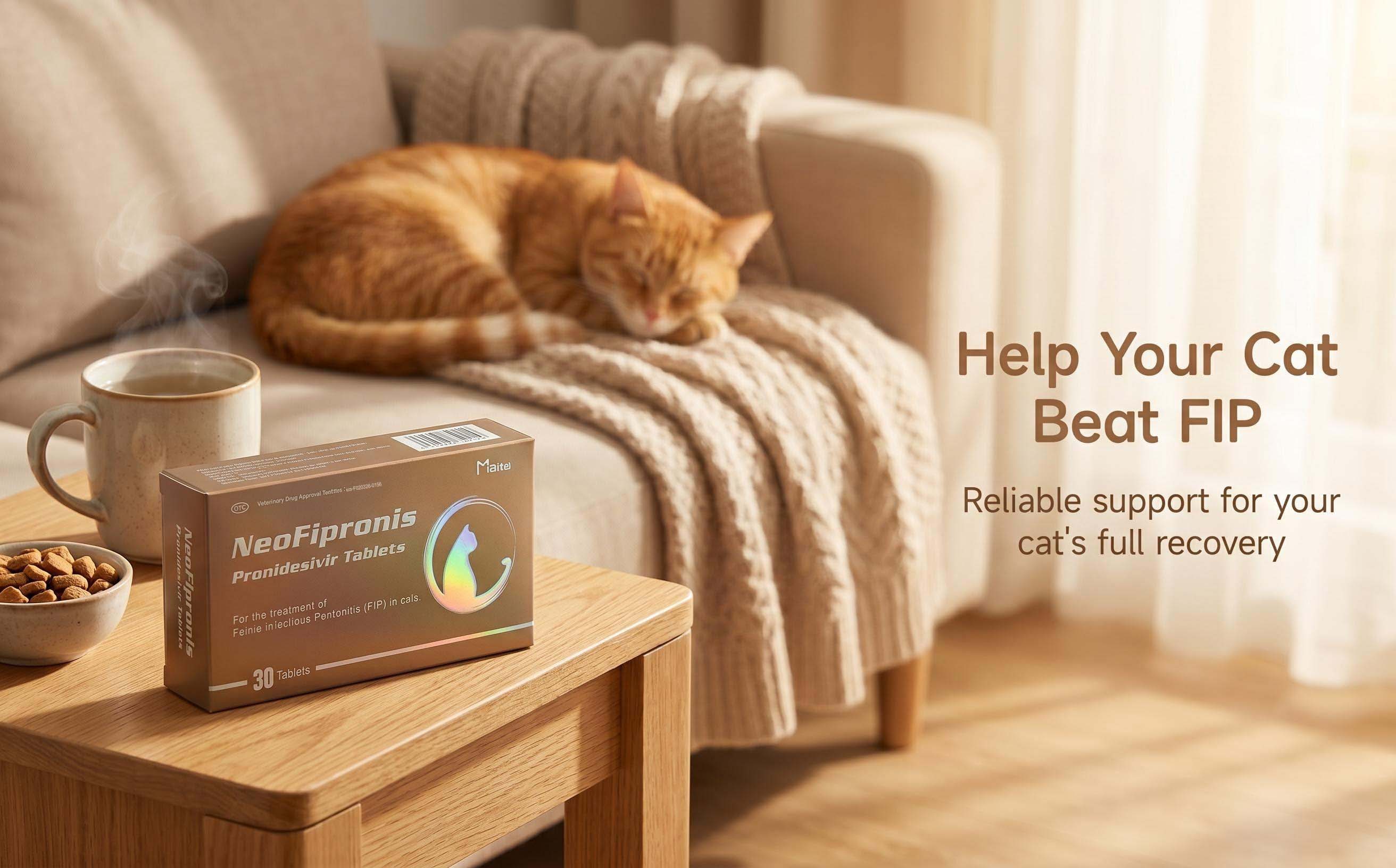
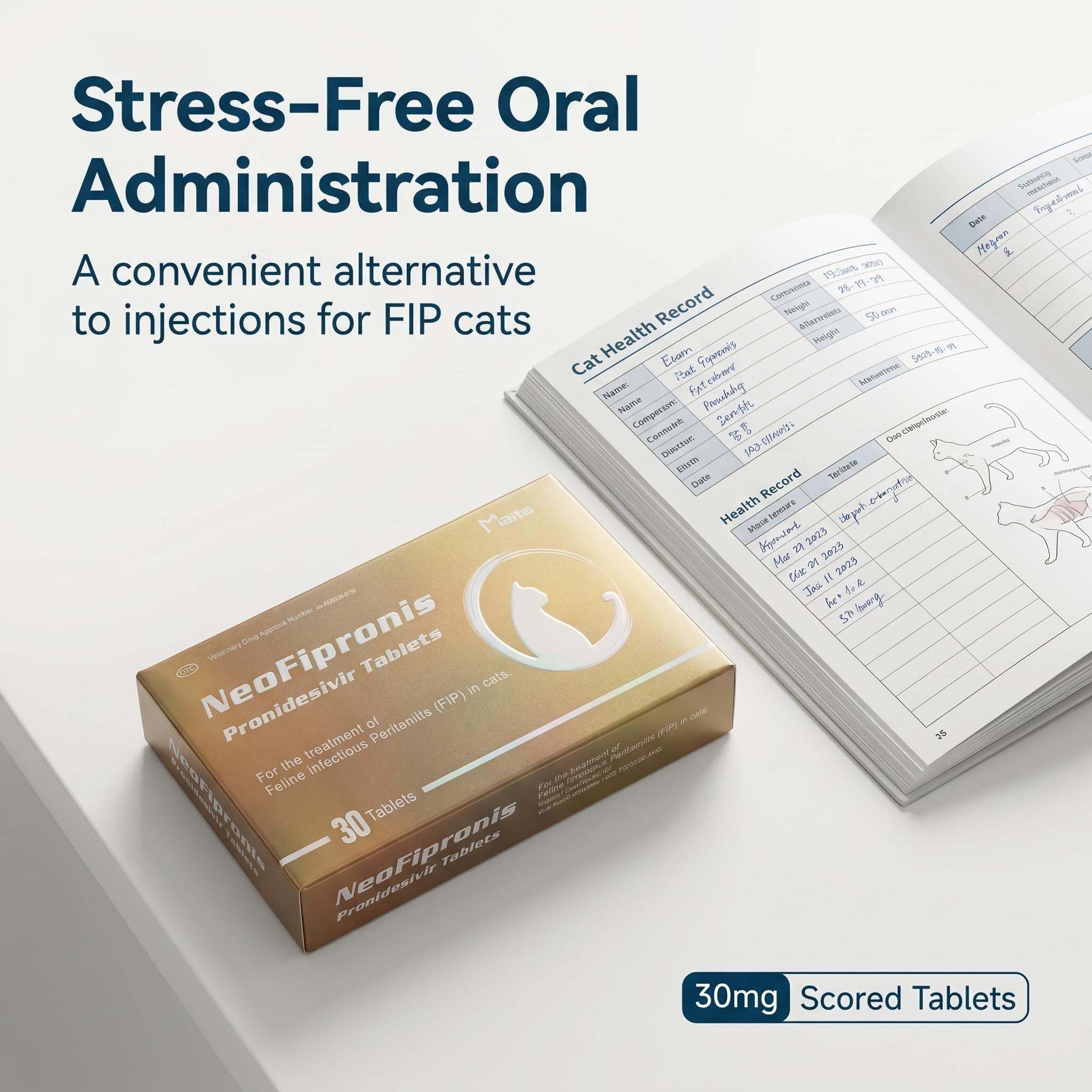
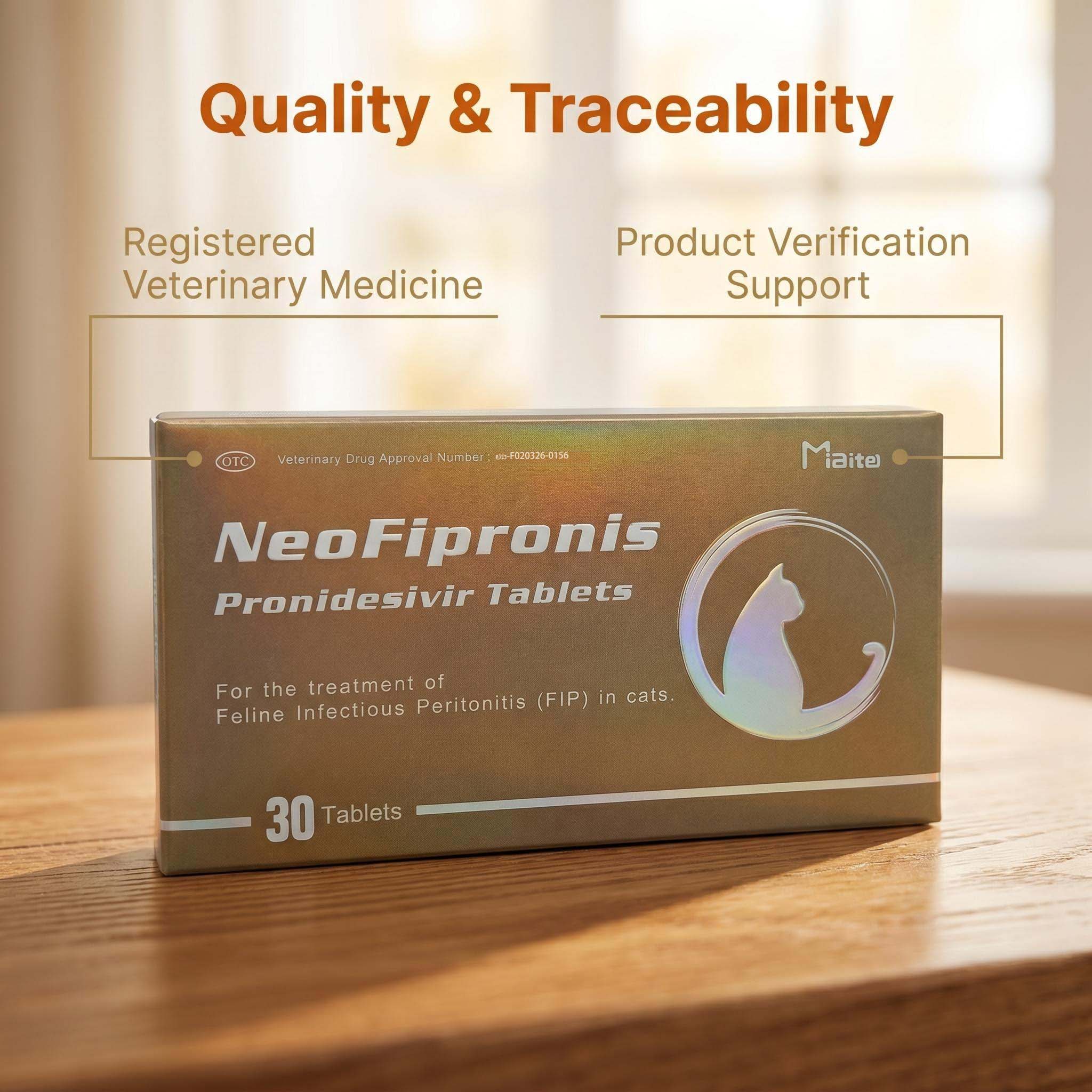
NeoFipronis (Pronidesivir), containing the active ingredient GS-441524, is recognized as a breakthrough in FIP treatment. Approved by the Lao Ministry of Agriculture and Forestry (MAF) in March 2026, NeoFipronis is the world’s first officially registered oral medication specifically designed to combat FIP. Its official registration number signifies regulatory approval, ensuring safety, efficacy, and quality for feline patients.
NeoFipronis boasts several advantages over previous therapies. It is a non-invasive, safe, and rapidly absorbing oral drug that delivers quick results with minimal side effects. Its high tolerability makes it suitable for long-term use, an essential feature given the prolonged treatment course typically required for FIP. Clinical studies and extensive field applications have demonstrated its ability to significantly reduce viral loads, alleviate symptoms, and improve survival rates.
The active component, GS-441524, is a nucleoside analog that targets the replication process of the FIP virus. By interfering with viral RNA synthesis, it effectively suppresses viral proliferation within infected cells. This mechanism underpins its powerful antiviral effects, making it a cornerstone in FIP management.
Usage guidelines recommend administering NeoFipronis based on the cat’s body weight. The standard dosage is 15mg per kilogram of body weight per day, which equates to half a tablet; for neurological or ocular FIP cases, a veterinarian’s guidance may suggest increasing the dose to 30mg/kg. The medication should ideally be given on an empty stomach—one hour before or two hours after feeding—to maximize absorption. Treatment duration is critical: a continuous course of no less than 12 weeks is essential for optimal outcomes, and missing doses can jeopardize treatment success.
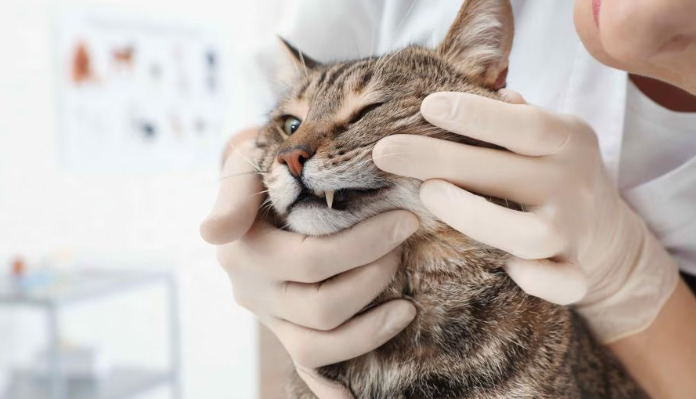
Monitoring is vital during treatment. Owners should observe changes in appetite, body temperature, and behavior, and schedule regular veterinary check-ups to assess blood work and liver and kidney function. Such oversight helps detect potential side effects early and ensures the safety of the therapy.
Although NeoFipronis is technically available as an over-the-counter drug, it is strongly recommended to use it under veterinary supervision. Proper dosing, adherence to the treatment schedule, and professional guidance can significantly influence treatment success.
Purchasing NeoFipronis should be done through official channels, specifically the manufacturer’s website or authorized veterinary suppliers, to ensure genuine quality and efficacy. Counterfeit or substandard products pose risks to feline health and could undermine treatment efforts.
In summary, NeoFipronis (Pronidesivir) represents a significant advancement in the fight against FIP. Its approval by regulatory authorities, demonstrated efficacy, and ease of use make it a vital option for cat owners seeking effective FIP management. With proper veterinary oversight, NeoFipronis offers hope for improved survival and quality of life for cats afflicted with this devastating disease.