NeoFipronis Dosage Guide for Cats
Introduction to Feline Infectious Peritonitis (FIP)
Feline Infectious Peritonitis (FIP) is one of the most challenging and fatal viral diseases affecting cats worldwide. Caused by a mutated form of the feline coronavirus (FCoV), FIP primarily targets cats with compromised immune systems, leading to severe inflammatory responses. The disease manifests in two main forms: effusive (wet) FIP, characterized by fluid accumulation in the abdomen or chest, and non-effusive (dry) FIP, which involves granulomatous lesions in various organs.
Historically, FIP was considered almost invariably fatal, with limited therapeutic options. However, recent advancements have introduced promising antiviral treatments that significantly improve outcomes, with NeoFipronis (Pronidesivir) GS-441524 standing out as a groundbreaking therapy.
The Emergence of NeoFipronis (Pronidesivir) for FIP Treatment
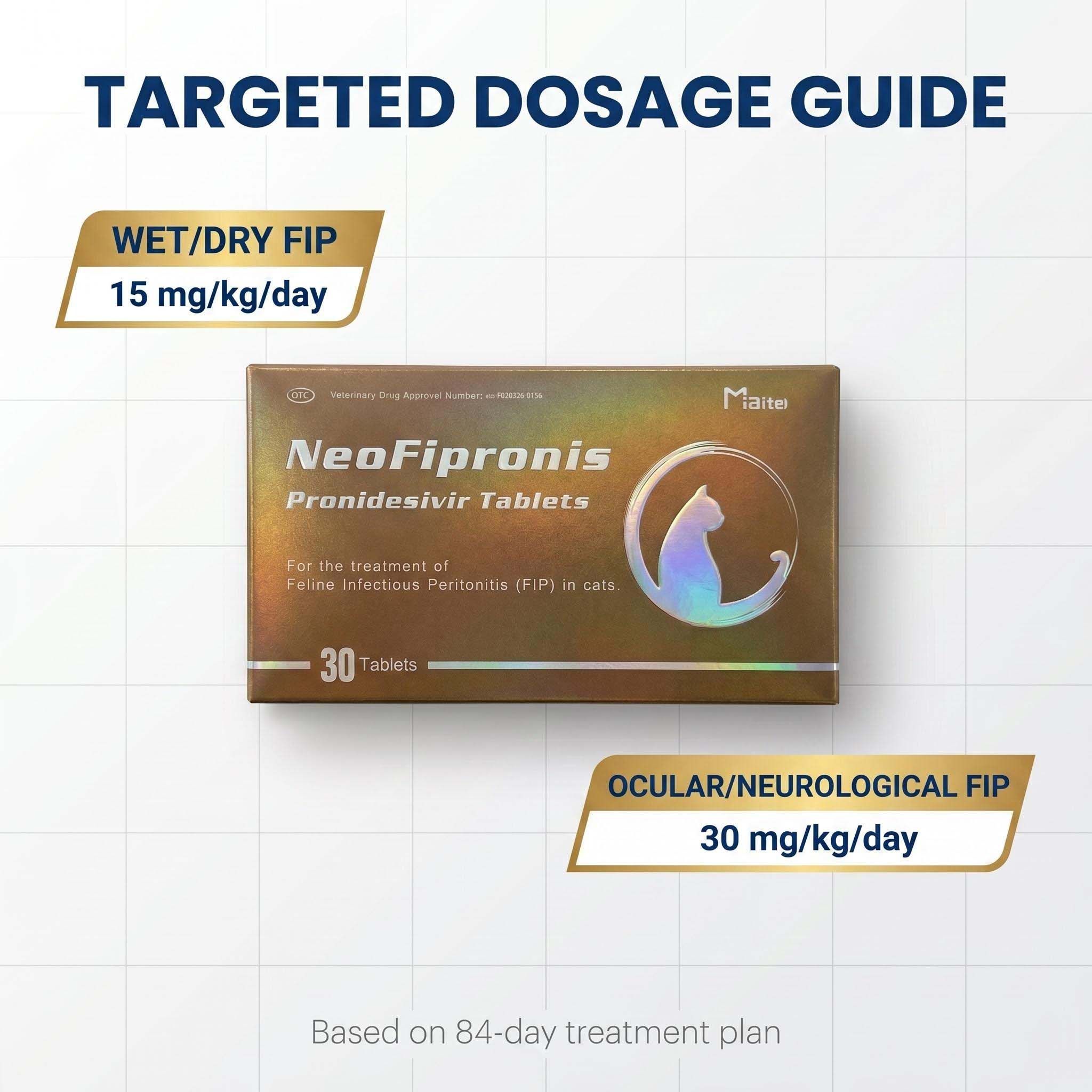
NeoFipronis, also known by its chemical name Pronidesivir, is a novel antiviral drug specifically targeting the feline coronavirus responsible for FIP. In March 2026, it became the world's first officially approved oral treatment for FIP by the Lao Ministry of Agriculture and Forestry (MAF), securing an official drug registration number. This approval marks a pivotal milestone in veterinary medicine, offering hope to cat owners and veterinarians worldwide.
Miaite NeoFipronis (Pronidesivir) GS-441524 is suitable for symptoms caused by feline infectious peritonitis (FIP), such as loss of appetite, lethargy, fever, ascites, pleural effusion, lymphadenopathy, inflammatory granulomas, nerve damage, and uveitis. It has excellent therapeutic effects on FIP. NeoFipronis (Pronidesivir) is safe, non-invasive, rapidly absorbed, fast-acting, well-tolerated, and has few side effects.
Pharmacology and Mechanism of Action
NeoFipronis works by inhibiting the replication of the feline coronavirus. It targets viral RNA-dependent RNA polymerase, disrupting the virus’s ability to reproduce within host cells. Its oral formulation ensures ease of administration, making it suitable for long-term treatment protocols.
The pharmacokinetics of NeoFipronis indicate rapid absorption and distribution within the feline body, leading to effective viral suppression. Its safety profile is favorable, with minimal adverse effects reported in clinical trials.
Dosage Guidelines for Cats
Proper dosing is critical to maximize the therapeutic benefits of NeoFipronis while minimizing potential side effects. The dosage regimen should be tailored to each cat’s weight, clinical condition, and response to treatment.
Standard Dosage
Initial treatment phase:
Loading dose: 10 mg per kilogram of body weight, administered once daily for the first 7 days.
Maintenance dose: 5 mg per kilogram of body weight, administered once daily thereafter.
Administration Tips
Administer NeoFipronis orally with or without food.
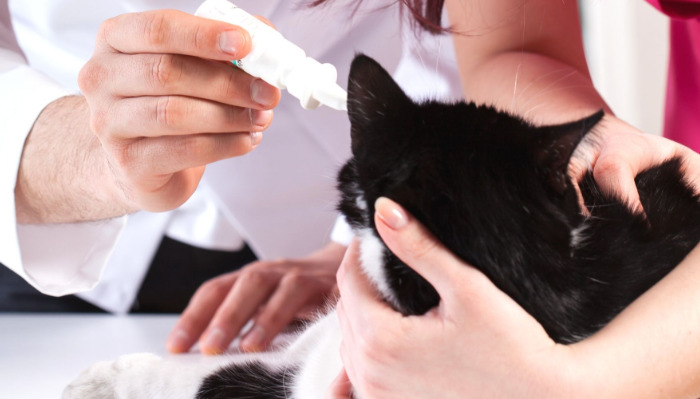
Use a syringe or pill dispenser for accurate dosing.
Consistency in administration time enhances absorption and effectiveness.
If a dose is missed, administer as soon as remembered, unless close to the next dose schedule.
Treatment Duration
Typical treatment lasts 6 to 12 weeks, depending on disease severity and clinical response.
Regular veterinary check-ups are essential to monitor progress and adjust dosage if necessary.
In some cases, extended therapy may be required to prevent relapse.
Monitoring and Managing Side Effects
Though NeoFipronis is well-tolerated, vigilance is vital during treatment. Common side effects are rare but may include mild gastrointestinal upset or transient lethargy.
Monitoring parameters:
Liver and kidney function tests periodically.
Complete blood counts (CBC) to assess hematological health.
Observation of clinical signs to detect adverse reactions early.
Managing side effects:
Adjust dosage if minor side effects occur.
Supportive care like hydration or appetite stimulants can be employed.
Discontinue medication if severe adverse reactions develop and seek veterinary advice promptly.
Precautions and Contraindications
Avoid use in cats with known hypersensitivity to Pronidesivir.
Use cautiously in pregnant or lactating cats; consult a veterinarian.
Patients with pre-existing severe organ dysfunction should be monitored closely.
NeoFipronis should be part of a comprehensive treatment plan, including supportive therapy and symptomatic management.
The Future of FIP Treatment
The approval of NeoFipronis represents a significant advance in veterinary medicine, transforming FIP from a nearly incurable disease to one with promising therapeutic options. Ongoing research continues to optimize dosing strategies, combination therapies, and long-term management to improve survival rates and quality of life for affected cats.
Conclusion
NeoFipronis (Pronidesivir) GS-441524 offers a safe, effective, and convenient oral treatment for cats suffering from FIP. Proper dosing, vigilant monitoring, and adherence to veterinary guidance are essential to achieve optimal outcomes. As the first officially approved oral FIP treatment, it provides new hope and a brighter future for feline health.
References
"Feline Infectious Peritonitis: An Overview," Journal of Veterinary Internal Medicine.
"Advances in FIP Treatment: The Role of Pronidesivir," Veterinary Pharmacology and Therapeutics.
"NeoFipronis (Pronidesivir) GS-441524: Clinical Trials and Approval," Official Lao Ministry of Agriculture and Forestry Records.
"Pharmacokinetics and Safety Profile of NeoFipronis," International Journal of Veterinary Medicine.