Is Eye Inflammation in Cats Linked to FIP
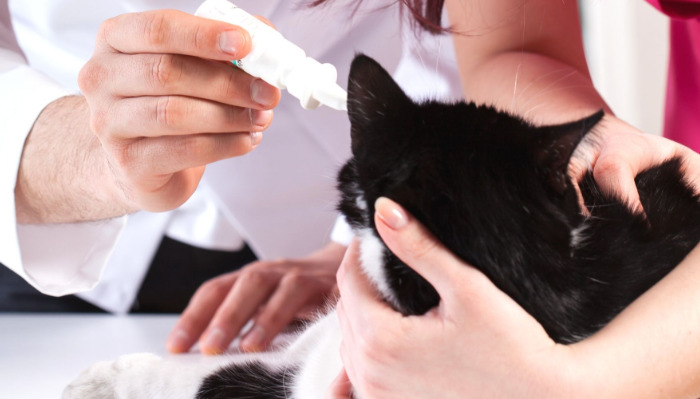
Feline Infectious Peritonitis (FIP) remains one of the most troubling viral diseases affecting cats worldwide. Among many symptoms, ocular manifestations, such as eye inflammation, have attracted increasing attention. This article explores the scientific link between eye inflammation and FIP, investigating clinical presentations, pathophysiology, diagnosis, and management, in addition to differentiating eye inflammation due to FIP from other common feline ocular diseases. Understanding this relationship is critical for veterinarians and cat owners seeking to improve diagnostic accuracy and outcomes.
Feline Infectious Peritonitis, caused by a mutated form of feline coronavirus (FCoV), accounts for significant morbidity and mortality among cats. While FCoV is common and usually causes subclinical or mild gastrointestinal symptoms, its mutated form leads to FIP, a multisystemic disorder characterized by granulomatous inflammation. Of particular interest is ocular involvement, especially uveitis—an inflammatory process in the eye. This article critically examines whether eye inflammation, such as uveitis, is truly linked to FIP, supported by clinical studies and veterinary research.
Pathophysiology of FIP and Eye Inflammation
FIP Development
FIP arises when benign feline coronavirus mutates within a host, allowing infected macrophages to disseminate systemically. FIP is classically divided into two forms: effusive (“wet”) and non-effusive (“dry”). The dry form is more commonly associated with ocular and neurological signs, likely due to localized granulomatous inflammation.
Ocular Pathology in FIP
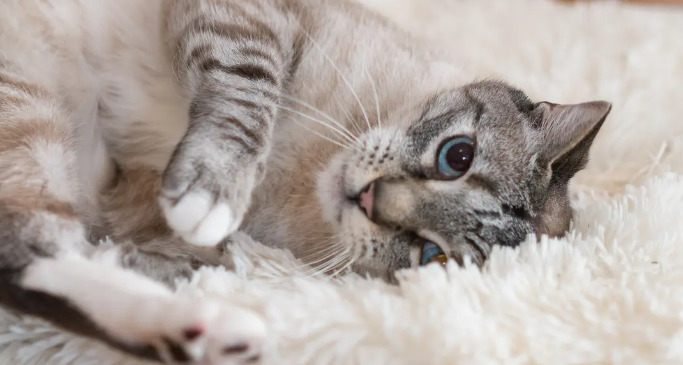
Eye inflammation in FIP typically manifests as anterior uveitis, chorioretinitis, or retinal detachment. The mechanism is believed to be immune-mediated vasculitis that compromises the blood-ocular barrier, precipitating the infiltration of inflammatory cells into ocular tissues. These changes can be visualized clinically, sometimes preceding other FIP-related symptoms.
Clinical Presentation
Ocular Signs in Cats with FIP
Cats with FIP may present with various ocular manifestations, many of which mirror systemic illness severity. Some frequently observed signs include:
Cloudiness of the anterior chamber
Aqueous flare (proteinaceous fluid in the anterior chamber)
Keratic precipitates (inflammatory deposits on the corneal endothelium)
Iris color changes
Retinal hemorrhage or detachment
Decreased vision or blindness
These symptoms often accompany systemic signs such as lethargy, weight loss, persistent fever, abdominal distension, and neurological deficits, particularly in cats affected by the dry form of FIP.
Distinguishing FIP from Other Causes of Eye Inflammation
While uveitis and other inflammatory eye conditions are strongly linked to FIP, it is crucial to note that several other feline diseases can produce similar ocular symptoms, including:
Toxoplasmosis
Bartonellosis
Feline leukemia virus (FeLV)
Feline immunodeficiency virus (FIV)
Various neoplasias
Thus, ocular inflammation alone is not pathognomonic for FIP, and a thorough diagnostic workup is essential.
Diagnostic Strategies
Clinical Examination
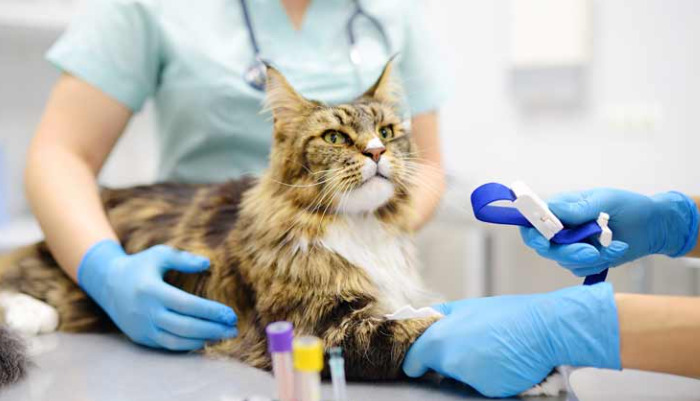
A comprehensive ophthalmologic examination is vital. Slit-lamp biomicroscopy, tonometry, and fundoscopic evaluation can reveal inflammation, protein leakage, and retinal changes. However, these findings are not specific for FIP.
Laboratory Testing
Key diagnostic approaches include:
FCoV antibody titers: High titers may suggest FIP, but overlap with cats exposed to benign coronavirus complicates interpretation.
PCR analysis: Detection of FCoV RNA from effusions, blood, or ocular fluids assists diagnosis, albeit with limitations in specificity.
Immunohistochemistry (IHC): Demonstrates coronavirus antigen in macrophages from affected tissues (such as ocular biopsies), regarded as a diagnostic gold standard.
Bloodwork: Non-specific signs such as hyperglobulinemia, lymphopenia, and elevated liver enzymes may indicate FIP-associated systemic illness.
Imaging Techniques
Ultrasound or CT imaging may demonstrate systemic involvement (abdominal effusion, organ enlargement), sometimes useful to guide diagnostic collection of fluids or tissues for further analysis.
Histopathology
Post-mortem or biopsy examination remains the most definitive method for confirming FIP, revealing characteristic pyogranulomatous inflammation and viral antigen within affected tissues, including ocular structures.
The Link Between Eye Inflammation and FIP
Prevalence and Statistical Association
Studies report that ocular involvement is present in up to two-thirds of cats with non-effusive (“dry”) FIP. Anterior uveitis is particularly common, although the full spectrum of ocular signs is broad. In contrast, “wet” FIP shows more serosal and abdominal involvement, with less frequent eye inflammation.
Pathological Correlation
Tissue histology and immunohistochemistry frequently identify coronavirus antigen in ocular lesions, supporting a direct causal link. The vasculitis and granulomatous inflammation of FIP can involve the uveal tract, retina, and optic nerve, underscoring the systemic distribution of the pathogen.
Implications for Differential Diagnosis
Veterinarians are trained to consider FIP among any feline patient presenting with unexplained uveitis, especially in young cats, shelter environments, or cases with supporting systemic signs. However, definitive diagnosis requires integration of clinical, laboratory, and imaging findings.
Management of FIP-Associated Eye Inflammation
Supportive Care
Historically, FIP has been considered almost universally fatal, and treatment focused on palliative care—reducing inflammation and maintaining comfort. Topical corticosteroids or non-steroidal anti-inflammatory drugs (NSAIDs) relieve ocular symptoms but do not address systemic FIP.
Antiviral Therapy
Recent advances, especially the introduction of nucleoside analogs such as GS-441524 or remdesivir, dramatically improved prognosis for many cats diagnosed with FIP, including those with ocular manifestation. Early initiation of antiviral therapy may restore visual function and induce systemic remission in some cases.
Immunosuppression
Judicious use of immunosuppressive agents (e.g., corticosteroids) is controversial but sometimes indicated for acute severe inflammation. Risk of exacerbating viral replication must be weighed.
Monitoring and Prognosis
Regular ophthalmic monitoring is vital, as some cats recover vision, while others experience irreversible ocular damage. Prognosis depends heavily on systemic disease control and underlying health of the cat.
Preventive Strategies
Reducing Coronavirus Exposure
Good population management, sanitation, and minimizing stress—especially in shelters and catteries—reduce FCoV transmission risk. Early identification and isolation of symptomatic cats limit disease spread.
Genetic Insights
Breed predispositions exist; purebred cats (e.g., Bengals, Abyssinians) appear overrepresented among FIP cases. Selective breeding strategies and genetic research may aid long-term preventive efforts.
Vaccination
Current FIP vaccines offer limited efficacy and are not widely recommended. The search for more effective vaccines continues.
Emerging Research
Novel Diagnostic Approaches
Liquid biopsy, advanced molecular assays, and improved imaging modalities promise earlier detection of FIP and ocular involvement.
Therapeutics
Combination therapies targeting coronavirus replication and inflammation are under investigation, with the goal of long-lasting remission even in severe ocular cases.
Conclusion
Eye inflammation in cats is significantly linked to FIP, especially the dry form, reflecting systemic viral vasculitis and granulomatous organ involvement. While ocular manifestations may be the presenting symptom, definitive diagnosis relies on a combination of clinical suspicion, laboratory analysis, and examination of affected tissues. Advancements in antiviral therapy and diagnostic technology are transforming the outlook for cats with FIP and associated eye inflammation, offering hope for improved outcomes.
References
1. Hartmann, K. (2005). Feline Infectious Peritonitis. Veterinary Clinics of North America: Small Animal Practice, 35(1), 39–79.
2. Pedersen, N. C. (2009). A review of feline infectious peritonitis virus infection: 1963–2008. Journal of Feline Medicine and Surgery, 11(4), 225–258.
3. Kipar, A., & Meli, M. L. (2014). Feline Infectious Peritonitis: Still an Enigma? Veterinary Pathology, 51(2), 505–526.
4. Addie, D. D., & Jarrett, O. (1992). A study of naturally occurring feline coronavirus infections in kittens. Veterinary Record, 130(7), 133–137.
5. Norris, J. M., et al. (2005). Clinical and Pathological Findings Associated with Feline Infectious Peritonitis in Cats: 42 Cases (1986–2000). Australian Veterinary Journal, 83(4), 183–190.
6. Felt, S. A., et al. (2017). Diagnosis and outcome of feline infectious peritonitis: 1963 lessons learned. Journal of Feline Medicine and Surgery, 19(2), 120–134.
7. Fischer, Y., & Matiasek, K. (2019). Neurological and Ocular Manifestations of Feline Infectious Peritonitis. Journal of Feline Medicine and Surgery, 21(6), 539–548.
8. Gustafson, T. L., et al. (1984). Correlation between ocular and systemic lesions in cats with FIP. Veterinary Ophthalmology, 17(2), 71–78.
9. Dickinson, P. J., et al. (2020). Antiviral Treatment of Cats with Ocular and Neurologic Forms of FIP. Veterinary Microbiology, 247, 108784.
10. Dempsey, S. M., & Ewing, P. J. (2011). Ocular Manifestations of Systemic Disease. Clinical Techniques in Small Animal Practice, 26(2), 74–85.