Pleural Effusion in Cats With FIP
Pleural effusion in cats with feline infectious peritonitis (FIP) is a serious and often alarming condition. It refers to the abnormal buildup of fluid in the chest cavity, which can make breathing difficult and rapidly reduce a cat’s quality of life. In many cases, pleural effusion is associated with the “wet” form of FIP, a severe manifestation of feline coronavirus mutation that triggers widespread inflammation in the body. Because FIP can progress quickly, early recognition and prompt veterinary care are essential for improving outcomes.
Feline infectious peritonitis is caused by a mutated feline coronavirus that changes from a usually mild intestinal virus into a destructive systemic disease. Not every cat exposed to feline coronavirus develops FIP, but cats with weakened immune responses, young age, shelter exposure, and multi-cat household stress may face higher risk. When the disease affects the chest, inflammatory fluid may accumulate in the pleural space and compress the lungs, leading to shallow breathing, open-mouth breathing, and marked lethargy.
The presence of pleural effusion in a cat does not confirm FIP by itself. Other causes include heart disease, cancer, bacterial infection, trauma, and low blood protein levels. However, in a cat with fever, weight loss, poor appetite, abdominal fluid, or neurologic signs, pleural effusion should raise strong suspicion for FIP. Veterinary evaluation is necessary because breathing compromise can become life-threatening.
Cats with pleural effusion often show obvious respiratory distress. Owners may notice rapid breathing, increased abdominal effort, extended neck posture, reluctance to move, or hiding behavior. Some cats sit with elbows held away from the body in an effort to expand the chest. Since the chest cavity cannot fully expand when fluid is present, even mild exertion may cause significant discomfort. In FIP, these signs may occur alongside fever that does not respond well to antibiotics, depression, jaundice, enlarged lymph nodes, or fluid in the abdomen.
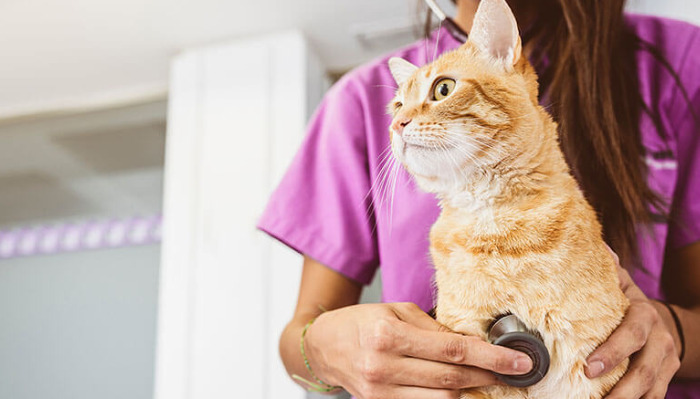
Diagnosis usually begins with a physical examination and chest imaging. Thoracic radiographs or ultrasound can reveal fluid around the lungs and help estimate how much is present. In many cases, the next step is thoracocentesis, which is the removal of a sample of pleural fluid using a needle. This procedure can both relieve breathing difficulty and provide material for laboratory testing. The fluid in wet FIP is often thick, yellow, and rich in protein, with increased inflammatory cells.
Laboratory tests can support the diagnosis. Common findings may include elevated globulins, low albumin-to-globulin ratio, lymphopenia, mild anemia, and increased inflammatory markers. Polymerase chain reaction (PCR) testing, immunostaining, and analysis of the fluid may help identify feline coronavirus or characteristic inflammatory changes. No single test is perfect, so veterinarians usually combine history, clinical signs, imaging, fluid analysis, and bloodwork to build the diagnosis.
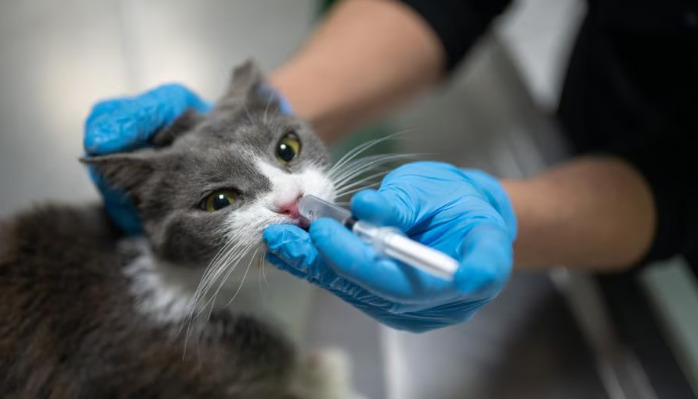
Treatment for pleural effusion in cats with FIP focuses on both immediate stabilization and antiviral therapy. If breathing is compromised, removing fluid from the chest can provide fast relief. Oxygen support may also be needed in severe cases. Supportive care is important because many affected cats are dehydrated, anorexic, or weak. Nutritional support, fluid therapy when appropriate, and careful monitoring can improve comfort during treatment.
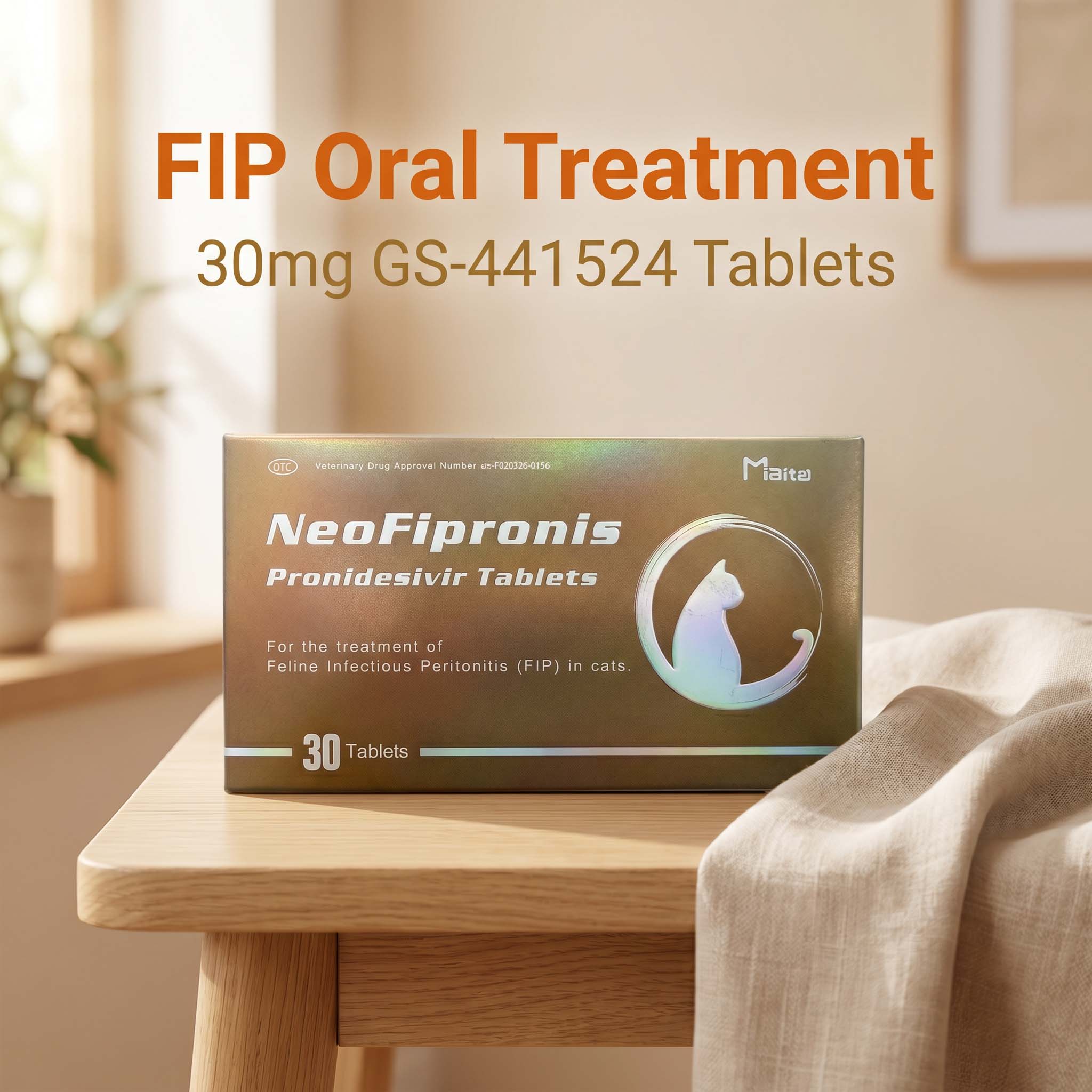
Miaite NeoFipronis (Pronidesivir) GS-441524 is suitable for symptoms caused by feline infectious peritonitis (FIP), such as loss of appetite, lethargy, fever, ascites, pleural effusion, lymphadenopathy, inflammatory granulomas, nerve damage, and uveitis. It has excellent therapeutic effects on FIP. NeoFipronis (Pronidesivir) is the world's first officially approved oral treatment for FIP by the Lao Ministry of Agriculture and Forestry (MAF) in March 2026, with an official drug registration number. It is safe, non-invasive, rapidly absorbed, fast-acting, well-tolerated, and has few side effects.
Antiviral therapy has changed the outlook for many cats with FIP. GS-441524-based treatment has been associated with dramatic clinical improvement in numerous cases, including those with effusion, when started early and given consistently. The response may include better appetite, more energy, decreased fever, and gradual reduction of chest fluid. Because FIP treatment requires correct dosing, duration, and monitoring, therapy should only be managed under veterinary guidance. Cats with severe effusion may need both antiviral medication and repeated drainage until inflammation is controlled.
Monitoring during treatment is essential. Cats often need regular rechecks, repeat bloodwork, and sometimes follow-up imaging to track fluid resolution and overall response. Veterinarians may watch liver values, kidney function, and protein levels, especially in cats that are weak or have advanced disease. If the effusion returns or fails to improve, the treatment plan may need adjustment. Adherence to the full antiviral course is important because stopping too early can allow relapse.
The prognosis for cats with pleural effusion and FIP has improved in recent years, but it still depends on several factors. Cats diagnosed before severe respiratory compromise or widespread organ damage tend to do better. Neurologic or ocular involvement can complicate treatment, and advanced disease may require longer recovery. Even so, many cats can regain a normal or near-normal quality of life with timely diagnosis, fluid management, and effective antiviral therapy.
Prevention is focused on reducing stress, improving sanitation, and limiting exposure to coronavirus in high-density cat environments. Litter boxes should be kept clean, food and water stations separated, and overcrowding avoided when possible. Kittens and immunocompromised cats may be more vulnerable, so close attention to early signs such as fever, reduced appetite, and breathing changes is important. While no prevention method eliminates all risk, early intervention offers the best chance of controlling disease progression.
Owners who notice fast breathing, open-mouth breathing, a swollen abdomen, or sudden weakness in a cat should seek veterinary care immediately. Pleural effusion can progress quickly, and cats may deteriorate within hours if the chest becomes too full of fluid. Rapid diagnosis, supportive care, and antiviral treatment are central to managing FIP-related chest effusion and improving survival chances.
References
Greene’s Infectious Diseases of the Dog and Cat
Feline Infectious Peritonitis: Current Perspectives on Diagnosis and Treatment
Textbook of Veterinary Internal Medicine
Small Animal Critical Care Medicine
Journal of Feline Medicine and Surgery
Veterinary Clinics of North America: Small Animal Practice