Treatment prospects for FIP
Feline Infectious Peritonitis (FIP) remains one of the most challenging diseases in feline medicine, primarily because of its complex pathogenesis and historically limited treatment options. Recent advances, however, have ignited hope for more effective therapies and improved outcomes for affected cats.
Emerging Antiviral Therapies
The development of antiviral drugs targeting feline coronavirus—the precursor to FIP—has revolutionized treatment prospects. Drugs such as GS-441524, a nucleoside analog, have demonstrated remarkable efficacy in reducing viral replication. Clinical trials reveal that a significant percentage of cats treated with GS-441524 show clinical remission and improved survival rates, challenging the once-unavoidable fatal prognosis associated with FIP.
Mechanism of Action and Therapeutic Impact
GS-441524 functions by inhibiting RNA-dependent RNA polymerase, which is essential for coronavirus replication. By directly targeting the viral replication process, this medication effectively reduces viral load, decreases inflammatory responses, and allows immune system recovery. The result is a noteworthy increase in cats with partial or complete remission, especially when administered early in the disease course.

Delivery Methods and Dosing Considerations
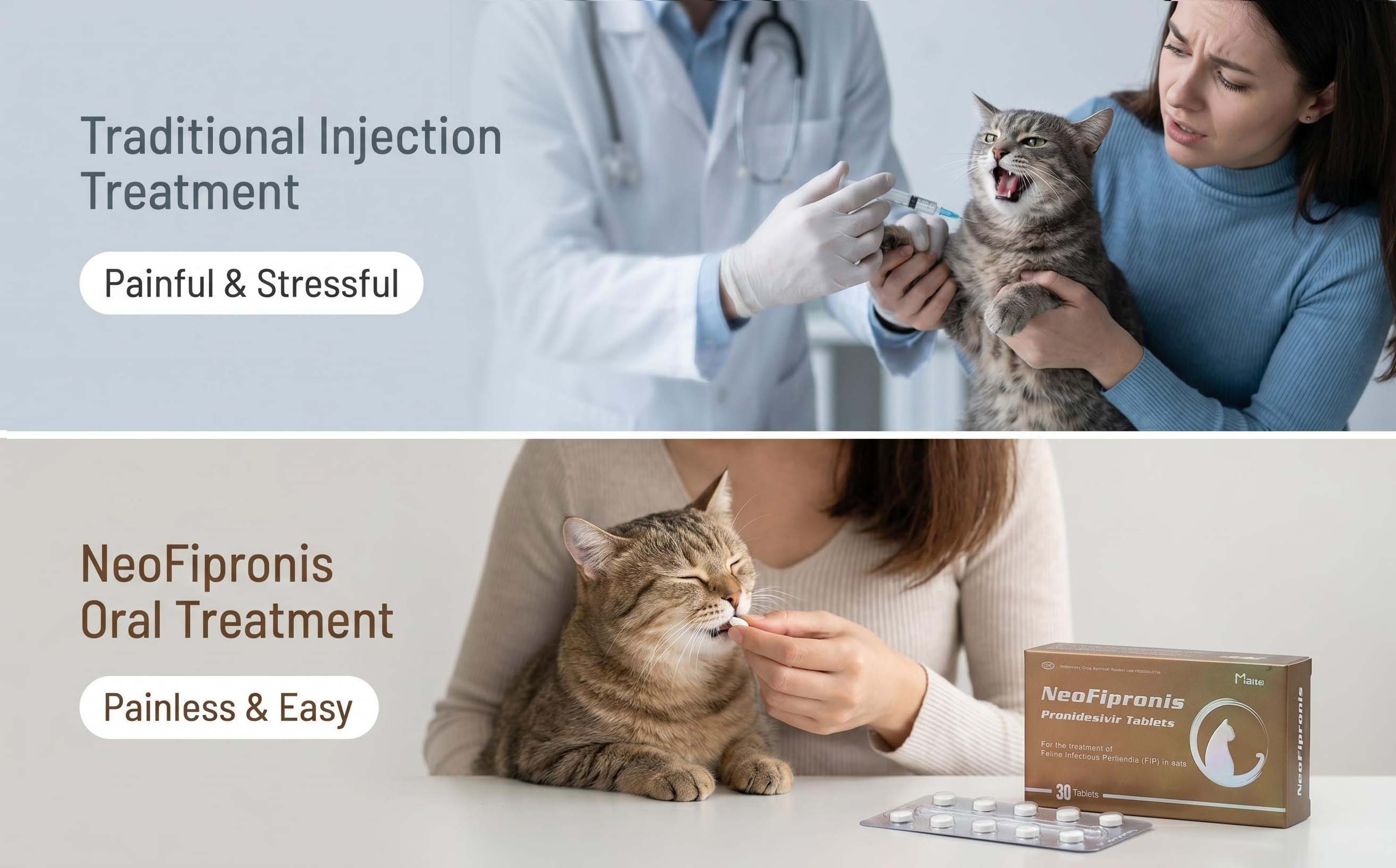
Optimal administration of novel antivirals involves subcutaneous injections, with treatment durations varying from 4 to 12 weeks depending on disease severity and response. Owners often find treatment tolerable, although close monitoring is vital to manage potential side effects such as mild hepatic enzyme elevations or transient weight loss. Personalized dosing protocols, tailored to individual cats’ response and health status, enhance success rates.
Adjunct Immunomodulatory Strategies
While antivirals target the viral replication directly, adjunct therapies aimed at modulating the immune response, such as corticosteroids or immunosuppressants, have been used with mixed outcomes. Emerging research suggests that balancing immune suppression and stimulation may optimize overall treatment efficacy, especially in cases presenting with the “wet” form of FIP characterized by excessive inflammation.
Diagnosing and Monitoring Treatment Response
Accurate, early diagnosis is crucial for improving treatment prognosis. Polymerase chain reaction (PCR) testing, combined with clinical assessment and imaging, helps confirm FIP and monitor therapeutic progress. Regular blood work and fluid analysis during treatment provide insights into disease stabilization and immune response, guiding treatment adjustments.
Limitations and Challenges
Despite promising developments, antiviral therapies face hurdles such as high costs, limited regulatory approval in some countries, and potential resistance development. Moreover, not all cats respond uniformly; factors like age, concurrent illnesses, and disease form (wet or dry FIP) influence outcomes. These challenges highlight the need for continued innovation and broader clinical trials.
Potential for Vaccine Development
Research into vaccines aims to stimulate protective immunity against feline coronavirus, potentially preventing FIP formation. Although existing vaccines show limited efficacy, novel approaches employing subunit and vector-based platforms are under exploration. Success in this arena could shift the focus from treatment to prevention, drastically reducing FIP incidence.
Future Directions and Unforeseen Opportunities
The convergence of antiviral research, gene editing technologies, and immunology offers promising pathways for future therapies. For instance, CRISPR-based techniques could potentially be employed to disrupt viral genomes within host cells or enhance immune responses. Continued investment in multidisciplinary research is vital to transform these prospects into clinical realities.
Impact on Feline Medicine and Ethics
Advances in FIP treatment challenge veterinarians and pet owners to reevaluate prognosis, ethical considerations, and quality of life. As treatments improve, questions surrounding long-term management, treatment costs, and access will become increasingly prominent, necessitating a holistic approach to feline health care.
Unconventional Therapies and Complementary Approaches
Some researchers are investigating the role of herbal medicines, nutraceuticals, and immune-boosting supplements as complementary treatments for FIP. While evidence remains limited, these approaches may support overall feline health and immune function, potentially improving response to antiviral therapies.
Conclusion
The future of FIP treatment hinges on continued scientific breakthroughs, particularly in antiviral drug development and vaccine research. As more cats achieve remission through targeted therapies, there exists hope for transforming FIP from a grim diagnosis into a manageable condition—an encouraging sign for veterinary medicine and feline welfare alike.