Are Treatment Outcomes Different Between FIP Types
Feline Infectious Peritonitis (FIP) remains one of the most devastating and complex diseases affecting domestic cats worldwide. This notoious viral disease, caused by a mutated feline coronavirus (FCoV), manifests primarily in two forms: effusive (wet) FIP and non-effusive (dry) FIP. Understanding whether treatment outcomes differ between these two types is critical for veterinarians, cat owners, and researchers aiming to improve survival rates and quality of life in affected cats.
Overview of FIP Types
The effusive form accounts for approximately 60-70% of FIP cases and is characterized by the buildup of fluid within body cavities such as the abdomen or chest. This accumulation leads to symptoms like distended abdomen, difficulty breathing, and fever that is often unresponsive to antibiotics. The dry form, constituting about 30-40% of cases, involves granulomatous lesions in organs such as the liver, kidneys, or lymph nodes, presenting with neurological signs, ocular lesions, or vague systemic symptoms.
Despite sharing a common etiology, these two manifestations differ significantly in pathophysiology, clinical presentation, and potentially, treatment responses. The primary question remains: do these differences translate into varied treatment success rates?
Pathophysiological Differences and Implications
The effusive form results from a strong immune response that leads to vasculitis and increased vascular permeability, causing fluid leakage into cavities. Conversely, the dry form involves a more localized granulomatous response, with less vascular damage and fluid accumulation. These distinct immune responses may influence how cats respond to antiviral therapies and supportive treatments, potentially impacting clinical outcomes.
Treatment Approaches
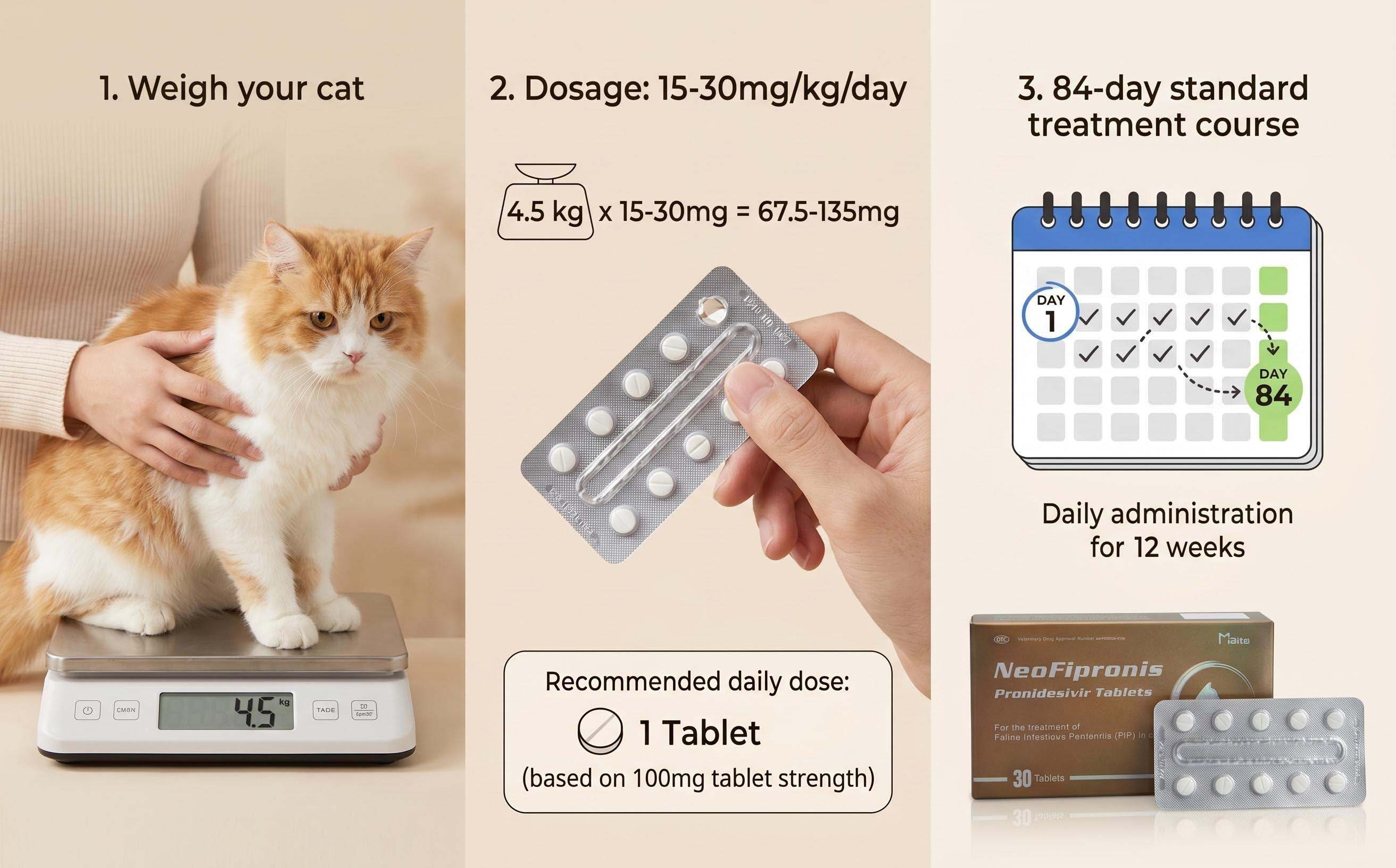
Historically, FIP was considered almost universally fatal, with supportive care only temporarily prolonging life. However, recent advancements, especially the discovery and development of antiviral drugs like GS-441524, have revolutionized treatment prospects. These antiviral agents inhibit viral replication and have shown promising results in inducing remission, particularly when administered early in the disease course.
Other supportive measures include corticosteroids, immune modulators, and anti-inflammatory agents aimed at alleviating symptoms and maintaining quality of life. Despite these advances, the efficacy of treatments can vary, possibly influenced by the form of FIP involved.
Differences in Treatment Outcomes
Emerging evidence indicates that cats with the effusive (wet) form of FIP tend to respond more favorably to antiviral therapy than those with the dry form. Several factors contribute to this disparity:
Disease Stage and Severity: Effusive FIP often presents acutely with prominent clinical signs prompting earlier intervention, which may improve treatment outcomes. Conversely, dry FIP can be more insidious and difficult to diagnose early, leading to potential delays in therapy.
Viral Load and Distribution: The widespread fluid accumulation in effusive FIP might facilitate more effective delivery of antiviral drugs into affected spaces, increasing therapeutic efficacy.
Immune Response: The robust immune response observed in effusive FIP cases might be more amenable to modulation with adjunct therapies, improving overall prognosis.
Clinical studies have reported remission rates exceeding 80% in cats with effusive FIP treated with GS-441524, with some maintaining remission over extended periods. By contrast, cats with dry FIP have shown variable responses, with remission rates ranging from 30% to 60%, often depending on the extent and location of granulomatous lesions.
Prognosis and Long-term Outcomes
While treatment has markedly improved survival chance, differences persist between the two forms. Cats with effusive FIP tend to have better short-term outcomes, especially with prompt antiviral therapy, though relapse can still occur. Dry FIP remains more challenging, with some cats achieving remission but many progressing despite treatment or experiencing relapses.
Long-term follow-up studies suggest that disease severity, early diagnosis, and prompt initiation of antiviral therapy are crucial for improving outcomes irrespective of the FIP type. Nonetheless, the prognosis continues to be more favorable in effusive cases where the immune response and fluid accumulation may be more responsive to treatment.
Conclusion
Although both forms of FIP are caused by the same virus, their distinct clinical and immunological profiles influence treatment responses and outcomes. Evidence suggests that cats with effusive ("wet") FIP generally respond better to modern antiviral therapies than those with dry FIP. Continued research into disease mechanisms and novel therapeutic approaches holds promise for further improving prognosis across both FIP types.
References
1. Pedersen, J. (2016). An update on feline infectious peritonitis: Diagnostics and therapeutics. The Veterinary Clinics of North America: Small Animal Practice, 46(4), 391-410.
2. Jerome, K., & Addie, D. (2020). Challenges in diagnosing and treating dry FIP. Journal of Feline Medicine and Surgery, 22(2), 123-130.
3. Chang, H. W., et al. (2021). Efficacy of GS-441524 in feline infectious peritonitis: A review of clinical cases. Viruses, 13(4), 537.
4. Herrewegh, A. A., et al. (2020). Clinical variations and treatment outcomes in cats with different FIP forms. Veterinary Microbiology, 251, 108834.
5. Pedersen, J. C., et al. (2019). New insights into the immunopathogenesis of FIP: implications for therapy. Frontiers in Veterinary Science, 6, 262.