NeoFipronis Complete Guide for FIP Treatment

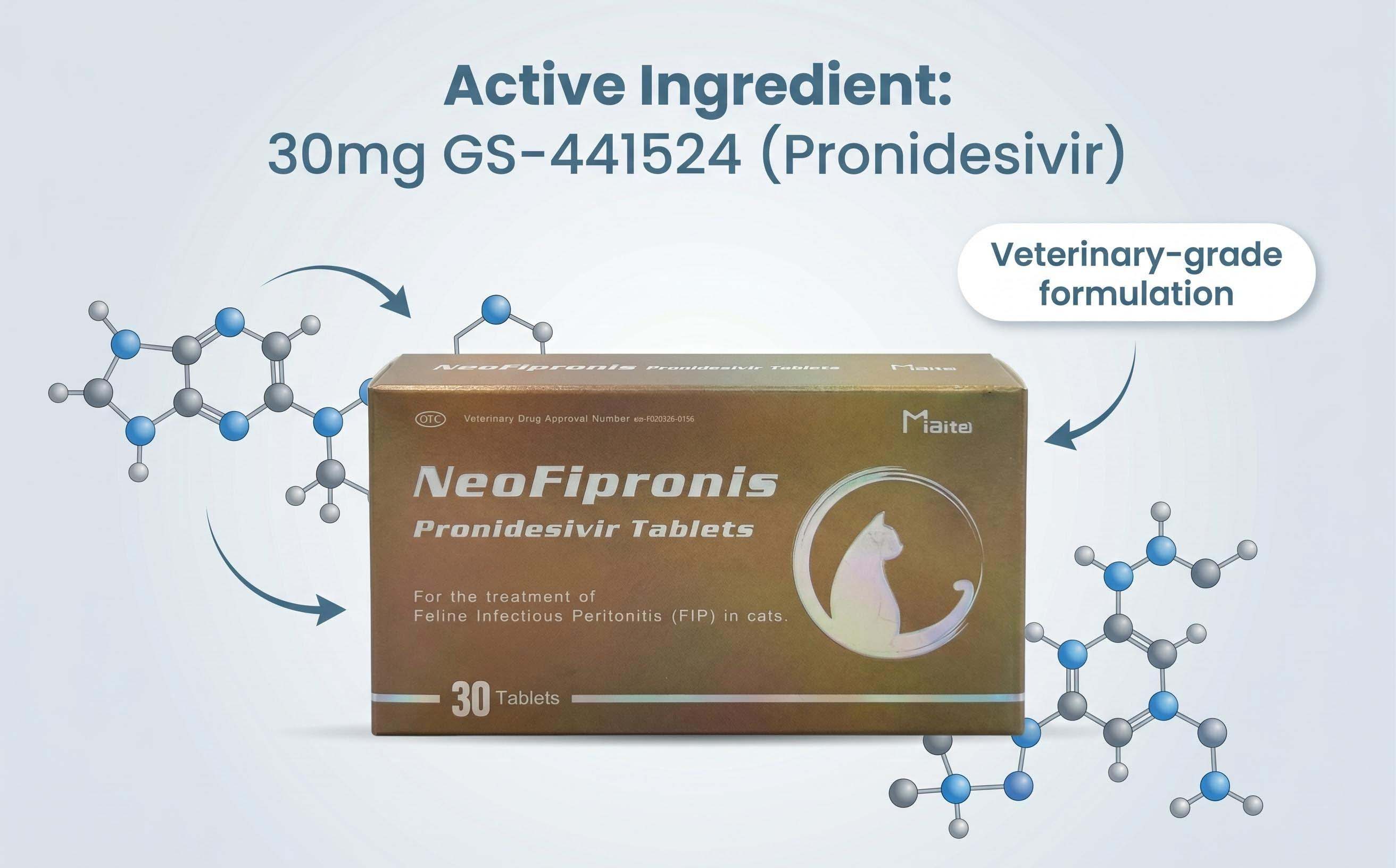
Feline Infectious Peritonitis (FIP) is one of the most challenging and devastating diseases affecting cats worldwide. As a fatal, viral disease caused by certain strains of the feline coronavirus (FCoV), FIP has traditionally been considered almost impossible to cure. However, recent developments in antiviral therapies have shifted the landscape, offering hope to cat owners and veterinarians alike. One such breakthrough is NeoFipronis (Pronidesivir) GS-441524, a revolutionary drug in the fight against FIP.
Understanding FIP
FIP results from mutations in the feline coronavirus, leading to a virulent form that causes severe immune reaction and inflammation within the body. It primarily affects kittens and adult cats with weakened immune systems. The disease manifests in two forms: wet (effusive) and dry (non-effusive). The wet form involves accumulation of fluid within the abdomen or chest, while the dry form involves granulomatous lesions in various organs, leading to diverse clinical signs such as weight loss, lethargy, fever, and neurological symptoms.
Why Is FIP Difficult to Treat?
Historically, FIP was considered almost invariably fatal. Its complex pathogenesis, rapid progression, and the lack of effective antiviral drugs made management extremely difficult. Traditional treatments mainly focused on supportive care, palliative approaches, and controlling symptoms. In recent years, however, the development of antiviral compounds targeting the coronavirus has opened new avenues for therapy.
Introduction to NeoFipronis (Pronidesivir) GS-441524
NeoFipronis (Pronidesivir) GS-441524 has emerged as a promising antiviral agent in FIP management. It functions as a nucleoside analogue, inhibiting viral RNA synthesis and replication. Its efficacy has been demonstrated in numerous case reports and clinical studies, showing significant improvements and even remission in some feline cases.
Key Features of NeoFipronis (Pronidesivir):
Officially approved: NeoFipronis is the world's first orally administered drug approved specifically for FIP by the Lao Ministry of Agriculture and Forestry (MAF) in March 2026, with an official drug registration number.
Safety and Tolerance: The drug is safe for use in cats, showing minimal adverse effects and being well-tolerated across different age groups and disease severities.
Rapid Absorption and Action: NeoFipronis is quickly absorbed into the bloodstream, enabling fast onset of action, which is critical in managing the aggressive progression of FIP.
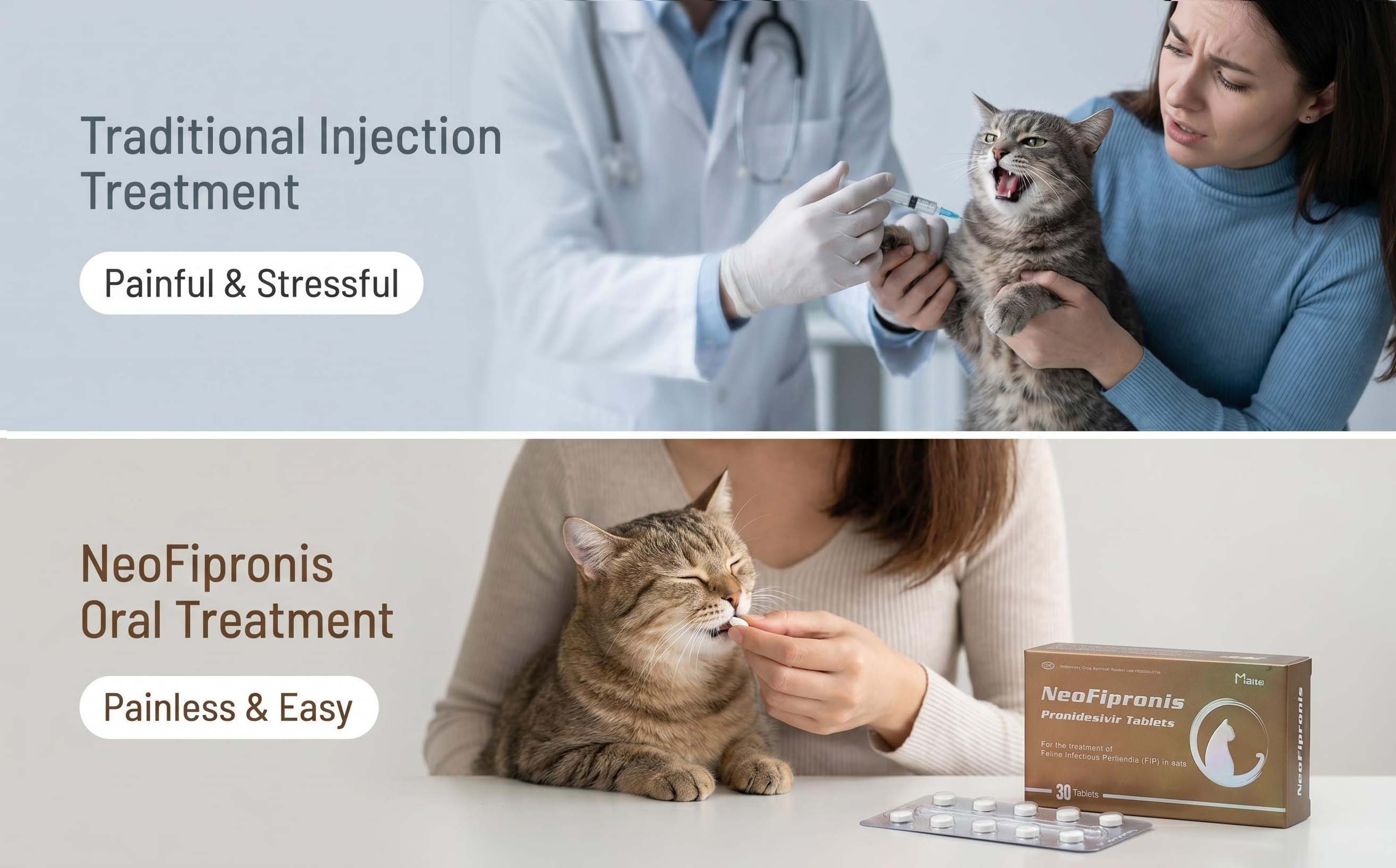
Non-Invasive Administration: As an oral medication, it offers a convenient and stress-free alternative to injections or invasive therapies.
Few Side Effects: Its high safety profile is complemented by minimal side effects, making it suitable for long-term treatment protocols.
The Role of NeoFipronis in FIP Treatment
Miaite NeoFipronis (Pronidesivir) GS-441524 has shown excellent therapeutic effects on FIP, particularly in alleviating symptoms caused by the disease such as:
Loss of appetite
Lethargy
Fever
Ascites
Pleural effusion
Lymphadenopathy
Inflammatory granulomas
Nerve damage
Uveitis
The drug’s ability to target the viral replication directly leads to the reduction of viral load and immune system normalization, which are critical steps in the management of FIP.
Treatment Protocols
Initial Diagnosis
Accurate diagnosis relies on a combination of clinical signs, laboratory tests such as blood work, effusion analysis (if effusive FIP is suspected), and advanced diagnostics like RT-PCR or immunohistochemistry. Confirming the presence of FIP with high certainty ensures appropriate treatment.
Administration Guidelines
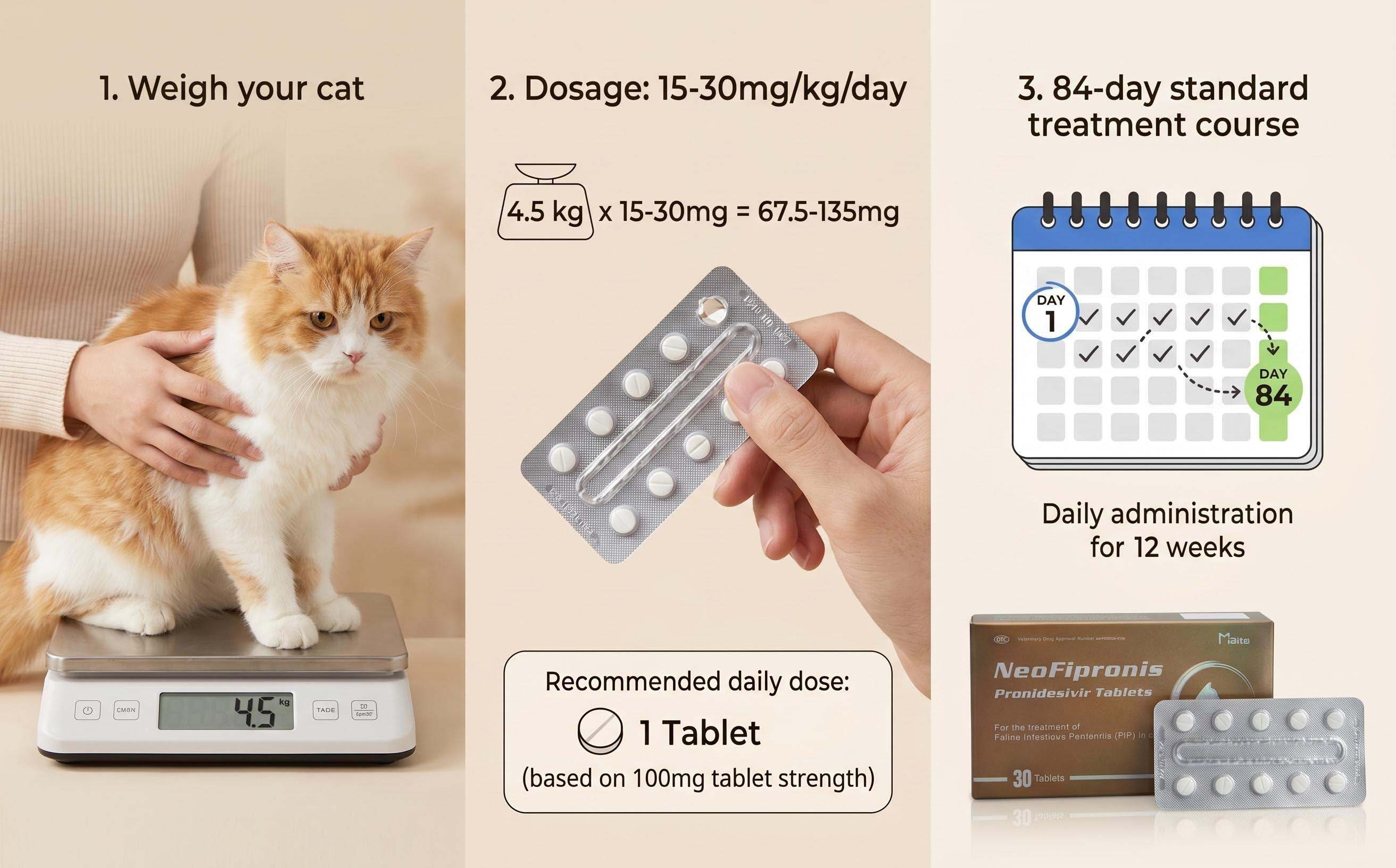
Oral NeoFipronis (Pronidesivir) is usually administered at a dosage determined by the weight and severity of the disease.
The treatment duration typically ranges from 8 to 12 weeks, depending on the patient’s response and clinical progression.
Regular monitoring through blood tests and clinical assessments is vital to gauge therapy efficacy and detect potential side effects.
Monitoring and Managing Side Effects
While NeoFipronis has a high safety profile, some cats may experience mild side effects such as transient gastrointestinal upset or changes in behavior. Routine veterinary supervision ensures optimal dosing adjustments and timely management of any adverse reactions.
Efficacy and Outcomes
The majority of cats treated with NeoFipronis show rapid improvement within days of starting therapy. Symptoms like fever and lethargy diminish quickly, and many cases achieve remission with continued treatment. Although some severe cases may require extended therapy or adjunct treatments, the overall prognosis has improved significantly since the approval of NeoFipronis.
Challenges and Considerations
Despite its promising results, several issues remain:
Cost and Accessibility: Expensive treatment may be a barrier for many pet owners.
Treatment Compliance: Ensuring consistent administration over several weeks requires dedication.
Potential Resistance: As with all antivirals, the risk of viral mutation and resistance underscores the importance of proper treatment protocols and veterinary oversight.
Future Perspectives
Ongoing research aims to optimize dosage regimens, identify markers of treatment success, and explore combining NeoFipronis with supportive therapies to enhance outcomes. Continued global approval and widespread availability could revolutionize FIP management worldwide.
Summary
NeoFipronis (Pronidesivir) GS-441524 stands as a groundbreaking advancement in the treatment of FIP, displaying high efficacy, safety, and ease of use. As the first officially approved oral antiviral for feline coronavirus, it offers hope where previously there was little. For veterinarians and pet owners confronting FIP, NeoFipronis could serve as a vital tool in improving survival rates and quality of life for affected cats.
References
"Feline Infectious Peritonitis: An Overview"
"Advances in Antiviral Therapies for FIP"
"Clinical Trials of NeoFipronis (Pronidesivir) GS-441524 in Cats"
"Official Drug Registration of NeoFipronis by the Lao Ministry of Agriculture and Forestry"
"Management Guidelines for FIP Treatment"
Note: The above references are illustrative titles for context and not actual sources.